Editorial mode: Template A — News.
Raspberry Pi Press is promoting AI Projects with Raspberry Pi, a new book aimed at builders who want to run practical AI projects on familiar Raspberry Pi hardware. The company’s news page frames the title as a practical guide for real-world AI applications, while related Raspberry Pi documentation continues to emphasize cameras, accelerators and software setup as part of the AI path on its boards.
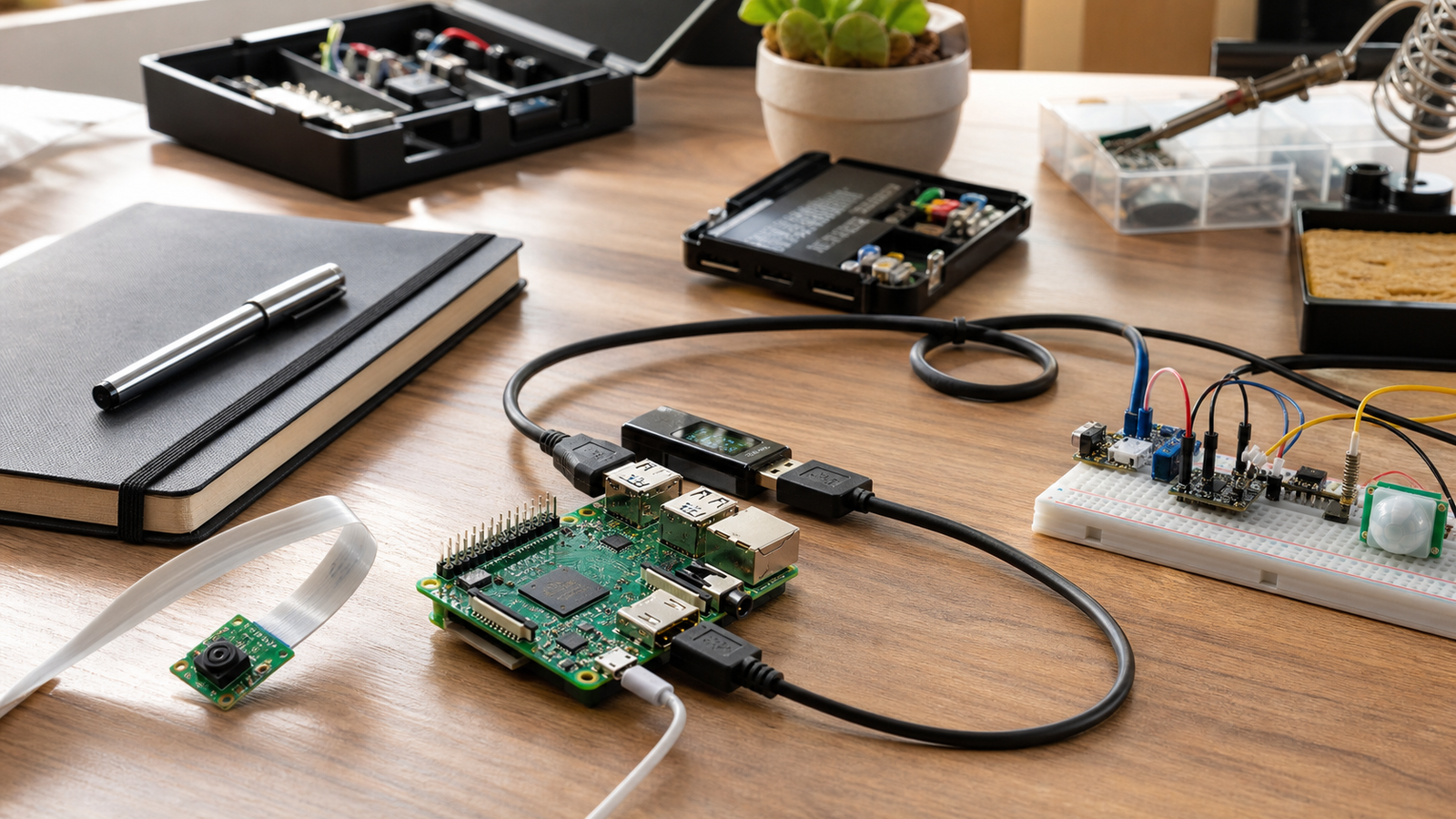
For TVG readers, the news is not only that another maker book exists. It is that local AI is moving from a specialist experiment into the ordinary project shelf: cameras, sensors, small models, USB accelerators, Python tooling and repeatable instructions that a club or classroom can actually follow.
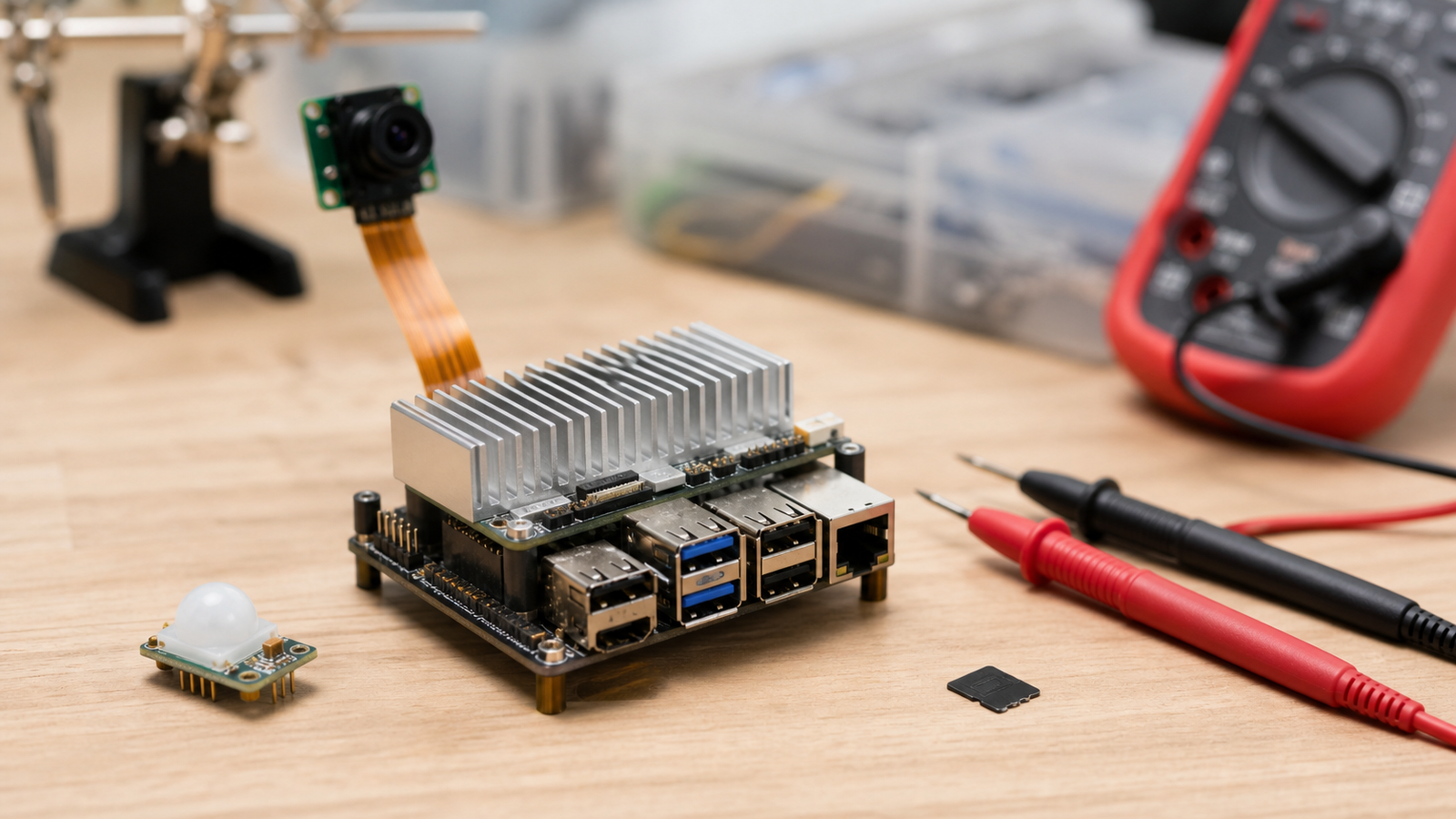
Why it matters
Maker AI used to mean sending data to a cloud API or copying a demo that barely fit on local hardware. Raspberry Pi’s current education and documentation push suggests a more practical direction. A student can build a camera classifier, audio detector, assistive prototype or lab monitor without first learning a full data-center stack.
The engineering tradeoff is still real. A Raspberry Pi-class system has power, memory, thermal and latency limits. That constraint can be a teaching advantage because it forces builders to ask useful questions: what data is collected, where inference runs, what happens when confidence is low, and whether the project keeps working away from Wi-Fi.
What builders should check
The first check is hardware fit. A project that needs real-time video may require a camera interface, accelerator support, fast storage and cooling. A slower environmental sensor project may be fine with simpler hardware and a lighter model.
The second check is maintainability. Classroom and club projects fail when setup instructions depend on one laptop, one SD card image or one undocumented command. Good AI project material should make dependencies, model files, test data and rollback steps visible.
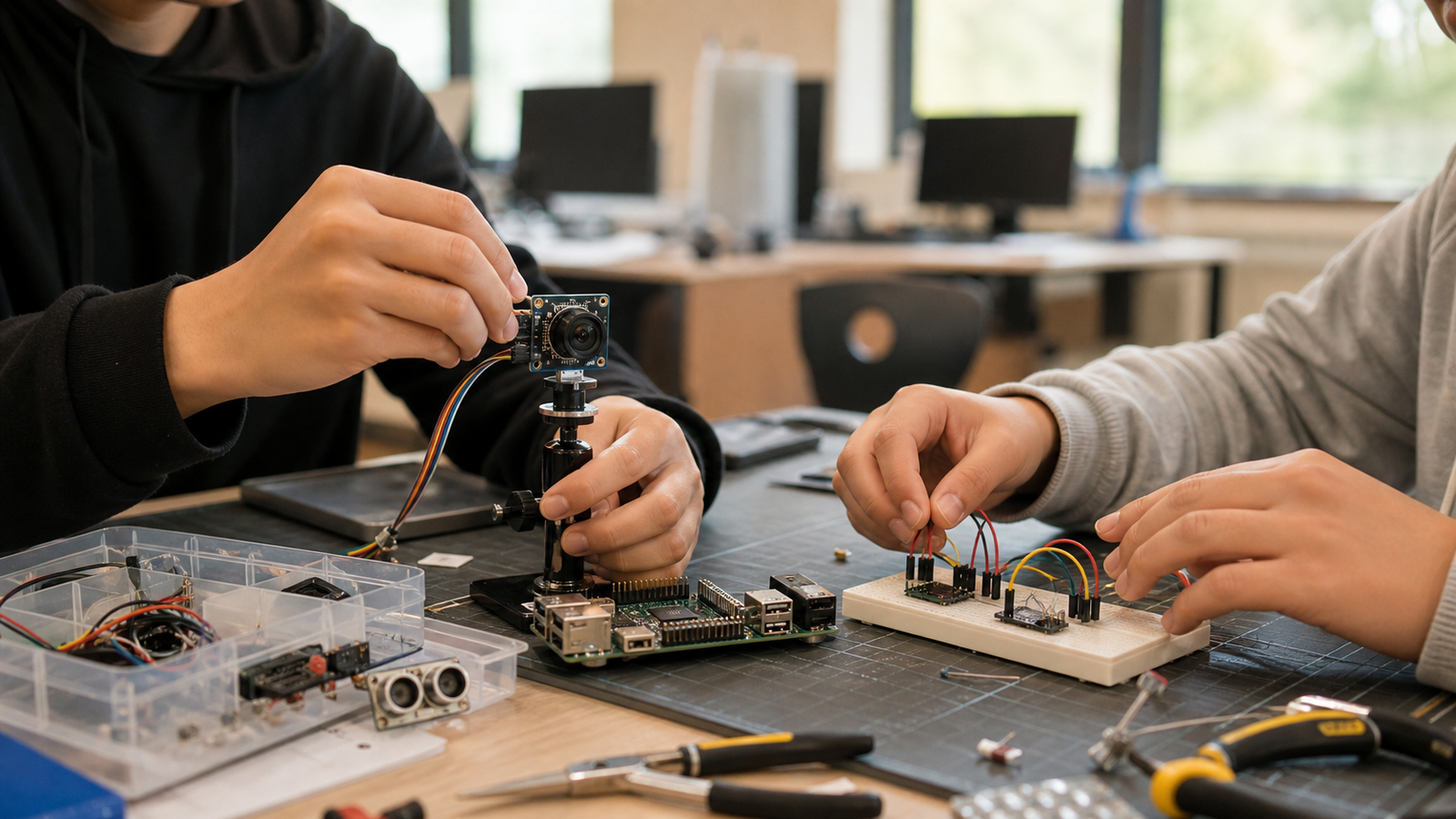
What a repeatable project needs
A useful local-AI build should include more than a model download. Builders need a bill of materials, known-good operating-system image, dependency versions, a small test dataset, expected performance notes and a way to reset the system when an experiment fails. That matters in classrooms because students rotate machines and clubs often share kits across teams.
Privacy is another reason local AI belongs in maker education. A camera project can teach classification, latency and confidence thresholds without sending every frame to an outside service. That does not make the project automatically private, but it gives the instructor and builder more control over where data travels.
TVG’s earlier Raspberry Pi robot dog review preview showed the same pattern from the robotics side: the board is only part of the system. The durable lesson is setup, power, cooling, sensor choice and a recovery path.
TVG Analysis
Raspberry Pi’s AI publishing push is useful because it treats AI as something builders can wire, measure and debug, not just prompt. That fits TVG’s maker-lab coverage and connects directly to earlier work on Raspberry Pi fleet provisioning for school and maker labs.
The open question is quality control. TVG will be watching whether project materials include clear model limitations, dataset notes, privacy guidance and failure-case handling. Local AI is most credible when the demo includes the parts that make it safe to repeat.
The other useful signal is accessibility. A book or guide aimed at builders lowers the barrier for small teams that cannot maintain a full machine-learning pipeline. That does not remove the need for caution, but it makes local inference something a robotics club can evaluate with real sensors and real constraints instead of only reading platform announcements.