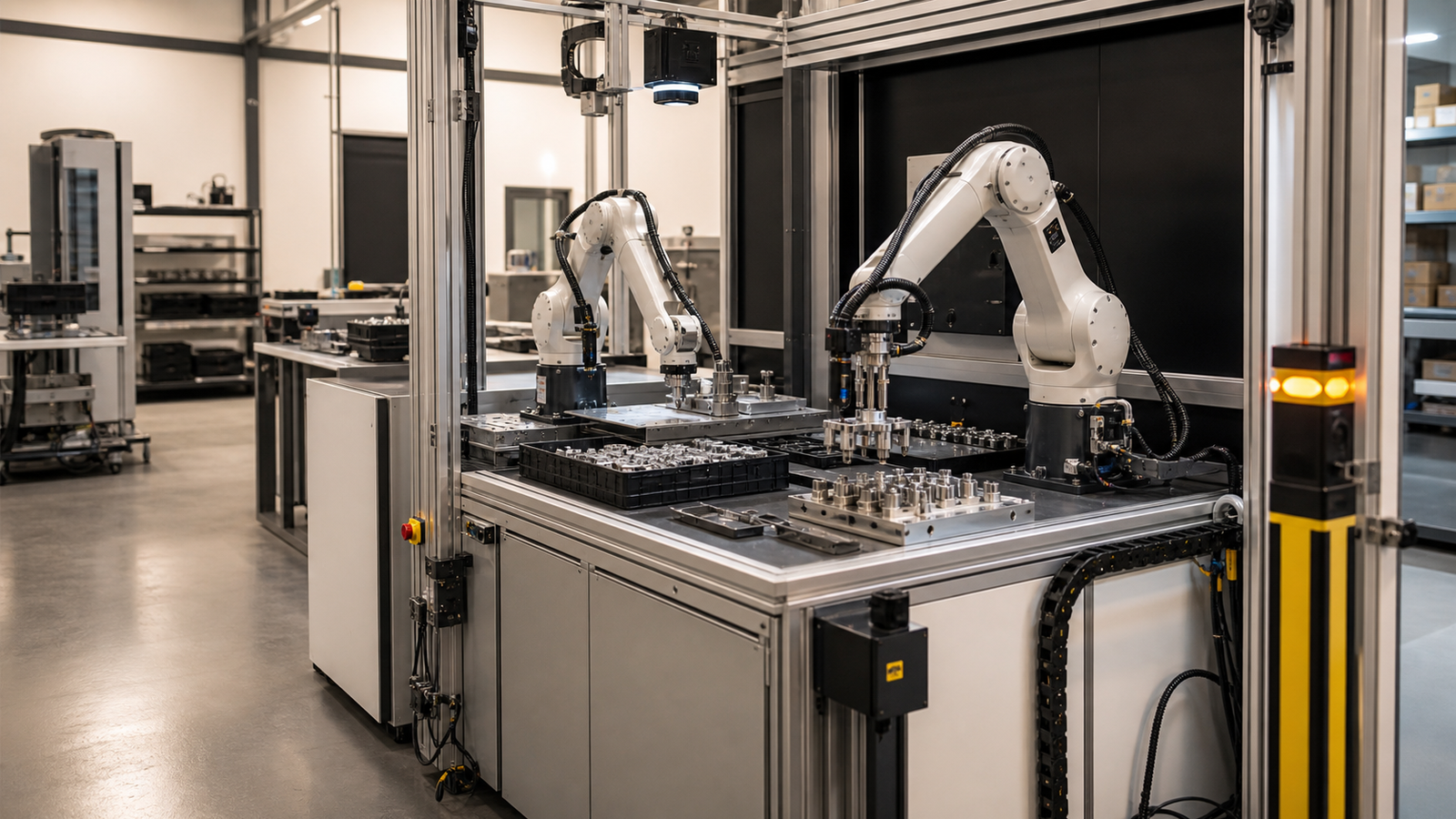
North American robot orders increased in the second quarter of 2026, according to new data from the Association for Advancing Automation, with the demand signal continuing to spread outside the automotive plants that historically dominated industrial robotics.
A3 says companies ordered 8,940 robots in Q2 2026, valued at $622 million. The group reported a 4.3% increase in units and a 21.3% increase in order value compared with Q2 2025. Food Logistics, citing the same A3 release, noted that non-automotive customers accounted for 56% of robot units ordered.
That is the news peg: robot demand is not only a car-factory story right now.
What A3 reported
A3 describes growth across semiconductors, automotive components, food, metals, and life sciences. Its robotics statistics vault lists the Q2 2026 release as part of a broader pattern that also appeared in Q1: non-automotive categories are becoming more important to the order mix.
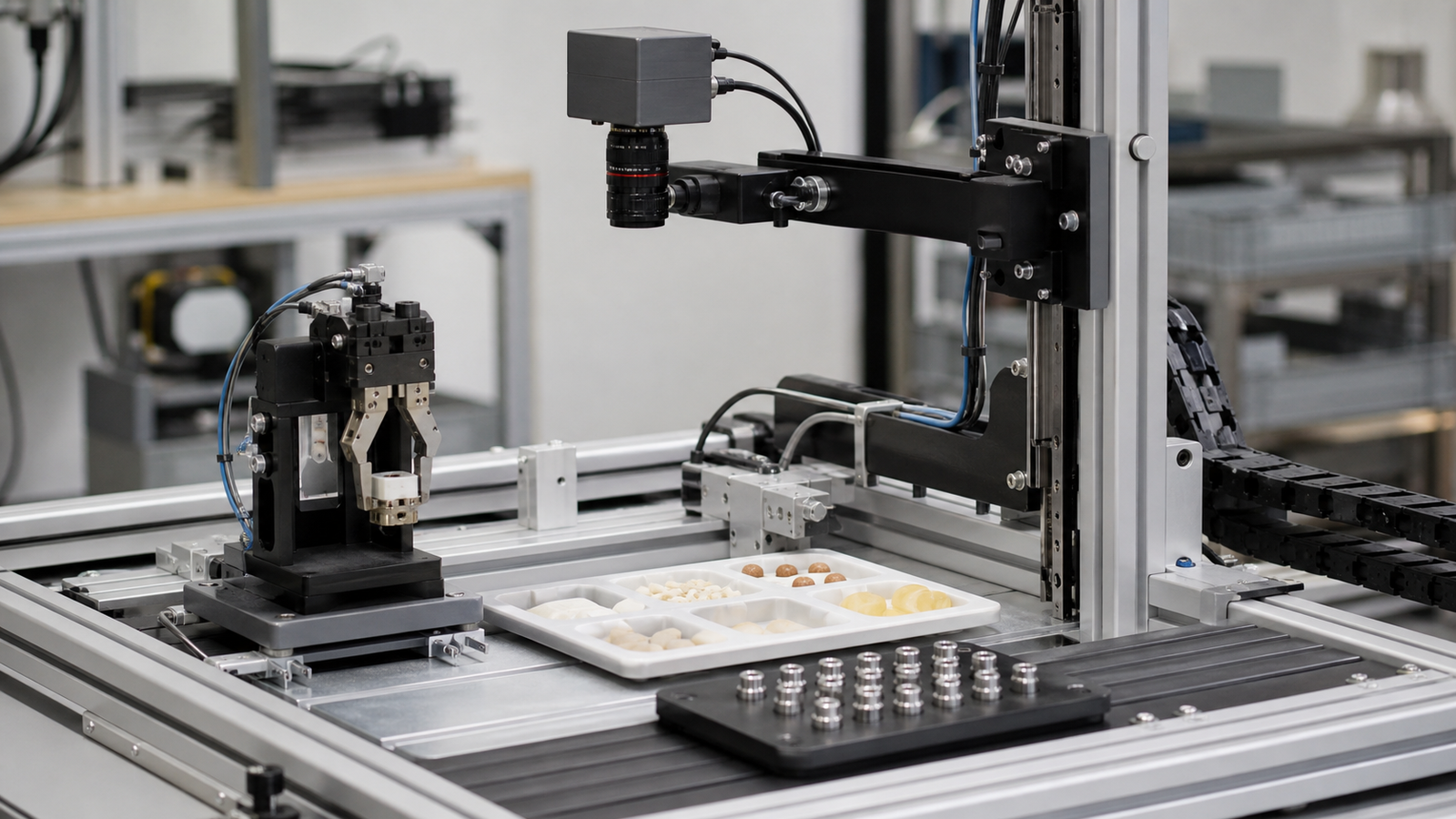
The reported value increase matters because it suggests buyers are not only adding low-cost units. Some orders are likely tied to higher-value cells, more complex end-of-arm tooling, machine vision, safety equipment, application software, and integration work. A robot arm by itself is rarely the whole project.
The automotive sector remains central to North American automation. But when demand broadens, suppliers and integrators need to support more varied environments: food handling, lab automation, metal fabrication, electronics, packaging, logistics, and mixed production lines.
Why it matters
For TVG readers, the useful question is not whether robot orders are up or down in a single quarter. It is what kinds of engineering problems appear when automation moves into more diverse sites.
A food plant, a semiconductor support process, and a metal shop may all buy robots, but they do not share the same payloads, washdown requirements, environmental controls, camera lighting, gripper materials, or maintenance habits. The broader the market gets, the less useful a one-size-fits-all robot story becomes.
That shift also creates room for smaller automation vendors. Machine-vision specialists, gripper companies, safety consultants, conveyor builders, AMR integrators, and software teams can win work when customers need complete cells rather than a single arm purchase.
Builder impact
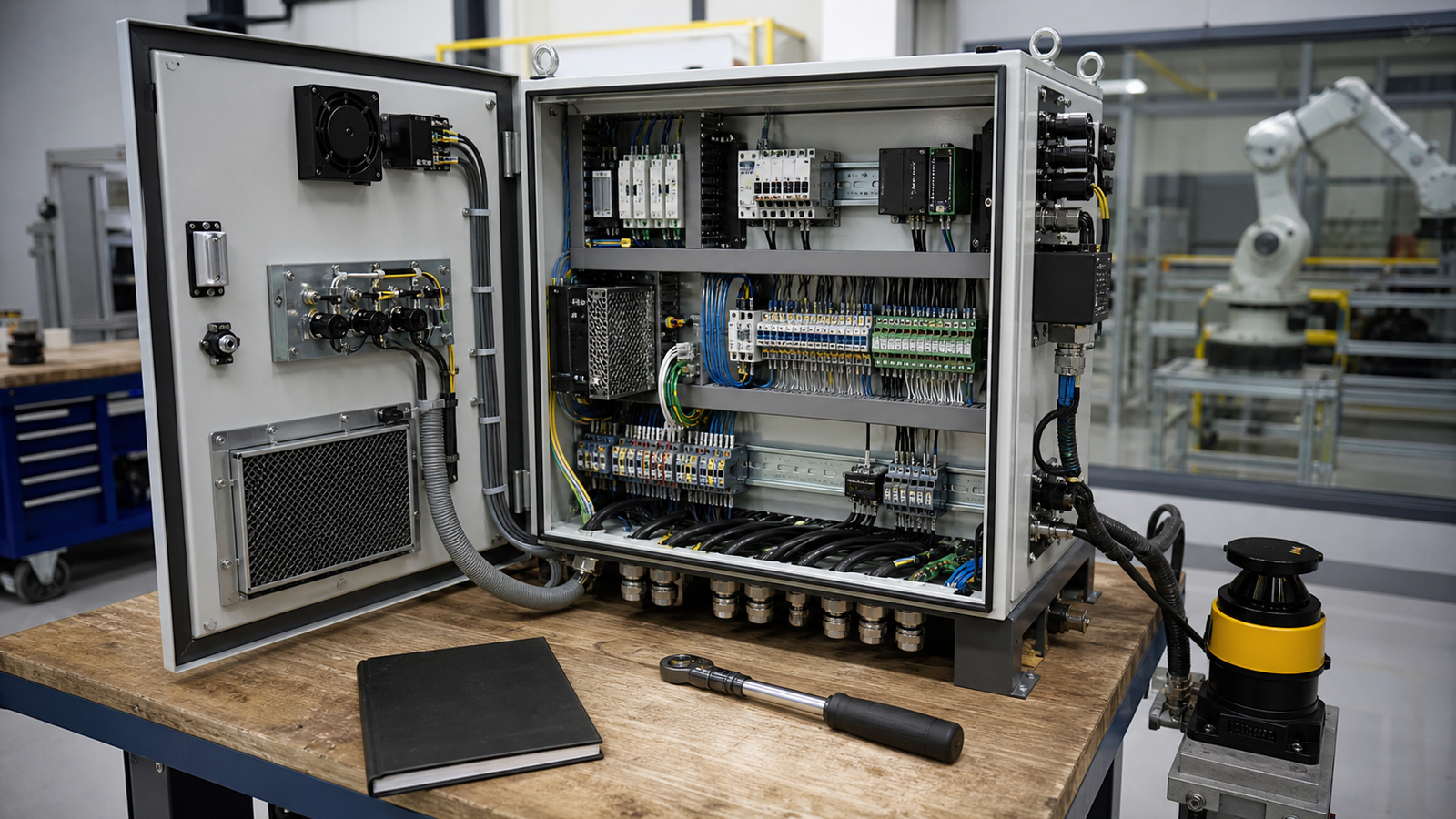
For students, makers, and early-career engineers, the A3 numbers are a reminder that robotics skill is increasingly multidisciplinary. Motion control is still important, but so are fixture design, power distribution, sensor placement, cable strain relief, documentation, and fault recovery.
TVG has covered small reliability details such as camera lens cleaning and focus checks and PoE camera cable strain relief. Those details look minor in isolation. In a broader automation market, they become part of whether a cell survives normal production conditions.
Educational robotics programs can also use the trend as a teaching angle. A classroom robot does not need to mimic a complete factory, but students can learn to ask industrial questions: What happens when lighting changes? What fails first after vibration? How is a cable routed? Who resets the system after a jam?
TVG Analysis
The A3 release does not prove that every robotics vendor is in a boom cycle. It does show that automation demand is more distributed than a simple automotive-readiness narrative suggests.
That is healthy for the field if it pushes vendors toward practical deployment support: easier commissioning, better diagnostics, clearer safety documentation, and application-specific tooling. It also raises the bar. A robot sold into food, metals, life sciences, or electronics cannot rely on generic demo-cell assumptions.
What remains unknown is how much of the Q2 value increase comes from robot units themselves versus broader system scope. Future A3 releases and vendor earnings will help show whether this is a durable shift or a strong quarter inside a still-cyclical market.