
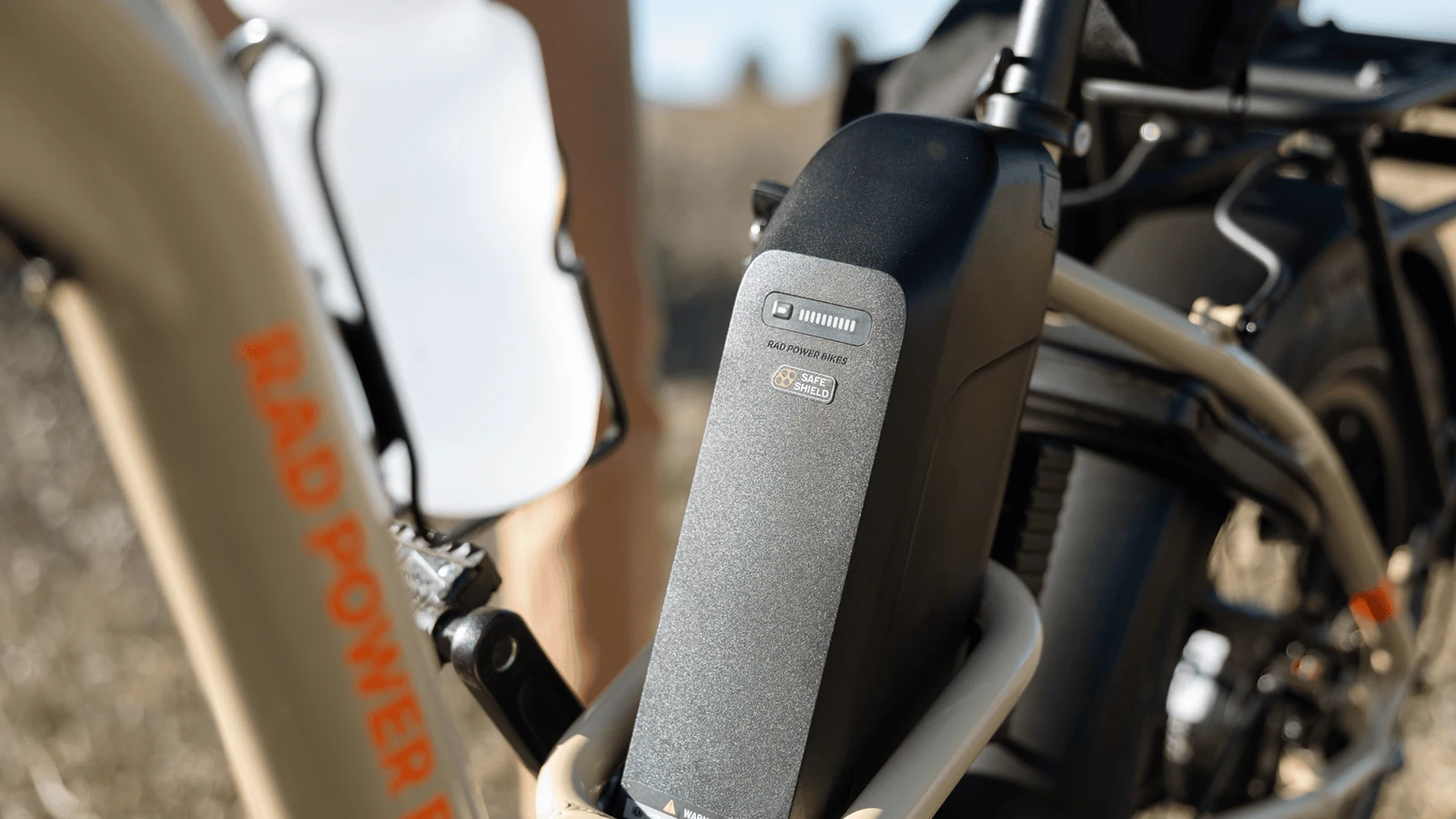
An e-bike charging corner is not safe just because the floor is tidy. The battery, charger and complete electrical system need to be compatible; damaged packs need to stay out of service; and the location must not block an exit. A garage checklist can reduce obvious hazards, but it cannot certify a battery or guarantee that a lithium-ion failure will not occur.
Match the standard to the equipment
UL 2849 covers the electrical system of an e-bike, including the battery, charger and drive system evaluated together. UL 2271 addresses batteries for light electric vehicles. UL 4900 applies to micromobility charging equipment systems, such as managed charging installations. A mark on one component does not automatically establish that every replacement charger, adapter or battery combination is covered.
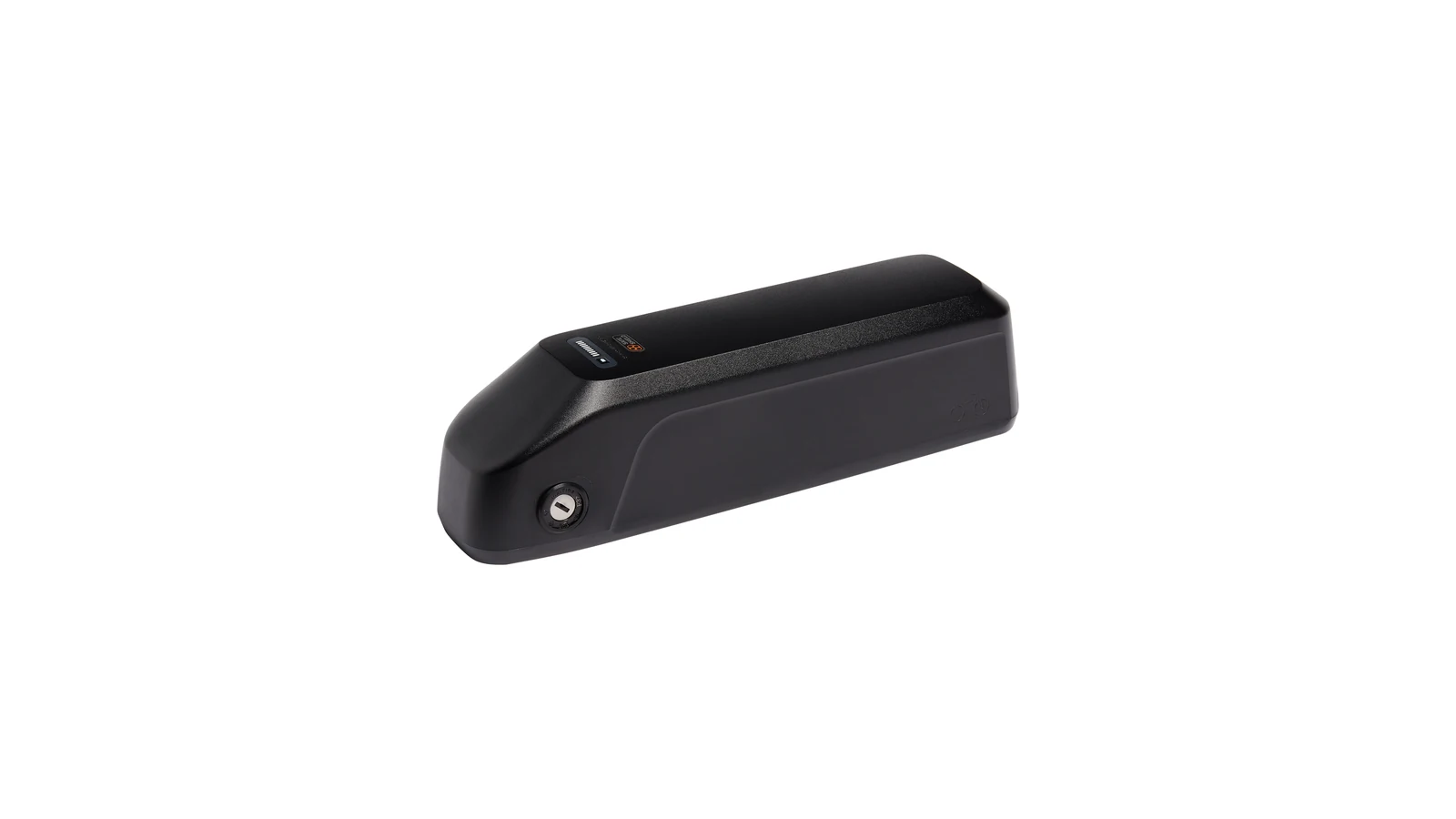
Before charging, follow the bike manufacturer’s instructions and use the specified charger. Stop using a pack that is swollen, cracked, leaking, unusually hot, wet or damaged by impact. CPSC advises consumers to be present while charging, avoid charging while sleeping, and unplug when charging is complete.
Choose the area around the bike
Keep the bike and charger away from the route people use to leave the garage. NFPA guidance warns against charging e-bikes or e-scooters in a location that blocks an exit. Keep combustible storage away from the charging area, protect cords from vehicles and sharp edges, and avoid improvised adapters or daisy-chained power strips.
The electrical receptacle and branch circuit also matter. Heat, discoloration, looseness or repeated breaker trips call for an electrician, not a larger extension cord. For a shared workshop or multi-bike station, consult the local fire department, building official and electrical inspector because adopted fire and electrical codes vary.

Plan for a bad outcome
Smoke, popping sounds, rapid heating or a strong unusual odor can precede a battery fire. Move people away, call emergency services and follow local fire-department instructions; do not handle a failing pack. A household extinguisher is not a substitute for evacuation, and a damaged battery should not go into household trash.
The practical goal is layered risk reduction: listed and compatible equipment, a sound battery, supervised charging, clear exits and local-code review. Treat any checklist as a prompt for inspection—not as a safety certificate.