
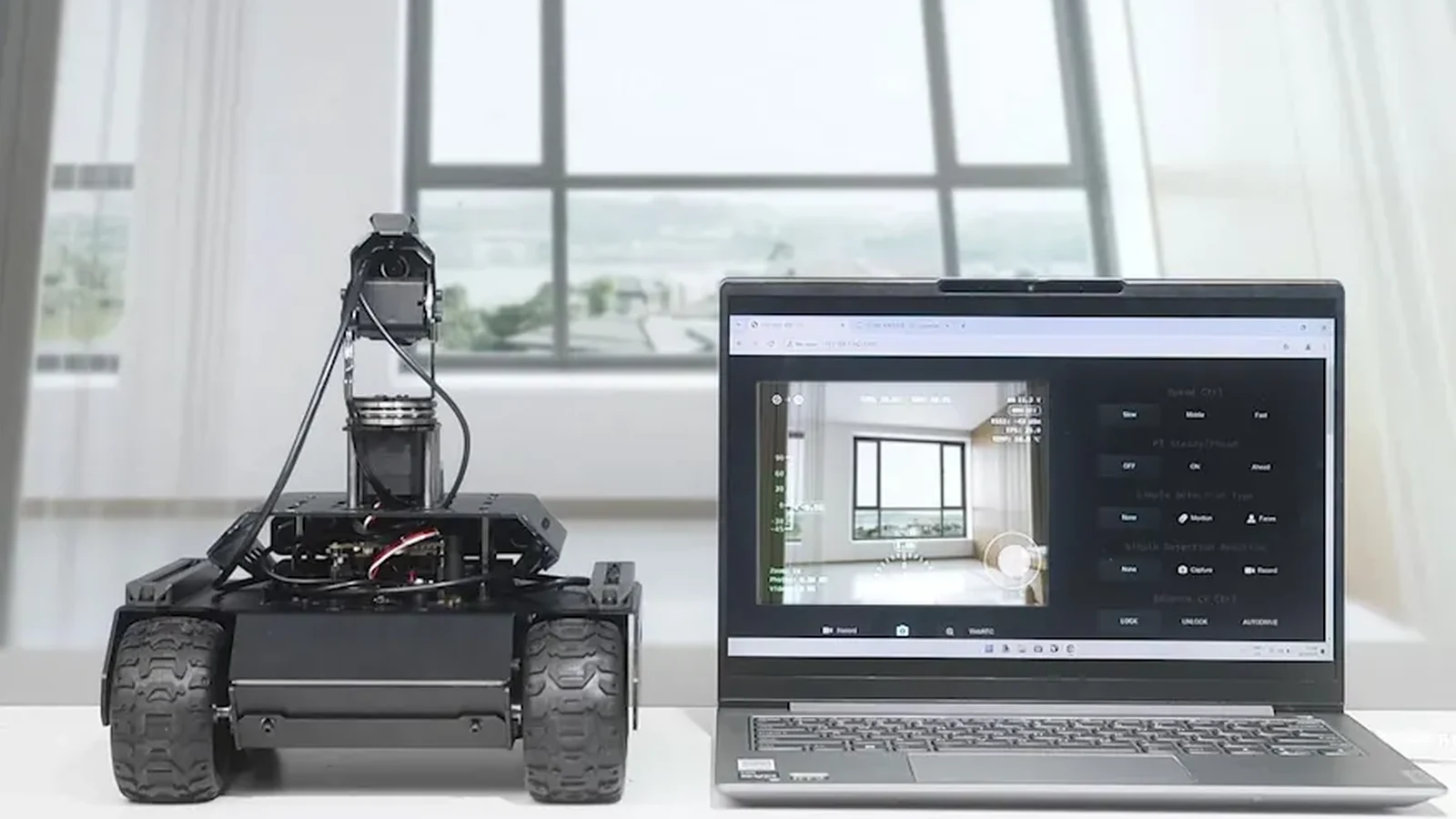
Waveshare’s UGV Rover PI ROS2 Kit is a six-wheel, four-wheel-drive mobile-robot platform built around Raspberry Pi 5. The official configuration pairs the Pi with a separate ESP32-based sub-controller, a 2D lidar and a depth camera. It is a development kit rather than a finished autonomous robot, and the product page does not substitute for hands-on performance testing.
The exact documented configuration
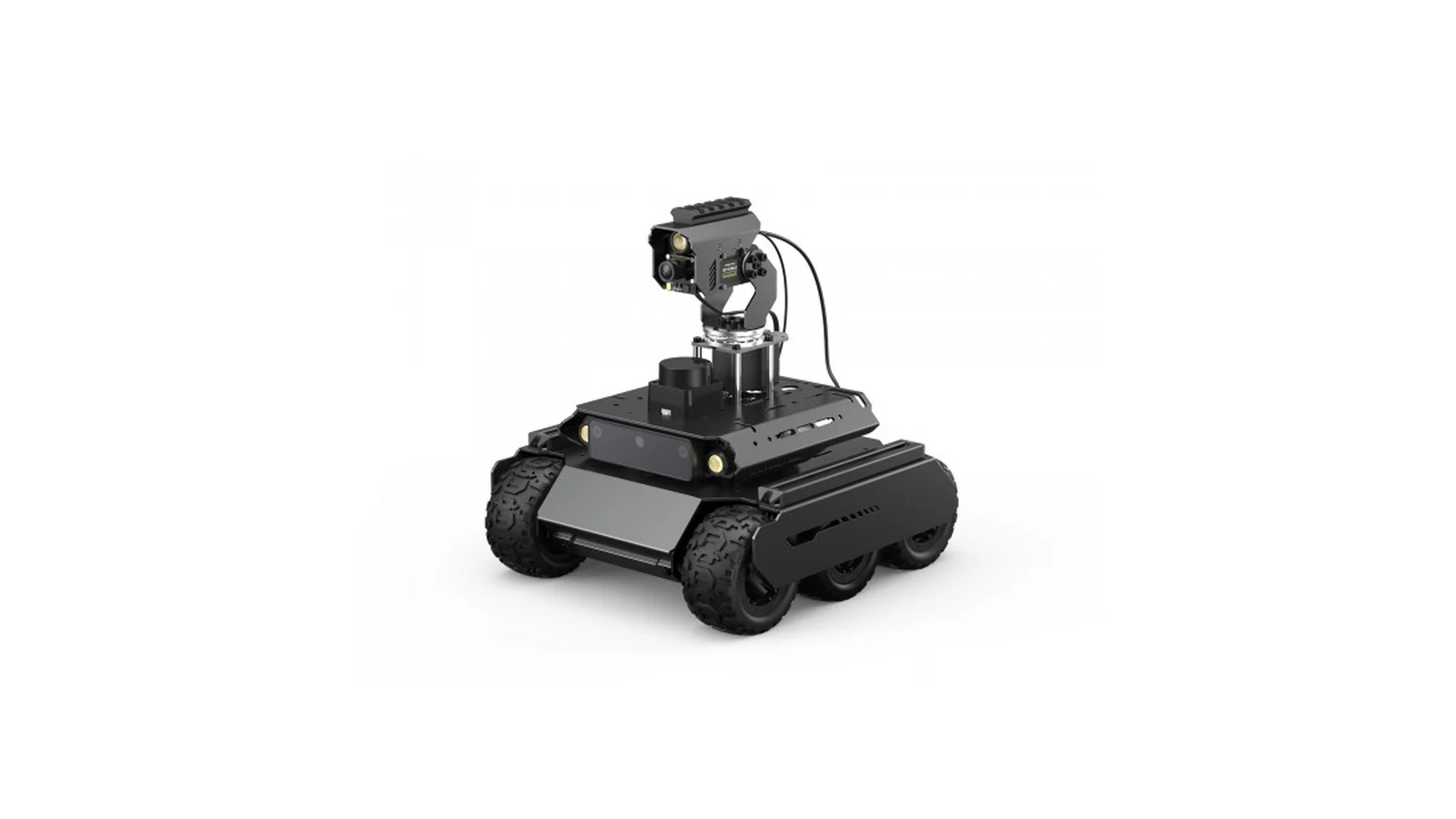
The current product listing identifies the kit as UGV Rover PI ROS2 Kit. Waveshare specifies Raspberry Pi 5 as the host computer and an ESP32 controller for lower-level functions. The chassis uses six wheels but drives four of them, with suspension intended to help the rover cross uneven indoor or light outdoor surfaces.
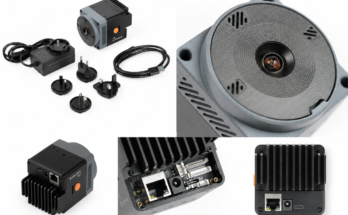
The ROS 2 sensor stack includes an LD19 2D lidar and an OAK-D Lite depth camera. Waveshare also lists an integrated pan-tilt mechanism, display, audio hardware, IMU and power-management features. Buyers should confirm the exact included items for the selected SKU because Waveshare sells related Rover, Beast and pan-tilt variants.
What ROS 2 support means here
Waveshare’s wiki supplies installation material, package references and example functions for mapping, navigation and vision. That gives a project a starting software stack; it does not guarantee that every ROS 2 distribution, custom node or third-party sensor will work without integration. The Pi handles Linux and ROS 2 workloads while the ESP32 maintains the hardware-control layer, a sensible division for a teaching and prototyping platform.
Where the kit fits
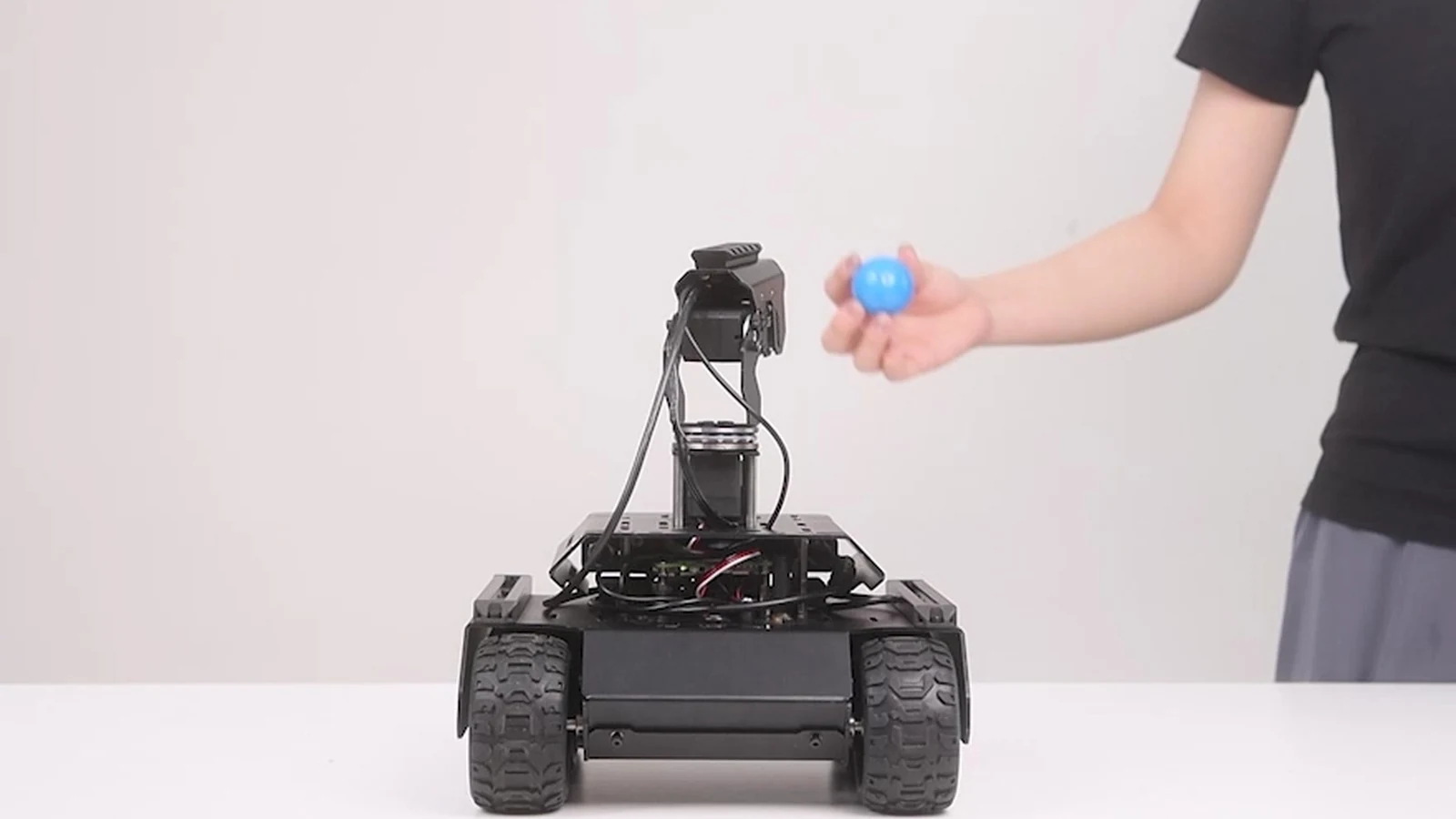
The main advantage is integration. A chassis, compute board, lidar, depth camera and vendor examples arrive as one documented system, which can save mechanical and wiring work for a classroom or lab. The tradeoff is dependence on the vendor’s images, packages and mechanical layout. Teams still need to manage batteries safely, validate emergency-stop behavior, tune navigation, protect the robot around people and keep software versions pinned.
TVG has not tested this rover, so speed, runtime, mapping accuracy and terrain capability should not be inferred from the photographs or promotional demos. Published demonstrations show intended functions, not independently verified performance. The strongest buying case is for users who want the documented Waveshare stack and are prepared to debug ROS 2, inspect wiring and maintain the supplied software environment. A team seeking a certified mobile base or production-ready safety system should look beyond a development kit.

That’s a really thorough overview, it’s great to see such a detailed specification laid out for projects like this.