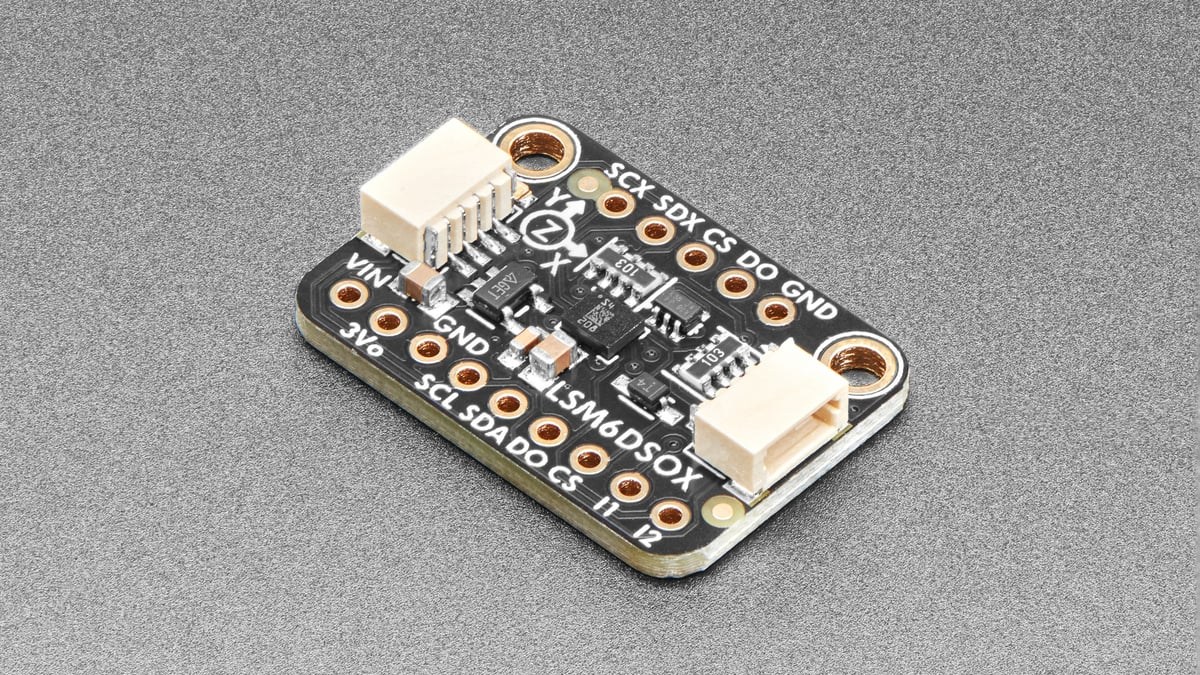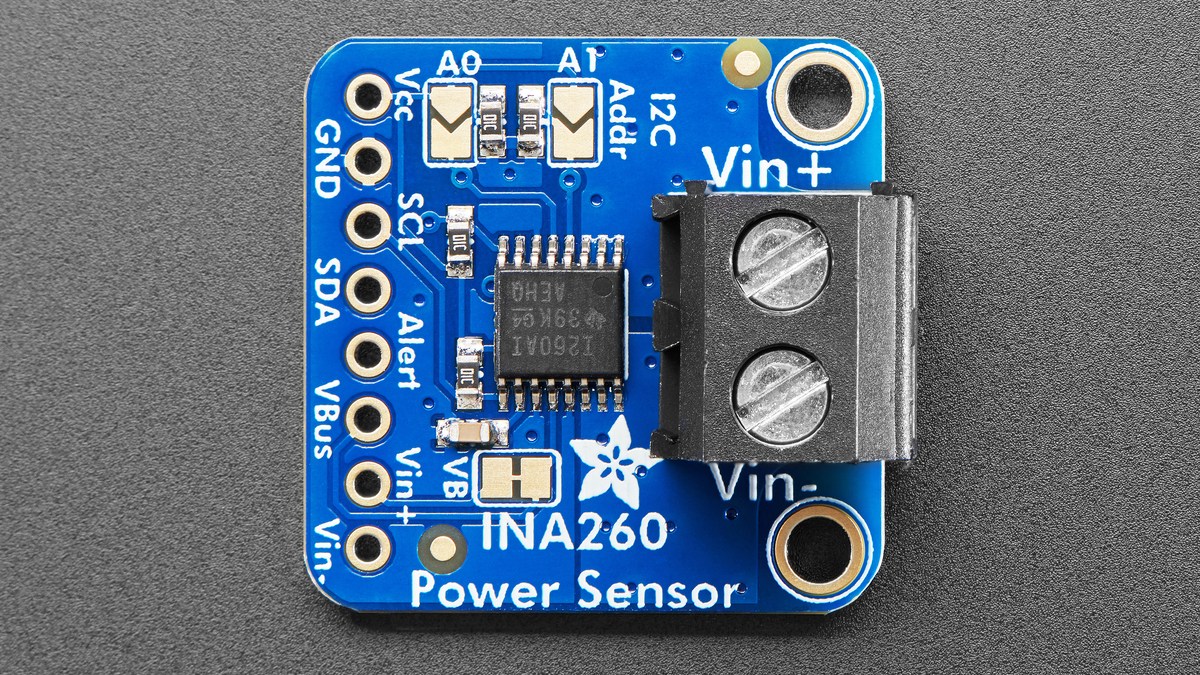

Bluetooth Channel Sounding is a fine-ranging feature introduced with Bluetooth Core 6.0. It gives two connected devices a standards-based way to estimate distance more precisely than a simple received-signal-strength reading. That makes sports and accessibility tags plausible design ideas—but it does not establish that such products are deployed or that they achieve a fixed accuracy in every venue.
How the ranging differs from RSSI
RSSI estimates proximity from received power, which changes with antenna orientation, bodies, walls and reflections. Channel Sounding instead supports phase-based ranging (PBR): an initiator and reflector exchange signals across multiple frequencies, and the implementation estimates distance from phase differences.

The Bluetooth SIG also describes round-trip time (RTT) as a secondary method for secure distance bounding. Cryptographically scrambled exchanges help cross-check the PBR result and raise the difficulty of relay attacks. That is a security goal and mechanism, not a promise that every product is immune to attack or installation error.
Where a sports tag might help
A wearable tag could report its changing distance from a fixed node near a training marker. That might support drills, zone entry or coarse event detection. It should not be described as a replacement for a certified timing system without evidence on latency, update rate, synchronization, multipath, body blocking and false triggers.
Vendor demonstrations show that supported development boards and phones can perform Channel Sounding. They do not prove a finished sports-timing product, nor do Bluetooth SIG’s headline accuracy statements guarantee the same result around metal bleachers, moving athletes or crowded radio environments.
Accessibility is an application, not a specification
A distance-aware tag could help a phone distinguish “near this doorway” from “somewhere in the room,” or provide progressively stronger cues as a user approaches an object. Designers would still need an accessible interface, clear consent, a nonvisual fallback, battery monitoring and behavior that fails safely when ranging is unavailable.
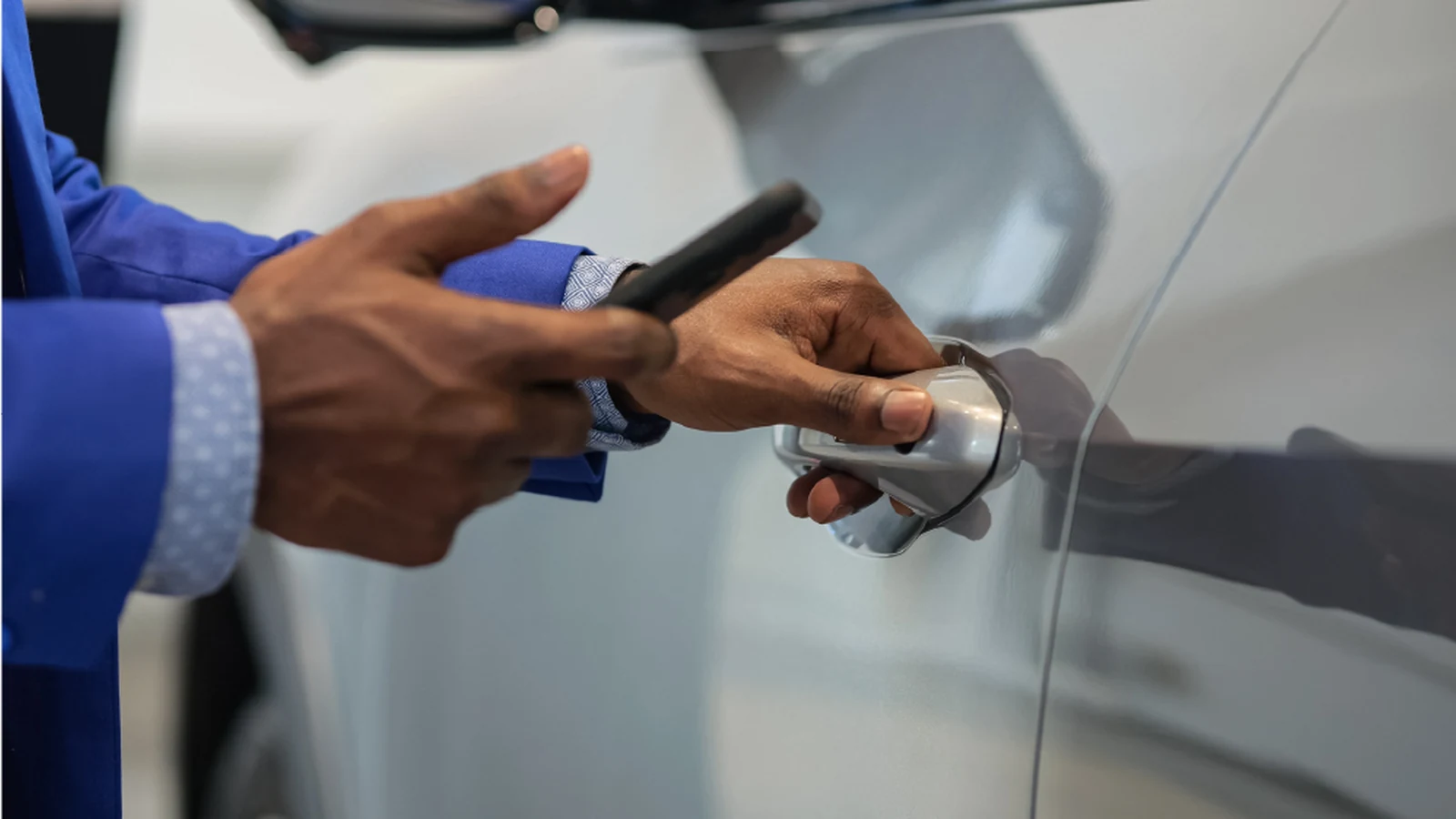
Neither Bluetooth Core nor the Bluetooth SIG use-case page documents a specific sports or accessibility tag matching those examples. They are engineering implications, not announced products.
What evidence should come next
A credible prototype report should identify the radio hardware and software version, separate PBR from RSSI results, record orientation and environment, and publish error distributions rather than one best reading. It should also test loss of connection and the fallback user experience. Until that evidence exists, Channel Sounding is a promising ranging building block—not a deployed accuracy claim.