Sports-tech timing projects should choose UWB or Bluetooth Channel Sounding based on the accuracy they can prove in their own lane, gym, or field setup—not on a vendor headline number.
The engineering lesson is measurement discipline. A timing gate or proximity demo is only useful if the team can explain the radio method, test line-of-sight limits, calibrate against a reference and report uncertainty honestly.
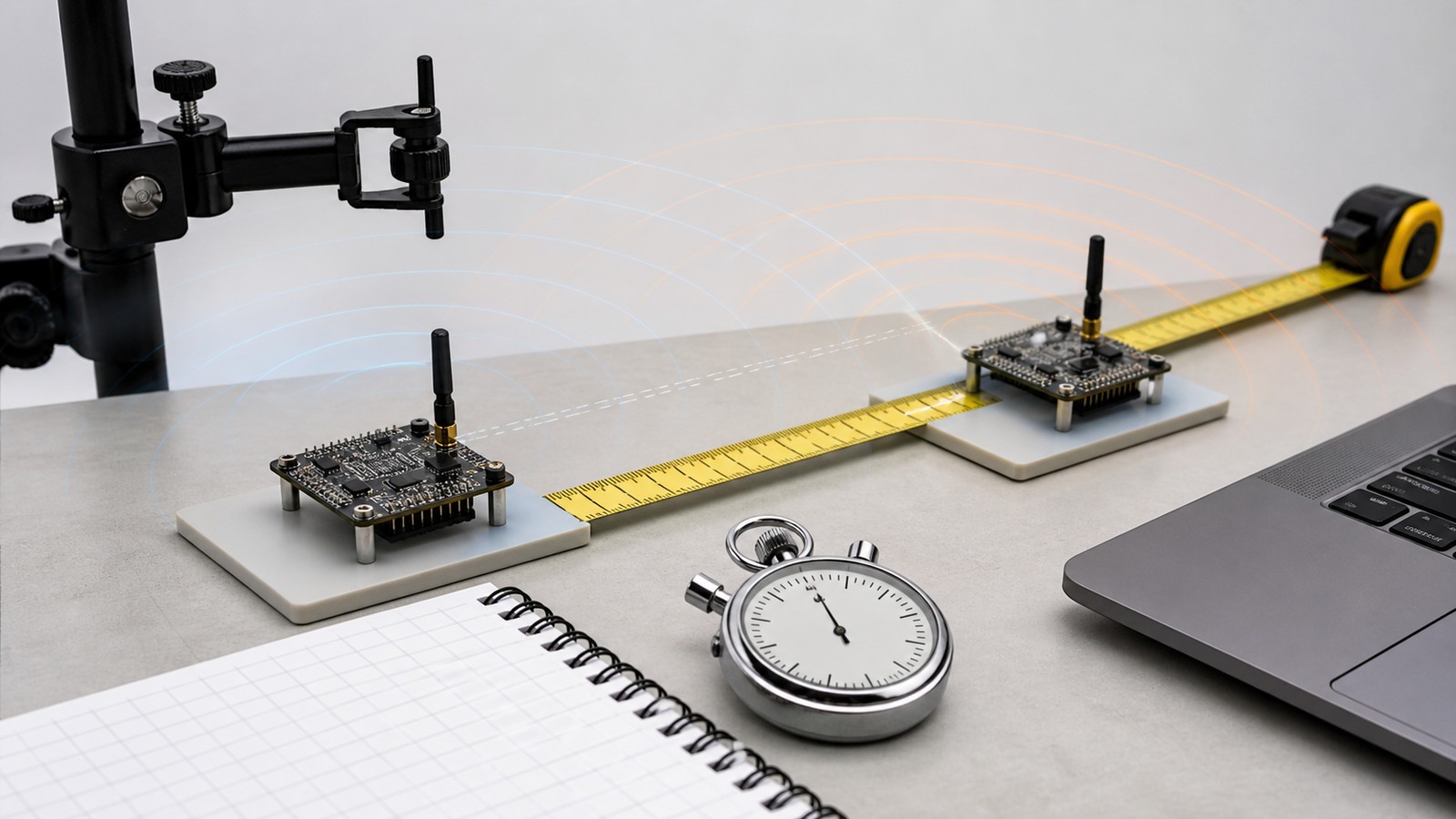
Quick answer
Use UWB when a project needs precise ranging experiments and can afford dedicated anchors, tags and calibration work. Watch Bluetooth Channel Sounding for lower-friction proximity and distance-estimation experiments as compatible devices arrive, but do not assume phone-like convenience means timing-grade accuracy. For sports STEM, a reference method such as a photogate or high-speed camera remains important.
What UWB offers
Ultra-wideband systems use very short radio pulses across wide bandwidth, which can support accurate time-of-flight style ranging when geometry and signal conditions are controlled. FiRa describes UWB as a technology for secure fine ranging, and industry testing vendors such as LitePoint explain that real accuracy depends on setup, environment and antenna design.
In a school or club project, UWB can be a strong teaching tool because it exposes the full system: anchors, tags, clocking, line of sight, multipath, mounting height and data logging. That also means it is not a plug-and-play scoreboard.
What Bluetooth Channel Sounding changes
Bluetooth Channel Sounding is designed to improve distance awareness in Bluetooth devices by using phase-based measurements across channels. The Bluetooth SIG positions it for secure fine ranging and distance-aware experiences. For STEM use, the promise is access: if hardware and SDK support become common, students may experiment with ranging without building a full UWB anchor network.
Sports-tech project checklist
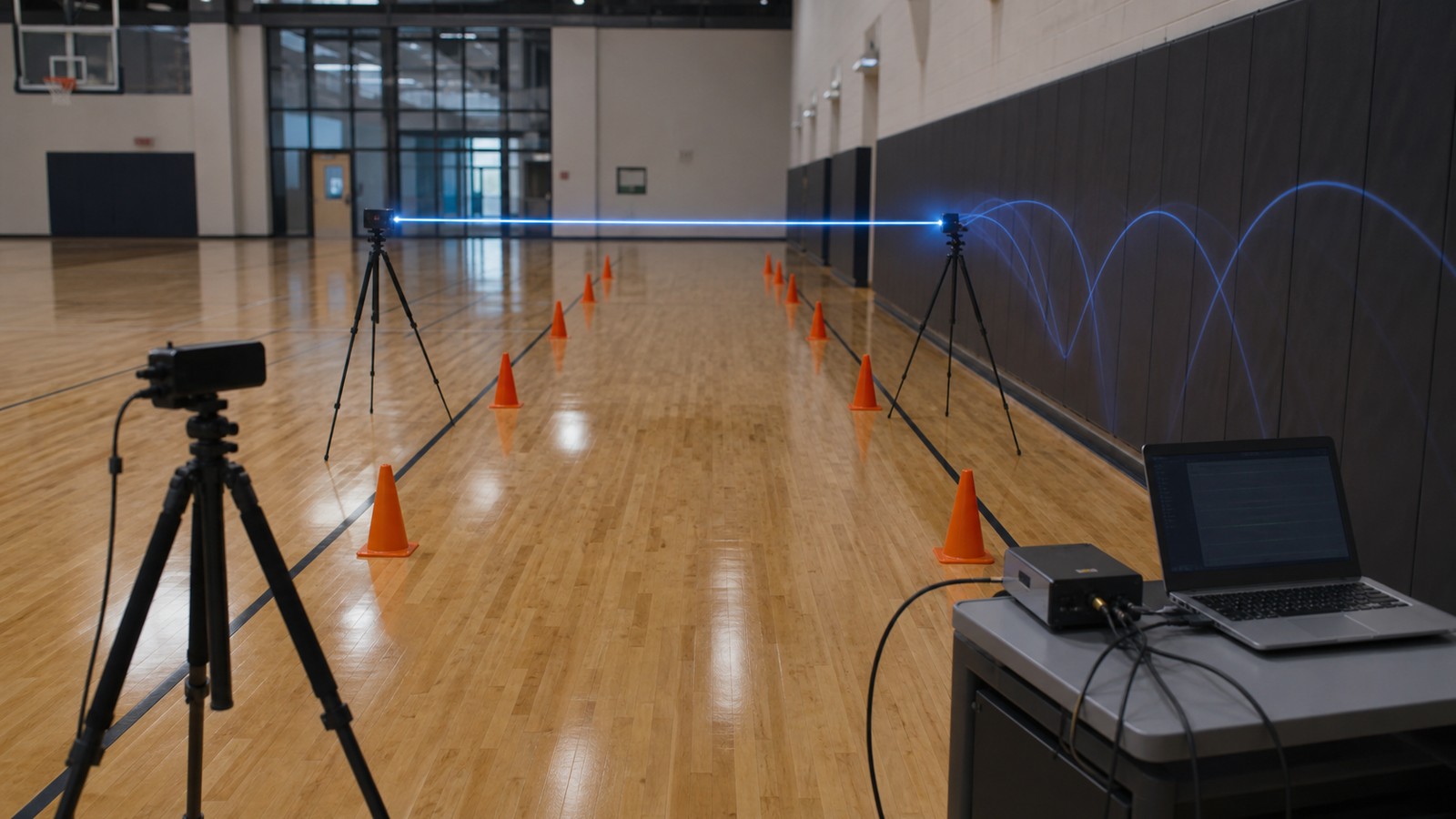
- Define the measurement: start/finish event, split time, distance zone or presence detection.
- Use a reference such as a photogate, timing mat or camera review for validation.
- Test line-of-sight, body blocking, mounting height and indoor reflections.
- Log raw readings and calculate spread, not just best-case results.
- Avoid claiming official race timing unless the system is certified and independently validated.
TVG’s earlier photogate versus phone-camera sports timing guide covers the reference side of this problem. Wireless ranging adds an excellent STEM layer, but only after the timing goal is clearly defined.
Keep the student claim narrow
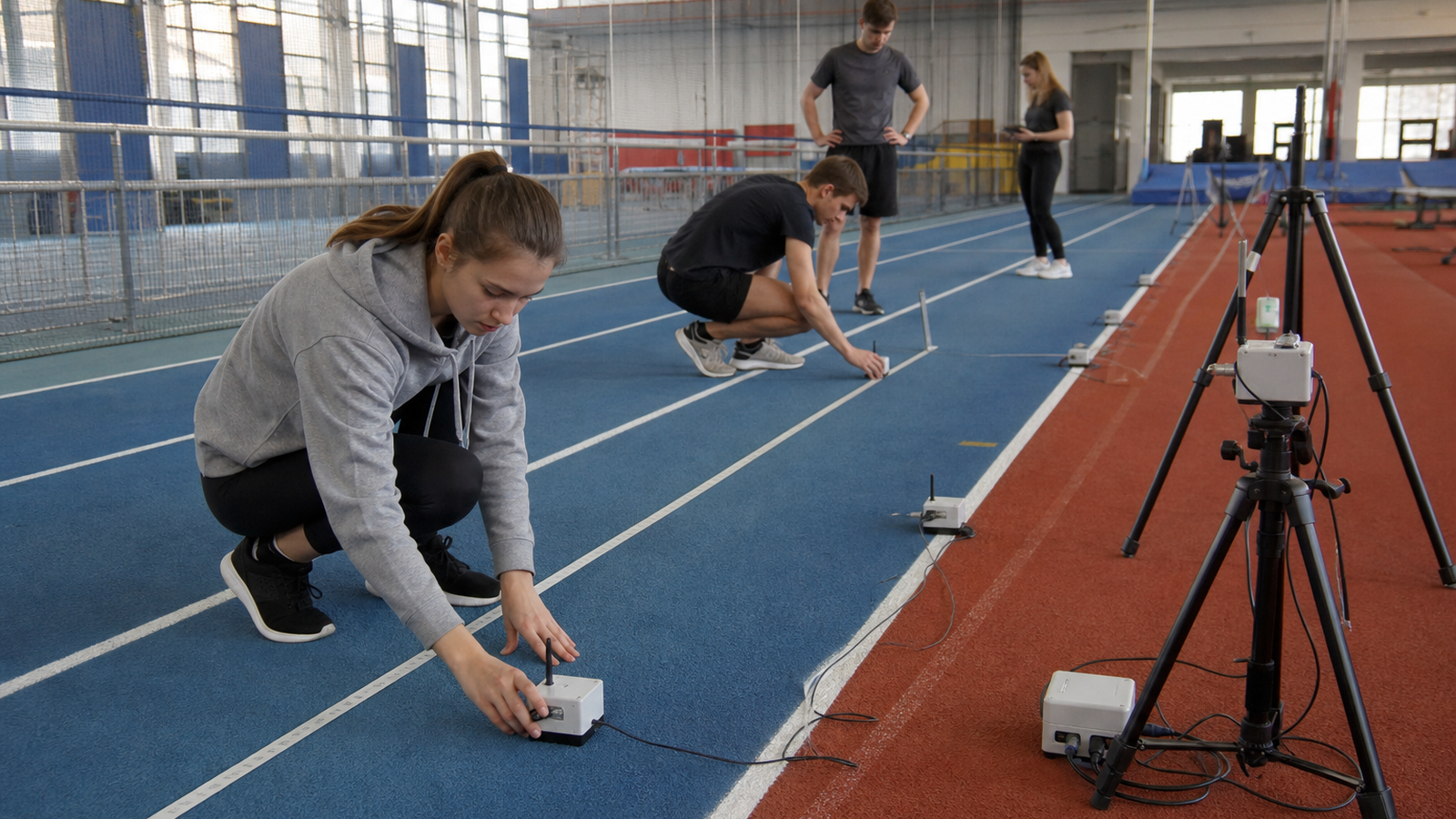
For a classroom or club project, the most credible result may be a small one: measuring whether a runner crossed a zone, comparing two mounting heights, or showing how body blocking changes wireless readings. Those are stronger STEM outcomes than a broad claim that a homemade system can replace certified timing equipment.
Teams should publish the test conditions with the result. Was the sensor on the floor, a tripod or a wall? Was the athlete between the radios? How many trials were logged? What was the spread between best and worst readings? Those details turn a wireless demo into an engineering report that another class can replicate.
Hardware availability matters
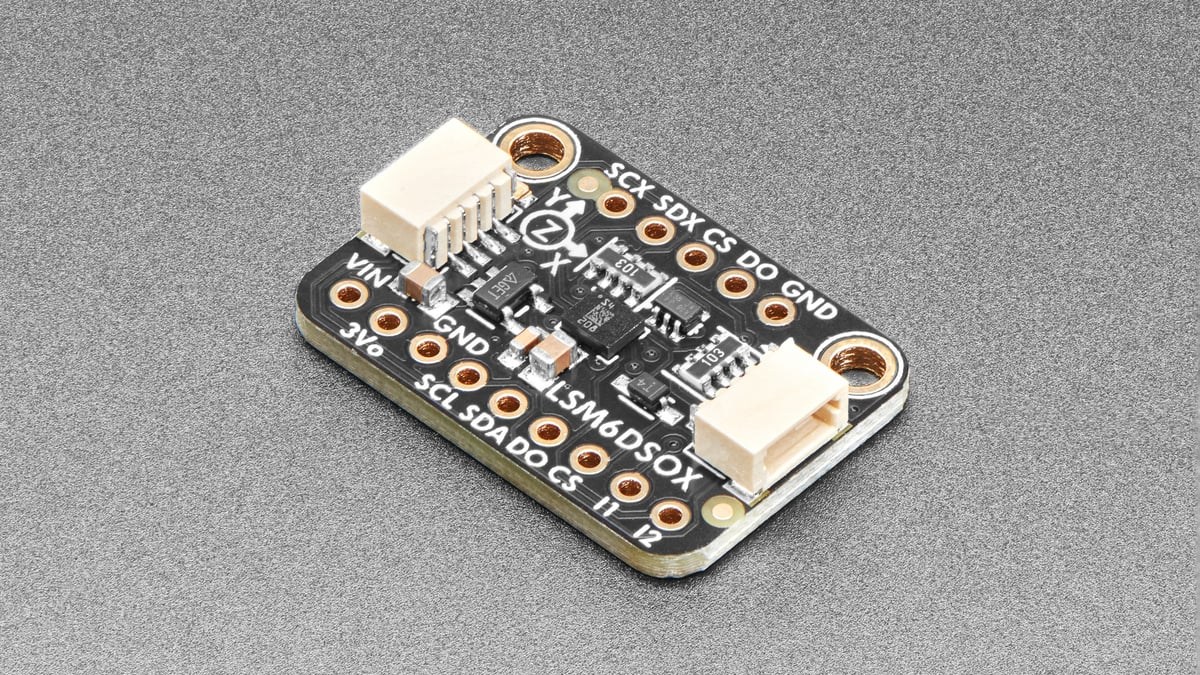
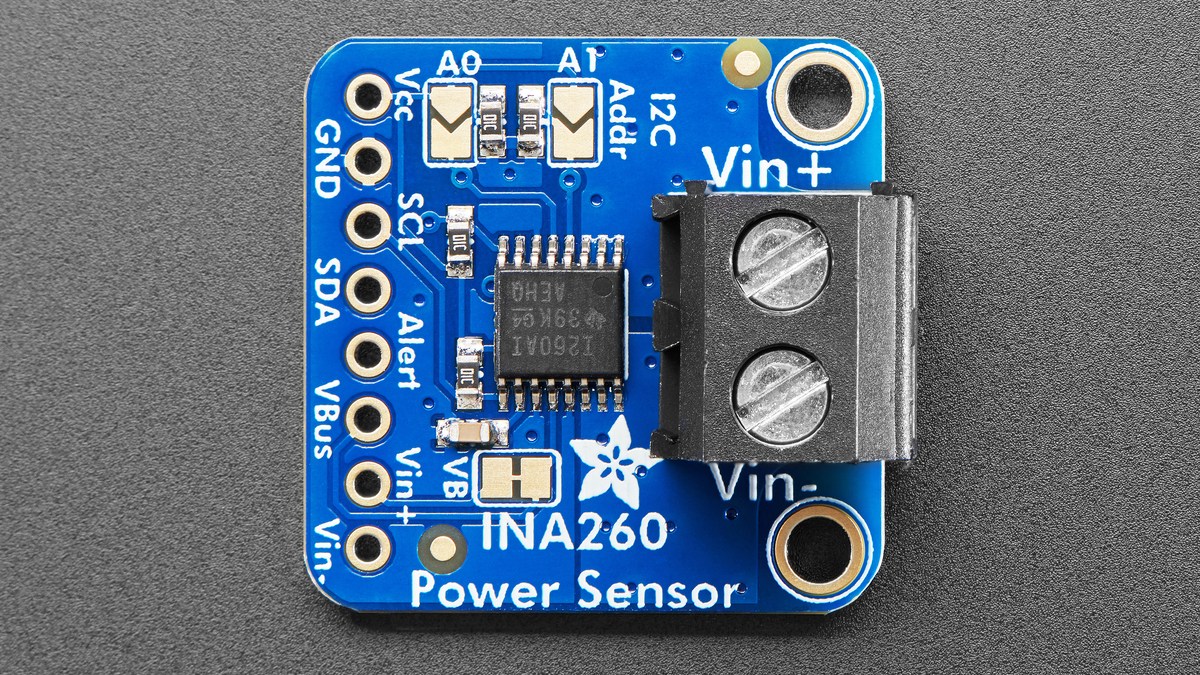
UWB development boards and modules are already common in maker projects, but they often require more setup discipline. Bluetooth Channel Sounding may eventually feel easier for students if it appears broadly in consumer devices and development kits. Until then, teachers should choose hardware based on the documentation and SDK support they can actually use in class, not only on the wireless standard’s theoretical capability.
TVG Take
UWB and Bluetooth Channel Sounding are both useful for sports-tech education when treated as measurement systems rather than black boxes. The winning student project is not the one with the flashiest module; it is the one that can show calibration data, limitations and a fair error budget.