Start a field-camera plan with the evidence you need, not the loudest camera spec. Action cameras are best when the subject direction is predictable. A 360 camera is better when the action moves unpredictably or you need to reframe later.
Quick answer
- Choose an action camera: fixed direction, simpler files, rugged mounting, lower-profile setup.
- Choose a 360 camera: unpredictable motion, sideline context, one-camera coverage, later reframing.
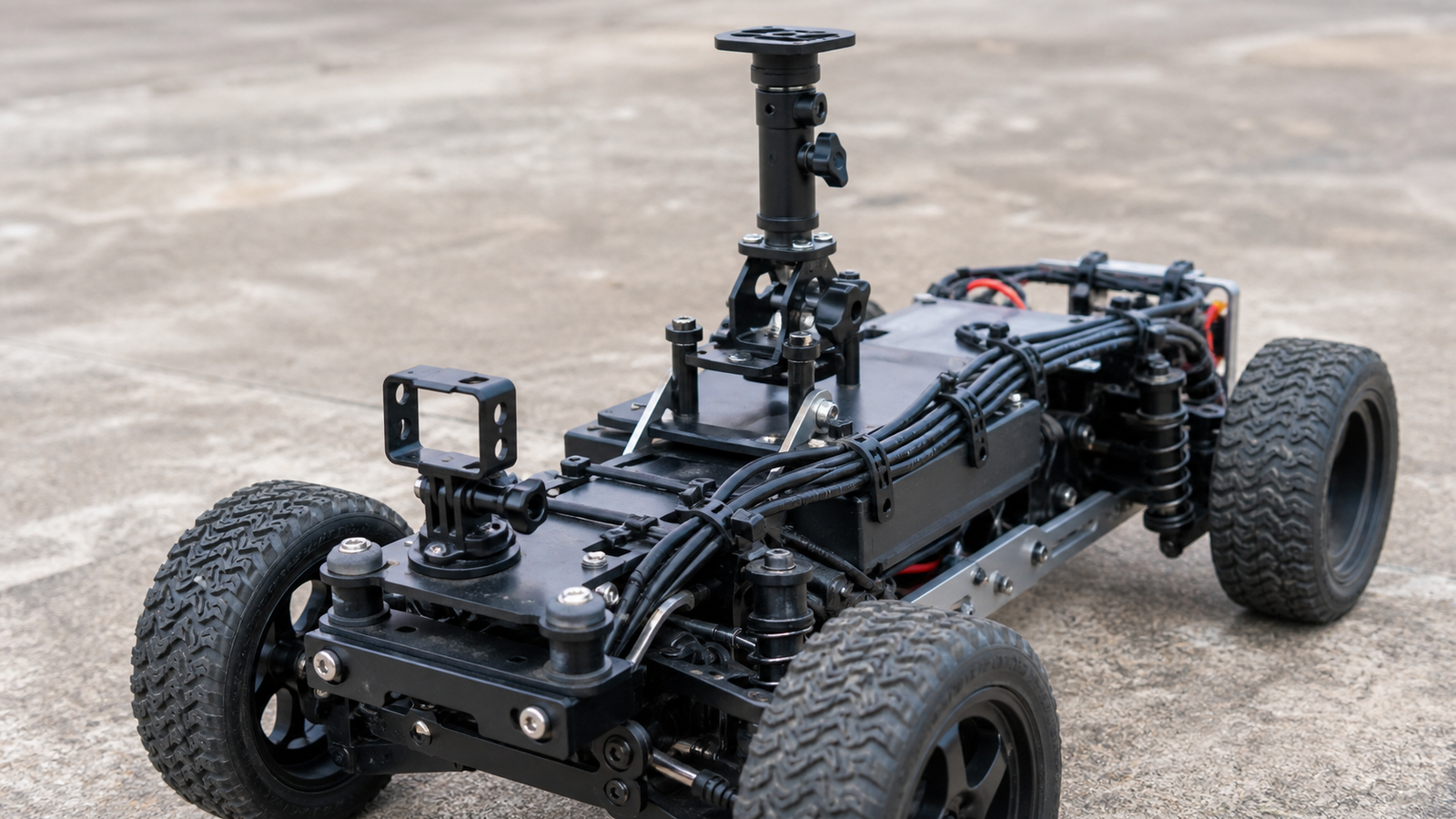
- Do not skip mounting: vibration, lens exposure, heat, battery, and cable strain can ruin otherwise good footage.
The failure mode is framing. If the robot turns away, the student steps outside the view, or the key contact happens just off-axis, the clip may miss the evidence. A narrow view can be better for detail but worse for context.
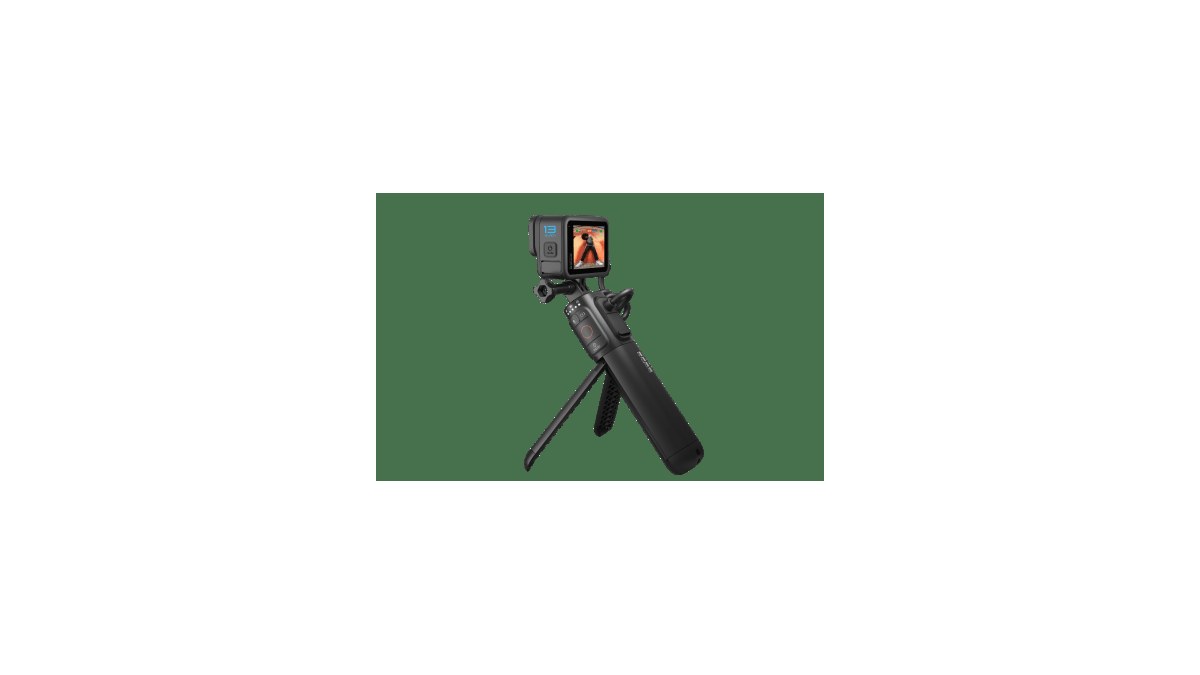
Action cameras also tend to be easier to protect. The lens area is usually on one side, mounts are mature, and replacement accessories are common. Heat and battery still matter, especially in sun or long recording sessions.
Where 360 cameras win
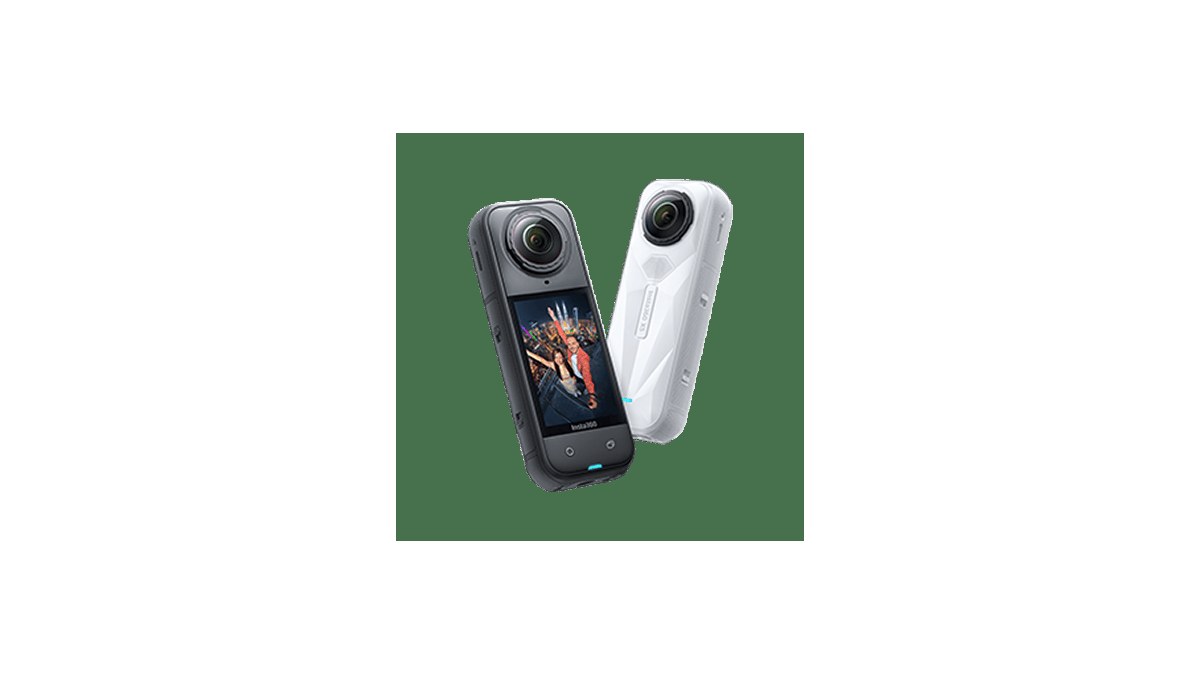
A 360 camera is useful when the interesting event can happen anywhere around the camera. A coach can reframe a play. A robotics team can review what happened behind the robot. A maker documenting a field repair can capture the workspace without constantly repositioning the camera.
The tradeoff is complexity. 360 footage creates large files, requires reframing or export decisions, and exposes protruding lenses to scratches. Mounts need more care because the camera sees the mount, the operator, and the surrounding mess.
This connects to TVG’s earlier 360-vs-action-camera field documentation guide. The best camera is the one that makes the failure reviewable after everyone is tired and the test has ended.
Field decision checklist
- Evidence: do you need detail of one mechanism or context around the whole scene?
- Mounting: can the camera survive vibration, impact, weather, and lens exposure?
- Battery and heat: will the camera run for the whole test in sun or inside an enclosure?
- File workflow: who copies, backs up, reframes, and labels the footage?
- Audio: do you need clear narration, event sounds, or just visual proof?
- Privacy and permissions: field and classroom footage may capture bystanders; plan before recording.
Sports-tech and STEM angle
For sports timing or STEM measurement, a camera is often a secondary evidence source. TVG’s photogate-vs-phone-camera guide covered why measurement method matters. Camera footage can support the test, but it should not replace calibrated timing or sensor data when precision matters.
A 360 camera can explain context. An action camera can show detail. Neither fixes a weak experiment design.
File management is part of the purchase
Small cameras can create large operational messes. A 360 camera may capture the whole scene, but it also asks someone to reframe, export, name, and archive clips. An action camera may produce simpler files, but multiple fixed views can multiply batteries, cards, and sync problems.
Before buying more cameras, write the field workflow: card size, battery plan, time sync, clip naming, backup location, and who is responsible after the event. Good footage that nobody can find two weeks later is not useful engineering documentation.
TVG Take
Do not buy the camera first and invent the workflow later. For field documentation, decide what failure you need to review, how long the test lasts, where the camera can be mounted, and who will manage files. The winner is the camera that makes the engineering review easier, not the one with the most dramatic sample footage.