GoPro announced two bundles for its compact cinema-camera line on July 29: MISSION 1 PRO Creator Edition and MISSION 1 PRO Ultimate Creator Edition. It also released a redesigned MISSION 1 Series Media Mod, the Volta 2 battery grip, a two-pack of Universal Adhesive Mounts and firmware for MISSION 1 and MISSION 1 PRO.
GoPro said the products were available through GoPro.com at announcement, with wider retail availability scheduled for August. US launch prices were $1,099.99 for Creator Edition and $1,199.99 for Ultimate Creator Edition. Pricing and availability vary by market.
What each kit includes
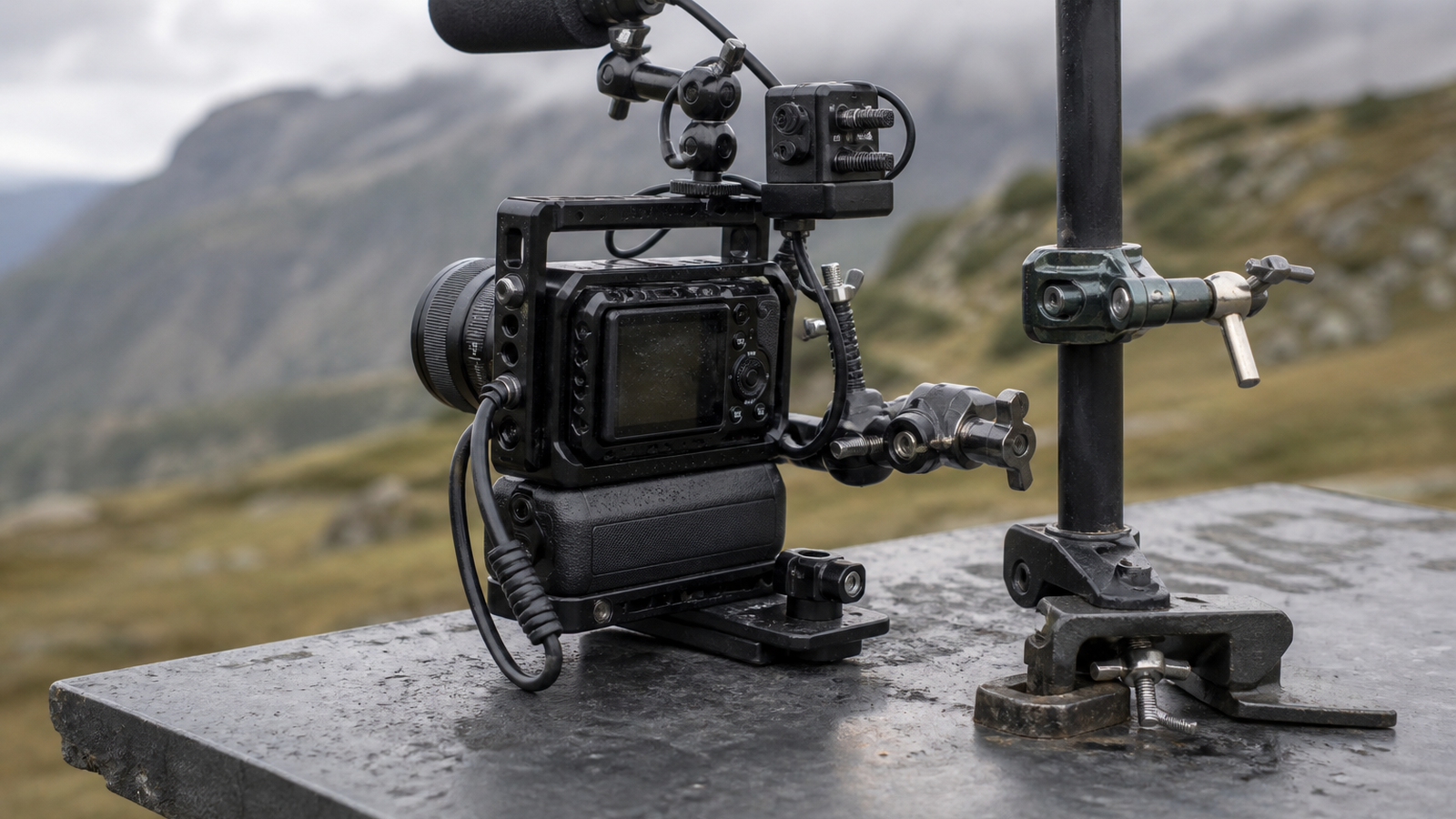
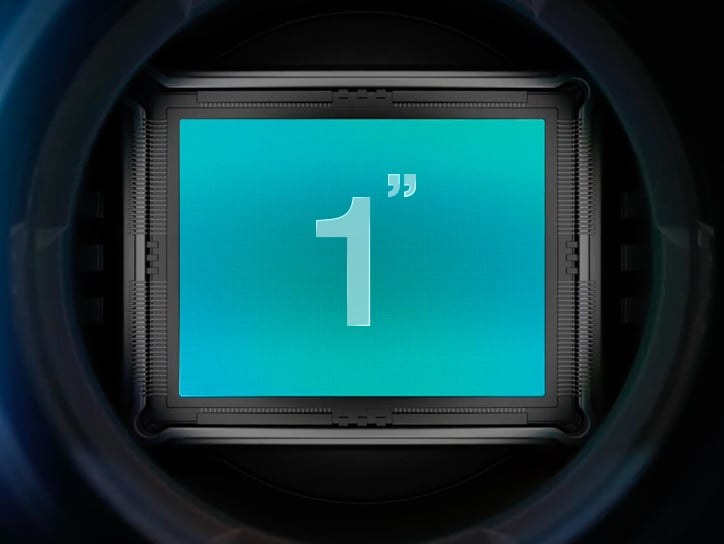
Both bundles use the existing MISSION 1 PRO camera, which GoPro specifies with a 50-megapixel 1-inch sensor and GP3 processor. Creator Edition includes the MISSION 1 Series Media Mod, Volta 2 Battery Grip and Wireless Mic Complete Kit. It is the package aimed at users who prioritize extra power, camera controls and wireless audio.
Ultimate Creator Edition instead includes the Fluid Pro AI gimbal, Wireless Mic Complete Kit, Light Mod 2 and Media Mod, shifting the emphasis to stabilization and lighting. GoPro’s July release does not list Volta 2 in the Ultimate bundle: the higher price therefore should not be read as including every component from Creator Edition. Checking the exact regional box contents is worthwhile before ordering.
New Media Mod and Volta 2
The redesigned Media Mod has a built-in multi-pattern microphone with eight pickup-pattern options. Its three 3.5 mm connections support an external microphone, line input for timecode synchronization and a headset for live level monitoring. Micro-HDMI output supports up to 4K60 for an external display, recorder or broadcast workflow. GoPro says the Mod has its own mounting system so the camera can be inserted or removed. Its US launch price was $149.99.
Volta 2 combines a powered grip, tripod and remote. It provides integrated camera controls, a 1/4-20 mount and a 5,800 mAh battery. GoPro rates it for up to nine hours of 4K30 recording and set a $139.99 US launch price. That runtime is a manufacturer maximum, not a TVG field result; actual endurance can change with recording settings, temperature and wireless use.
The $14.99 US Universal Adhesive Mount two-pack uses a flexible buckle base intended for curved or flat surfaces and waterproof adhesive. Users should follow GoPro’s surface-preparation and loading guidance, particularly when a failed bond could damage the camera.
Firmware changes
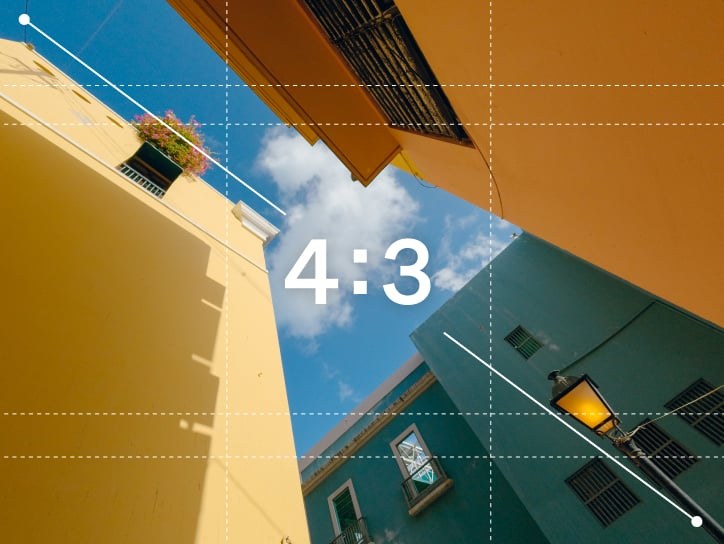
GoPro says the update adds support for the MISSION 1 accessory range, including Media Mod and Volta 2. Announced image changes include improved contrast and tone tuning in Dive mode, better color accuracy and revised cinematic motion-blur tuning. The update is available through the GoPro app or GoPro.com.
TVG has not tested the bundles, accessories or firmware, so the release does not establish real-world battery life, microphone quality, HDMI or timecode reliability, gimbal tracking, thermals or long-session stability. Before buying, compare each bundle’s included accessories with the items actually needed, check current regional pricing and install compatible camera firmware.