Sports technology is a strong STEM entry point because the experiment is easy to understand. A runner crosses a line. A ball moves through space. A robot races across a floor. The measurement tool, however, changes what students can trust.
Two common approaches are photogate timing and phone video analysis. They are not interchangeable.
Quick answer
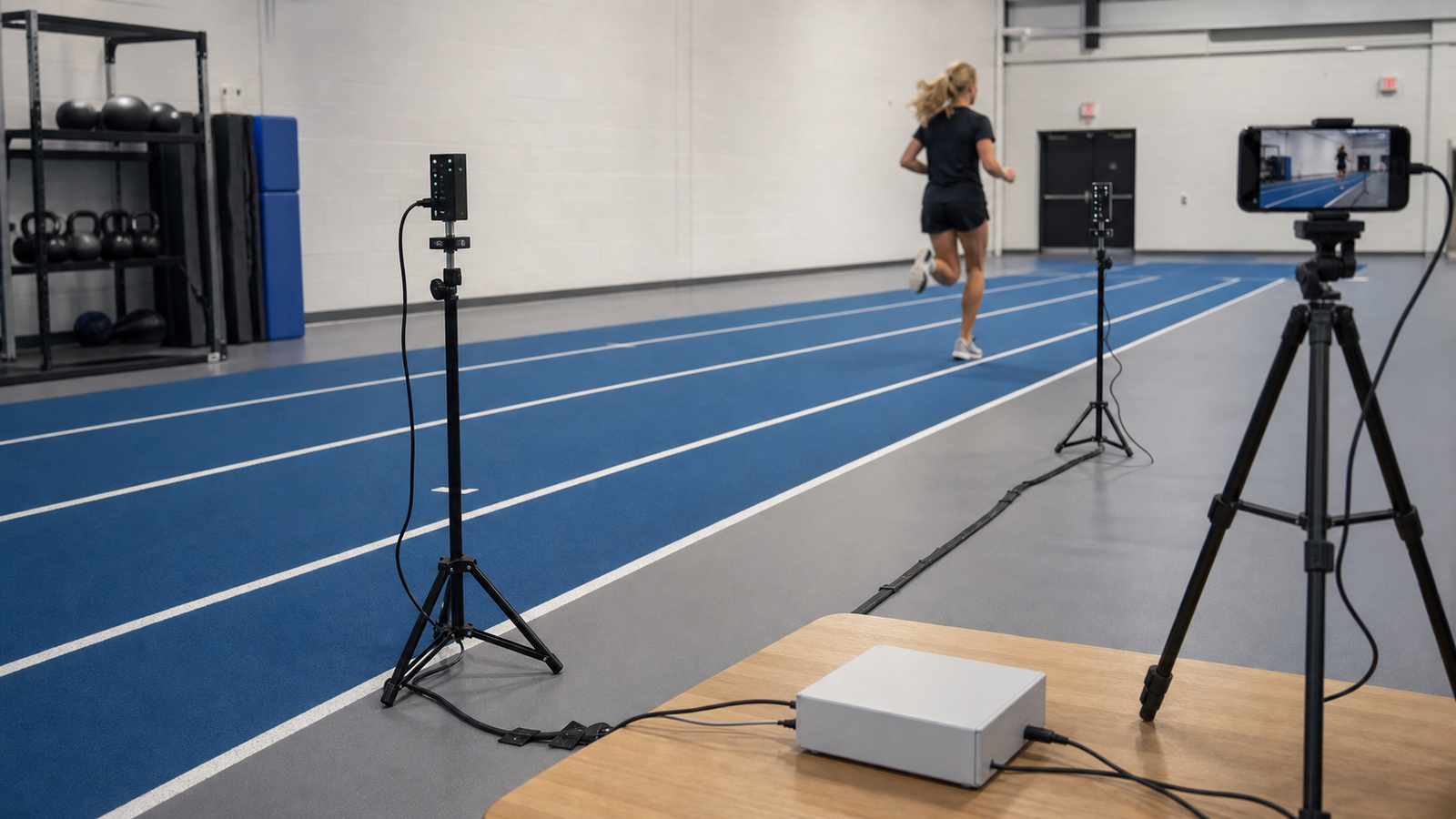
Use photogates when the project needs clean event timing: start line, finish line, lap split, wheel rotation, or object passing through a beam. Use phone video when the project needs motion context: body position, trajectory, technique, or frame-by-frame explanation. For the best STEM lesson, combine both and compare where they disagree.
What photogates measure well
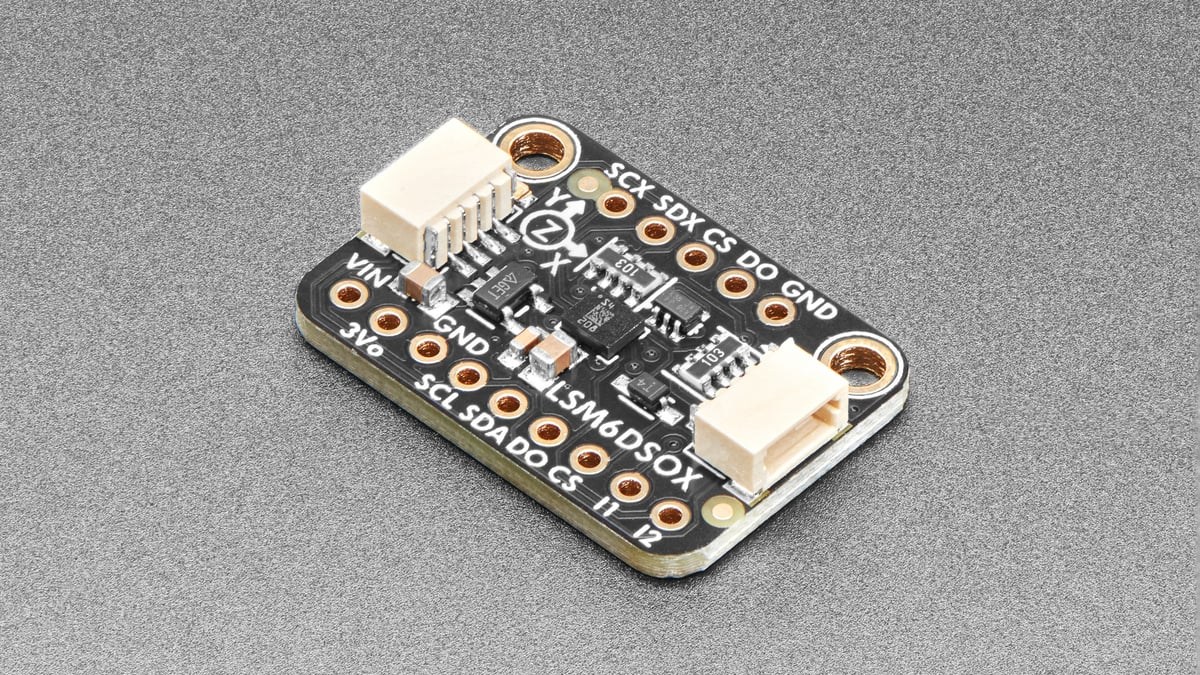
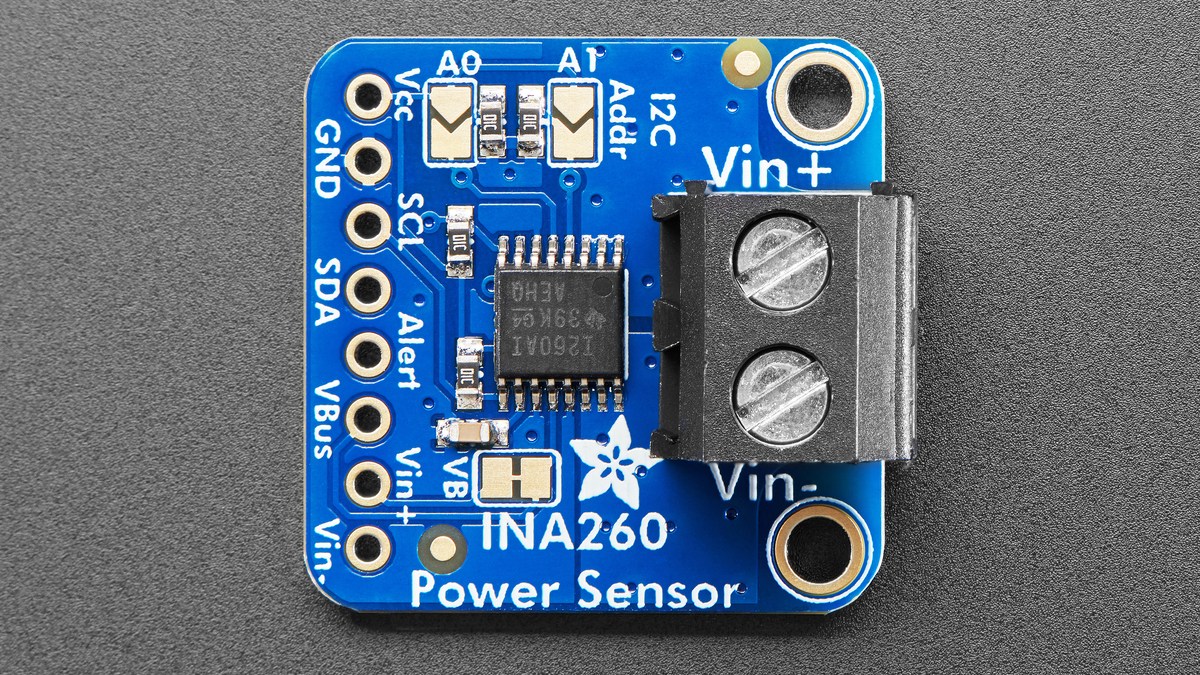
A photogate detects when an object interrupts a light beam. Vernier sells classroom photogates for timing motion experiments, and maker-friendly break-beam sensors from suppliers such as Adafruit can be used in Arduino or microcontroller projects.
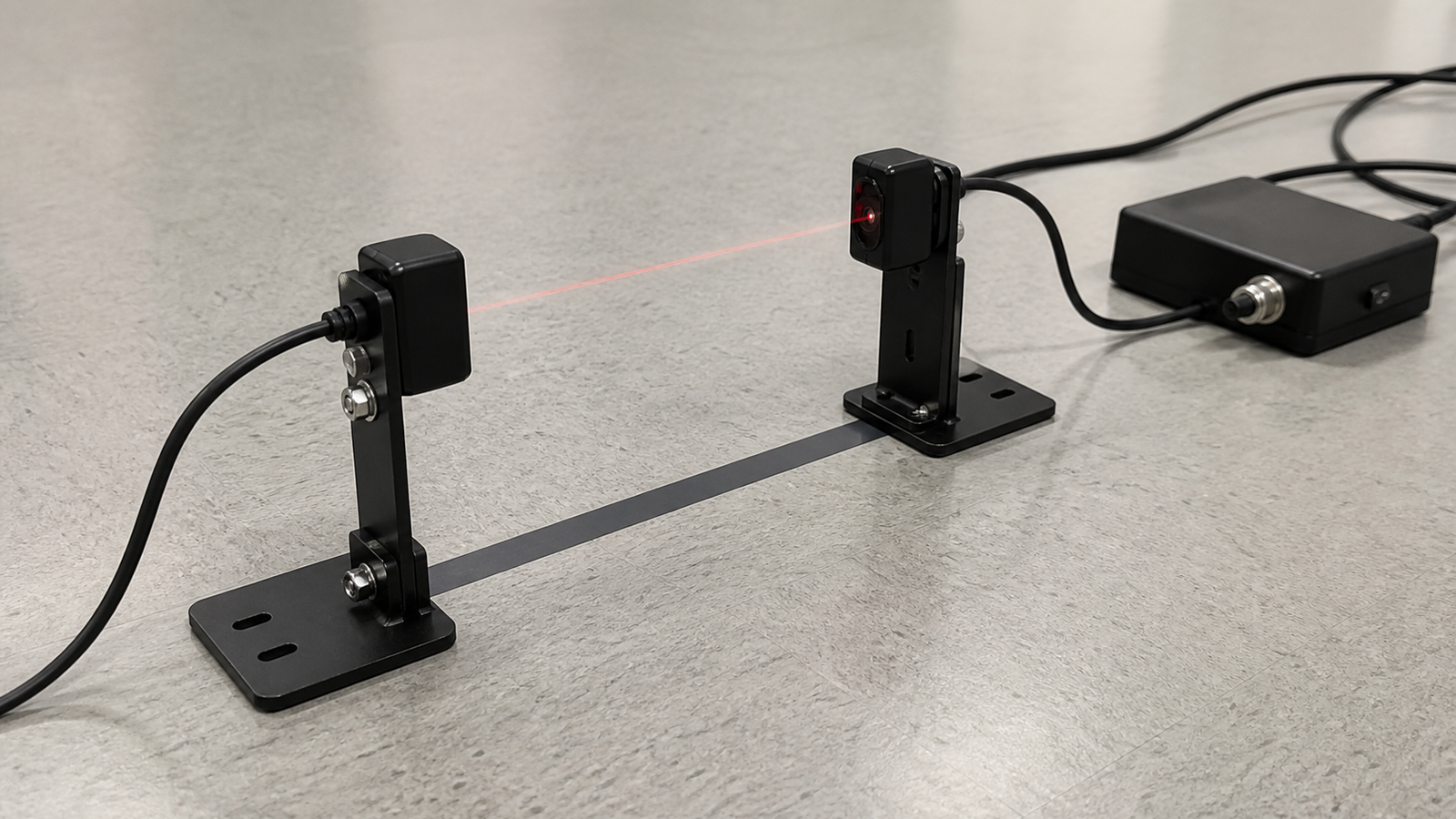
The strength is clean timing. If the beam is aligned and the object clearly breaks it, students can measure elapsed time without manually tapping a stopwatch. That is useful for sprint gates, marble tracks, robot drag races, wheel-speed tests, and repeatability studies.
The weakness is context. A photogate knows that something crossed the beam. It does not know whether a runner leaned early, whether a robot bounced, whether a ball spun, or whether a student accidentally blocked the sensor with a hand.
What phone video measures well
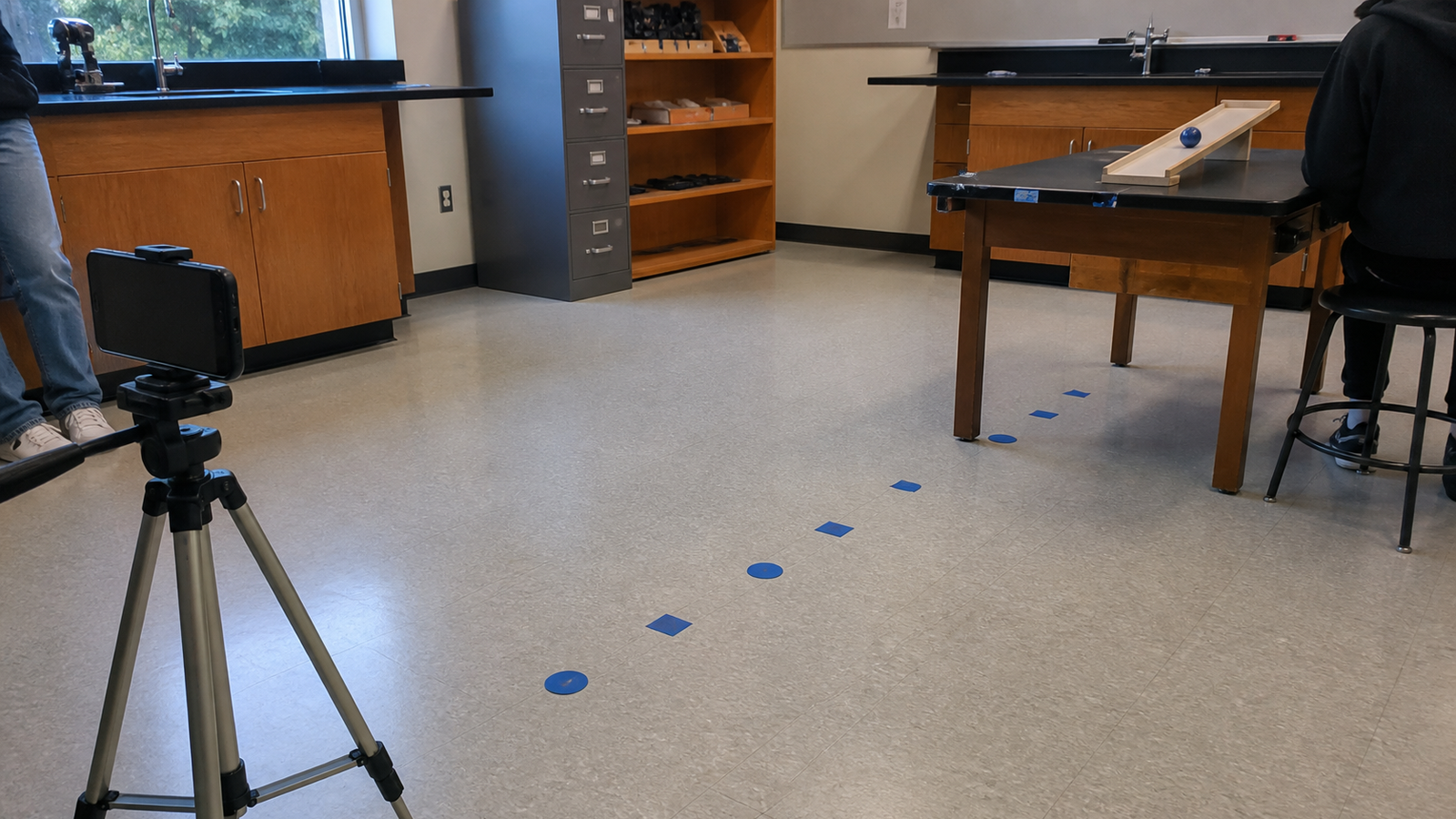
Video analysis tools such as Tracker let students inspect motion frame by frame. A phone or tablet can capture the event, and software can help students mark positions over time.
The strength is visual explanation. Students can see why a result happened. They can study stride length, launch angle, robot path drift, or the moment a wheel slips. Video is also easier to present to a class because the evidence is visible.
The weakness is measurement discipline. Frame rate, shutter speed, camera angle, lens distortion, lighting, and scale calibration all affect results. A phone video project can look convincing while producing poor data if students do not control the setup.
Decision table
- Short sprint split: photogate first, video optional for form review.
- Robot line-race consistency: photogates for timing, overhead video for path drift.
- Ball trajectory: video first, photogate optional for launch speed.
- Wheel RPM: photogate or optical sensor first, video only for setup explanation.
- Inclusive classroom participation: choose the method students can trigger, observe, and explain safely.
Build notes for maker classrooms
If using IR break-beam sensors, mount the emitter and receiver rigidly. Tape on cardboard is fine for a first demonstration, but a repeatable experiment needs a bracket or printed holder. Keep cables strain-relieved so a student walking by does not move the sensor halfway through a trial.
For phone video, use a tripod or fixed stand. Put the camera perpendicular to the motion path, avoid panning, and include a known scale object in the same plane as the motion. Bright, even light is more important than cinematic footage.
Both setups should include a trial log. Record sensor spacing, camera frame rate, lighting, surface, object, and any failed runs. That documentation turns a fun activity into an engineering exercise.
Accessibility and participation
Sports-tech projects should not require every student to be an athlete. One student can align sensors, another can run the microcontroller code, another can analyze video, and another can explain uncertainty. TVG’s guide to adaptive switch inputs in STEM robotics is a useful companion for making measurement projects more inclusive.
The same measurement thinking also appears in transportation projects. A sensor that seems simple can hide important behavior, as TVG covered in its e-bike torque sensor versus cadence sensor guide.
TVG Take
Photogates are better for timing events. Phone video is better for explaining motion. The strongest STEM sports-tech project uses the disagreement between the two as the lesson: measurement is never just the number at the end.