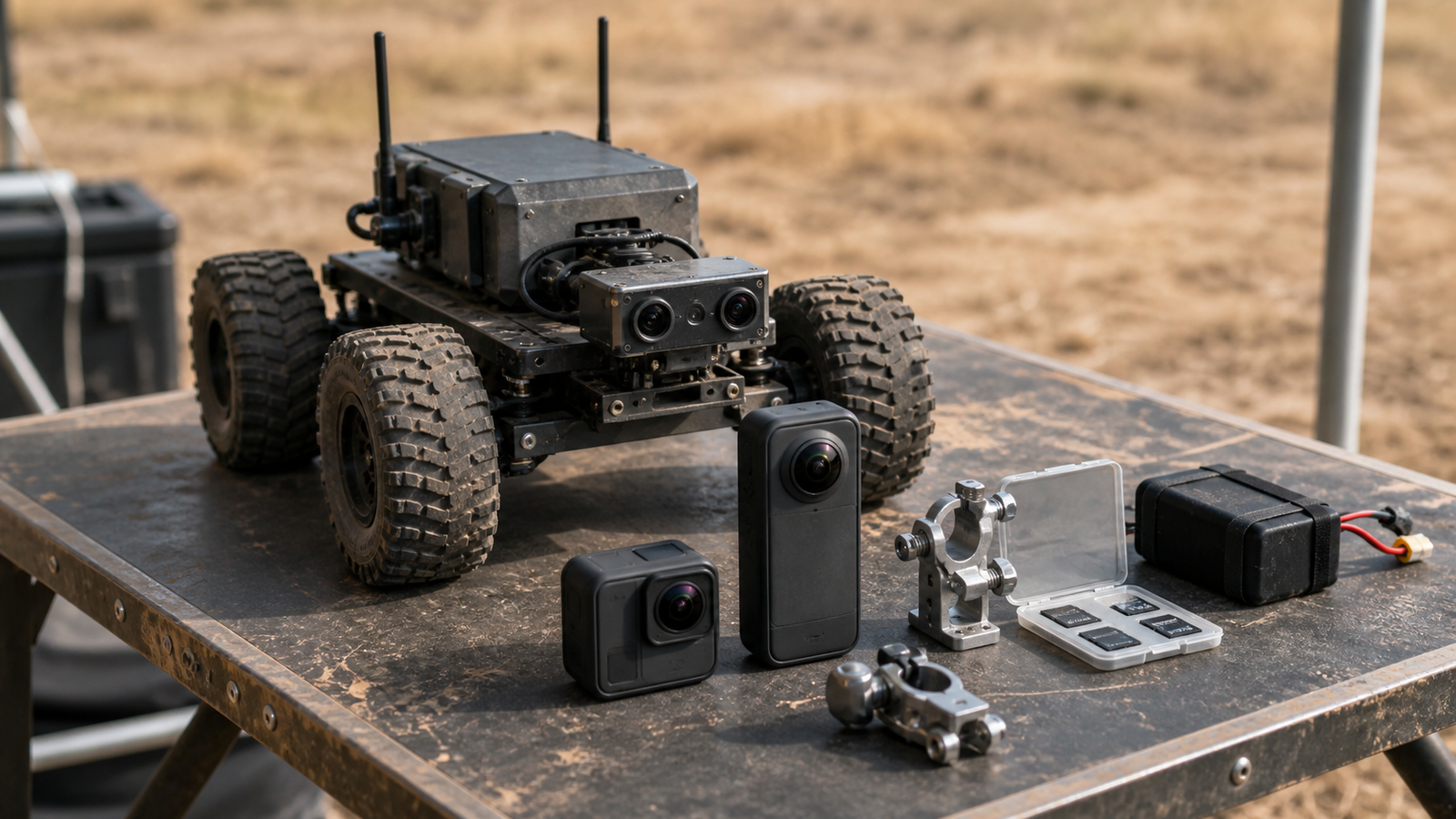
A 360 camera and an action camera both look like simple ways to document a robot test. They are not interchangeable. One records context around the test area. The other records a directed view from a specific mounting point.
That difference matters for student robotics, sports-tech timing gates, drone practice, and maker field tests. The best camera is the one that captures the evidence the team will actually review later.
Quick answer
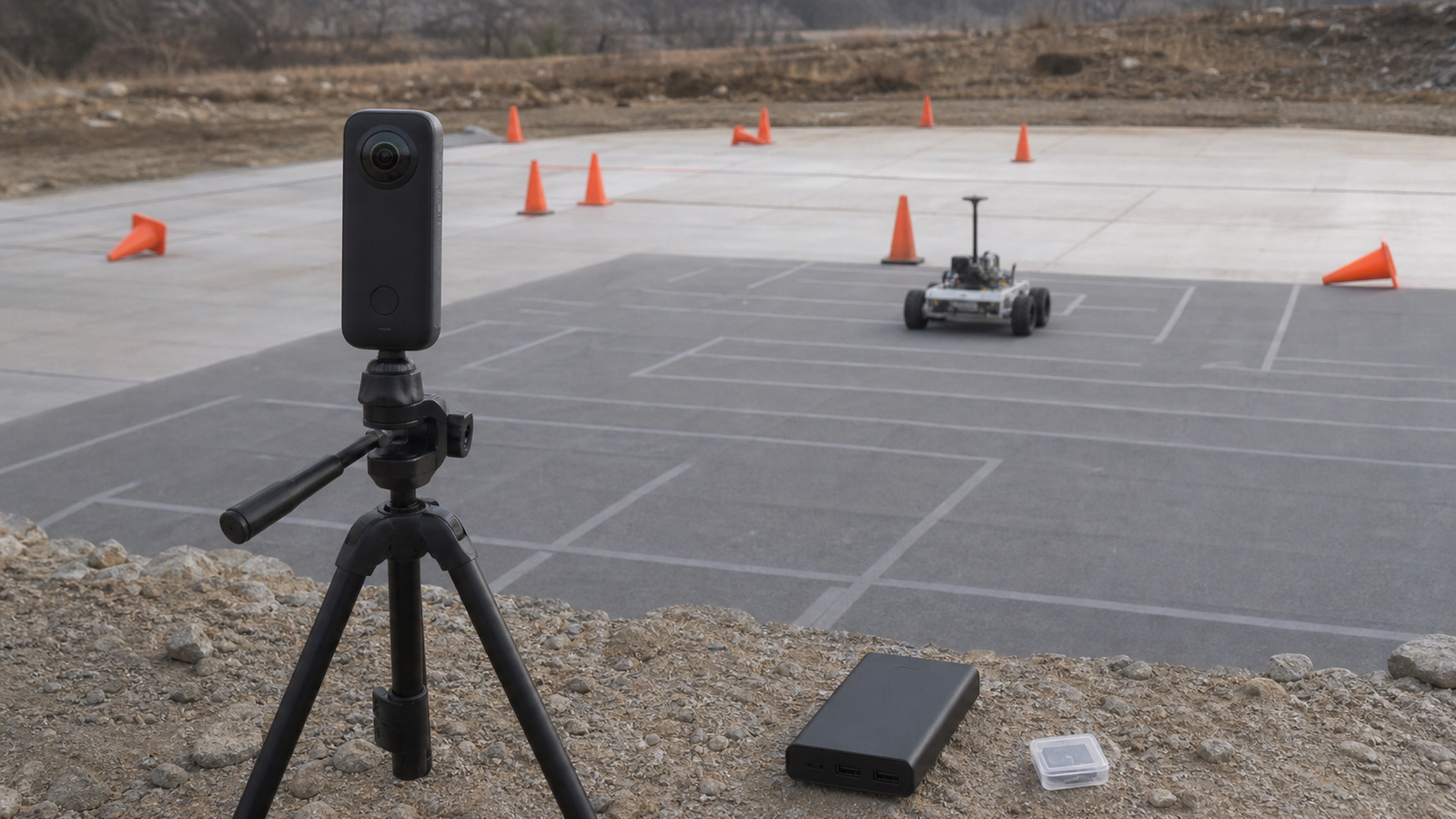
Use an action camera when you need a rugged forward view, mechanism view, or driver-perspective clip. Use a 360 camera when you need context: where the robot went, who entered the test area, how cones moved, or what happened outside the narrow frame. Serious test days often use one of each.
What each camera is good at
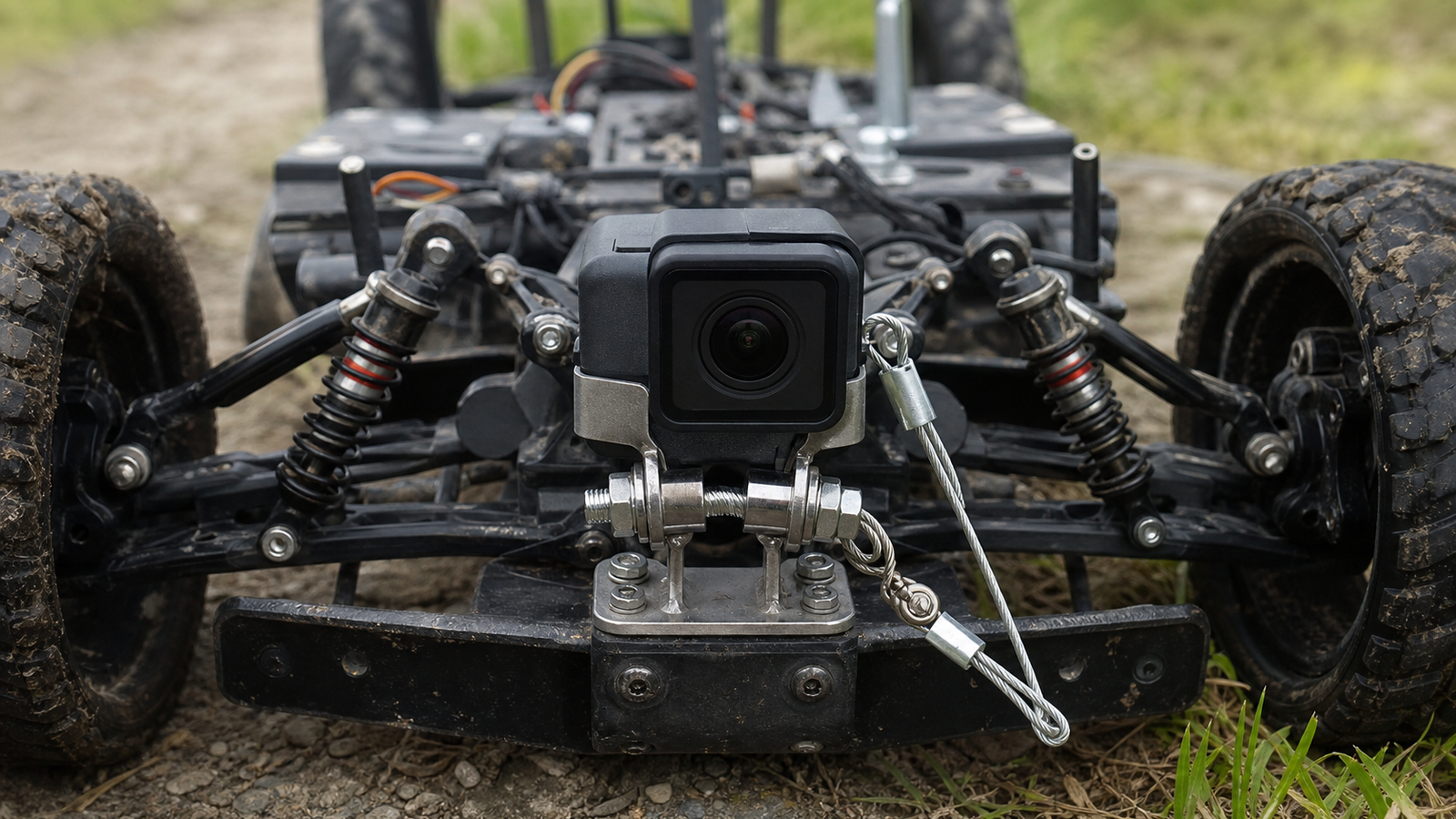
GoPro’s HERO line and similar action cameras are built around rugged, directed capture. They are useful when the angle is known: front bumper, intake, mast, overhead jig, or driver station. A 360 camera from vendors such as Insta360 captures a wider scene and lets the useful view be reframed later.
That reframing is helpful when nobody knows where the failure will happen. It is less helpful when the team needs the sharpest possible close-up of a connector, wheel, game piece, or sensor target.
Buyer-readiness checks
- Mounting: can the camera be mounted safely without entering a wheel, belt, or pinch zone?
- Heat: long stationary recording in the sun can matter more than advertised resolution.
- Storage: high-bitrate video requires the right card and a field offload plan.
- Audio: test notes spoken near the camera may be more useful than music-ready sound.
- Review workflow: 360 footage can take longer to reframe, export, and archive.
- Safety: every mount needs a tether or fail-safe if it rides on a moving robot.
Evidence beats specs
For TVG-style field work, the camera choice should start with the evidence question. Did the robot lose traction at the turn? Did the sensor miss the target? Did a student step into the frame? Did the intake bounce? A single wide view may answer some of those questions. A fixed mechanism view may answer others.
TVG’s action-camera storage and heat guide covers one common trap: recording mode is only useful if the camera, memory card, battery, and temperature can sustain it.
TVG Take
Do not buy a field camera by resolution alone. Buy by evidence path. The action camera answers focused mechanical questions. The 360 camera answers context questions. The strongest robot documentation kit names both questions before test day, then checks mounting, heat, storage, and review time.