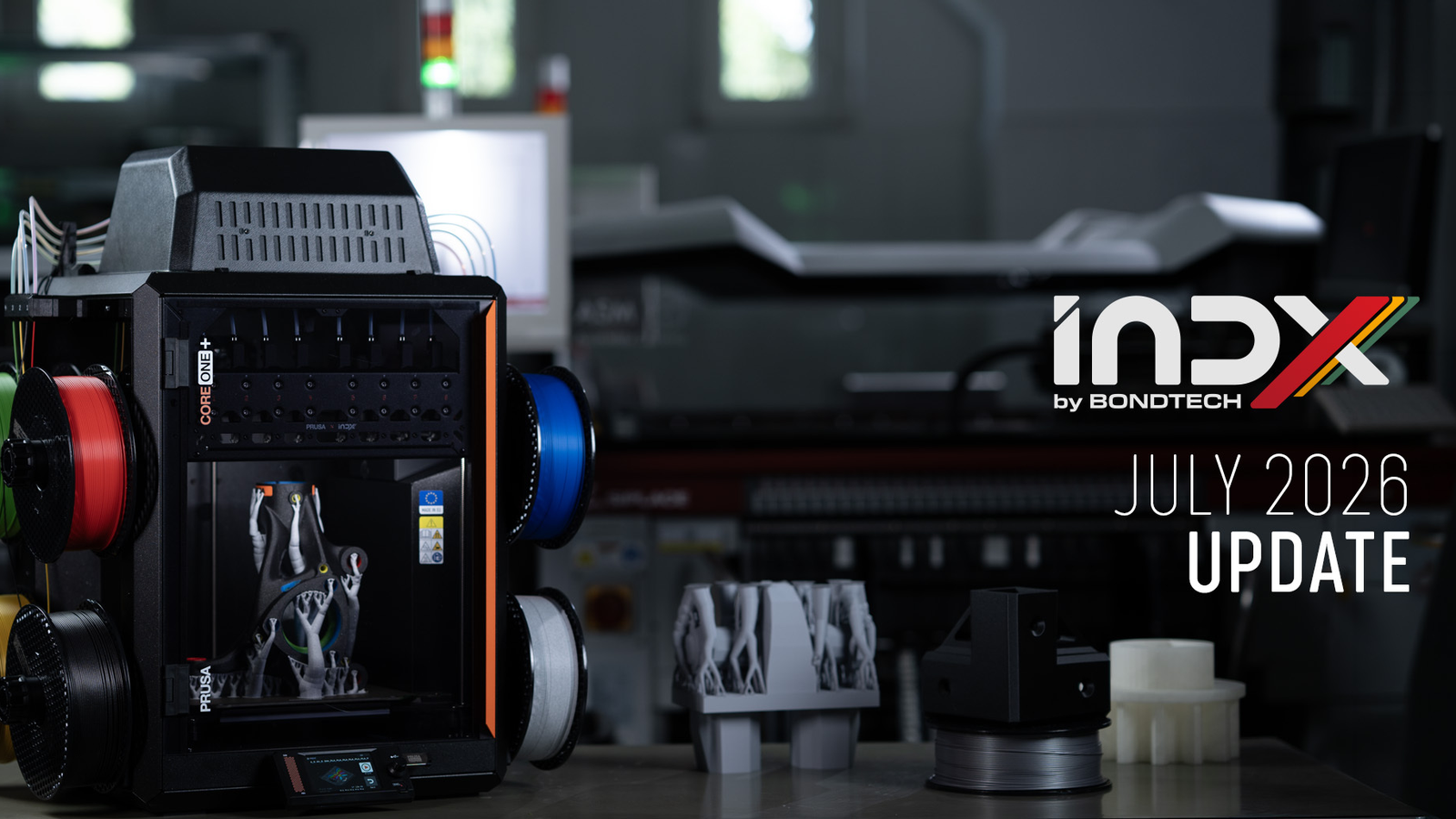
Prusa’s July 2026 INDX update says the Bondtech INDX Founders Edition is already reaching early adopters and that the standard INDX Conversion Kit for CORE One/+ is scheduled to start leaving Prusa’s factory by the end of July, with the first batch expected to ship by the end of August.
That is not a review result, and TVG has not tested the hardware. But the update is useful because it highlights the real buyer question for multi-material upgrades: is the printer, slicer profile and maintenance routine ready for the added complexity?
What changed in the update
Prusa says its current work is focused on print profiles, PLA quality, advanced-material support and user experience improvements. The company also notes that the adjusted schedule followed Founders Edition delays. For a maker lab, those details matter more than a simple shipping date because multi-material systems succeed or fail on repeatability.
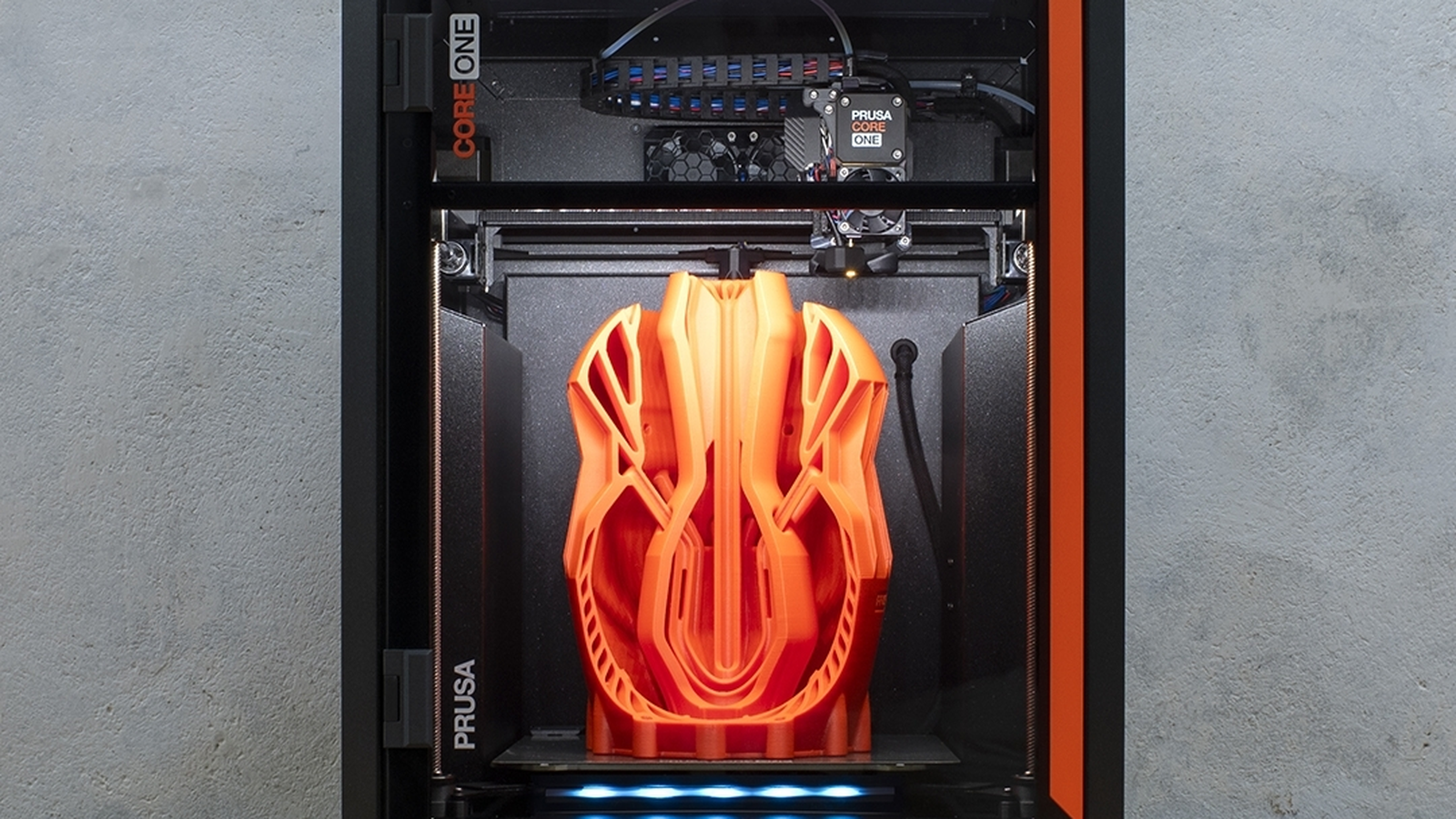
Readiness checklist before upgrading
- Baseline the printer first: record current single-material print quality, belt tension checks, first-layer reliability and failure rate.
- Plan purge and waste handling: multi-material printing adds color/material transitions that can increase time and waste.
- Separate material profiles: PLA success does not prove PETG, ASA, TPU or soluble-support success.
- Check service access: more filament paths mean more places for jams, debris and calibration drift.
- Document slicer settings: a classroom or shared lab should version profiles instead of letting every user improvise.
The most common mistake is treating a conversion kit as a one-time hardware install. In practice, it becomes a workflow change. Teams need storage for more spools, labels for material paths, rules for color swaps and a fallback process when a multi-material job fails halfway through.
That matters especially in shared spaces. One person may tune the printer, another may slice the file and a third may remove the print after hours. If those handoffs are undocumented, a failed multi-material job can become almost impossible to diagnose. A simple sheet that records material brand, nozzle size, profile name, purge settings and failure notes will do more for reliability than another round of guesswork.

Who should wait
A lab that still struggles with bed adhesion, wet filament or nozzle maintenance should solve those problems first. Multi-material printing magnifies small reliability issues. A lab with stable single-material output, spare maintenance time and a real need for color, support material or functional material changes is a better candidate.
The readiness test is simple: run a week of normal prints, write down every failed job, then decide whether the failure would become easier or harder with more filament paths. If the answer is harder, the upgrade can still be worth it, but the lab should budget time for training and validation rather than assuming the first complex print will be production-ready.
TVG Take
INDX may become an important upgrade path for Prusa CORE One/+ users, but the responsible buying question is not only “when does it ship?” It is whether the lab can support the calibration, materials and troubleshooting burden that comes with a more capable toolhead system. Treat the first month after installation as validation time, not production time.