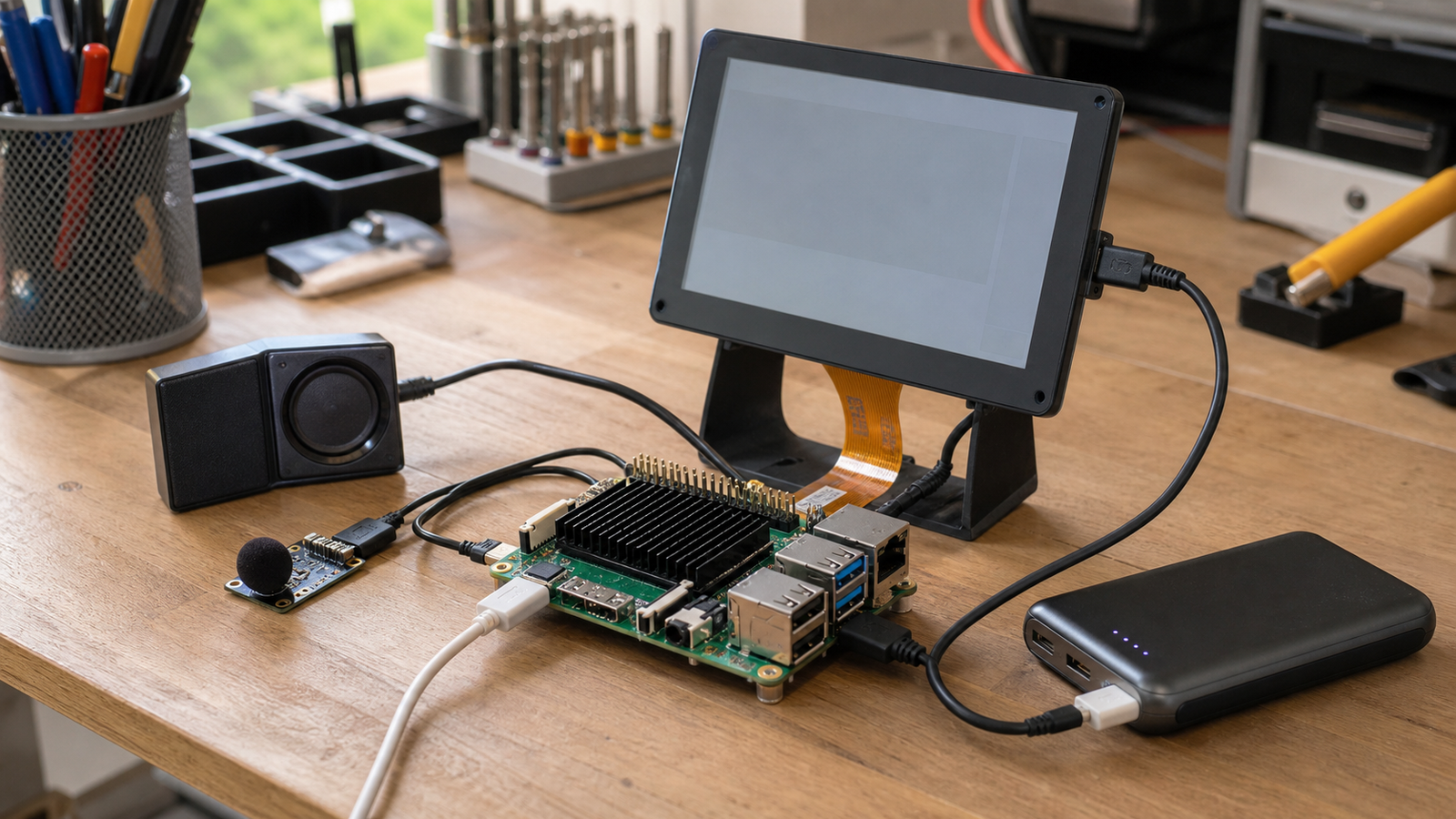
A new maker project covered by CNX Software puts a multilingual interpreter on a Raspberry Pi 5 using Google’s Gemma family and LiteRT runtime pieces. The headline is not that a small computer can run an AI demo. The more useful story is what this kind of project reveals about local AI appliances.
CNX describes Gemma Translator as a Raspberry Pi 5 project with a local LLM server, Python API, React front end, small-screen interface, and a unified startup script. Google positions Gemma as a family of open models for developers, while Raspberry Pi 5 gives makers a compact board with enough I/O, display support, and community tooling to build appliance-style prototypes.
Why it matters
Translation is a strong test case because it is easy to understand and hard to make dependable. A field translator has to handle audio capture, latency, language selection, speaker output, power, thermal behavior, and graceful failure. If any one layer breaks, the appliance stops feeling useful.
That makes the project relevant beyond language. The same edge-AI pattern appears in inspection assistants, shop-floor prompts, classroom explainers, maintenance kiosks, and offline field tools.
The engineering signal
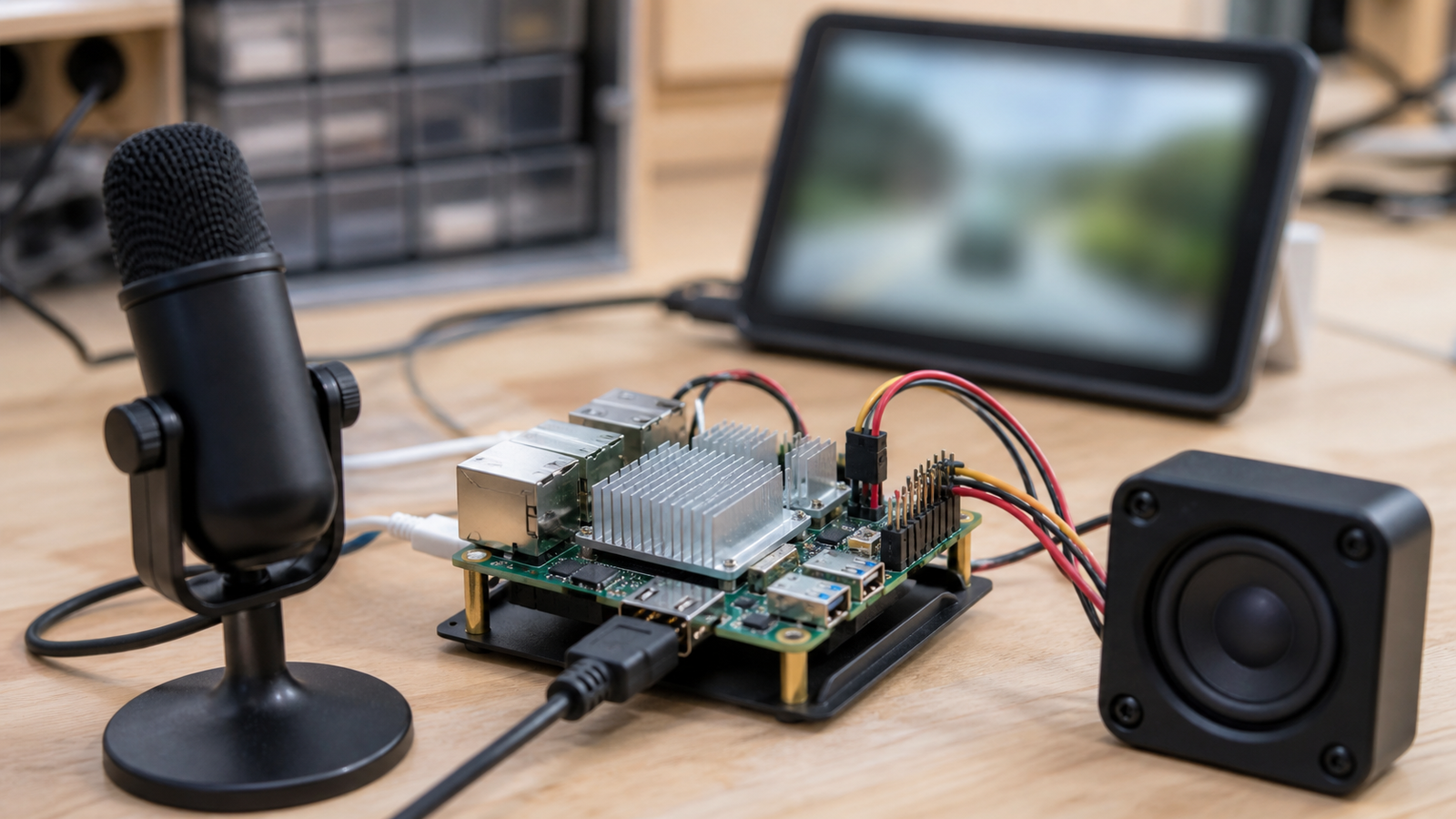
TVG has not tested Gemma Translator, so this is not a performance review. The engineering signal is that local AI projects are moving from terminal demos toward self-contained tools. That shift raises different questions: how fast the first answer arrives, how the system recovers after power loss, what happens without a network, and whether the user can understand the interface without a developer nearby.
A Raspberry Pi 5 is attractive for this kind of build because the platform is familiar, affordable, and easy to document. It is also constrained enough to expose bad design choices quickly. Oversized models, weak cooling, fragile scripts, or unexplained setup steps become obvious when the goal is an appliance instead of a lab demo. TVG made a similar point in its Raspberry Pi AI projects book coverage: local AI becomes useful when the build path is repeatable, not when the demo merely runs once.
What remains unknown
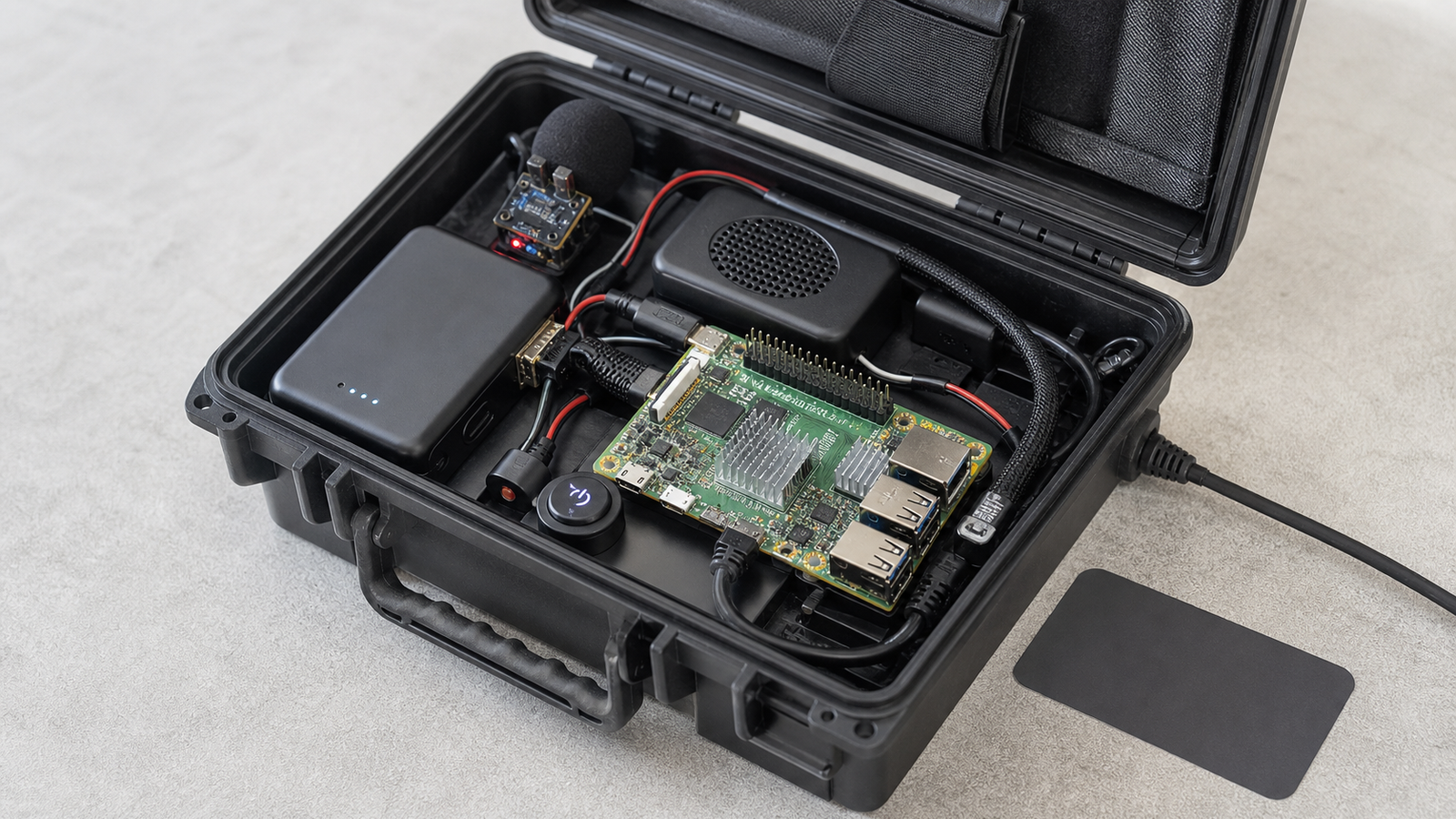
The public coverage does not answer the questions that would matter before deploying a translator in a classroom, workshop, or event booth: language coverage under noise, latency on longer phrases, battery life, heat under repeated use, and how the system handles mistakes. Those need repeatable tests, not screenshots.
TVG Analysis
TVG’s read is that Raspberry Pi local-AI projects are entering the appliance phase. The winner will not be the flashiest demo. It will be the build that starts reliably, explains its limits, works offline when promised, and can be repaired by the person who owns it.
Related TVG reading
For readers building the same engineering context, these TVG Report pieces connect the current topic to practical hardware, field workflow, and maker-lab decisions:
- mmWave Presence Sensors Need Better Placement Tests Than a Smart-Home App Can Give Them
- Matter 1.6 Makes Smart-Home Labs a Better Test Bed for Setup, Cameras, and Multi-Ecosystem Control
- Field Camera Mounting Plans Matter More Than Camera Specs for Robot and Sports-Tech Tests