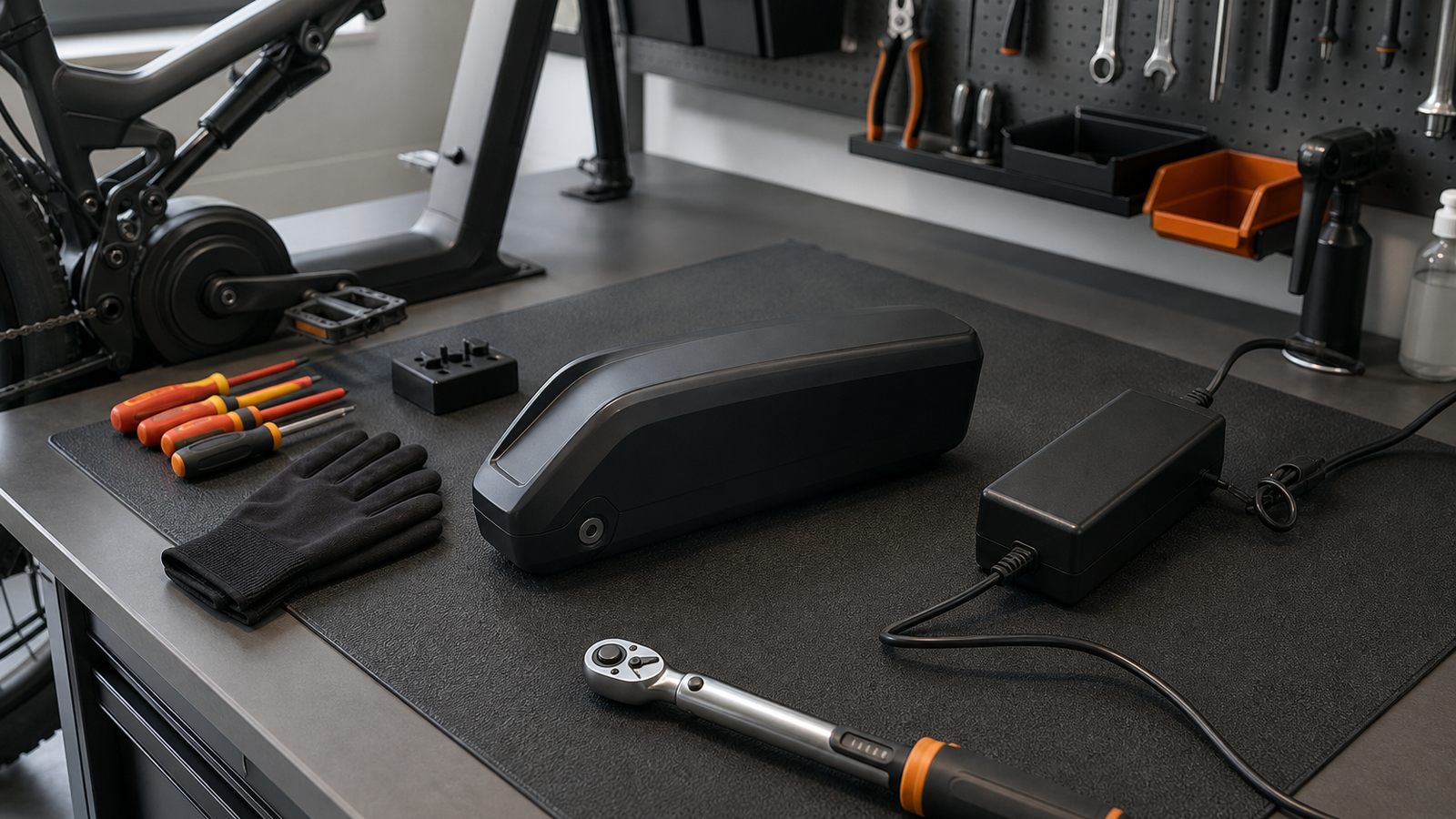
E-bike buyers often compare range, motor power and price first. The battery system deserves to come earlier. A high-capacity pack is not automatically a safer or better pack, and an inexpensive replacement battery can become the most important reliability risk on the bike.
UL lists UL 2849 for e-bike electrical systems and UL battery safety testing resources that include UL 2271 for batteries used in light electric vehicles. The U.S. Consumer Product Safety Commission also maintains safety education for micromobility products. Those sources point to the same buyer lesson: evaluate the battery, charger and support system together, not as separate accessories.
What to check before buying
The first signal is certification. A seller should be able to explain which safety standard applies to the system, not just say the pack is “high quality.” Buyers should also look for a charger that is supplied or explicitly approved by the bike maker. Mixing unknown chargers with unknown packs is a poor shortcut because charging behavior is part of the safety system.
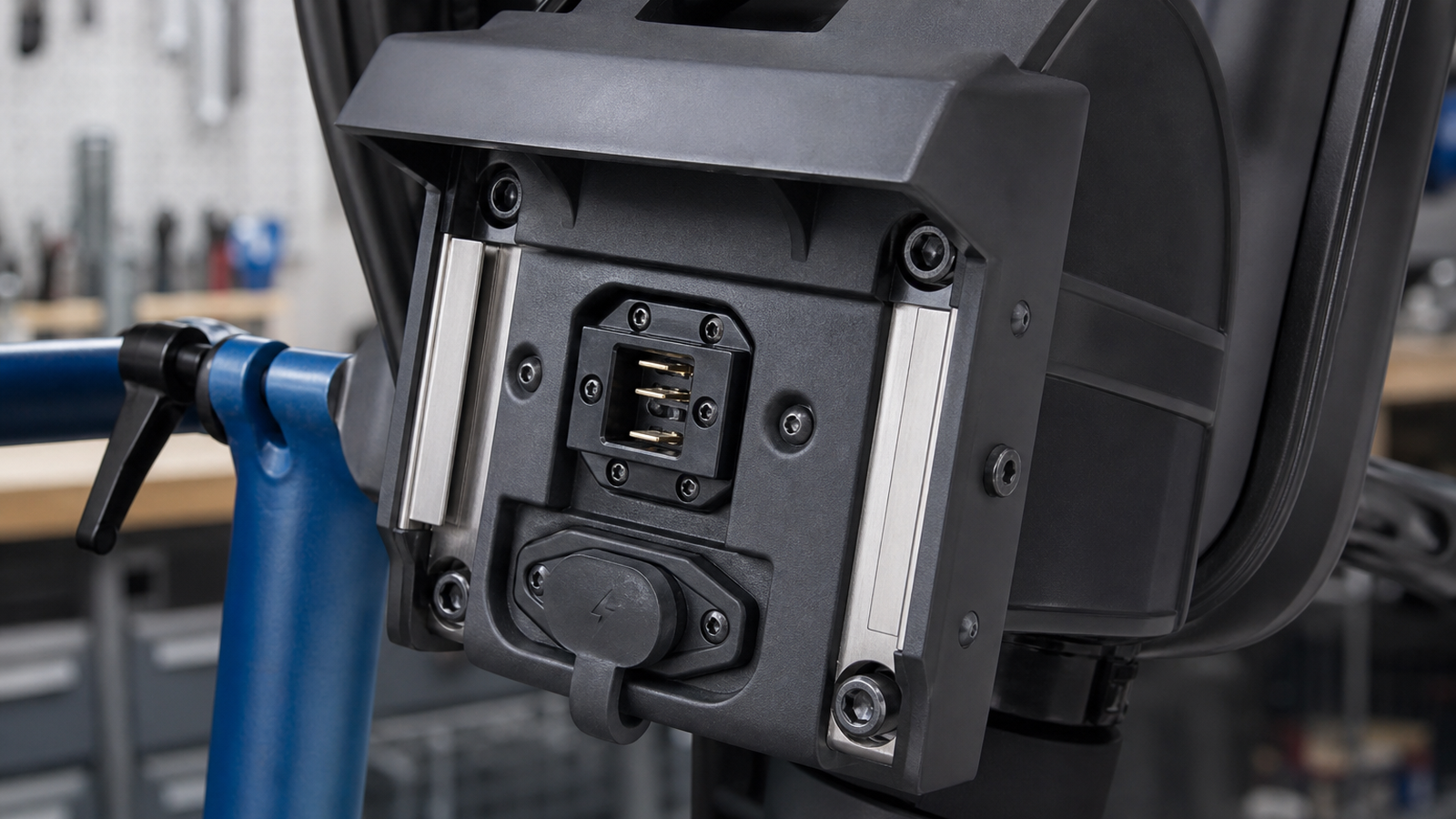
Mounting matters too. A removable pack should lock securely, resist vibration and avoid loose contacts. The charge port should be protected from water and damage. Replacement availability is another practical signal. If a company cannot explain how to buy an official replacement pack or charger later, the bike may become harder to own safely.
Repairability and service signals
Battery repair is not the same as fixing a brake lever or replacing a tire. Packs include cells, electronics and protective enclosures. A credible service path usually means documented replacement parts, trained service support and clear guidance for storage, inspection and retirement. It does not mean opening a sealed pack at a kitchen table.
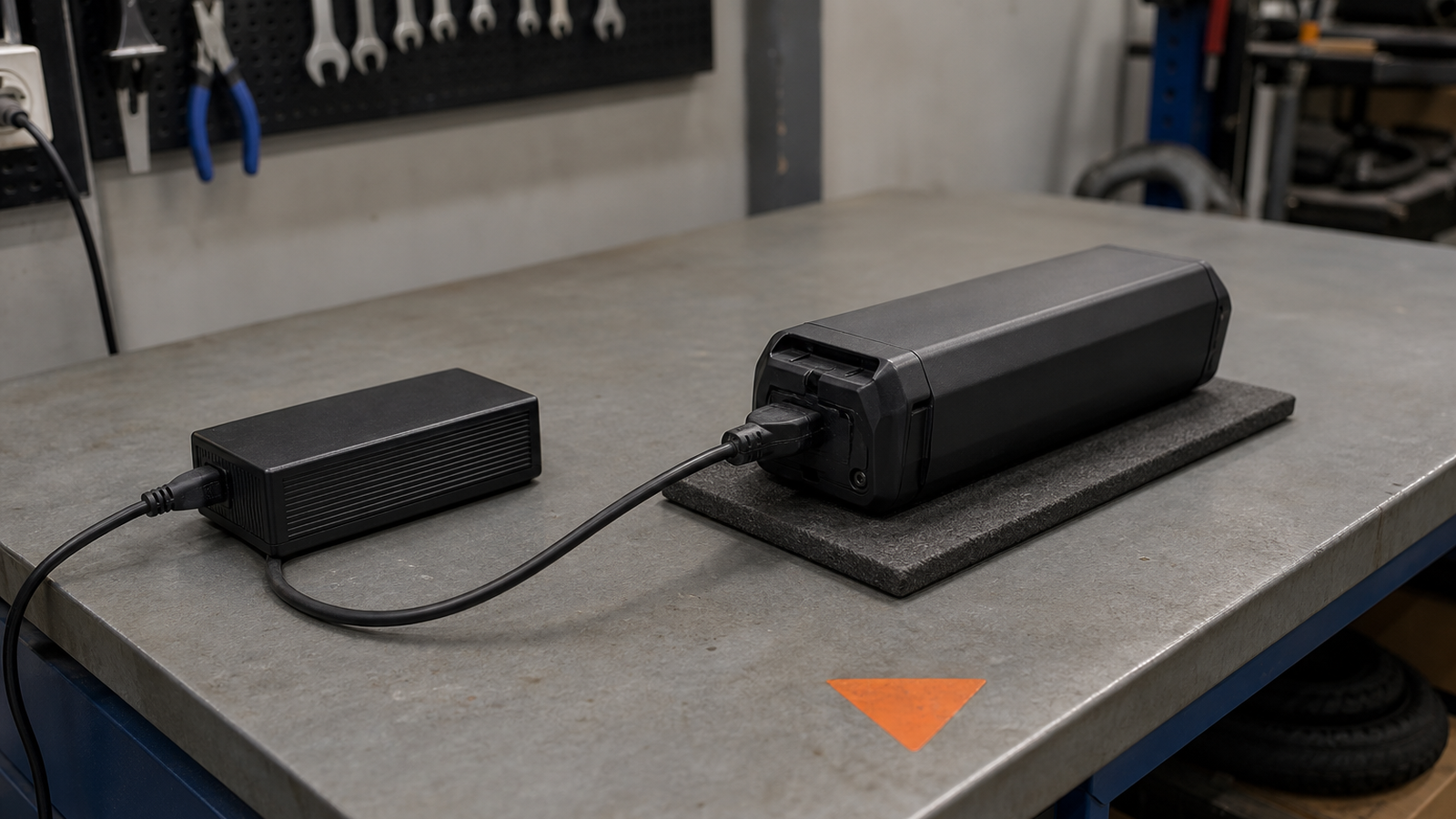
- Ask for the standard: look for relevant UL certification language tied to the e-bike system or battery, not vague claims.
- Use the correct charger: avoid mystery chargers and adapters unless the manufacturer explicitly supports them.
- Inspect mounting: loose pack fit, exposed contacts and poor weather sealing are warning signs.
- Check replacement support: an official pack and charger should remain obtainable after purchase.
- Plan storage: keep packs away from exits, heat sources and damaged chargers.
Red flags during comparison shopping
Be cautious when a listing emphasizes only peak speed, maximum range or a very low replacement-battery price. A credible seller should make the charger, pack, service path and safety documentation easy to understand before checkout. Marketplace compatibility claims are not the same as manufacturer support.
Buyers should also plan for end-of-life. A removable pack eventually ages, and safe ownership includes knowing how it will be replaced or recycled. If the brand cannot answer that question, the bike may be inexpensive because future support has been pushed onto the owner.
None of this requires a buyer to become a battery engineer. It does require skepticism toward vague listings, mismatched chargers and replacement packs that do not clearly come from the original system vendor. The safer purchase is the one with fewer mysteries.
TVG Take
An e-bike battery should be treated like an engineered subsystem, not a disposable range booster. Certification, charger compatibility, mechanical mounting and replacement support are stronger readiness signals than a headline range number. If those answers are unclear, the cheaper bike may carry a long-term safety and serviceability cost.
Related TVG reading: field power load planning for maker gear.