Editorial mode: Template B — Analysis / Guide.
E-bike buyers love to compare motor watts, claimed range and top speed. STEM-minded buyers should start one layer earlier: the battery, charger and electrical system. A fast bike with unclear certification, a mystery charger or no replacement path is not a good engineering platform.
UL Solutions lists UL 2849 for e-bike electrical systems and UL 2271 for batteries used in light electric vehicle applications. The U.S. Consumer Product Safety Commission also publishes micromobility safety guidance. Those sources do not turn a shopper into a test lab, but they do point to the first questions a buyer should ask before getting distracted by range claims.
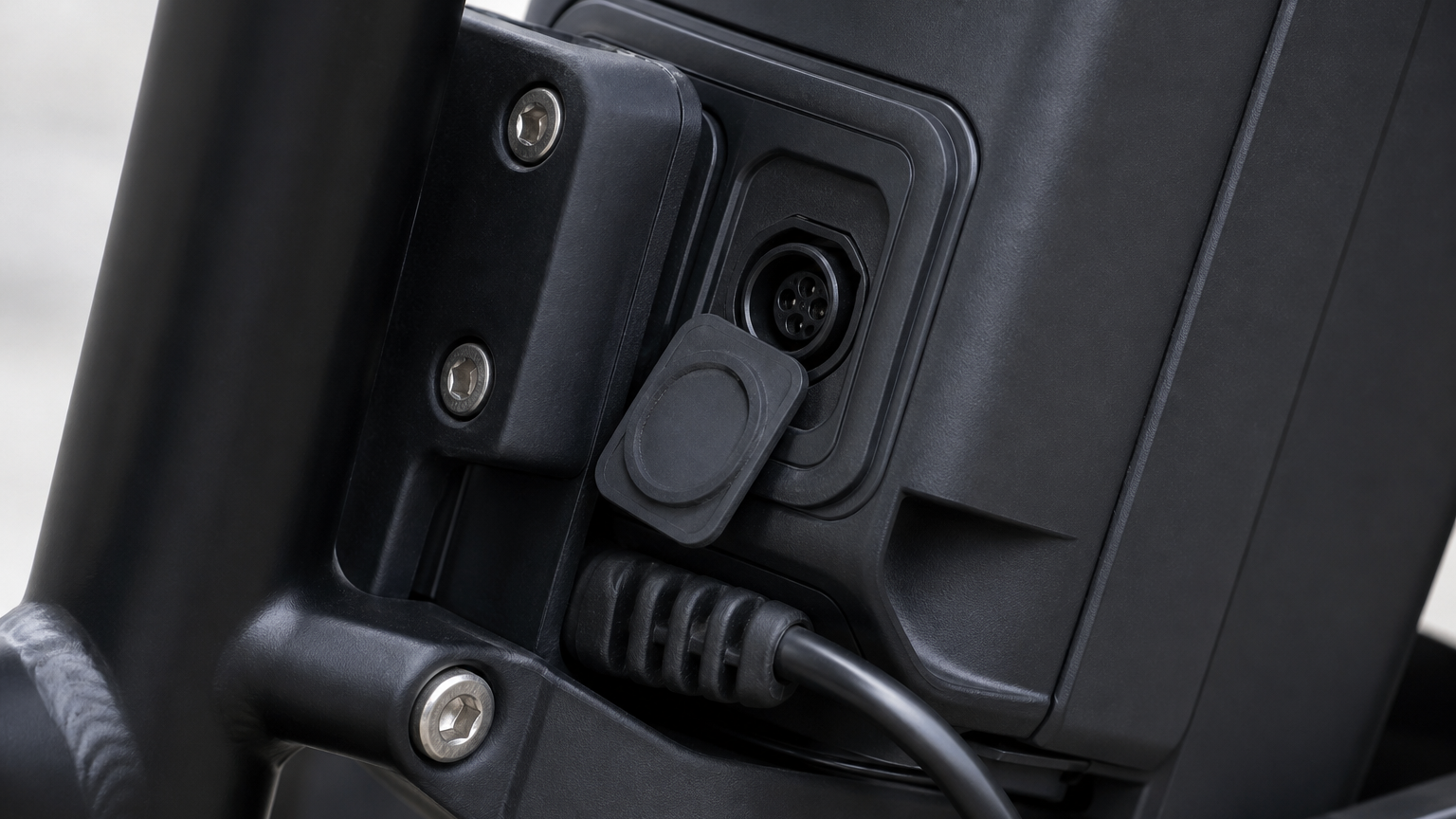
Start with the certification language
Look for specific certification language, not vague safety adjectives. A listing or certification should name the relevant standard and apply to the system being sold. If a product page says only “safe battery,” “premium cells” or “tested charger” without enough detail, treat that as a question for the seller.
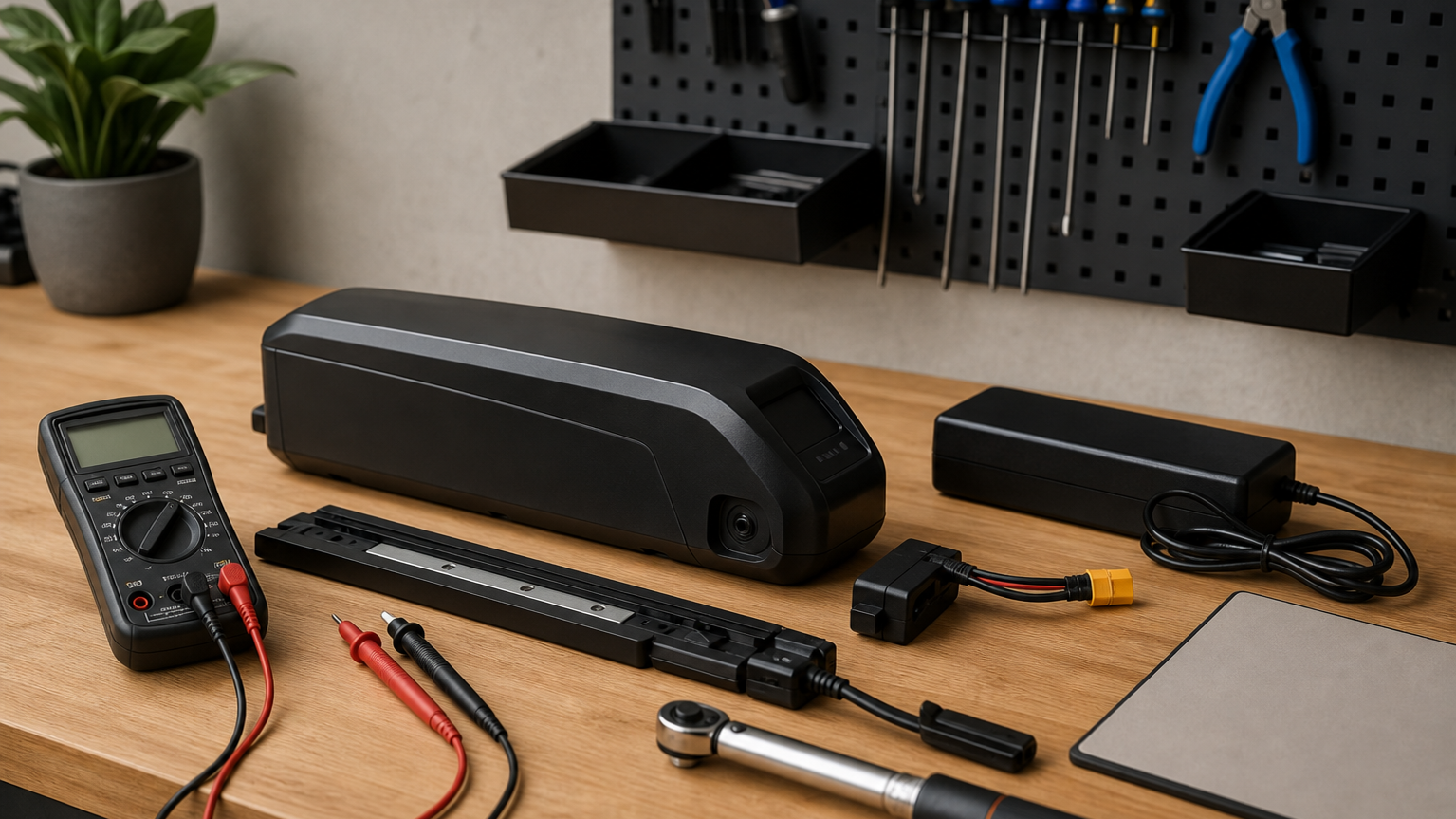
The battery, charger and controller have to work together. A certified pack paired with the wrong charger is not the same risk profile as a complete supported system. For school, maker or commuter use, the best e-bike is the one whose electrical parts can be identified, replaced and serviced without guessing.
That does not mean every buyer should become a compliance expert. It means the product page, manual or support channel should provide enough evidence that a responsible adult can verify what is being sold. If the seller cannot explain the difference between a battery standard, a charger listing and a complete e-bike electrical-system certification, that uncertainty belongs in the buying decision.
STEM programs should be even stricter. A bike used around students, tools and shared charging areas needs documented charging rules, a storage location away from clutter, and a policy against mixing chargers or opening packs casually.
Buyer checklist
- Electrical-system certification: ask whether the complete e-bike system is certified to a named standard such as UL 2849.
- Battery certification: check whether the pack itself is certified for light electric vehicle use, such as UL 2271.
- Matched charger: use the charger supplied or specified by the manufacturer, not a random replacement.
- Service path: confirm whether replacement batteries, chargers and charge-port parts are available.
- Weather sealing: inspect charge-port covers, battery rails and cable routing for realistic daily use.
- Storage plan: know where the bike and battery will be charged and stored before buying.
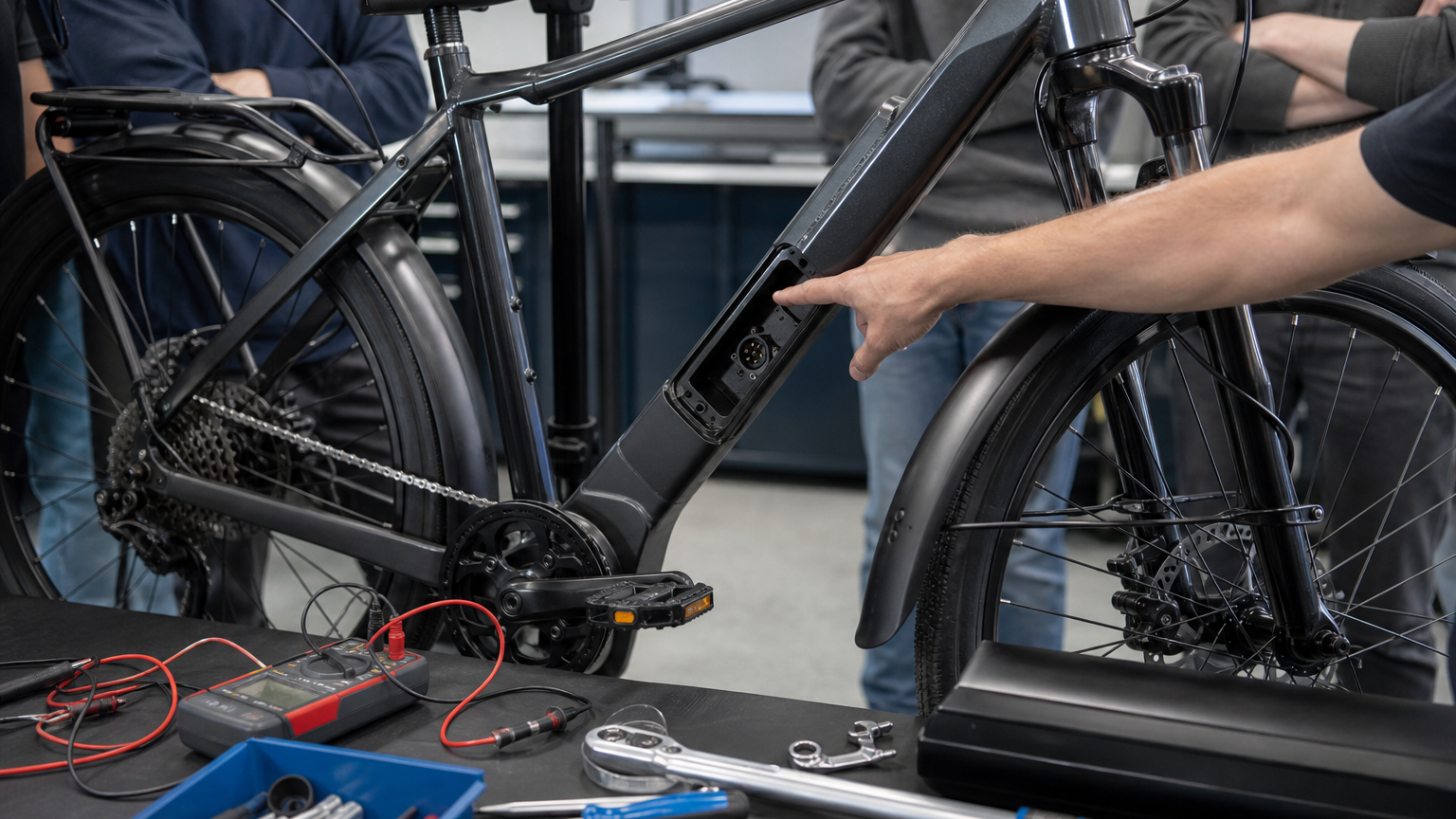
Why this belongs on TVG
An e-bike can be a transportation tool, a STEM project, a sensor platform or a field-media support vehicle. In all of those roles, the battery system is not an accessory. It is the power subsystem. That means buyers should think like builders: identify parts, verify support, document charging habits and avoid undocumented substitutions.
Do not confuse this checklist with a product review. TVG has not evaluated a specific model here. The point is to make the first comparison more technical: certification and support before color, speed or marketing range.
What not to over-interpret
Certification is not a promise that a bike fits every rider, road or maintenance habit. It also does not replace inspection, proper charging or local rules. It is a baseline signal that the electrical system has been evaluated against a defined standard.
Motor feel, torque sensors, brakes and frame quality still matter. TVG is putting battery and charger credibility first because those details are easy to overlook and hard for a buyer to evaluate after the box arrives.
TVG Take
For e-bikes, battery credibility is a prerequisite spec. If a seller cannot clearly explain certification, charger matching and replacement support, the bike should move down the list no matter how strong the headline performance looks. That same discipline shows up across TVG’s durability coverage, including our IP ratings guide for outdoor robot sensor enclosures.