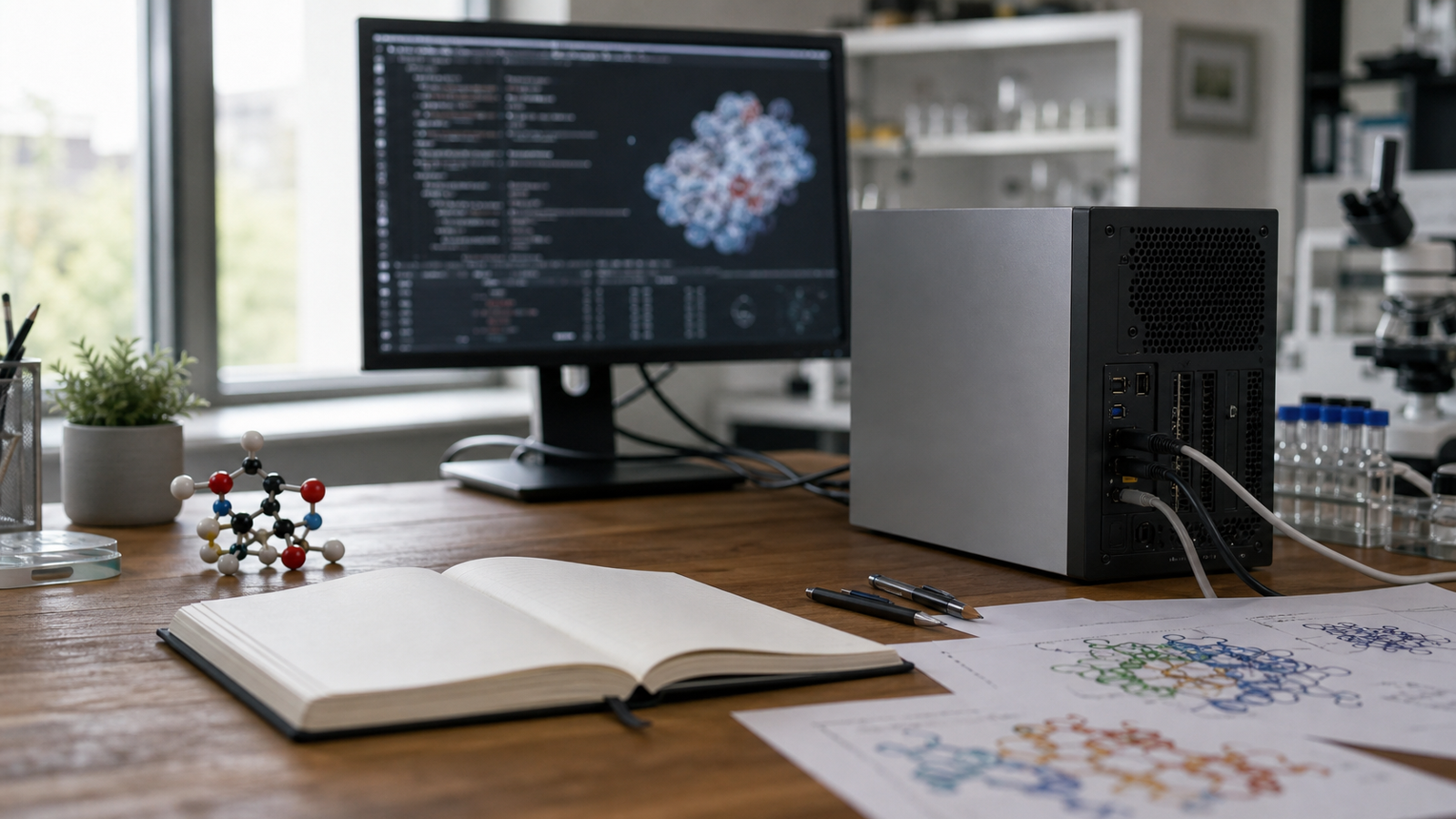
Anthropic has introduced Claude Science, describing it as an AI workbench for scientists rather than another general chat interface. The company says the beta app is available on macOS and Linux for Pro, Max, Team and Enterprise plans, with a focus on scientific artifacts, code-traced results and access to computing resources.
The news peg matters because research AI is moving from answer generation into workflow control. Anthropic’s product page says Claude Science can work through research tasks, run analysis and trace each step. Its announcement also says the app displays proteins, structures and molecules natively and is intended to keep results reproducible.
What Anthropic is claiming
According to Anthropic, Claude Science integrates tools and packages that researchers already use, produces auditable artifacts, and can connect to compute resources. The company also points readers to its broader AI for Science program, where researchers have built custom systems that use Claude in scientific workflows.
That is a different pitch from a chatbot answering a lab question. The product is being framed as a workbench: data comes in, analysis happens through tools, code and artifacts are produced, and the researcher should be able to inspect the path that led to a result.
Why it matters for technical teams
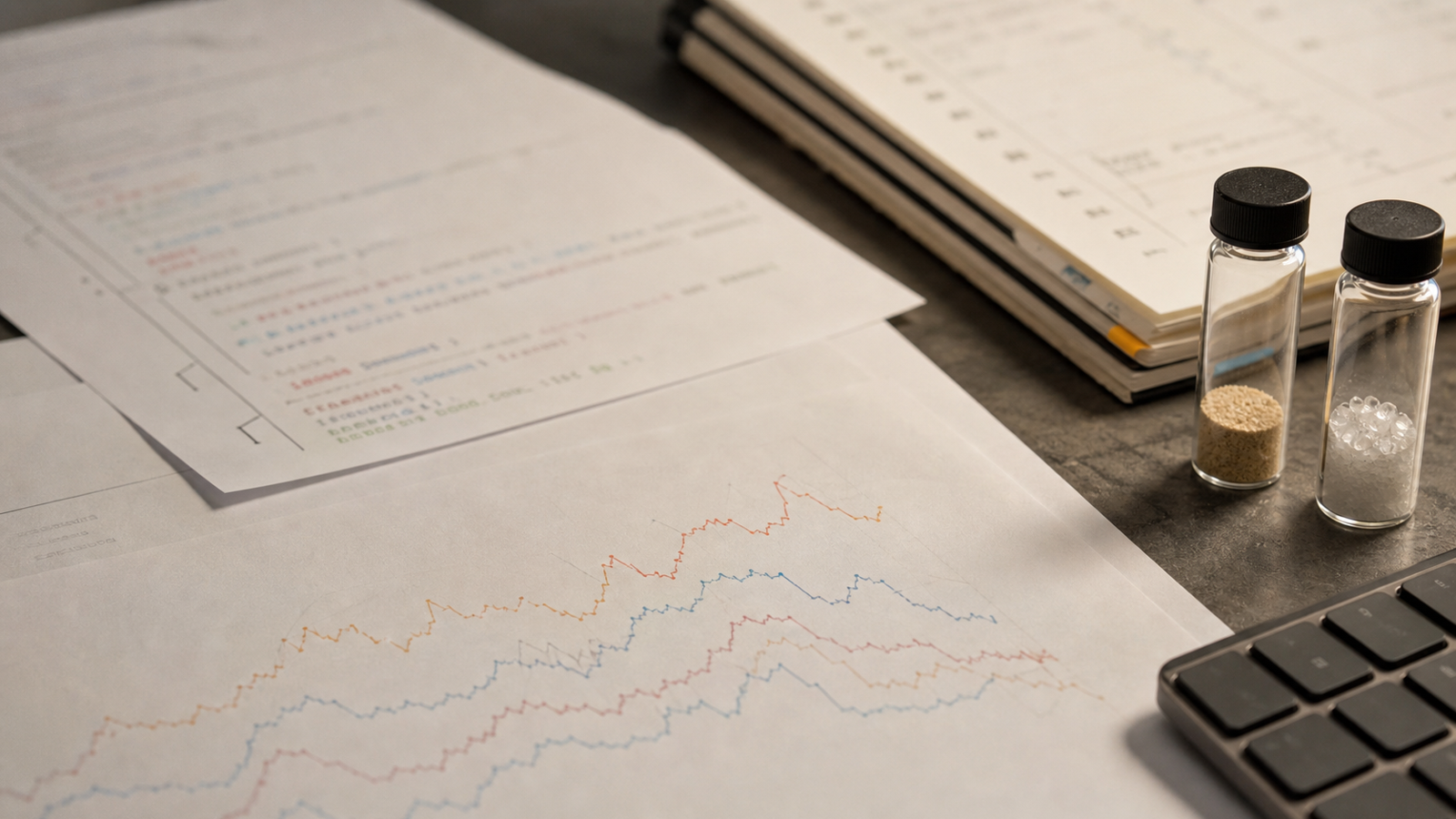
For engineering-minded readers, the important detail is not whether an AI model can write a plausible abstract. It is whether the workflow leaves enough evidence to review. In scientific computing, a confident answer with no environment record, dependency history, data lineage or code trail is hard to trust. A slower workflow that records what happened can be more valuable than a faster one that cannot be reproduced.
TVG has covered similar reliability questions in robotics and maker labs, including robot camera calibration and I2C sensor wiring. Different domain, same lesson: when a system turns measurements into decisions, the boring controls are what make results defensible.
The engineering boundary
Claude Science still needs human review. Anthropic’s own framing emphasizes tools, artifacts and analysis traces, not a replacement for scientific judgment. That boundary is important. A workbench can reduce glue work between notebooks, data tools and compute, but it does not eliminate experimental design, measurement error, dataset limits or the need for independent validation.
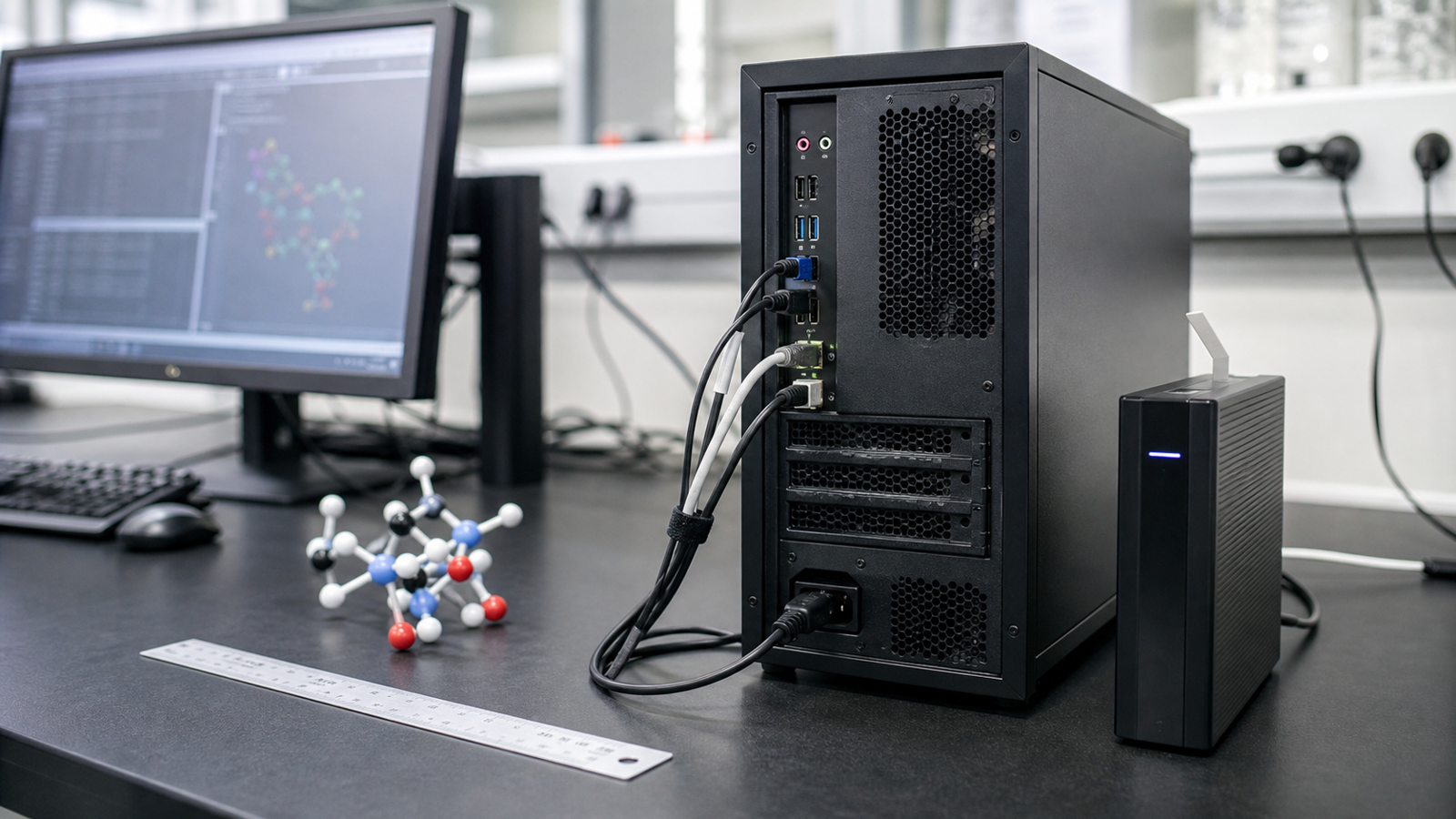
Teams evaluating systems like this should look for practical controls: how code is stored, how artifacts are exported, whether data access is scoped, whether compute jobs can be repeated, and how model-written steps are separated from human decisions. Those details determine whether the tool becomes a useful lab assistant or another opaque layer in the workflow.
TVG Analysis
The signal here is that AI vendors are packaging domain-specific workbenches around real workflows. For research groups, the defensible version of that shift is not “let the model do science.” It is “make routine analysis easier to run, inspect, repeat and challenge.”
The unanswered questions are mostly operational: how well Claude Science handles messy local environments, how easy it is to export a complete record, how institutions will manage sensitive data, and how researchers will validate model-assisted analysis before it enters a paper or product decision. TVG will watch whether workbench-style AI tools improve reproducibility or simply move the black box into a more polished interface.
What to watch next
The next useful signal will be how research groups handle export and review. If a lab can package code, intermediate artifacts, environment notes and final outputs in a way another scientist can inspect, a workbench approach has real value. If the result is only a polished chat transcript, the operational risk remains high.
Another open question is cost and access. Scientific computing often involves large files, specialized packages and shared machines. A useful AI workbench must fit those constraints without encouraging researchers to move sensitive or licensed data into places their institution has not approved.
Related TVG reading
For more engineering-first context, continue with these related TVG Report pieces:
- Anthropic Launches Claude Science as AI Workbenches Move Into Research Labs
- NVIDIA Cosmos 3 Edge Puts Robot Action Models Closer to the Machine
- Edge AI Software Forecast Puts Industrial Automation Back in the Latency Conversation