Editorial mode: Template A — News.
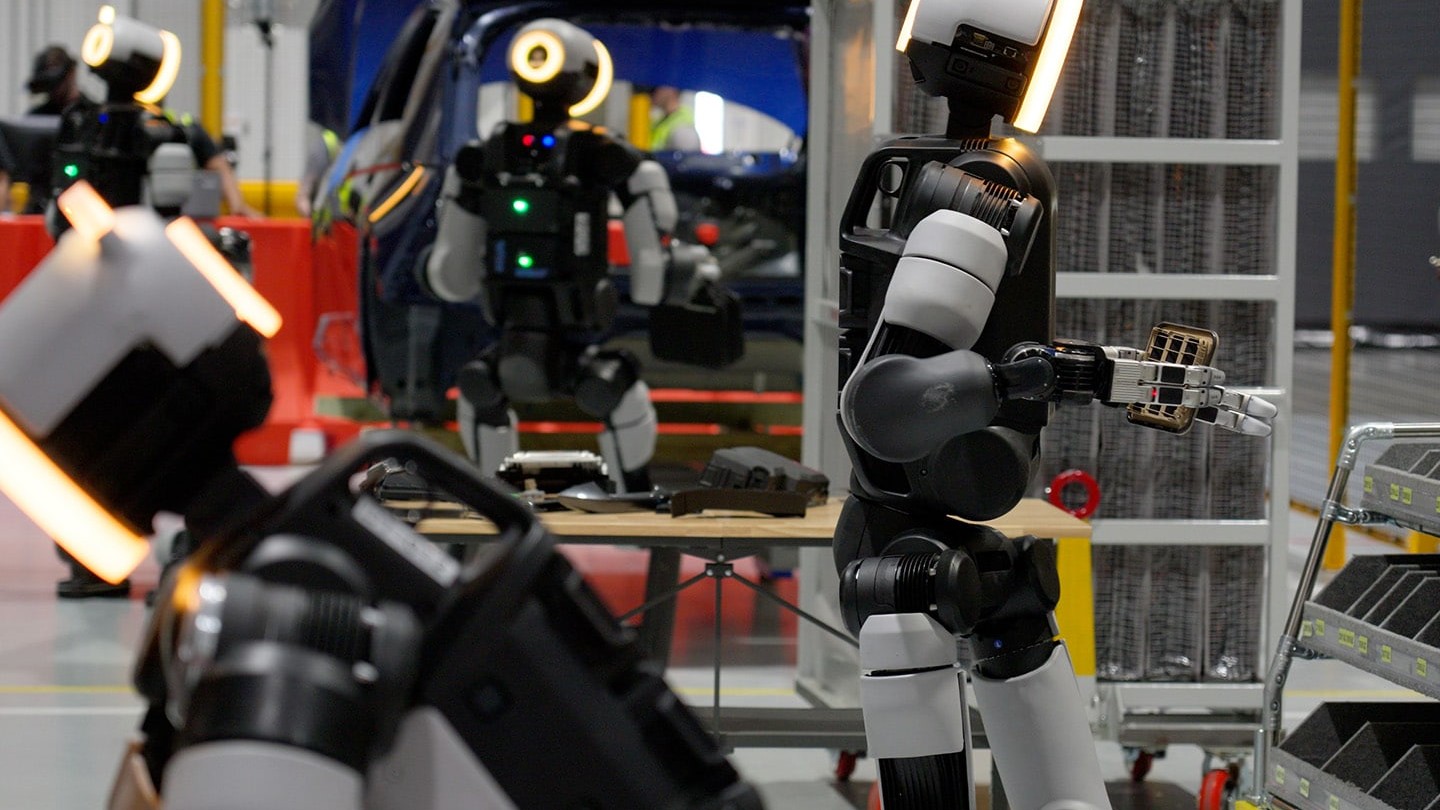
NVIDIA has added another piece to its physical-AI push with Cosmos 3 Edge, a compact world action model described in NVIDIA and Hugging Face materials as built for on-device robot reasoning and action generation. NVIDIA’s SIGGRAPH update frames the model as part of a broader graphics, simulation and robotics stack, while the Hugging Face launch post describes Cosmos 3 Edge as a post-trained world action model aimed at robot-control-resolution observations.
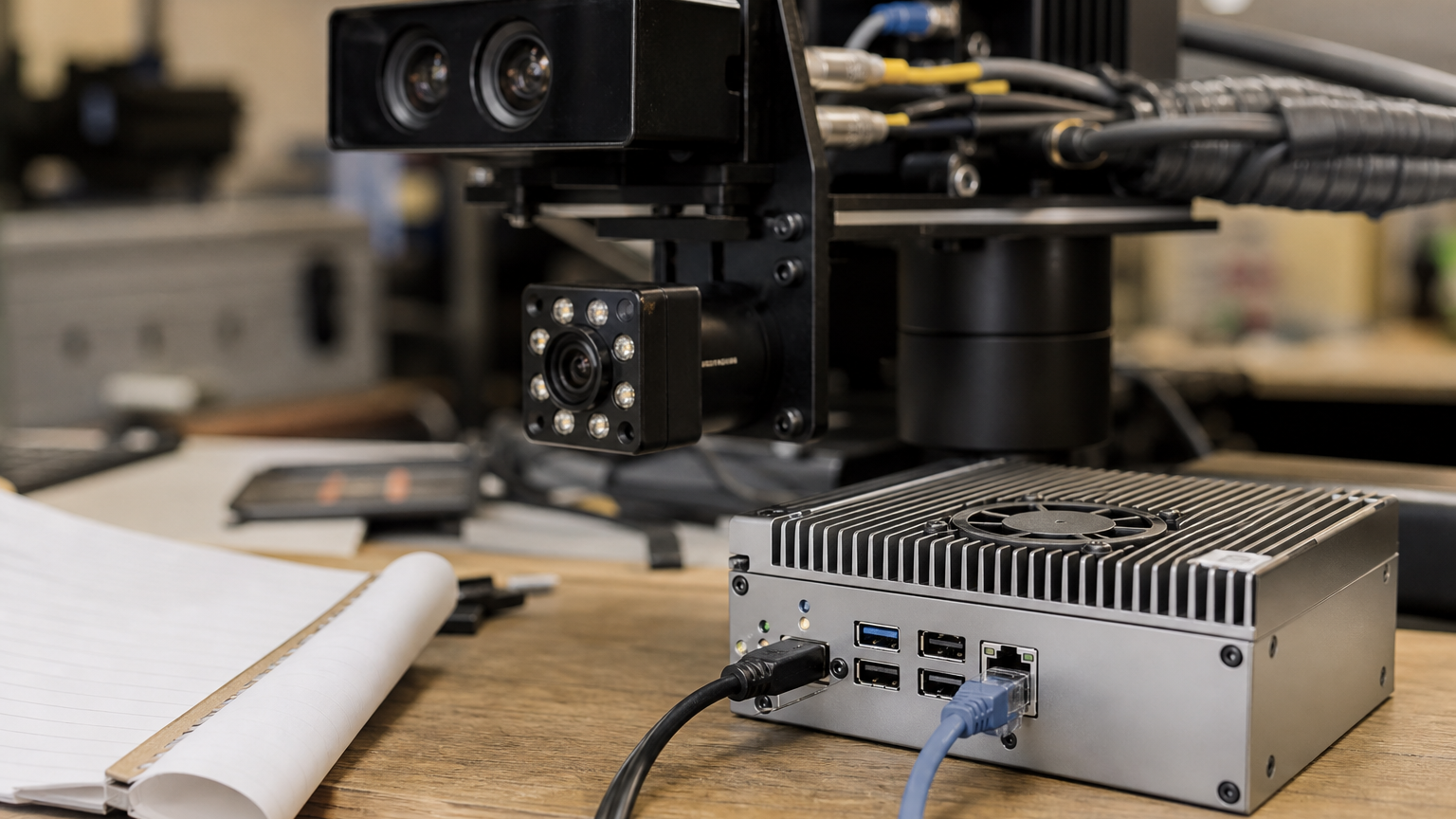
The headline numbers are attention-grabbing for robot builders: the Hugging Face post says the model operates on 640×360 observations, generates 32 actions per inference, and reaches 15 Hz real-time control on NVIDIA Jetson Thor. That is not the same as proof that every robot project can drop it into production, but it is a useful signal about where physical-AI tooling is headed.
Why it matters
Robotics teams have spent years separating perception, planning and control into modules they can reason about. World models promise a different shape: a system that can connect sensory context, prediction and action more directly. If that work moves onto local hardware, the robot can avoid a round trip to the cloud for decisions that are too latency-sensitive or too safety-adjacent to outsource.
NVIDIA’s public language also matters because it ties the model to the rest of the company’s robot-development stack: Isaac, simulation, Omniverse-related workflows and Jetson-class edge hardware. For small robotics labs, the question is not whether a demo looks impressive. It is whether model weights, runtime requirements, sensor assumptions and fallback behavior can be evaluated without a giant research staff.
What builders should watch
The first watch item is latency under real sensor load. A clean benchmark does not capture what happens when a robot is handling camera exposure changes, network jitter, logging, battery sag and competing processes. Builders should look for reproducible examples that include full pipeline timing, not only model inference timing.
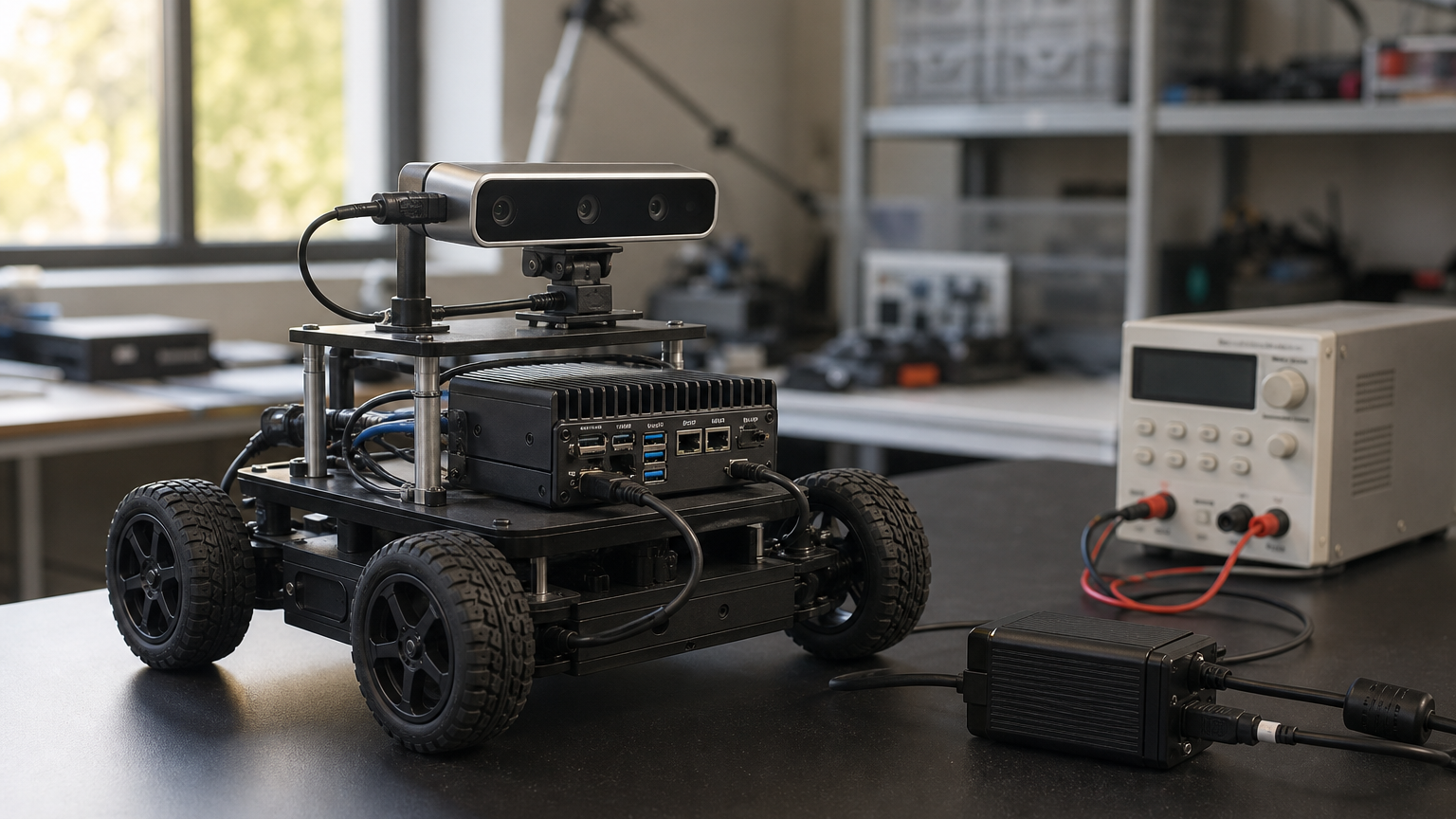
The second is action representation. A model that generates actions needs to fit the robot’s actual control layer. A classroom rover, warehouse AMR, manipulator arm and drone do not share the same actuation constraints. Useful examples should make clear what the model outputs, how those outputs are bounded, and how conventional safety layers remain in charge.
The third is dataset and scenario fit. A world action model trained and tuned for one set of robot embodiments may still need careful adaptation before it can help a different chassis, workspace or manipulation task. Builders should read model cards, license terms and example notebooks closely, then run conservative bench tests before allowing any model output near moving hardware.
The fourth is observability. If the system cannot explain timing, confidence, sensor inputs and rejected actions in a way an operator can review, it will be hard to use outside demos. The most useful tools will make it easy to log what the model saw, what it predicted and why a safety layer overrode a command.
Deployment questions for labs
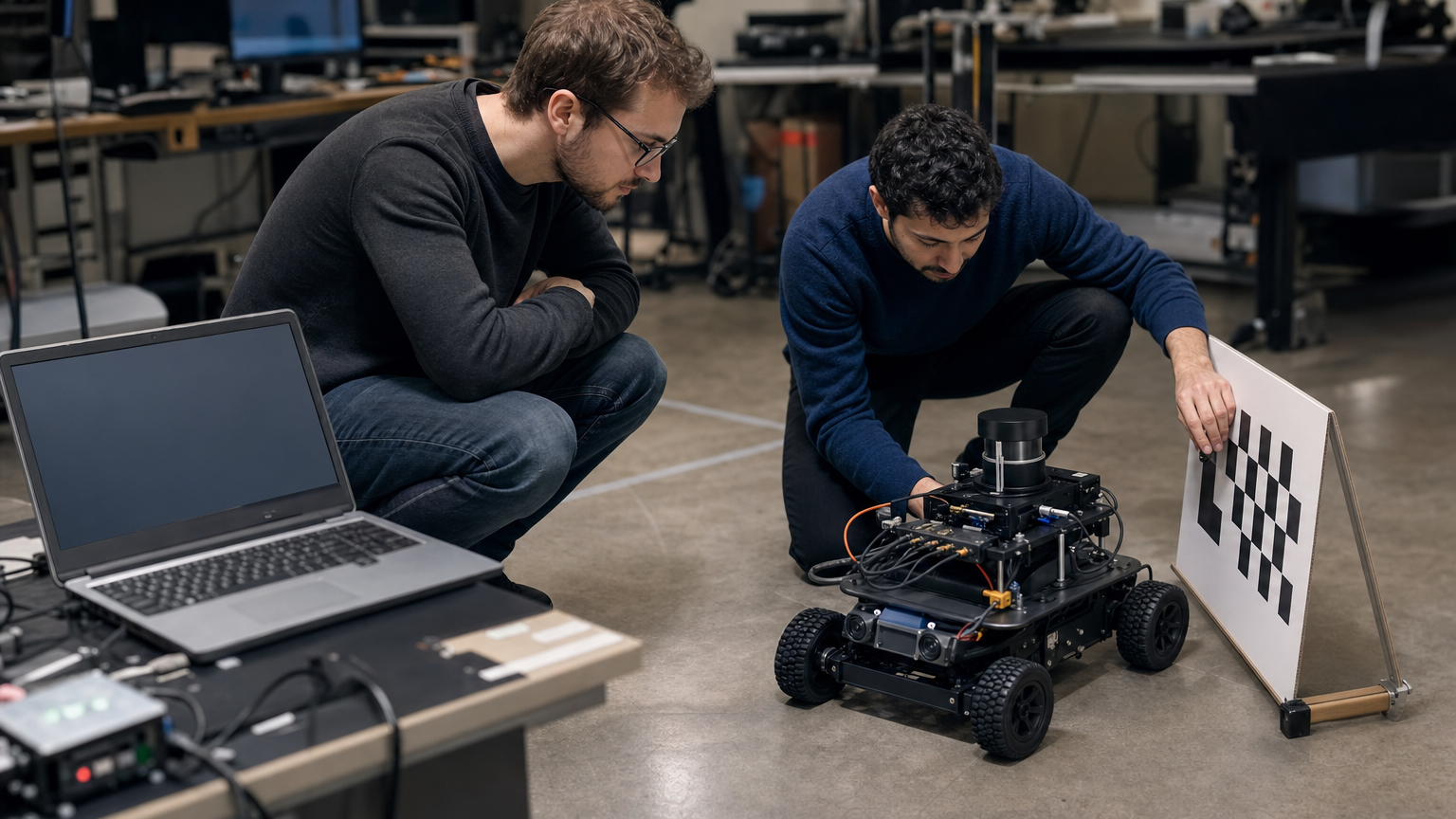
Before a team treats Cosmos 3 Edge as a build target, it should list the robot’s sensors, compute budget, maximum safe speed, stop behavior and operator override path. Those questions are not meant to slow experimentation; they keep the experiment connected to physical reality.
A good first trial would be observational: run the model against recorded sensor data, compare outputs with expected behavior, and only then consider a carefully constrained live test. That sequence gives builders evidence without making the robot the first debugging tool.
TVG Analysis
Cosmos 3 Edge is important because it pushes the robot-AI conversation from “large model in the cloud” toward “model near the motors.” That is the right direction for latency and autonomy, but it raises harder engineering questions: observability, failure recovery, validation, thermal headroom and how a robot says no when the model is uncertain.
TVG will be watching for practical release details: reference robots, supported sensors, minimum hardware, ROS 2 integration patterns, logging tools and failure-case documentation. The open question is not whether on-device world action models are interesting. It is whether the surrounding workflow becomes clear enough for builders to test responsibly.