A new ResearchAndMarkets forecast released through GlobeNewswire says the edge AI software market is being pulled forward by 5G, IoT and industrial automation use cases. The release puts 2026 edge AI software revenue at $3.12 billion and frames real-time intelligence as the reason more work is moving closer to cameras, sensors and machines.
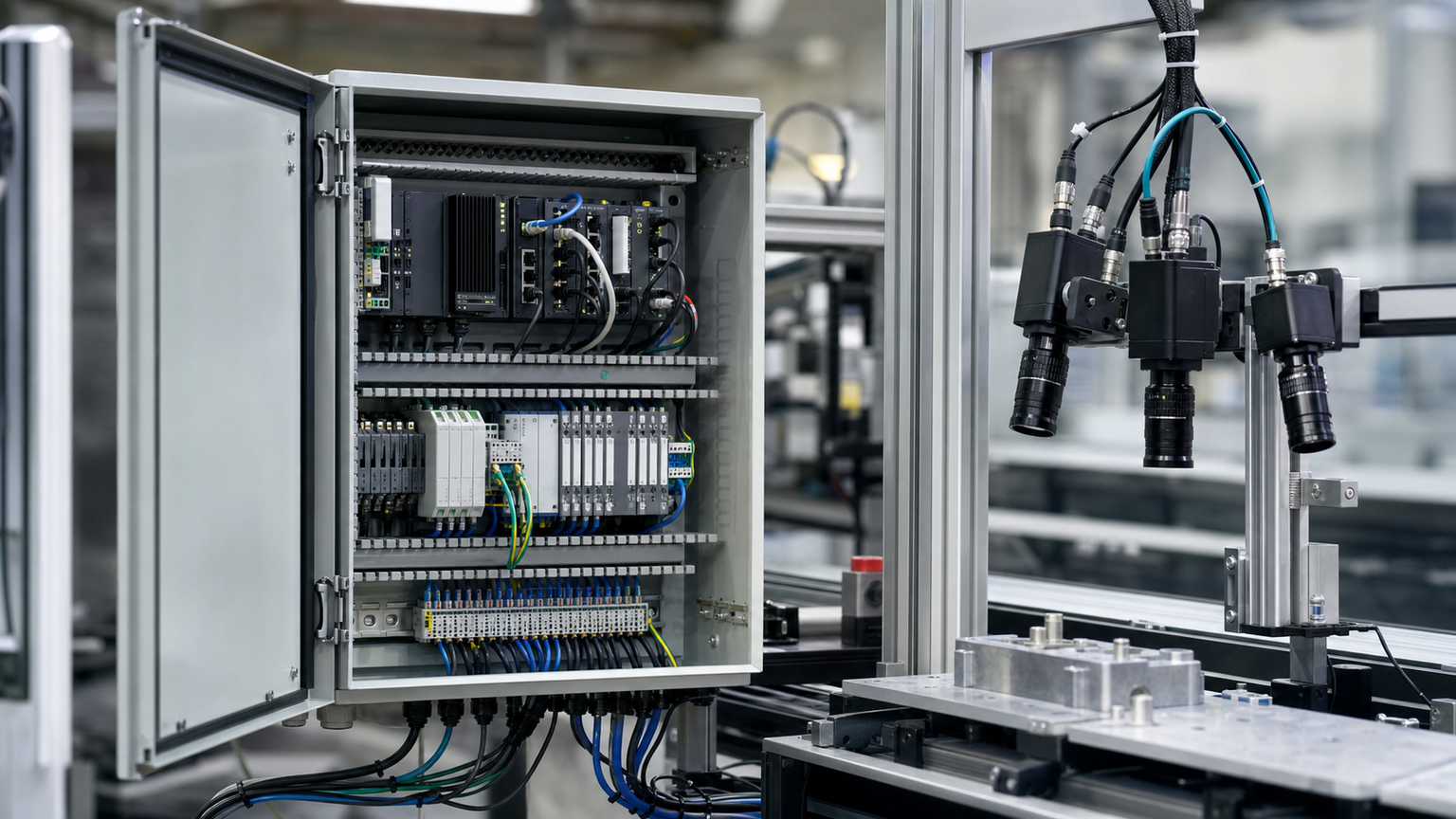
That is a market forecast, not a product launch. But it is still useful signal for robot builders and automation teams because the words around the forecast are the same ones showing up in actual deployments: low latency, computer vision, predictive maintenance, sensor fusion and less dependence on a distant cloud round trip.
For TVG readers, the practical point is not that every project suddenly needs an edge AI stack. It is that the software layer around local inference is becoming a product-readiness issue rather than a research afterthought.
Why it matters
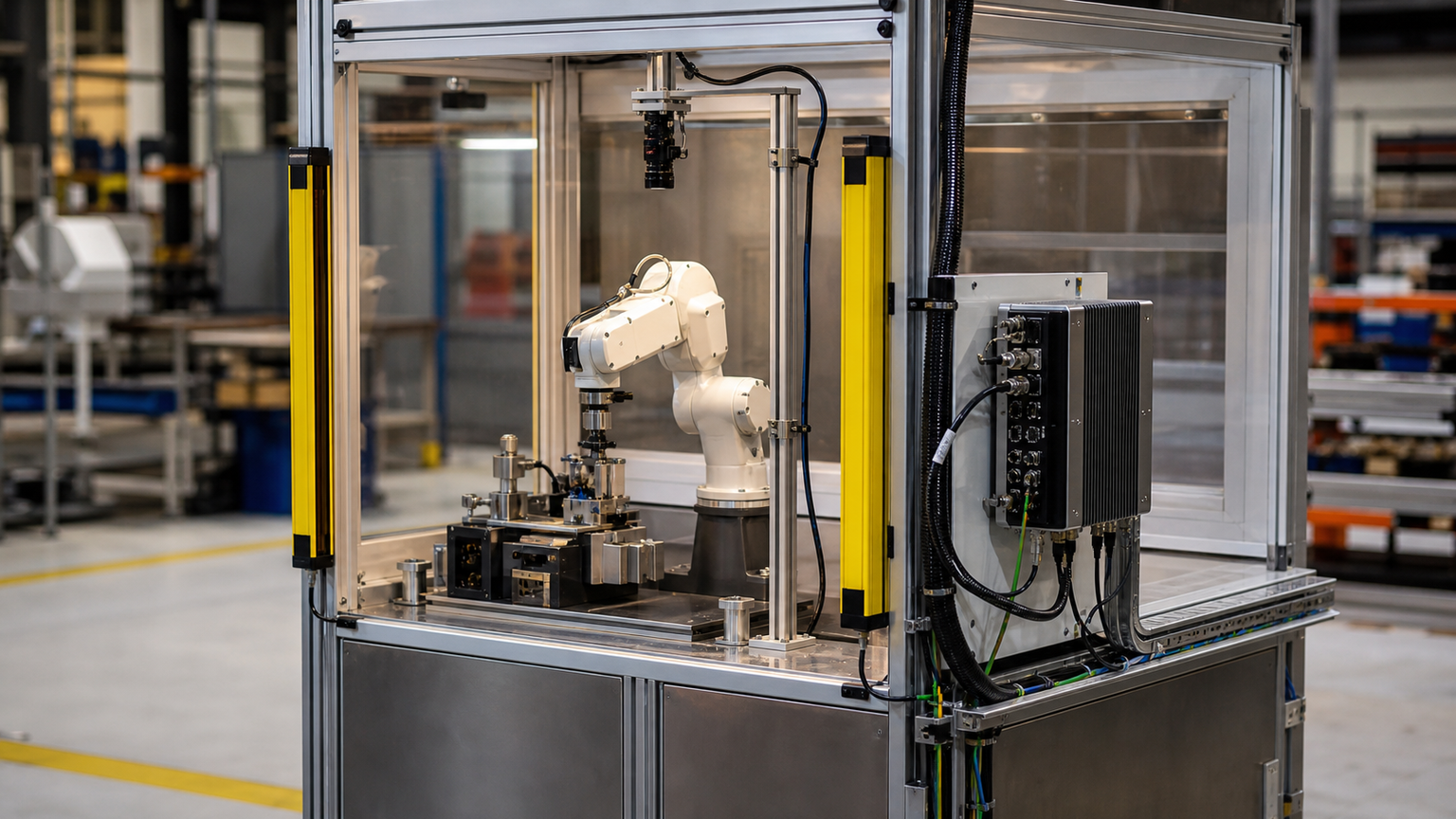
In a lab demo, an AI model can tolerate awkward update steps, manual log collection and occasional network delays. In a camera-guided workcell, a mobile robot or a smart inspection station, those weak points become reliability problems. The edge software has to decide where data is filtered, how models are updated, how events are logged and what happens when the connection to the cloud is slow or unavailable.
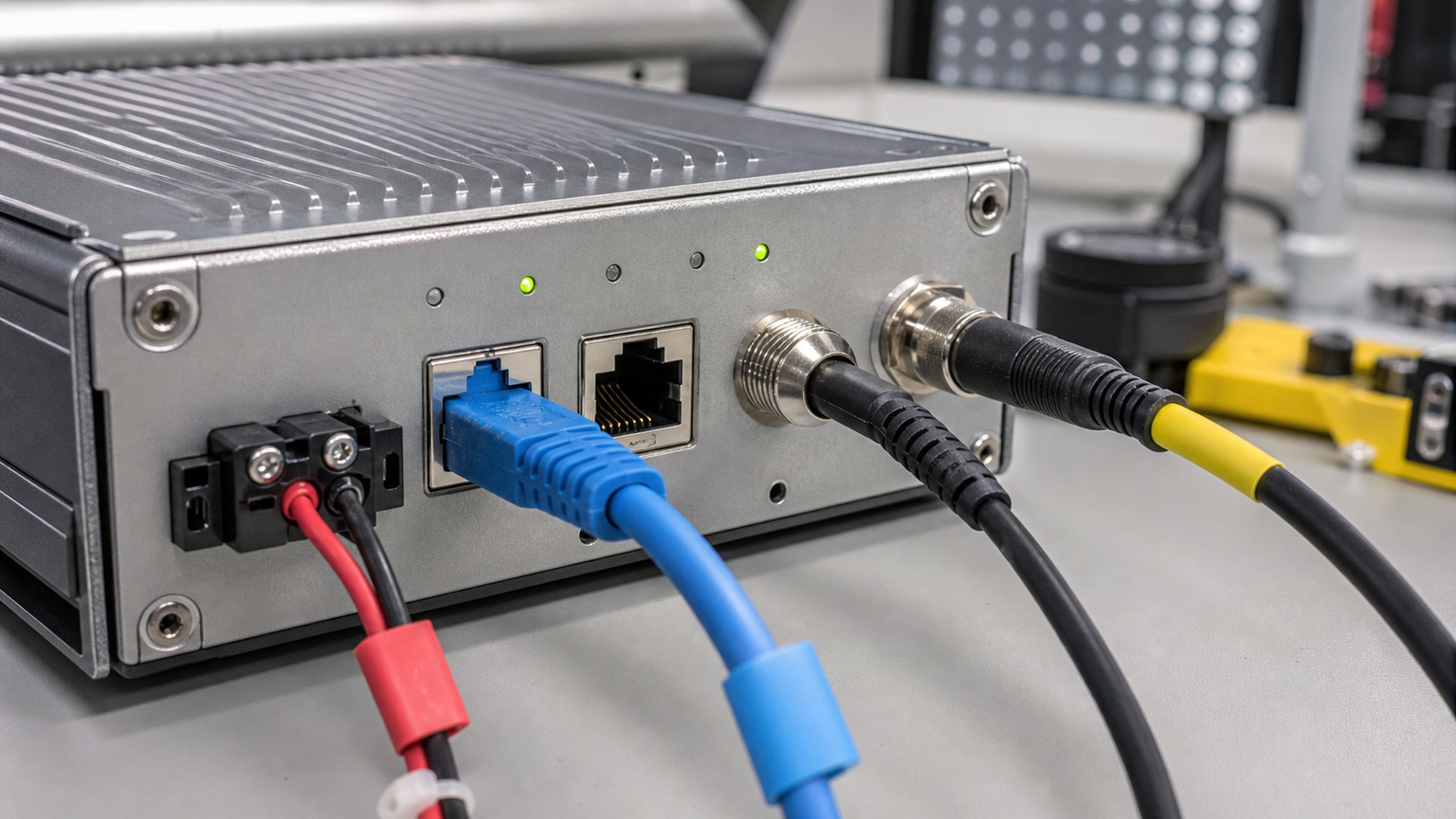
The forecast also lines up with what major robotics and AI suppliers have been emphasizing this year. NVIDIA’s robotics materials continue to push physical AI, simulation and accelerated computing as a full stack. That does not mean every maker or small manufacturer needs a data-center-class system. It does suggest that local perception, model management and simulation-to-field discipline are moving into the same conversation.
Technical breakdown
The hardest part of edge AI software is usually not running one model. It is running the right model at the right point in the workflow. A defect-detection camera might need frame filtering before inference. A mobile robot might need local obstacle classification even when mapping data syncs later. A maintenance system might need to decide which vibration events are worth preserving at full resolution.
That creates four engineering checkpoints. First, teams need a latency budget that separates capture, preprocessing, inference, decision logic and actuation. Second, they need an update path for models and application code that does not break field units. Third, they need observability: logs, version records and enough sample data to debug failures. Fourth, they need a fallback mode when the model is uncertain or the network path is down.
TVG Analysis
The forecast is a reminder to judge edge AI projects by the boring parts. A benchmark number is only one piece of readiness. The stronger signal is whether the system has a maintainable model-update path, clear failure handling and clean integration with cameras, PLCs, safety hardware or robot controllers.
For small teams, the best next step is not to buy the largest accelerator. It is to document the timing path from sensor to decision, then test what happens when bandwidth drops, lighting changes or the model returns a low-confidence result.
What remains unknown is how much of the forecasted growth becomes durable deployed software rather than pilots, dashboards and proof-of-concept spending. TVG will watch for examples where edge AI vendors publish maintenance practices, fleet-management details and real field reliability data.