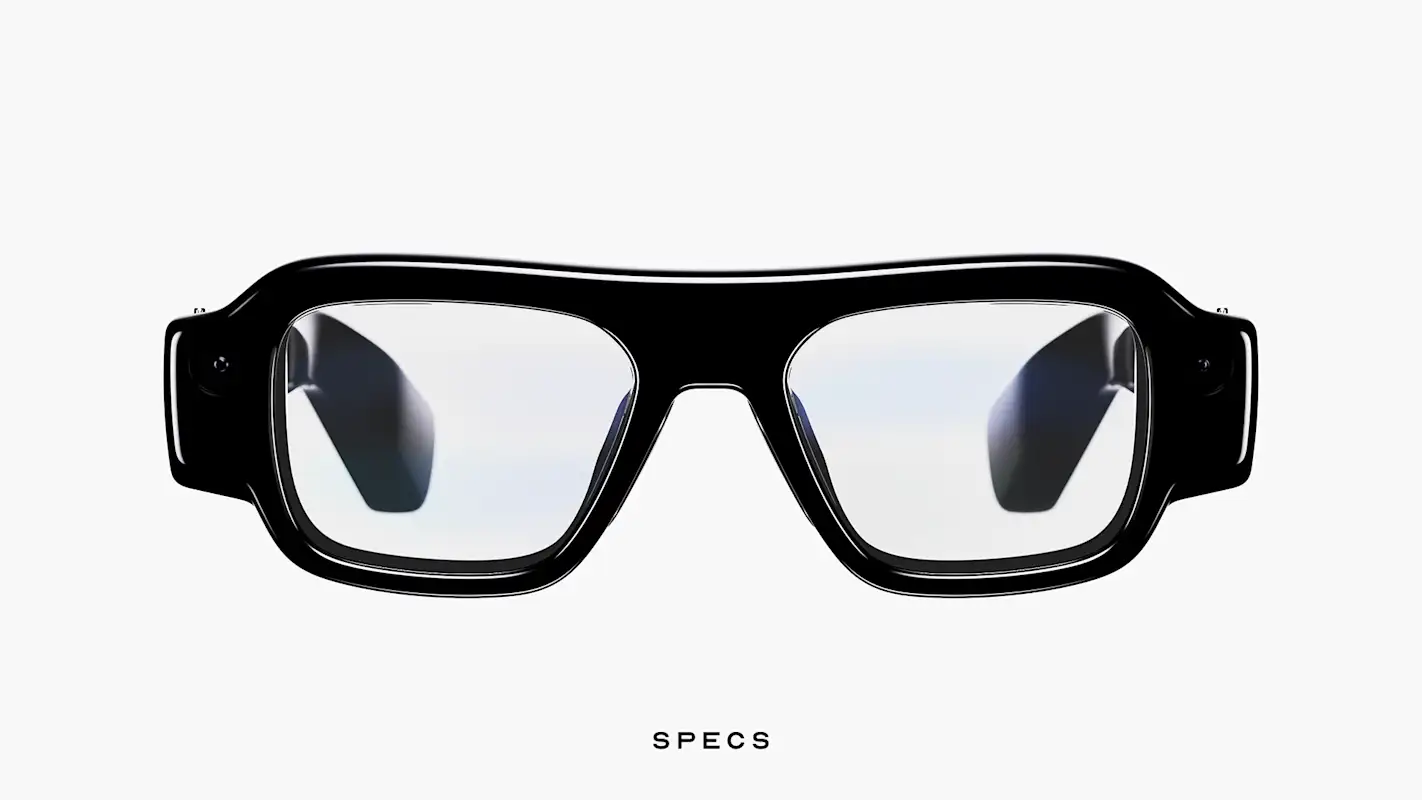
Snap’s Specs store now distinguishes existing preorder holders from new buyers: purchase invitations will go out as inventory becomes available, while new orders are listed to ship in early 2027. With US prices starting at $2,195, that distinction matters if you want these standalone AR glasses for a near-term project.
That was the store’s wording when checked on November 27, following VR.org’s November 26 report of the FAQ change. Snap says Specs are “starting to ship,” but the invitation process does not establish completed customer deliveries or promise that every existing preorder will be filled before year-end.
The store also makes clear that a deposit reserves a device; it is not an order confirmation. Customers are subsequently asked to complete their purchase by paying the remaining balance. For an existing reservation holder, the useful next step is to watch for that invitation rather than treat the new-order banner as their own delivery estimate.
A computer in the glasses, rather than a required tether
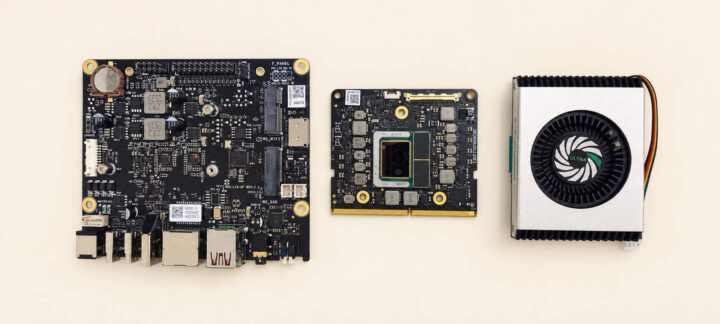
Specs’ appeal is running spatial experiences without a separate compute puck or tether. In Snap’s hardware explanation, two Snapdragon processors split the work: one handles computer vision, while the other runs Lenses, its name for apps. That pairs understanding the surrounding space with the software drawing and interacting within it.
Snap describes uses such as directions, measuring a space and working on a shared whiteboard. Its see-through display uses liquid crystal on silicon and waveguides, with a 51-degree diagonal field of view, as confirmed to UploadVR. The proposition is software placed in your surroundings, rather than simply a screen fed by another device.
Battery expectations need the same distinction. Snap claims up to four hours of mixed use, covering audio, video, Lenses, AI assistance and notifications. Its case supplies four additional charges for up to 20 total mixed-use hours, with recharging between sessions. Those figures are not a promise of four uninterrupted hours of spatial AR. UploadVR notes that mixed use is not directly comparable with the older Spectacles developer kit’s 45-minute active-AR figure.
Choose the Lens platform as well as the hardware
Standalone does not mean an unrestricted Android app library. UploadVR describes Snap OS as Android-based, but without APK installation: applications run as sandboxed Lenses built with Lens Studio.
That still leaves room for native code. Snap’s Native Development Kit lets developers bring C and C++ code and libraries into Lenses. It extends what a Lens can do; it does not turn Specs into a general-purpose Android installation. Buyers should choose around the Lens experiences they need, rather than assume their phone apps will carry over.
The store currently lists preorders in the US, UK and France. For US buyers wanting cellular connectivity, the extra $200 buys a 5G-capable charging case and requires a separate Verizon plan. Neither that upgrade nor the standalone design changes the purchase timing: existing reservations depend on inventory-based invitations, while new orders carry the broader early-2027 shipping estimate.
Image: Snap Inc..