
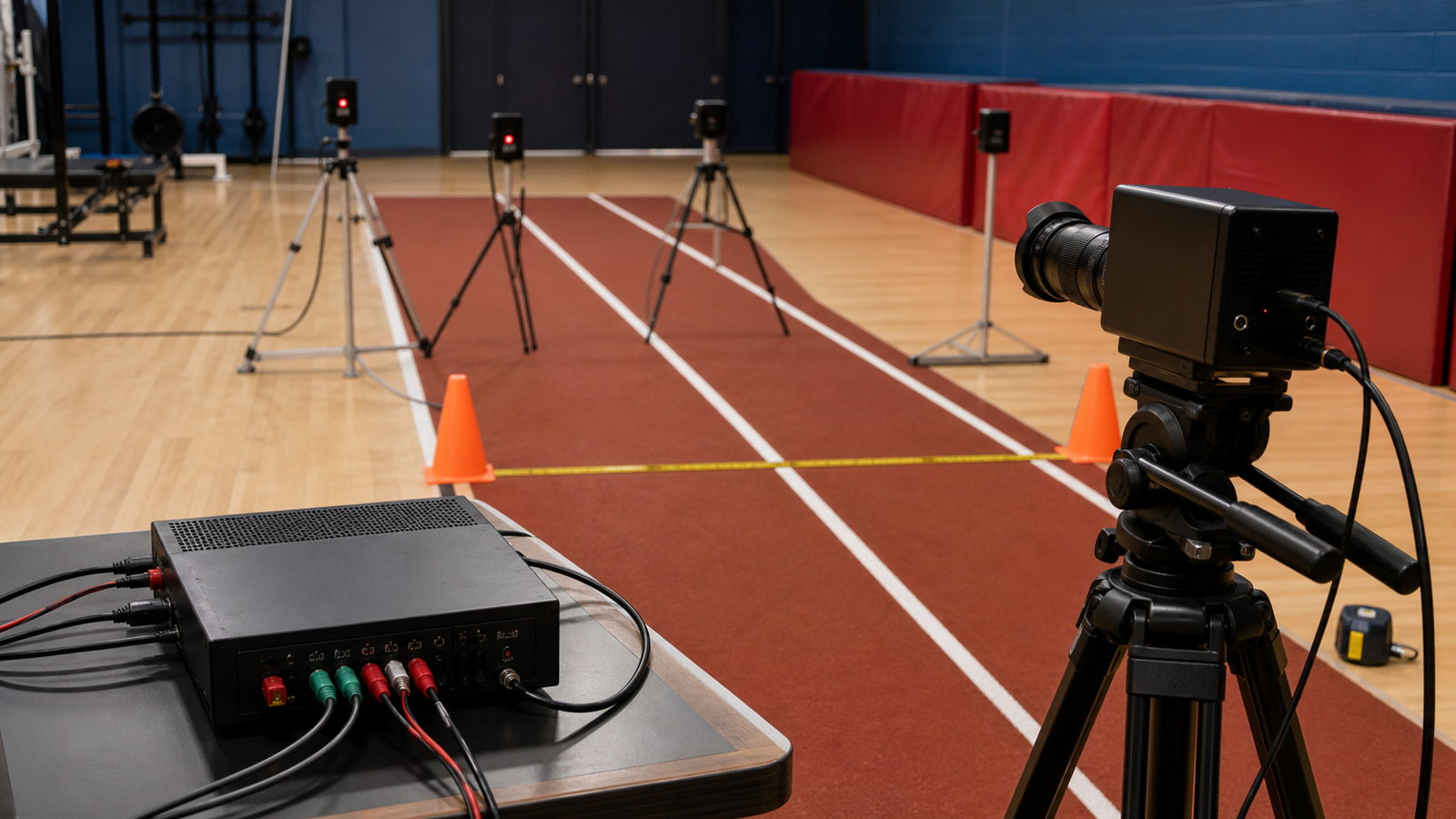
Sports technology is usually marketed around performance. For TVG’s STEM lane, the better angle is measurement. Timing gates, high-speed video and small sensor boxes can help students learn why repeatability, calibration and error bars matter before they ever touch a robot drivetrain or machine-vision pipeline.
This is not coaching advice and it is not a claim that classroom tools replace certified timing systems. It is a way to use sports-tech hardware as a concrete engineering lab: define the event, measure it, check the uncertainty, and improve the setup.
Why sports timing belongs in STEM
World Athletics publishes detailed competition rules and technical documents for official events. A classroom project does not need that full formality, but the existence of strict timing rules is useful context. Serious measurement requires defined start and finish conditions, known equipment placement and repeatable procedures.
A simple sprint lane or reaction-time station can expose the same issues students later see in robotics: sensor alignment, latency, sampling rate, lighting, data logging and operator error. The physical setup makes the lesson visible.
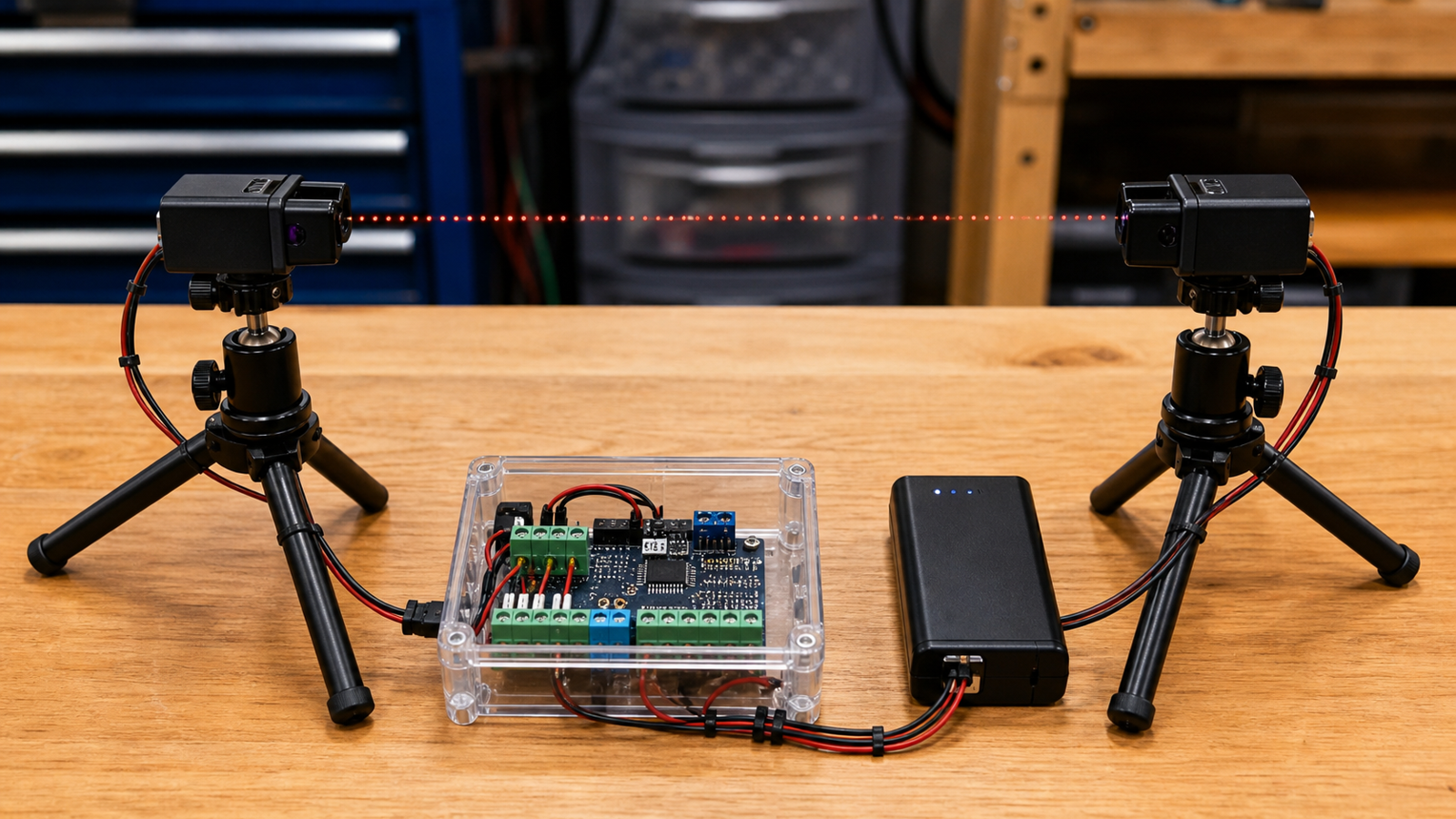
Timing gates teach system boundaries
A break-beam timing gate seems simple. A beam is interrupted, a timestamp is recorded and a result appears. But the engineering questions arrive quickly. How far apart are the gates? Are the tripods stable? Does the sensor trigger on a torso, hand, wheel or loose clothing? Is the controller clock consistent? How does the team handle false starts or multiple passes?
Those questions make the project more valuable than a single number. Students learn that the measurement system defines what the result means. That is directly relevant to robot line sensors, limit switches and camera targets.
High-speed video adds evidence, not magic
OpenCV is widely used for computer vision, and its ecosystem gives students a path from video frames to measured motion. High-speed phone video can also be useful when the goal is to inspect timing, position or motion qualitatively. The key is to treat video as evidence with limits: frame rate, rolling shutter, lens distortion, camera angle and lighting all affect the result.
TVG’s guide to robot camera calibration explains why even familiar cameras need calibration before measurements are trusted. Sports-tech video projects are a friendly way to teach the same principle.
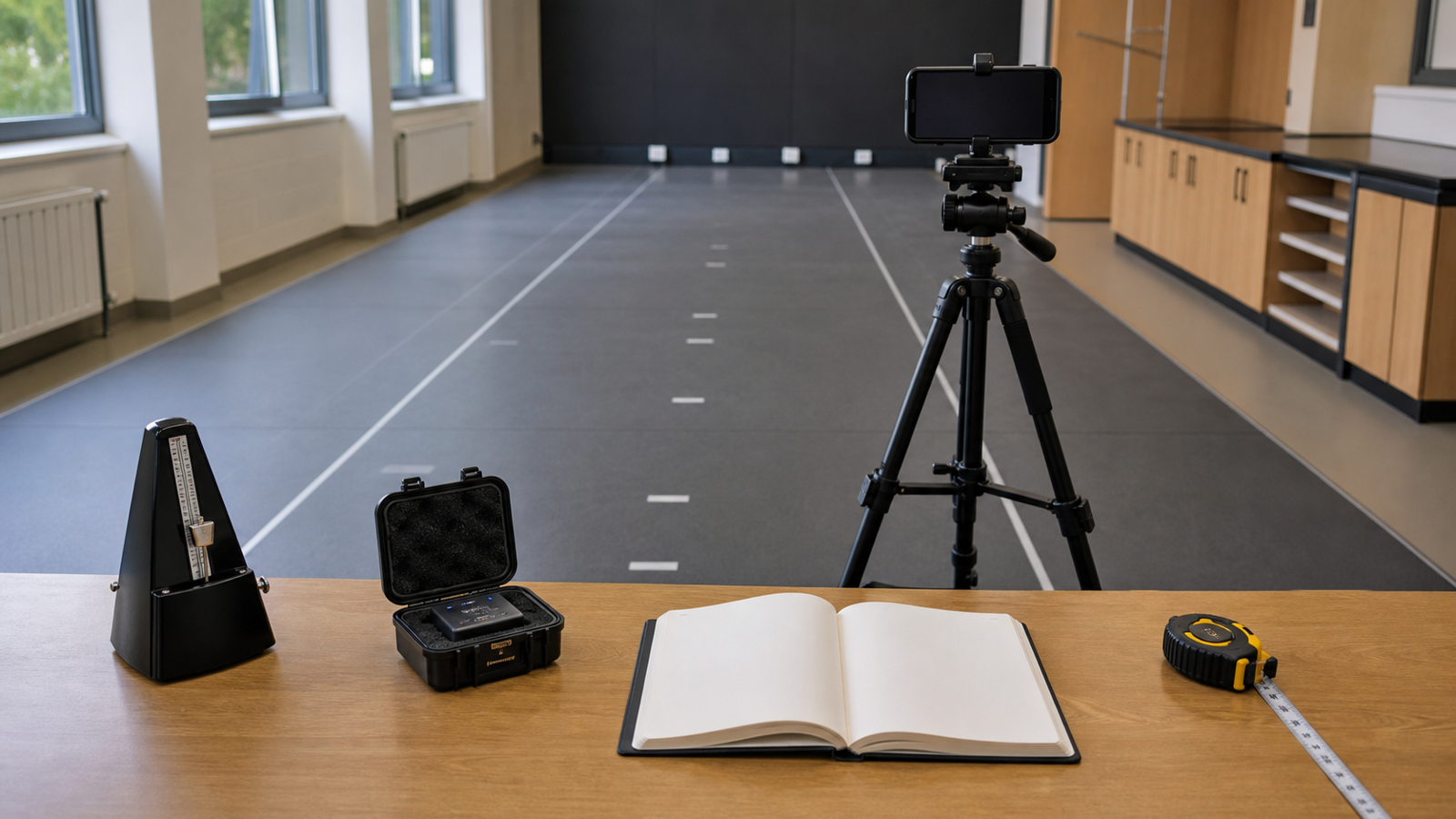
Phones and sensors can make the lesson accessible
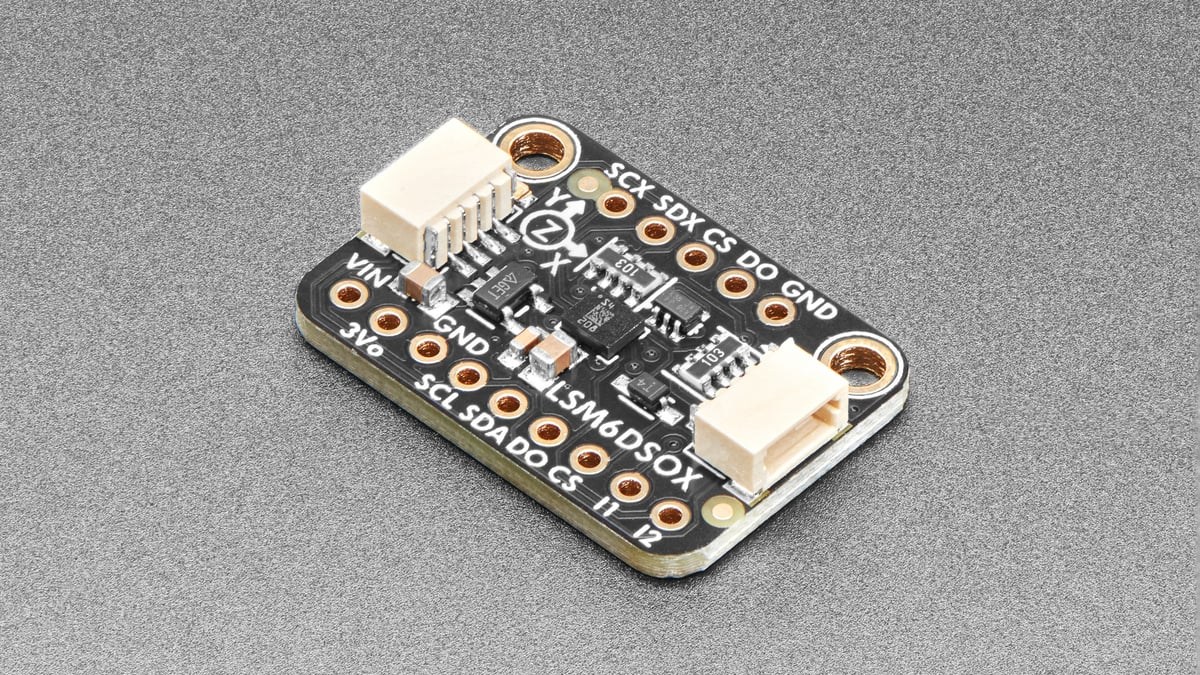
Tools such as phyphox let students use phone sensors for physics experiments. That can lower the barrier for a classroom or club that cannot buy dedicated timing hardware. The tradeoff is that phone sensors must be explained carefully: sampling rates, mounting, sensor fusion and device differences can change the data.
A good STEM lab should compare methods instead of pretending one is perfect. Run a timing gate, record video, log phone sensor data and compare the results. Ask which setup is most repeatable, which is easiest to debug and which error source dominates.
TVG Take
Sports-tech measurement is a strong broadened lane for TVG because it connects everyday motion to sensors, software and data quality. The best classroom version is not a scoreboard. It is a measurement-system lab where students discover why hardware placement, calibration and procedure matter.
For teams already building robots, the transfer is direct: the same discipline that makes a timing gate credible also makes an autonomous routine easier to debug.
Safety and consent still matter
Even a low-stakes STEM lab should avoid turning measurement into pressure on students. Use anonymous runs, noncompetitive examples or rolling objects when appropriate. The learning goal is sensor quality and data interpretation, not ranking people.
That framing also makes the lab more inclusive. Students who do not want to run a sprint can still build the timing gate, write the logger, compare video frames, calculate uncertainty or design a better mount. Sports tech becomes an engineering project instead of a narrow athletic test.
Related TVG reading
For more engineering-first context, continue with these related TVG Report pieces:
- Why the 2026 World Cup Is a Technology Test Bed for STEM and Maker Labs
- E-Bike Battery Certification Is the First Spec STEM Riders Should Check
- Switch Access for STEM Projects: Building Controls More Students Can Use

That’s a really interesting idea. It’s amazing how readily available tech can be used for practical STEM learning like that.