ROS 2 Lyrical Luth arrived in May 2026 just as the robotics community gathered in Vienna for ICRA 2026. The timing is useful: one event is about where robotics research is going; the other is about the middleware and tooling that builders use to make robots repeatable outside a demo booth.
Why it matters
The ROS 2 documentation lists Lyrical Luth as the May 2026 distribution and points readers to the Lyrical changelog, release timeline, and supported platforms. Meanwhile, the IEEE International Conference on Robotics and Automation ran June 1–5, 2026 in Vienna. Together, they highlight a practical reality for robotics teams: research progress only turns into deployed machines when the software stack is maintainable.
For students, startups, and lab teams, a ROS 2 distribution is more than a version name. It affects package compatibility, supported operating systems, build farms, simulation workflows, middleware choices, and how long a robot can be maintained without constantly chasing source-level breakage.
Technical breakdown
ROS 2 is described by its own documentation as “a set of software libraries and tools for building robot applications,” spanning drivers, algorithms, and developer tools. A distribution such as Lyrical packages that ecosystem into a target release so teams can plan around a shared baseline.
The engineering impact shows up in several areas:
- Dependency planning: teams can decide which packages, drivers, and middleware implementations belong in a project baseline.
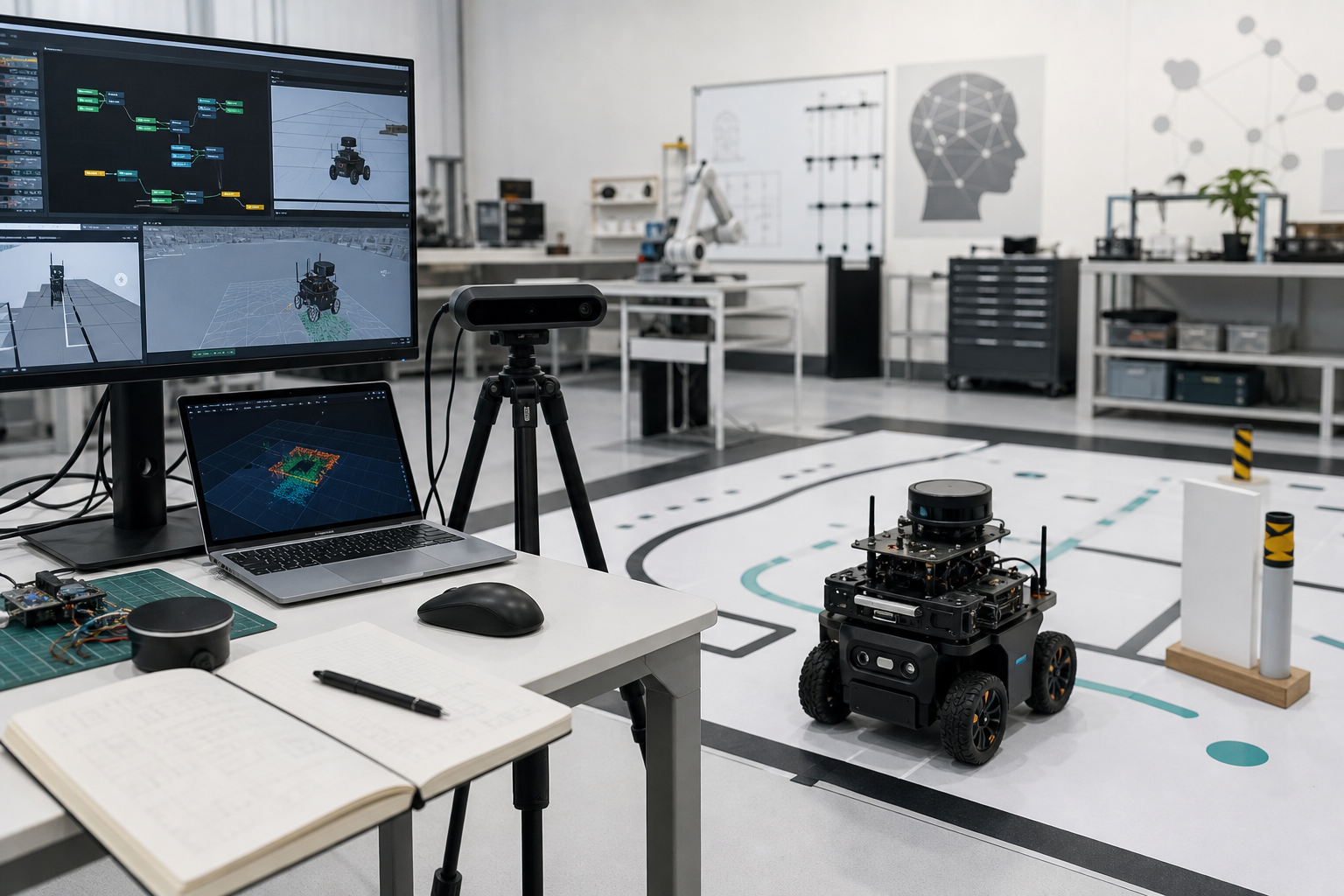
- Simulation-to-hardware workflow: ICRA-style research demos often depend on simulation, perception, planning, and control stacks that need stable integration paths.
- Education: instructors can align course images, lab machines, and robot kits to a documented release instead of asking students to debug rolling dependencies.
- Long-term maintenance: a named ROS 2 release gives robotics teams a cleaner point for testing upgrades, freezing environments, and documenting support.
The official GitHub repository also describes ROS as a meta operating system for robots, underscoring the point: this is the coordination layer where hardware, sensors, control code, and developer workflows meet.
Builder, STEM, and industry impact
For STEM robotics teams, the practical move is to treat Lyrical as a planning checkpoint. Before upgrading a robot, list the sensors, motor controllers, perception packages, simulation assets, and classroom machines that must still work. Then test the migration on a spare image or container before touching competition or classroom hardware.
For industry teams, the same discipline applies at fleet scale. A ROS 2 upgrade should be handled like an embedded-platform release: inventory dependencies, test core behaviors, validate latency-sensitive paths, and keep rollback options.
Risks and unknowns
New distributions can expose package gaps, driver lag, or differences in supported platforms. Teams should not assume every package in an older robot image is ready on day one. The safe path is a staged migration: development workstation first, simulation second, one hardware unit third, and only then broader deployment.
TVG Take
ICRA shows the future of robotics; ROS 2 releases determine how much of that future builders can actually reproduce. Lyrical Luth is a reminder that robotics progress depends as much on release engineering, documentation, and integration discipline as it does on new algorithms.