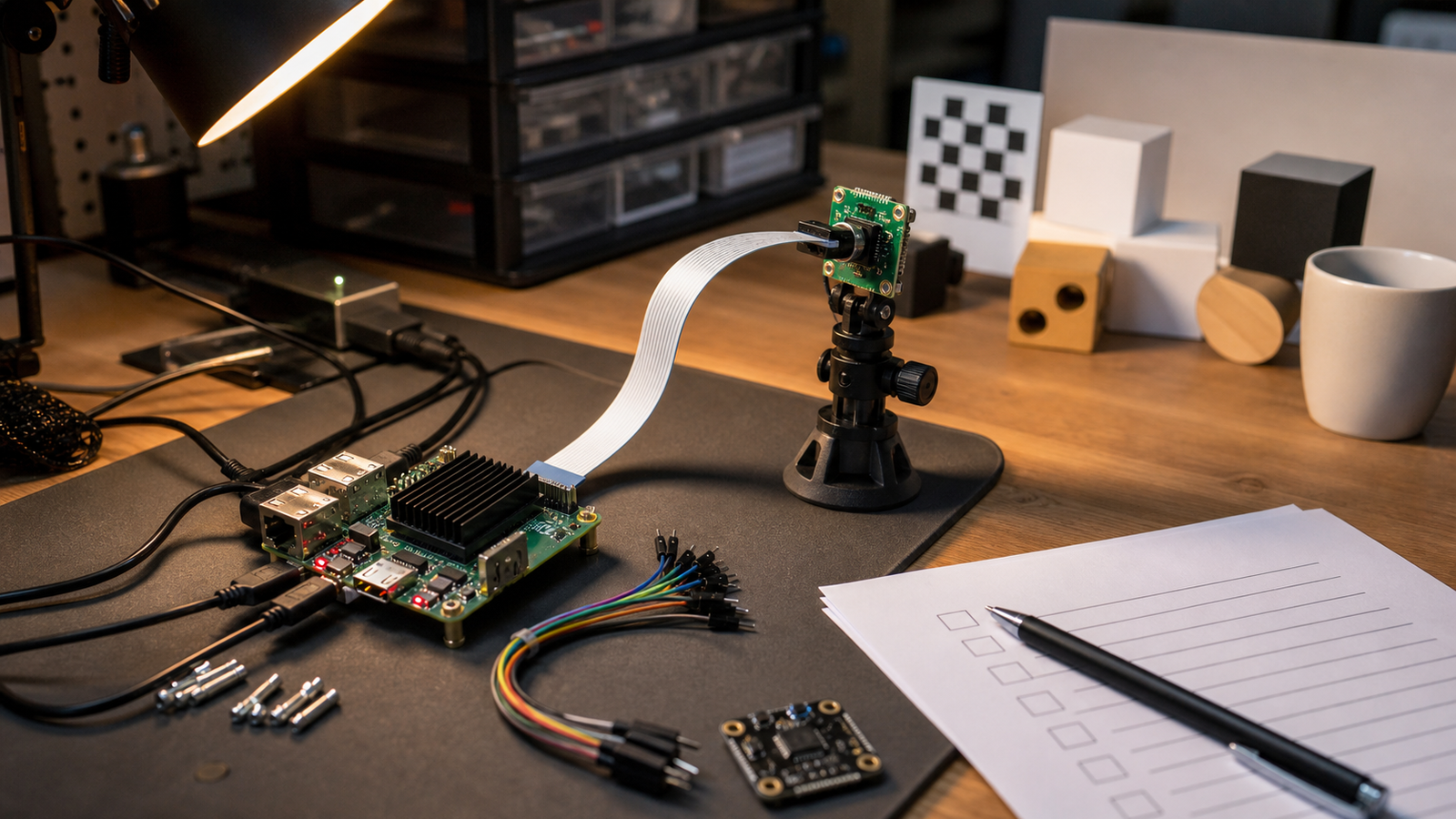
Raspberry Pi Press has published AI Projects with Raspberry Pi, a new hands-on book aimed at builders who want to run real AI projects on familiar Raspberry Pi hardware rather than treat artificial intelligence as a remote cloud service.
The July 21 announcement describes the book as a guide to “real-world AI applications” on Raspberry Pi. That matters for TVG readers because the practical barrier in small labs is rarely the phrase “AI” itself. It is the stack around the model: camera setup, repeatable data, power, storage, latency, and enough documentation that a student or maker can rebuild the project after the first demo.
What Raspberry Pi announced
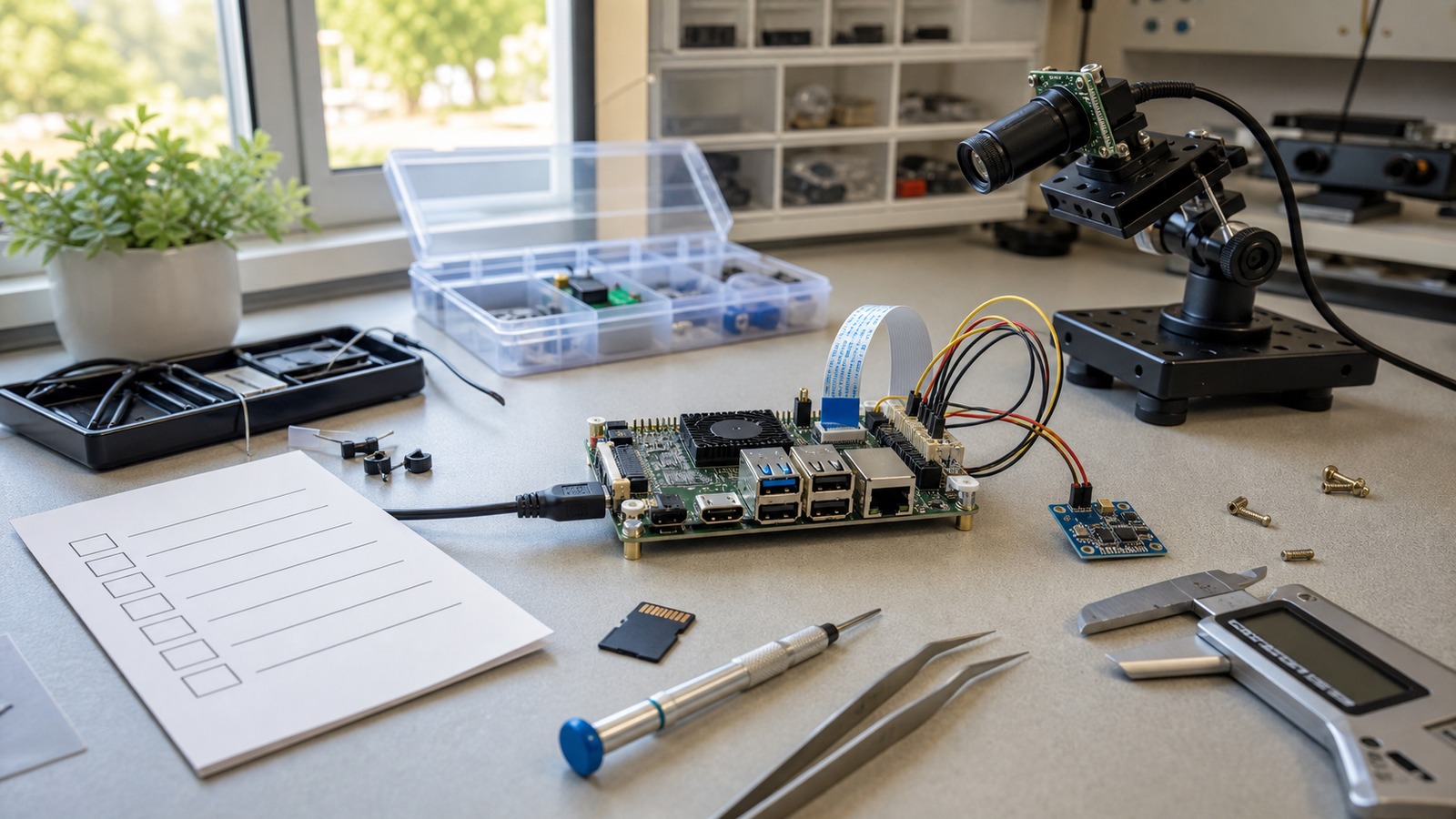
According to Raspberry Pi, the book is from Raspberry Pi Press and focuses on projects that can be built with hardware many makers already know. The company’s recent AI hardware push also includes the Raspberry Pi AI Camera and the AI HAT+ family for Raspberry Pi 5, giving builders several ways to try local vision and model-assisted projects without starting from a server rack.
TVG has been watching this shift because it changes the teaching path. A classroom can start with a camera, a small board, and a visible physical task: sort objects, detect a marker, identify a sound, or trigger an output. That is easier to explain than a black-box chatbot, and it gives instructors a way to connect software decisions to sensors, enclosures, lighting, and power budgets.
Why it matters
Edge AI becomes more useful when it is treated as an engineering project, not a magic feature. A Raspberry Pi project still needs a controlled scene, a dataset plan, a model that fits the hardware, and a fallback behavior when the result is uncertain.
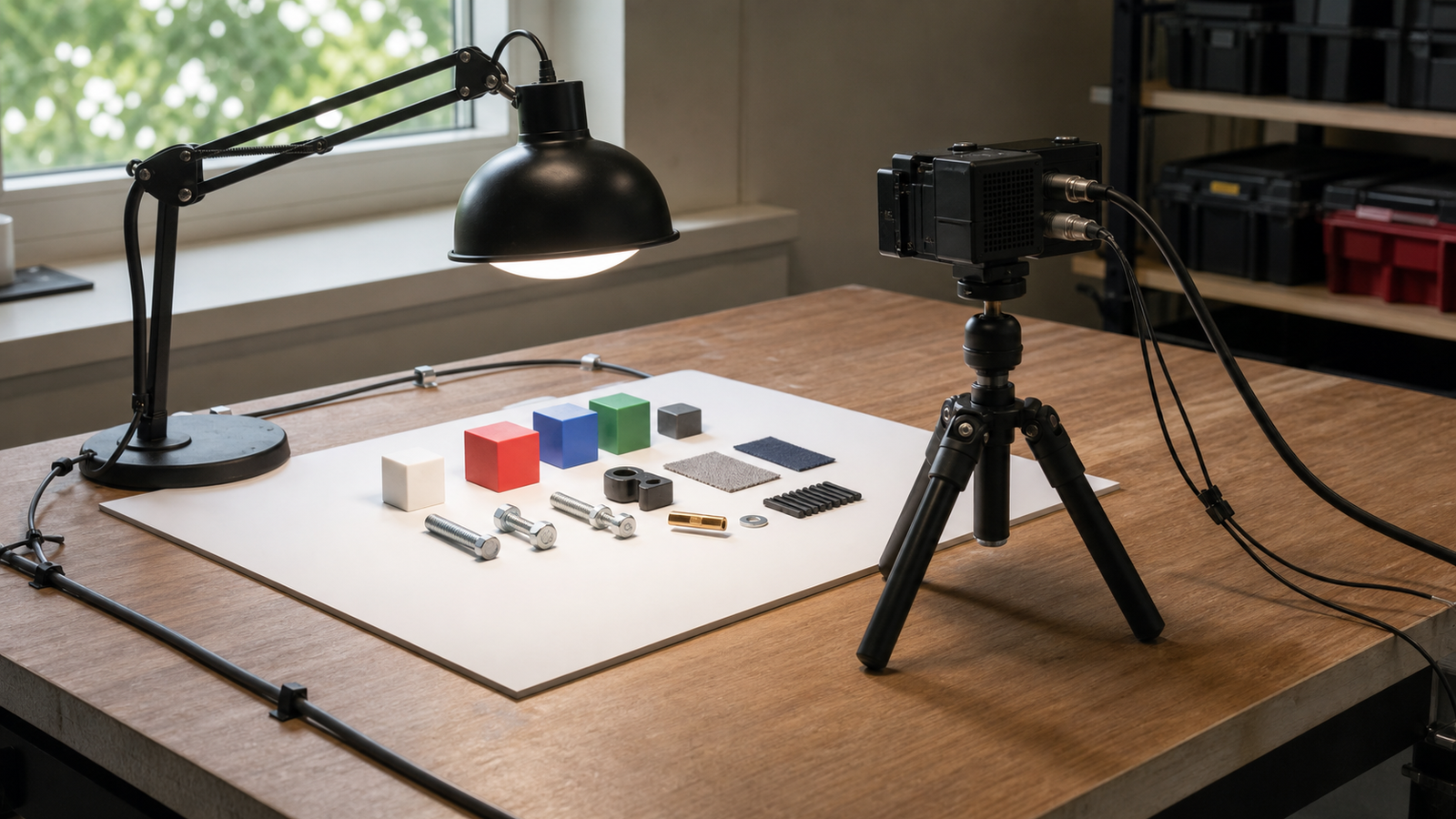
That is the same lesson behind TVG’s recent guide to Raspberry Pi AI Camera dataset checklists. If a project only works when the demo table is perfectly lit, it is not ready for a club showcase, field installation, or student handoff.
TVG Analysis
The important part of this release is not just another book title. It is the normalization of AI as a maker-lab workflow. Raspberry Pi’s advantage is that the physical computing ecosystem already teaches pinouts, cases, camera mounts, power supplies, Python scripts, and debugging habits. AI projects can inherit that discipline if builders document the inputs and failure modes as carefully as they document the code.
TVG will be looking for projects that show their test conditions, dataset limits, latency, and hardware bill of materials. Those details separate useful edge AI education from a one-afternoon novelty.
What remains unknown
The announcement does not by itself prove how well every project will translate across classrooms, club budgets, or older Raspberry Pi boards. The next test is whether makers publish repeatable builds, dataset notes, and performance limits as they work through the book.
Builder checklist
- Confirm which Raspberry Pi board, camera, accelerator and power supply the project assumes before ordering parts.
- Create a small test dataset before expanding the project so students can see how lighting, angle and background affect results.
- Record latency and confidence behavior instead of only asking whether the demo worked once.
- Keep a non-AI fallback path for motors, lights or alerts so the physical build fails safely.
That checklist is where educational AI becomes engineering education. A book can introduce the project path, but the lab still has to decide how to mount the camera, route the cable, cool the board, store examples and explain uncertainty to the next student team.
Sources
- Raspberry Pi: AI Projects with Raspberry Pi — out now
- Raspberry Pi: Introducing the Raspberry Pi AI HAT+ 2
- TVG: Raspberry Pi AI Camera dataset checklist