Raspberry Pi AI Camera and Luxonis OAK-D Lite both bring on-device vision to small robots, but they teach different lessons. The Raspberry Pi module is best for image-sensor AI acceleration inside the Pi ecosystem. OAK-D Lite is better when students need stereo depth, spatial coordinates, and 3D perception workflows.
Quick answer
- Choose Raspberry Pi AI Camera: lower-cost Pi-first object detection and sensor-level AI lessons.
- Choose OAK-D Lite: depth, distance, and spatial AI for robots that need 3D awareness.
- Do not treat them as interchangeable: one is a Pi camera with AI acceleration; the other is a depth-capable vision module.
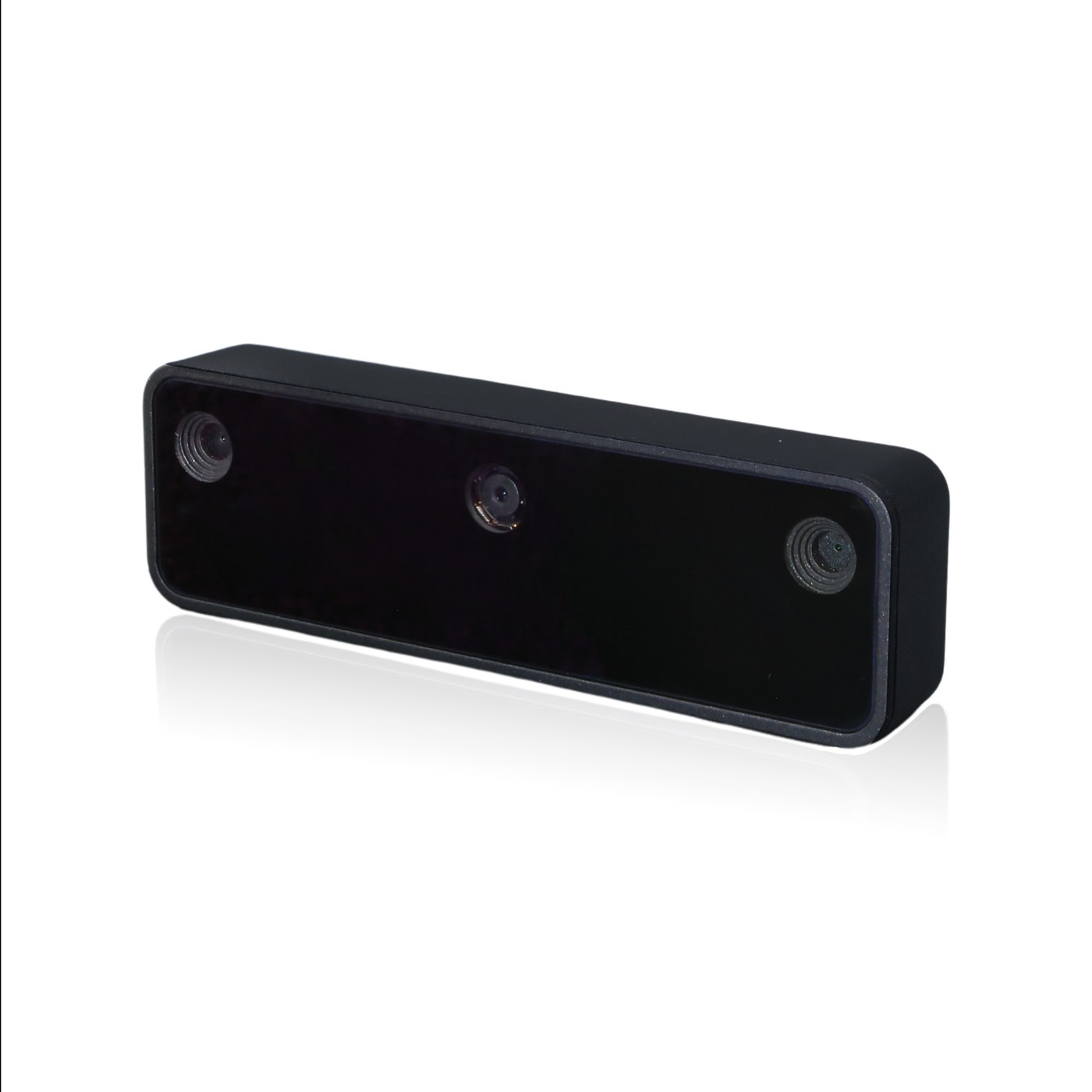
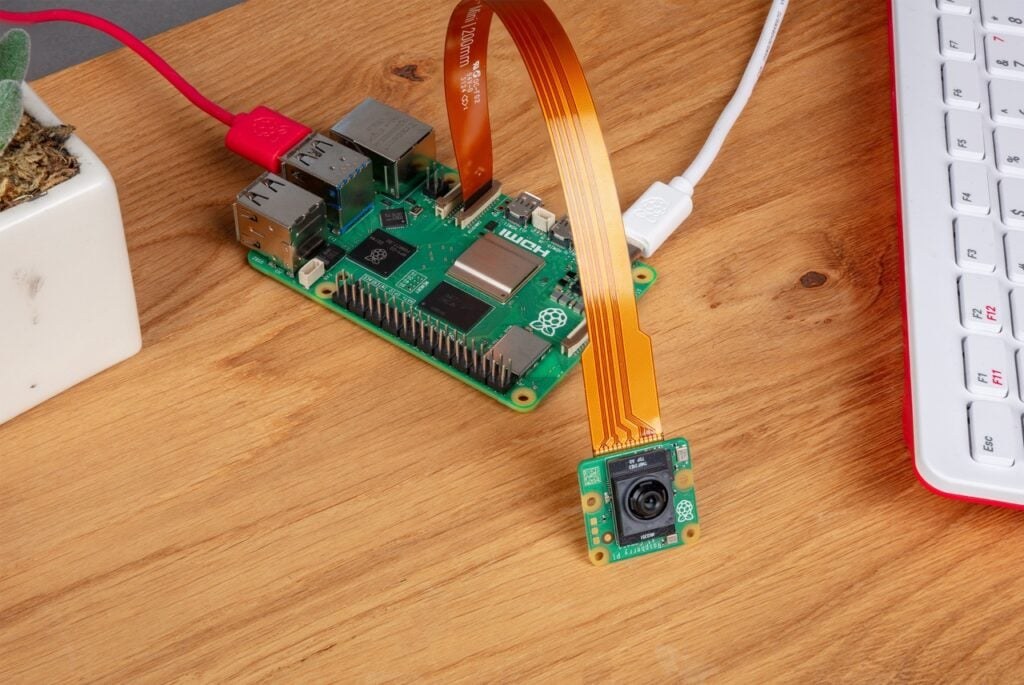
The Raspberry Pi AI Camera teaches sensor-side AI
The AI Camera is compelling for classrooms because the processor is part of the camera module story. Instead of treating a camera as a passive image pipe, students can explore what happens when model inference sits close to the sensor. That opens lessons around latency, frame selection, model size, power budget, and how much work should stay off the main board.
The OAK-D Lite teaches spatial perception
The OAK-D Lite is the more natural fit when depth is the lesson. Stereo cameras introduce calibration, baseline, minimum distance, lighting constraints, and coordinate systems. Those topics are harder than basic object detection, but they also map directly to obstacle avoidance, target ranging, and robot navigation.
- Raspberry Pi AI Camera: strong fit for object detection, simple edge-AI demos, and Pi-first software lessons.
- OAK-D Lite: stronger fit for depth, spatial AI, and robot navigation experiments.
- Both: require stable mounting, known lighting, repeatable datasets, and honest documentation of model limits.
TVG Take
The best classroom purchase is the one that matches the learning objective. A Pi-first AI camera can lower the barrier to useful inference. A spatial camera raises the ceiling for robotics lessons. Schools should avoid presenting either module as magic vision; the real educational value comes from testing failure cases in glare, shadows, motion blur, cable strain, and changing backgrounds.
That is also why TVG would avoid declaring a universal winner. A Pi-centered course may prefer the AI Camera because setup friction is lower and the host platform is familiar. A robotics-navigation course may prefer the OAK-D Lite because stereo depth forces students to confront geometry, calibration, and spatial error directly.
Related TVG reading
- https://tvgreport.com/luxonis-oak-d-lite-spatial-ai-review-preview/
- https://tvgreport.com/global-shutter-vs-rolling-shutter-robot-camera-checklist/
Mounting and lighting are part of the lesson
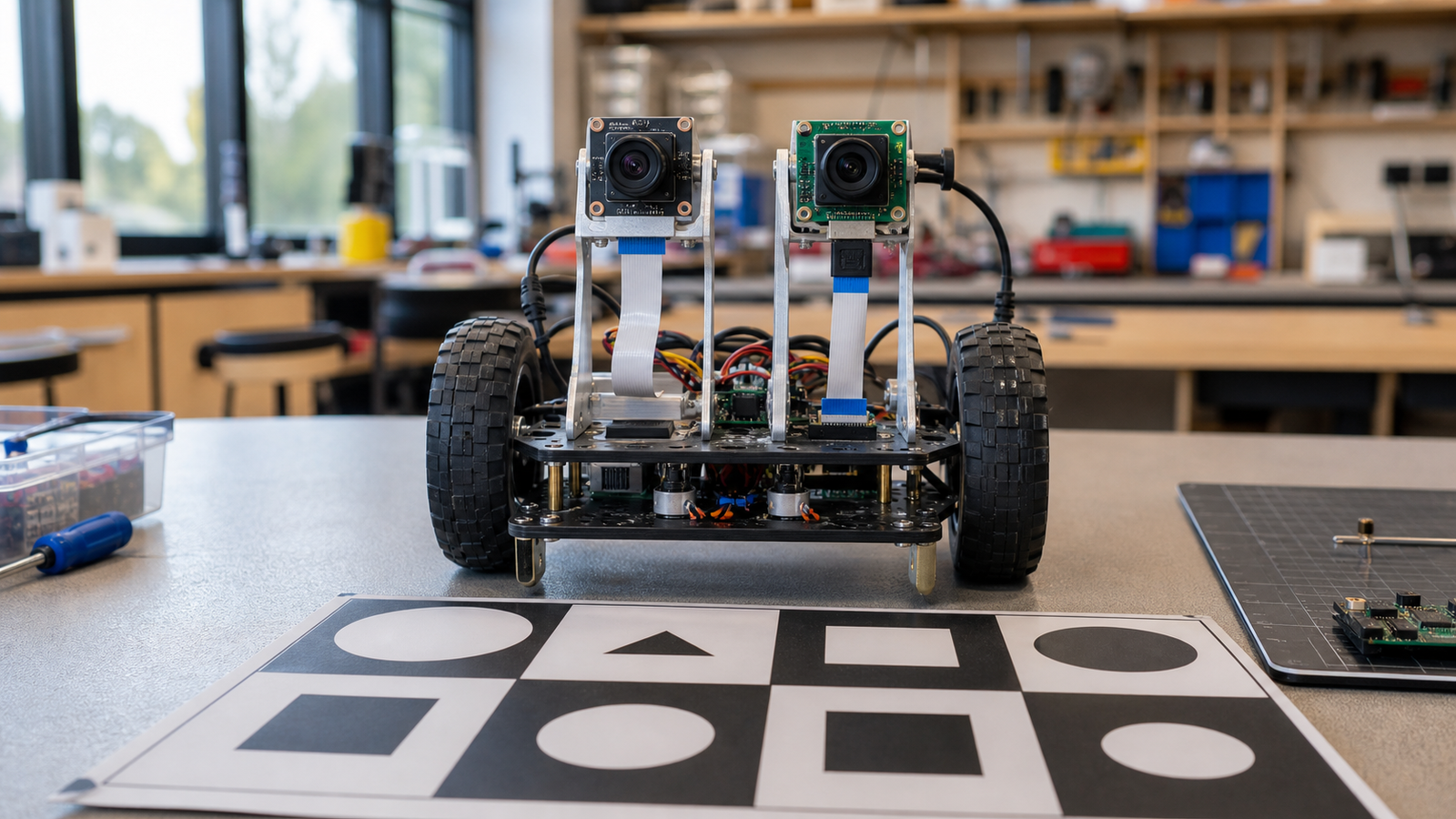
Neither module should be evaluated only from a spec table. A classroom robot needs a rigid mount, repeatable lighting, cable strain relief, and a test scene that can be reproduced by another student group. The OAK-D Lite will expose stereo-depth assumptions when targets are glossy, low texture, or too close. The Raspberry Pi AI Camera will expose model-selection and image-preprocessing assumptions when the background changes.
For a STEM program, that is a feature. The point is not to hide failure cases; it is to let students see why real robots need calibration and validation. A strong lesson plan asks students to record false positives, missed detections, latency changes, and power behavior before they claim the robot “sees” reliably.
Cost also changes the teaching strategy. If a classroom can afford several lower-cost camera modules, it may learn more from parallel student teams than from one expensive demonstration platform. If the class needs depth, however, buying the wrong module to save money can force students into awkward approximations that hide the real geometry problem.
TVG would treat both devices as curriculum components rather than generic accessories. The buying decision should start with the lab question: Do students need to classify objects, measure distance, follow targets, compare model latency, or integrate a camera into a robot that must survive repeated handling? The answer points to different hardware.
That is also why TVG would avoid declaring a universal winner. A Pi-centered course may prefer the AI Camera because setup friction is lower and the host platform is familiar. A robotics-navigation course may prefer the OAK-D Lite because stereo depth forces students to confront geometry, calibration, and spatial error directly.
Related TVG reading
- https://tvgreport.com/luxonis-oak-d-lite-spatial-ai-review-preview/
- https://tvgreport.com/global-shutter-vs-rolling-shutter-robot-camera-checklist/