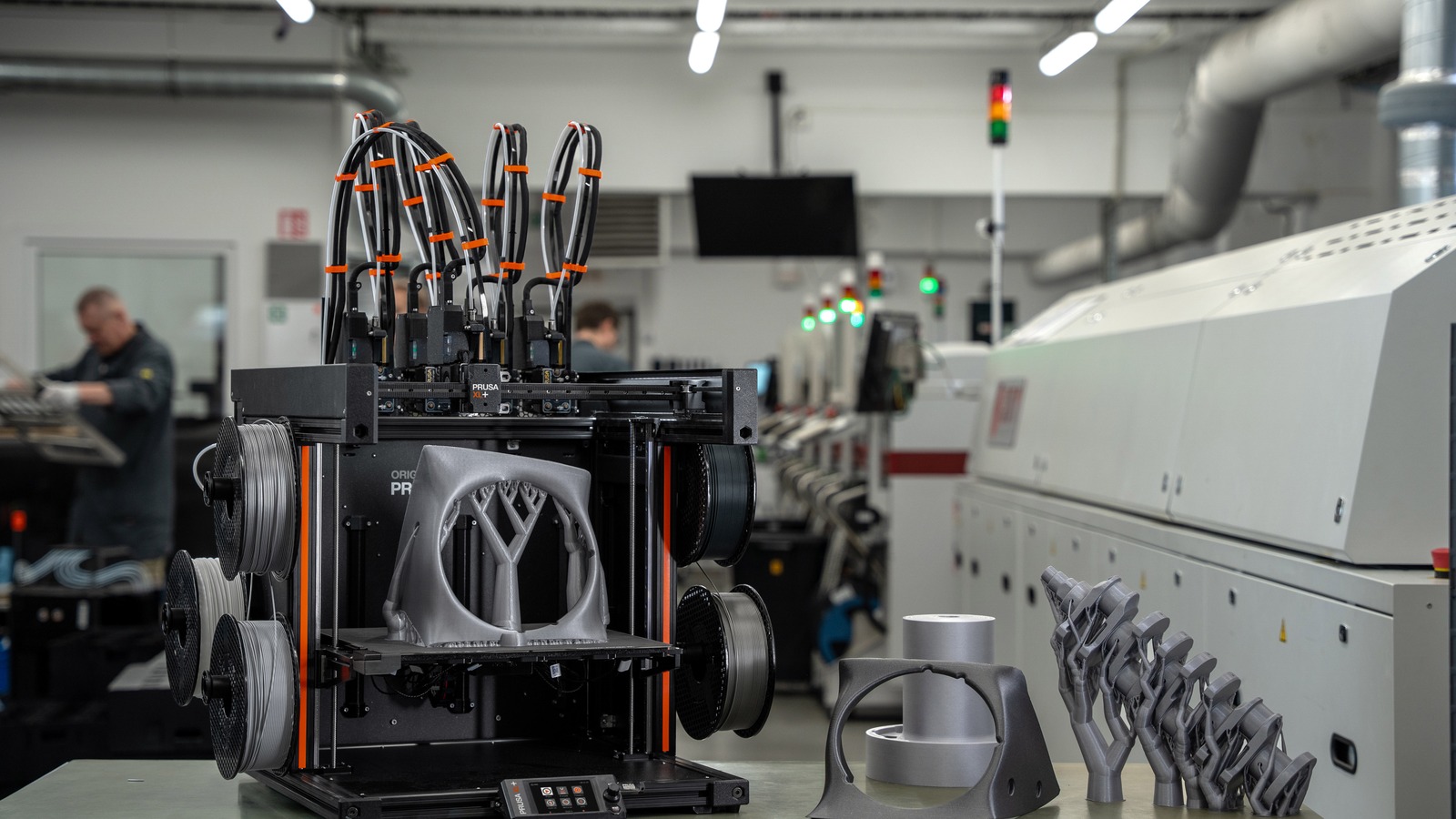
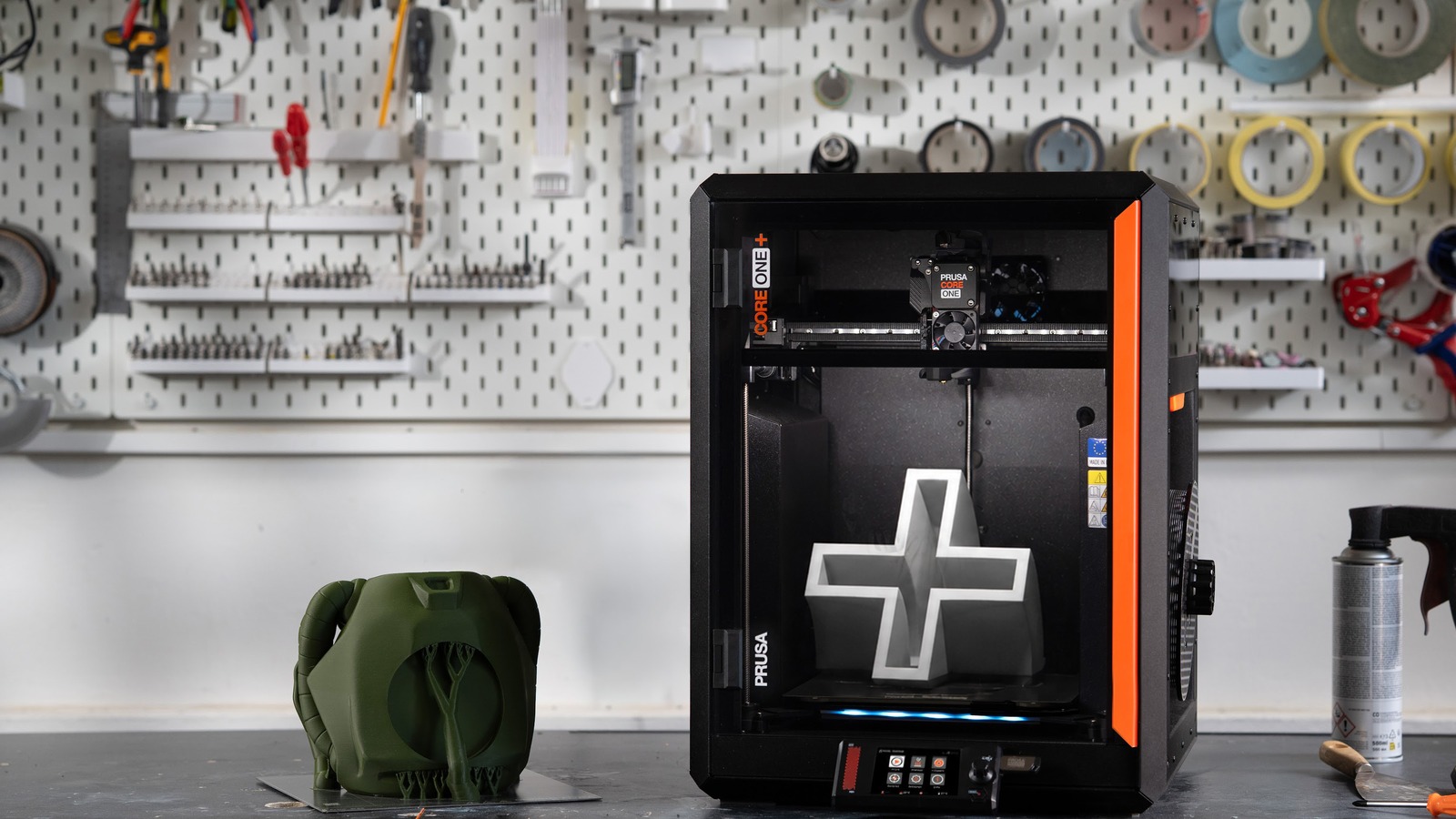
Prusa is updating the top end of its desktop 3D-printer lineup with the CORE One+, CORE One L+, and XL+. The useful story for maker labs is not only that the machines get new parts. It is that Prusa is trying to make the upgrade path itself part of the product.
The company’s embargoed release materials describe revised Plus models across the enclosed CORE One family and the larger XL platform, with upgrades around print quality, nozzle wiping, belt changes, usability, and maintenance. Public product pages for the CORE One+ now frame the machine as a fully enclosed CoreXY printer with active chamber temperature control, while public coverage from All3DP also notes the new Plus lineup and promised upgrade paths for existing owners.
Why it matters
Desktop 3D printing has matured past the era when every launch could be judged by speed claims alone. Schools, small print farms, robotics teams, and product-development benches care about whether a printer can stay useful after the next model arrives. Upgrade kits, shared parts, nozzle-cleaning routines, and documented service paths affect total cost and downtime as much as headline acceleration numbers.
That is especially true for teams that already standardized on a printer fleet. A new generation that makes old machines feel abandoned creates operational friction. A new generation that can be partially backported gives buyers a less painful path.
The engineering signal
The Plus lineup points to several practical themes: cleaner nozzle behavior, more predictable setup, revised motion hardware, and easier ownership for existing users. TVG has not tested the new machines, so this is not a review. The engineering signal is that Prusa is treating reliability and continuity as launch features.
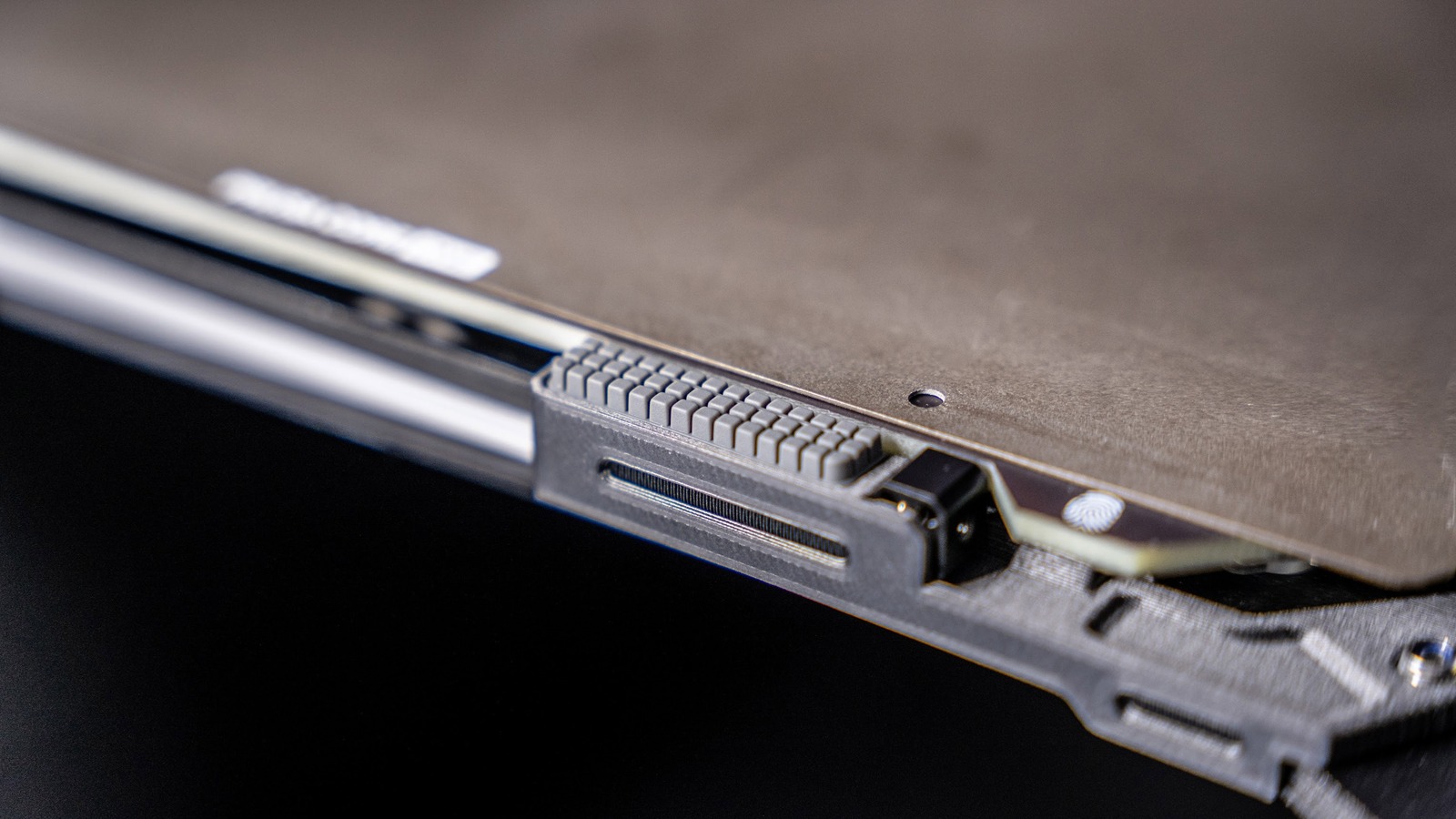
Nozzle wiping is a good example. It is not glamorous, but it can affect first-layer consistency, multi-tool workflows, and print-farm repeatability. Belt and toolhead changes are similarly mundane until a team has to diagnose dozens of failed prints during a deadline week.
What remains unknown
The open questions are the usual ones: final shipping timing by region, how upgrade kits behave in real owner installations, what parts are easiest to service, and whether print quality improvements hold across common materials rather than selected demos. Buyers should also wait for independent testing before treating any new model as a guaranteed reliability jump.
TVG Analysis
TVG’s read is that Prusa is defending a specific kind of buyer: the lab, school, and small business that wants a printer platform rather than a disposable appliance. The Plus naming matters less than the maintenance promise behind it. If Prusa can make the new machines feel both improved and serviceable for existing owners, that is a stronger long-term story than another speed chart.
Related TVG reading
- 3D Printer Enclosures and Filament Drying Need One Shared Temperature Plan
- 3D Printer Enclosures Need a Ventilation Plan, Not Just Acrylic Walls
- Thermal Cameras Can Turn 3D Printer Troubleshooting Into a Better Engineering Lab