The Connectivity Standards Alliance announced Matter 1.6 in June, describing it as a focused release for more intuitive setup, multi-ecosystem experiences and context-driven control. For readers who build home labs, classroom demos or reliable smart-home installations, the important part is not only the version number. It is the continuing push to make device commissioning less brittle.
Matter was created to give smart-home devices a shared application layer across major ecosystems. The CSA says the standard is meant to simplify development and improve interoperability. Thread, one of the important low-power networking pieces in many Matter installations, is promoted by the Thread Group for mesh networking, low power use and IP-based device communication.
Why it matters
A smart-home system can look successful during first setup and still fail as an engineering system. Devices may pair once, then disappear after a router reboot, battery change, ecosystem handoff or firmware update. That is why setup improvements matter: the reliability question includes commissioning, recovery, diagnostics and how clearly the system explains what went wrong.
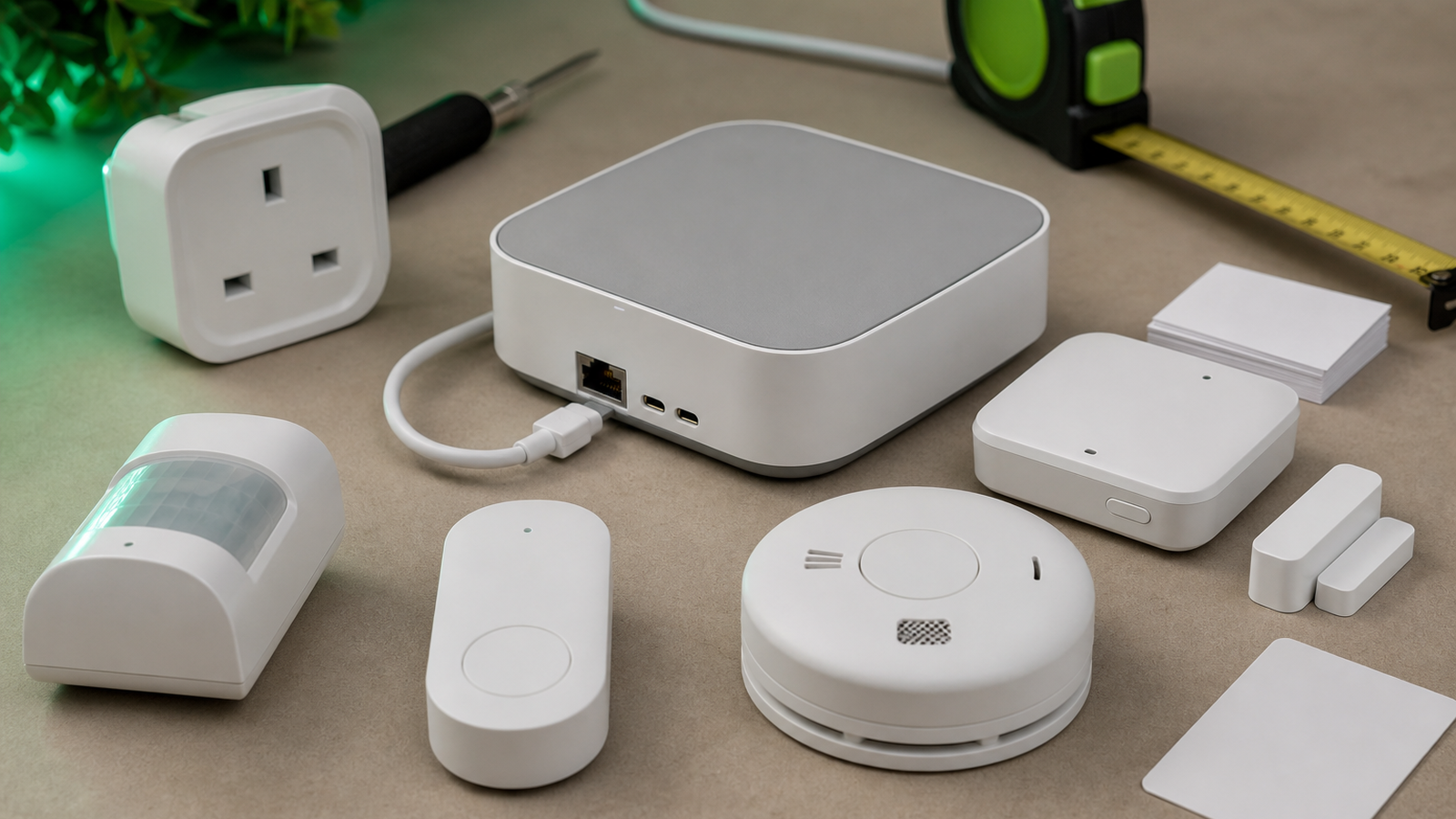
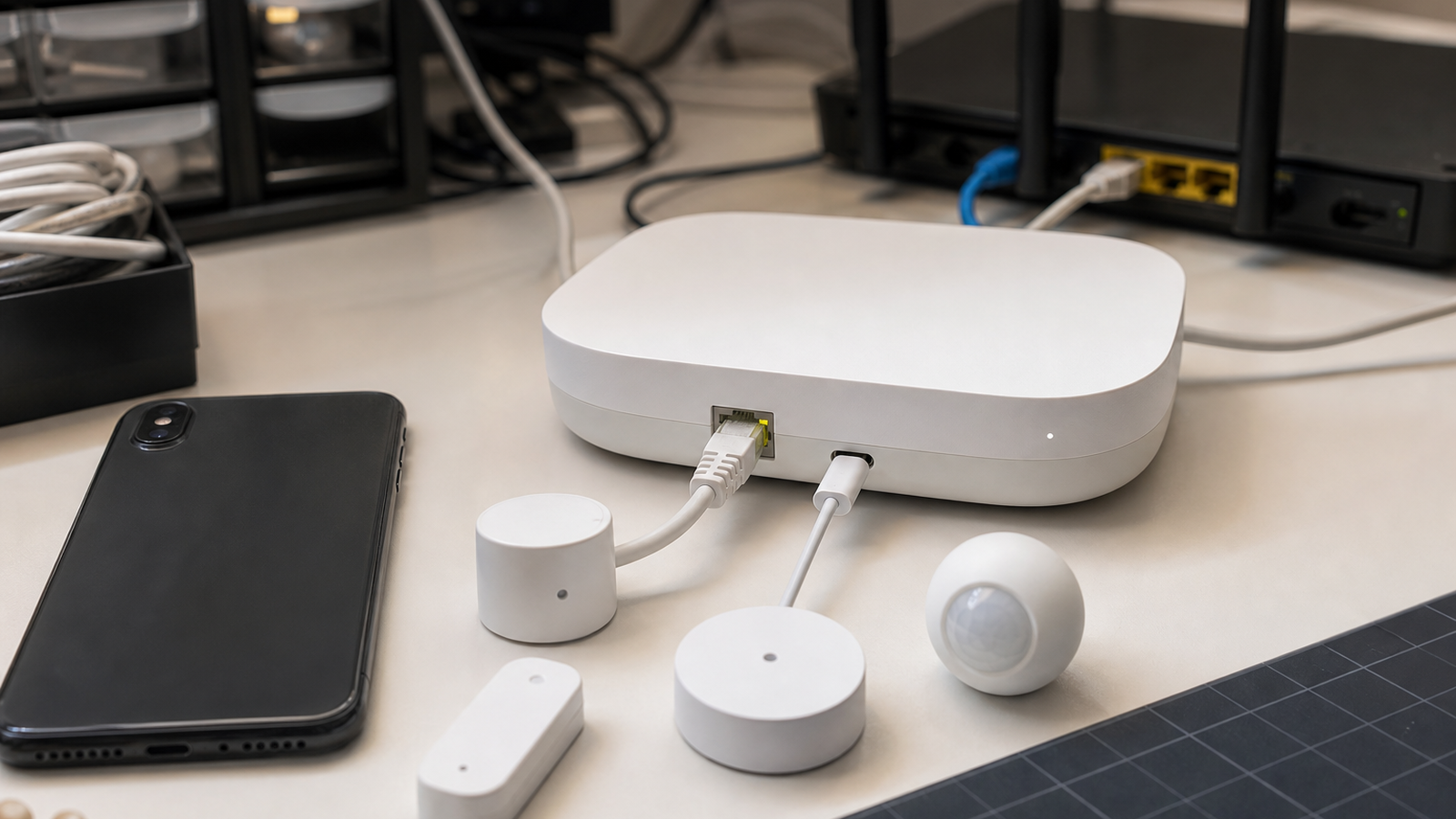
For maker and STEM labs, Matter is also a useful teaching example. It connects networking, embedded firmware, mobile onboarding, cloud accounts, local control and user experience. A classroom sensor demo that uses a Matter device can quickly become a lesson in radios, credentials and interoperability rather than only automation.
Technical context
Matter’s promise depends on several layers working together. The product must implement the application behavior correctly. The network must be stable enough for low-power devices. The user’s controller ecosystem has to show accurate status. If the setup path hides errors, a builder may not know whether a problem is Wi-Fi, Thread border routing, device firmware, app permissions or a platform limitation.
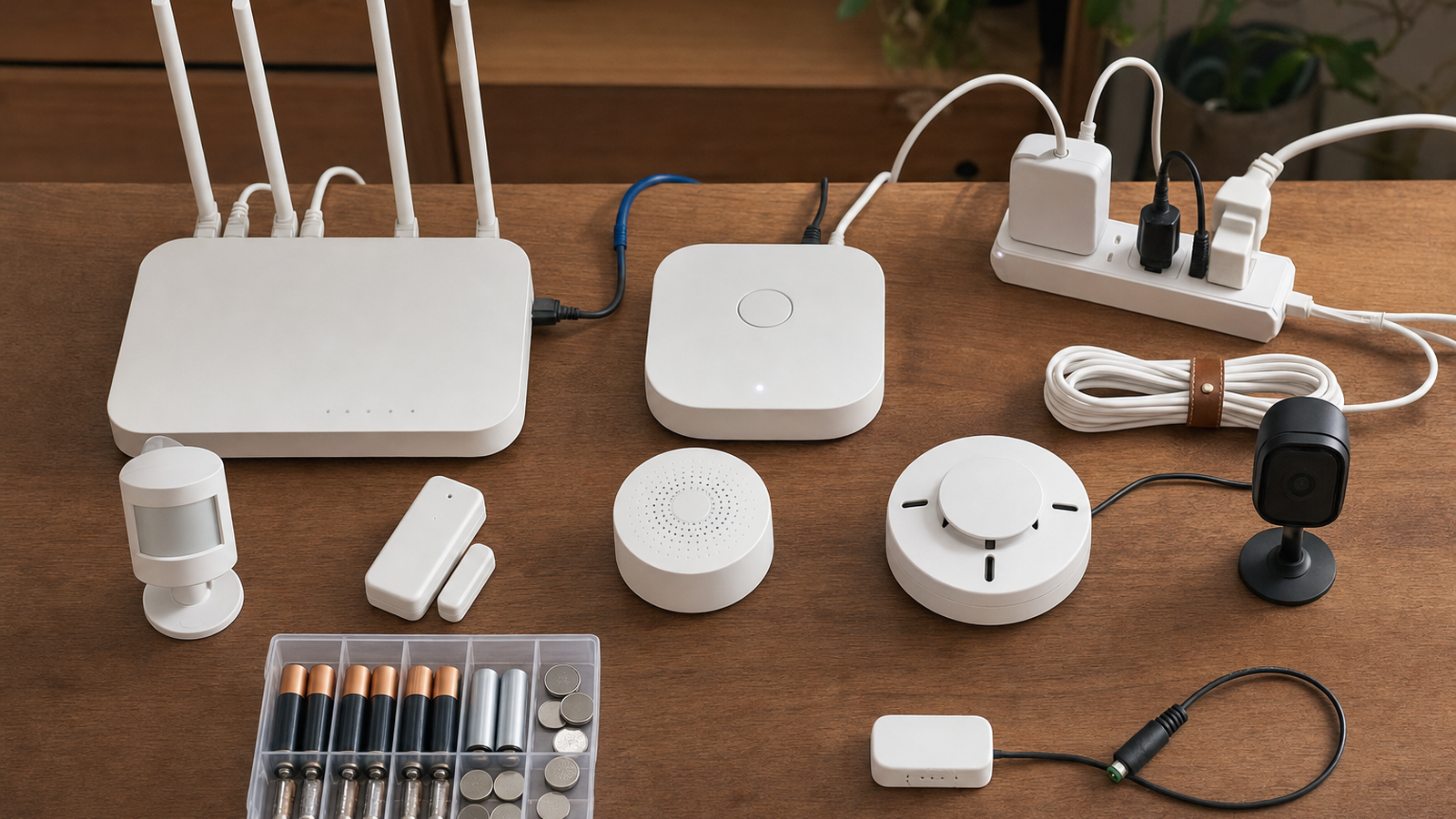
The practical test is simple: can a device be added, moved, restarted, recovered and understood by someone who did not design the system? A stronger standard helps, but real reliability still depends on vendors shipping clear firmware behavior, ecosystems exposing diagnostics and installers documenting where devices and border routers actually sit.
What builders should test
For a practical lab check, add one device through the primary ecosystem, share it to a second controller when supported, then power-cycle the hub, border router and device. Record whether the device returns with the same name, room assignment and automation behavior. Repeat the test after a firmware update. Those steps are not glamorous, but they reveal whether interoperability is becoming dependable enough for ordinary homes and STEM demonstrations.
Builders should also document radio placement. A Thread device buried behind metal shelving or placed at the edge of a mesh can look like a software problem even when the standard is working as designed.
Those checks belong in the setup notes.
TVG Analysis
Matter 1.6 is worth watching because smart-home interoperability is shifting from headline support to operational reliability. The next gains will come from fewer failed pairings, cleaner multi-admin behavior, better Thread placement guidance and clearer recovery when something falls offline.
What remains unknown is how quickly platforms and device makers will implement the newest release, and whether the improvements will be visible to ordinary users rather than only certification labs. TVG will watch for real device updates, setup-error reporting and examples where multi-ecosystem control becomes easier to debug.
Related TVG reading: Thread sensor placement for smart-home labs.