E-bike assist systems are often discussed as a comfort feature, but the sensor choice is also an engineering decision. A cadence sensor and a torque sensor can both make a bike feel electric. They do it in very different ways.
For a maker garage, repair club, or STEM transportation project, the difference affects diagnostics, safety checks, battery behavior, and how easily a rider can predict the motor’s response.
Quick answer
A cadence sensor mainly detects that the pedals are turning. A torque sensor measures rider force and can scale assistance more naturally. Cadence systems are often simpler and cheaper. Torque systems usually feel smoother, but they add measurement and calibration complexity.
TVG recently covered e-bike battery charging safety in a maker garage. The assist sensor deserves the same practical attention because it is part of the rider-control loop.
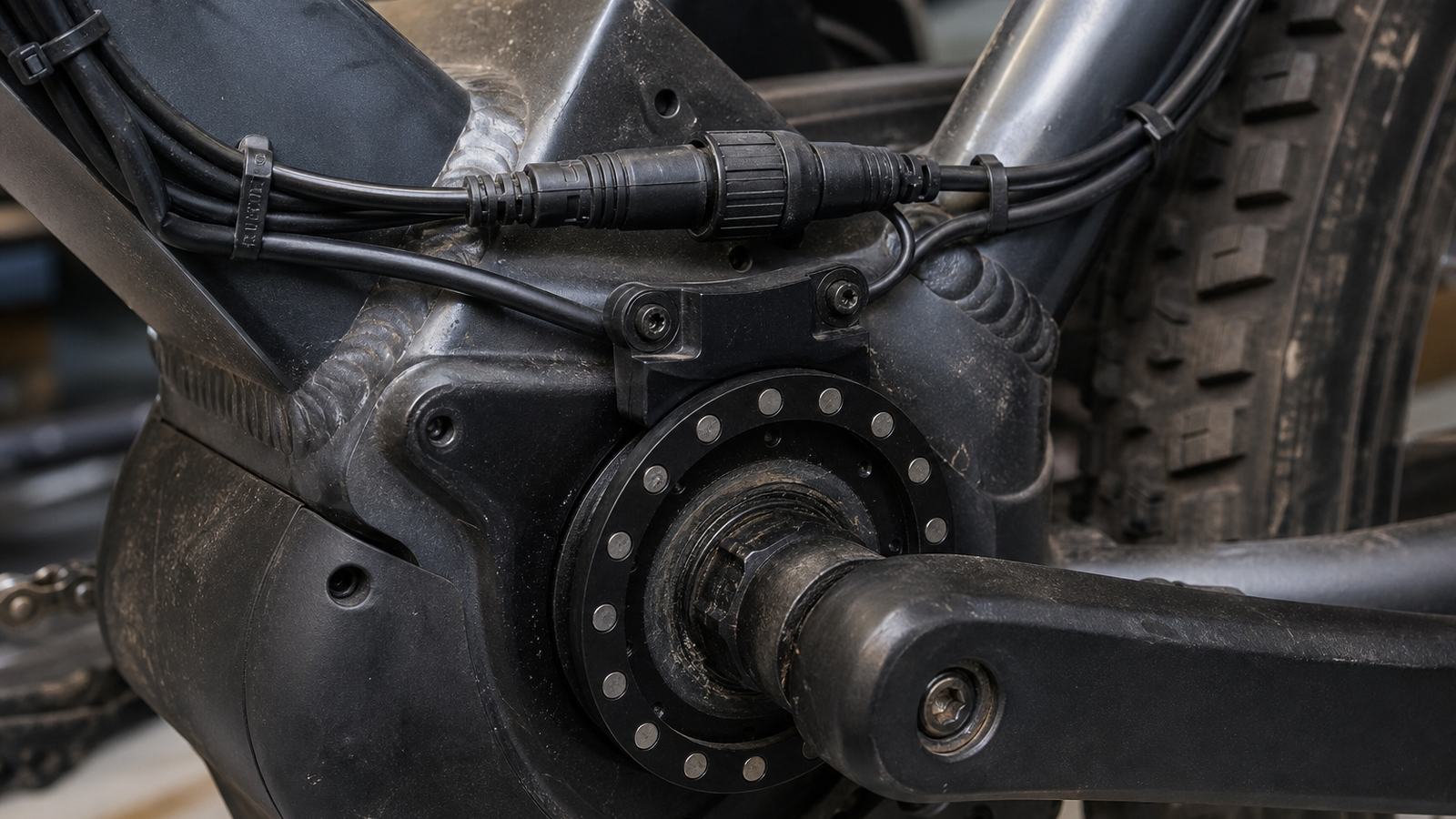
Cadence sensing: simple but less expressive
A cadence-based system can be easy to understand: when pedaling is detected, the controller applies assistance according to the selected level and control logic. That simplicity helps low-cost builds and basic diagnostics. If the magnet ring, pickup, connector, or cable fails, the symptom can be obvious.
The tradeoff is feel. Because the system is not directly measuring pedal force, assist may arrive in a more on/off way. Controller tuning can improve that behavior, but the system still has less information about what the rider is trying to do.
Torque sensing: better intent signal, more things to validate
A torque sensor gives the controller a richer input. Push harder, and the bike can add more help. That can make starts, hills, and low-speed maneuvering feel more controlled.
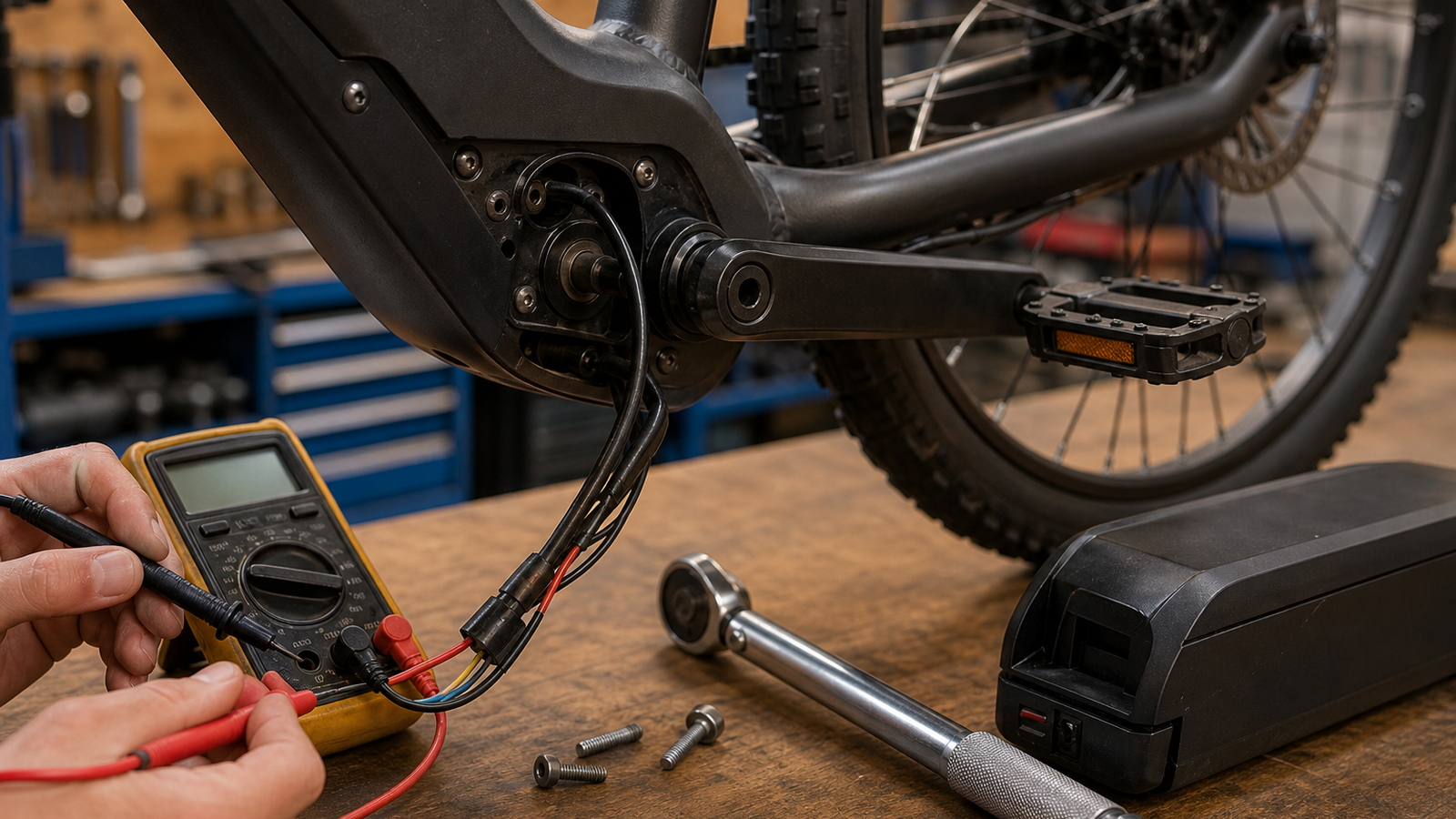
The cost is complexity. A maker garage should think about sensor calibration, connector quality, water ingress, firmware behavior, and whether replacement parts are available. A torque system that feels excellent when new can still become difficult to service if the sensor is buried in a proprietary assembly.
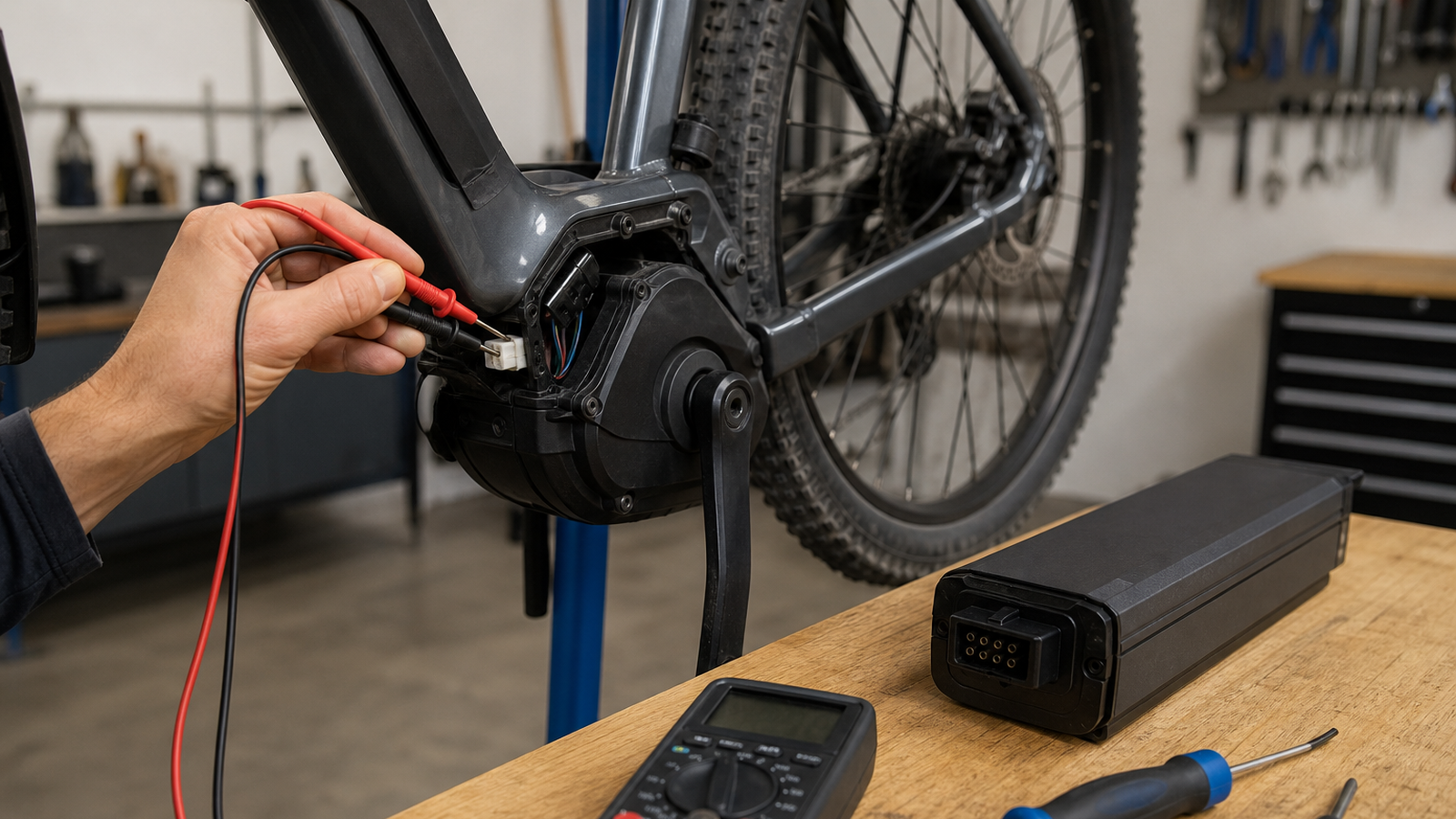
Maker-garage checklist
- Confirm the bike does not apply assist without clear pedal input.
- Inspect sensor wiring for abrasion, water exposure, and loose connectors.
- Test low-speed starts, stops, and tight turns in a safe area.
- Record battery behavior at each assist level instead of judging by feel alone.
- Document replacement-part availability before using the platform for a long-term project.
Accessibility also matters. Clear labels, simple fault notes, and safe workshop procedures can make an e-bike project easier for mixed-experience teams, echoing TVG’s guide to accessible labels in maker labs.
TVG Take
Torque sensors usually make the better riding experience, but cadence sensors can be easier to teach, inspect, and repair. The right choice depends on the project goal. If the bike is a transportation platform, prioritize predictable assist and serviceability. If it is a classroom control-system project, make the sensor behavior visible and measurable.
Diagnostics before upgrades
Before replacing parts or upgrading a controller, a maker garage should reproduce the symptom safely. Does assist arrive late, surge at low speed, cut out under load, or continue briefly after pedaling stops? Each symptom points to a different part of the control loop, and each should be checked with the wheel secured, the work area clear, and the battery handled according to the pack maker’s instructions.
For educational projects, the sensor comparison is also a useful control-systems lesson. Cadence sensing demonstrates state detection. Torque sensing demonstrates proportional input. Both can be valid; the mistake is treating the ride feel as magic instead of a measurable result of sensor choice, controller tuning, and mechanical setup.
Do not diagnose assist behavior on a crowded floor or with the rear wheel free to spin near loose clothing, tools, or cables. E-bike work combines low-voltage signals with high-energy batteries and moving parts. The safest test plan is slow, repeatable, and boring.