The Robotics Education & Competition Foundation’s RECF Robotics announcement gives teams a practical planning window before the 2026-2027 season becomes a scramble. The key message for builders is continuity: RECF says existing robots, game elements, robot parts, and the hours teams already invested remain usable in the new program.
What happened
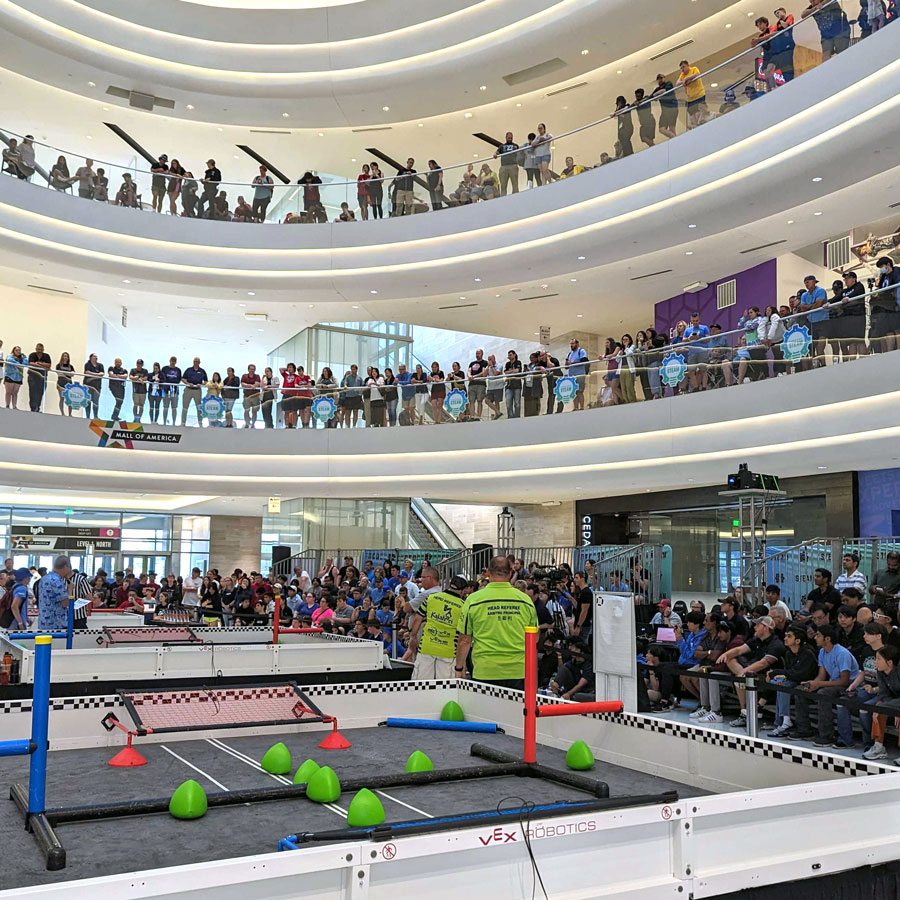
RECF announced RECF Robotics as its official robotics competition for the 2026-2027 season. The organization describes the program as a broader competition path and says the robots, game elements, robot parts, and team work already invested remain fully usable in RECF Robotics. Its competition page also frames the 2026-2027 season around RECF Robotics Competition programs and games.
Why it matters
Youth robotics transitions can be disruptive if teams are forced to discard hardware, rewrite curriculum, or rebuild field infrastructure. The continuity language matters because it gives coaches and student leads a way to plan: inventory existing parts, preserve drivetrain modules, document controls code, and turn last season’s hardware into a training platform instead of a storage-bin artifact.
Technical breakdown
The smartest move for teams is to separate reusable engineering assets from game-specific assumptions. Drivetrain parts, fasteners, motors, sensors, wiring practices, battery management routines, CAD libraries, and inspection checklists can usually be carried forward. Game strategy, scoring mechanisms, field interaction, and autonomous routines are more likely to change once detailed rules and games are published.
A practical pre-season workflow would include a hardware audit, firmware and code backup, drivetrain reliability test, sensor calibration exercise, spare-parts list, and a short rookie training sequence using last season’s robot. That keeps engineering momentum high without guessing at unreleased game details.
Builder, STEM, and industry impact
For students, the transition is a chance to learn a professional engineering habit: configuration management. Teams that document what they own, what still works, what failed, and what must be replaced will start the season with less chaos. For mentors, it is also a clean opportunity to teach design reviews, pit maintenance, revision control, and test logs before competition pressure takes over.
Risks and unknowns
The big unknowns are the final rules, inspection process, game-specific constraints, regional event availability, and how much work teams must do to migrate documentation and training materials. Continuity of parts is helpful, but teams should avoid overbuilding mechanisms until the official game requirements are clear.
TVG Take
RECF Robotics should be treated as a pre-season engineering systems problem. Do not wait for kickoff to discover missing chargers, bent shafts, unlabelled wires, or undocumented code. Use the continuity window now: audit the lab, rebuild a reliable training chassis, and teach students how to measure and maintain a robot before asking them to design the next one.
What to watch next
For readers tracking the same engineering lane, these related TVG Report pieces add useful context:
- FIRST CANOPY Gives 2026–2027 Robotics Teams a Pre-Season Engineering Window
- RECF Robotics Gives 2026–2027 Teams a Continuity Test, Not a Reset
- Review Preview: SunFounder PiCar-X Makes Raspberry Pi Robotics Feel Review-Worthy