FIRST has already given robotics teams the shape of the 2026–2027 season: CANOPY is biodiversity-inspired, and the FIRST Tech Challenge game, BIOBUZZ presented by RTX, is scheduled for release on September 12, 2026. That gives teams a useful runway before the real game manual arrives.
What happened
The official FIRST CANOPY page describes the 2026–2027 season as “Inspired by nature. Powered by innovation,” with a biodiversity theme across FIRST programs. FIRST’s FIRST Tech Challenge page says the new BIOBUZZ challenge will release September 12, 2026, and positions it as part of the CANOPY season.
FIRST also frames FTC as a program for grades 7–12 where teams design, build, and program robots for competition. The public FTC page cites 2024–2025 season stats including 109,000 students, 81 countries, and a claim that 61% of FIRST alumni declare an engineering or computer science major by their fourth year of college.
Why it matters
The months before a game reveal are where disciplined teams gain ground without violating the spirit of the challenge. They cannot solve a game they have not seen, but they can build the engineering systems that make fast iteration possible once the rules drop.
That matters especially for younger teams. September often compresses CAD, programming, fundraising, outreach, driver practice, safety training, and rookie onboarding into the same short window. CANOPY’s early theme gives mentors a way to start useful preparation now without guessing the final scoring tasks.
Technical breakdown
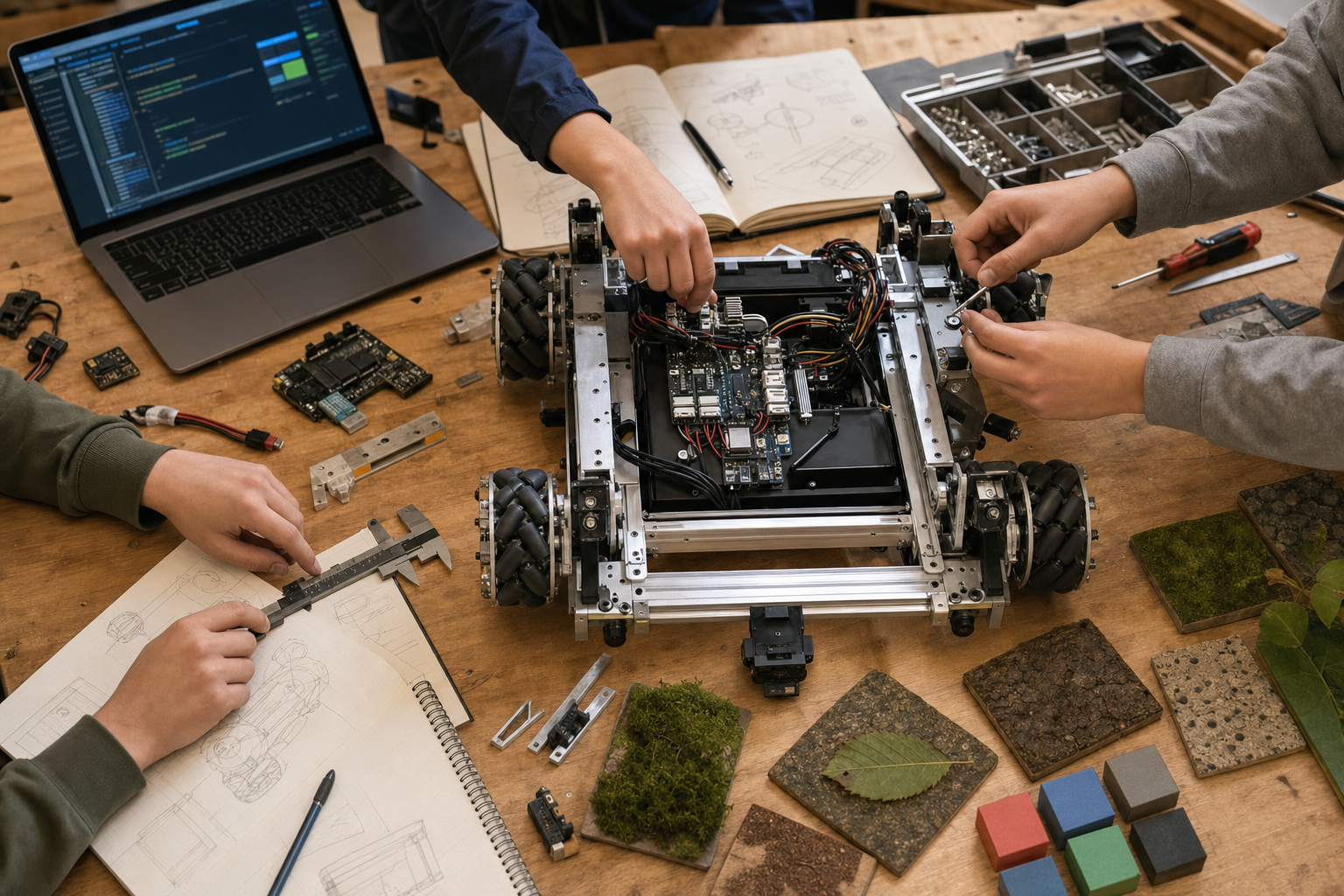
Teams should treat the pre-season as a platform-readiness sprint:
- Drivetrain baseline: Build or refurbish a reliable test chassis, then measure speed, current draw, turning behavior, and battery drop-off.
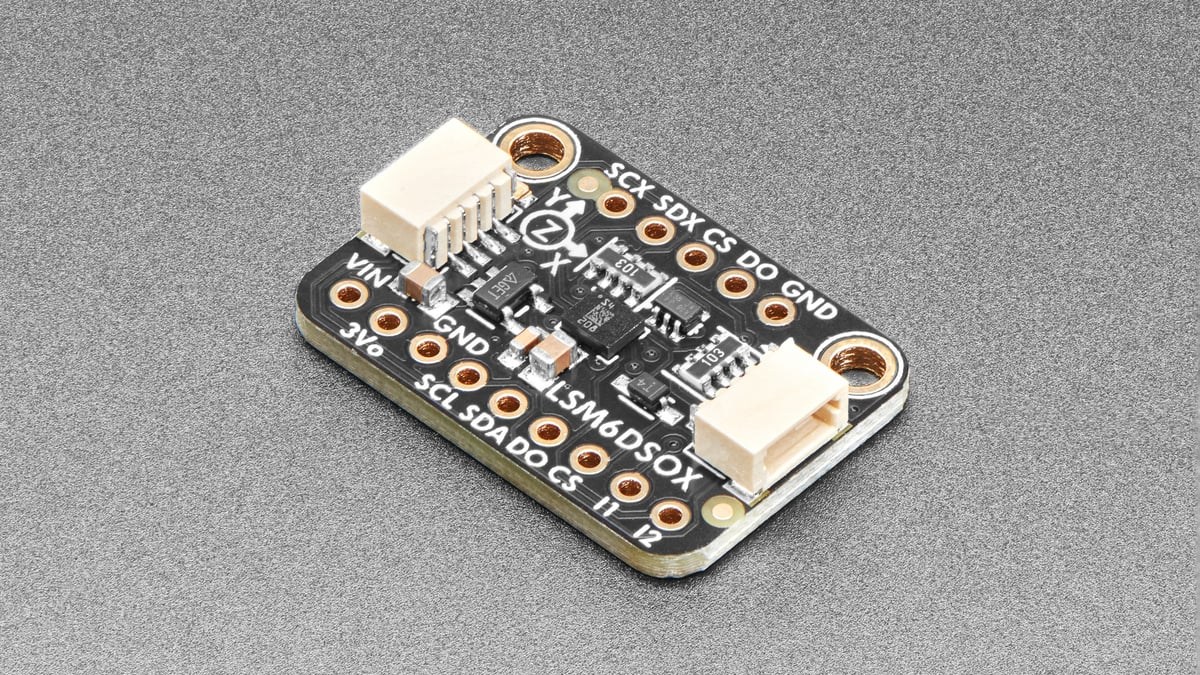
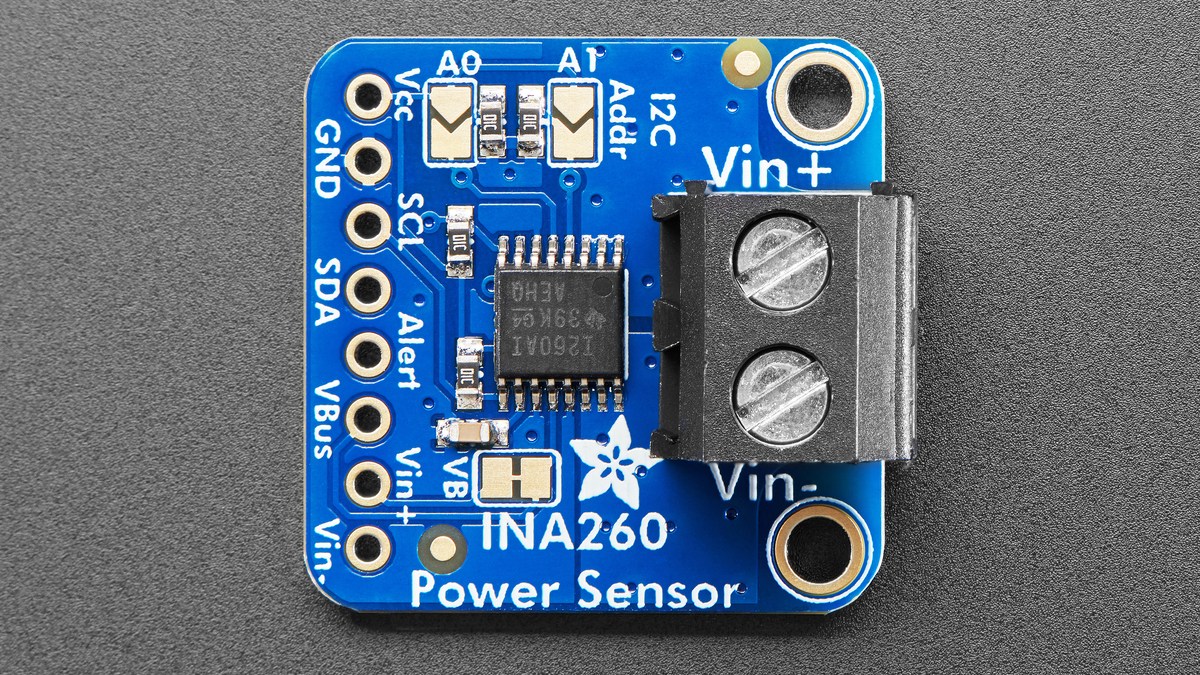
- Sensor inventory: Confirm working cameras, distance sensors, encoders, IMUs, servos, controllers, cables, and spares before kickoff pressure arrives.
- Software workflow: Standardize repositories, naming conventions, driver-station setup, autonomous testing procedures, and code-review habits.
- CAD and fabrication loop: Practice one small mechanism from sketch to CAD to printed or machined part, including tolerances and fastener choices.
- Documentation: Start an engineering notebook structure now, with templates for trade studies, test logs, and failure analysis.
Builder and STEM impact
CANOPY’s nature-oriented framing is also a chance to connect robotics to systems thinking. Teams can run mini-lessons on sensing in messy environments, animal-inspired locomotion, ecological data collection, plant structures, biomimicry, and field robotics. The goal is not to predict the game; it is to build vocabulary and curiosity that help students understand the design space when the challenge becomes public.
For mentors, the most practical move is to assign small cross-functional tasks now. A rookie can wire a sensor harness. A programmer can log camera latency. A CAD student can model a bracket. A build lead can create a pit checklist. These are not flashy tasks, but they are exactly what prevents chaos later.
Risks and unknowns
The obvious risk is overfitting to the theme. A biodiversity-inspired season does not mean teams should pre-build a nature-themed robot or assume a particular field element. The correct response is flexible capability: reliable motion, clean wiring, fast prototyping, and testable code.
Teams should also watch budget timing. Registration, parts orders, travel planning, and replacement electronics can become bottlenecks before anyone touches the official game pieces.
TVG Take
The right pre-season question is not “what will BIOBUZZ require?” It is “can our team turn a rulebook into a tested mechanism quickly?” FIRST CANOPY gives teams a theme. Engineering discipline turns that theme into a season.