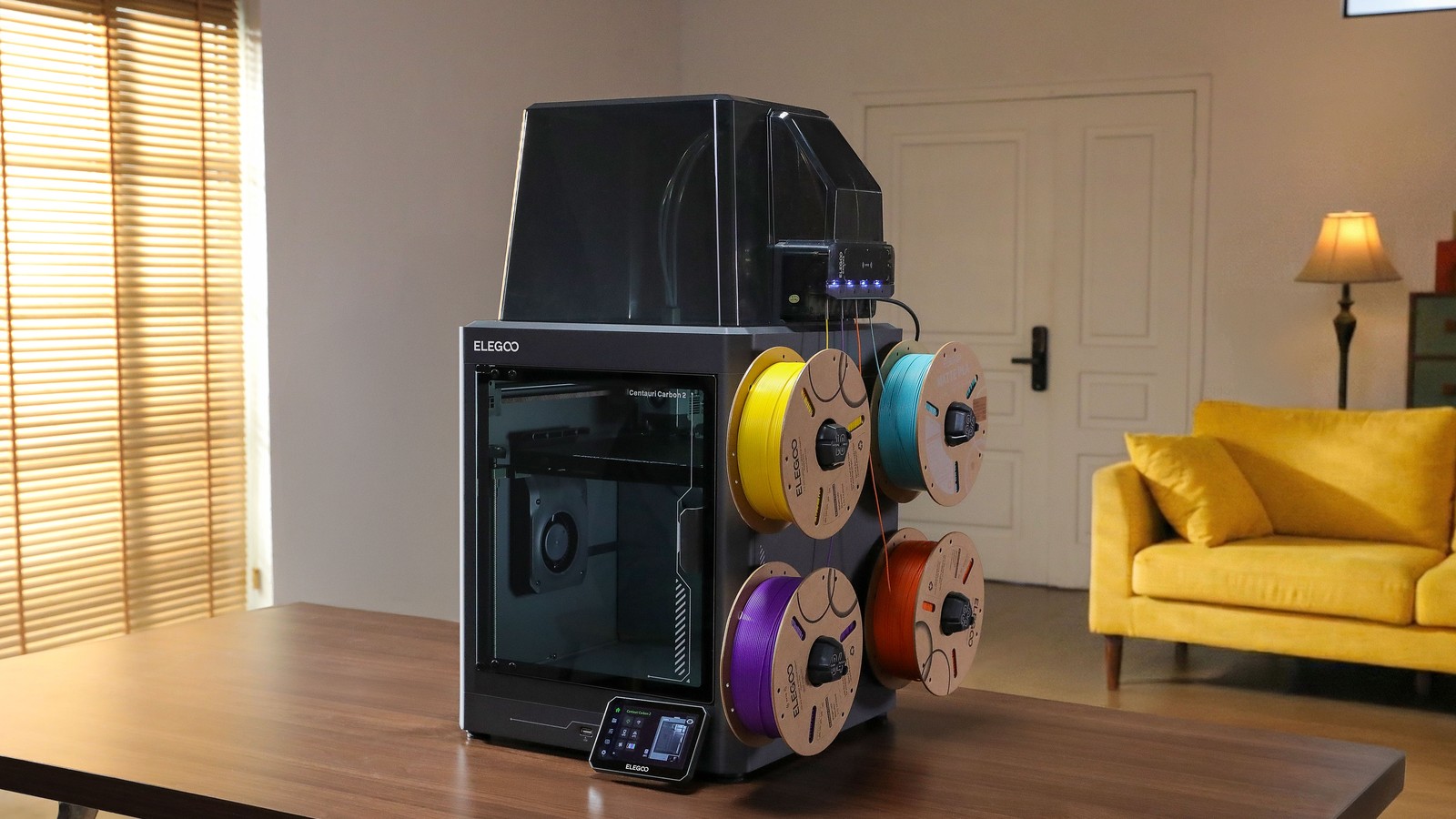
ELEGOO’s June 2026 push around the ELEGOO × emoji Centauri Carbon 2 Combo is easy to read as a novelty release. For builders, the more useful question is different: when a desktop 3D printer is sold as a themed, multicolor-ready package, what should buyers actually evaluate before treating it as a dependable lab tool?
What happened
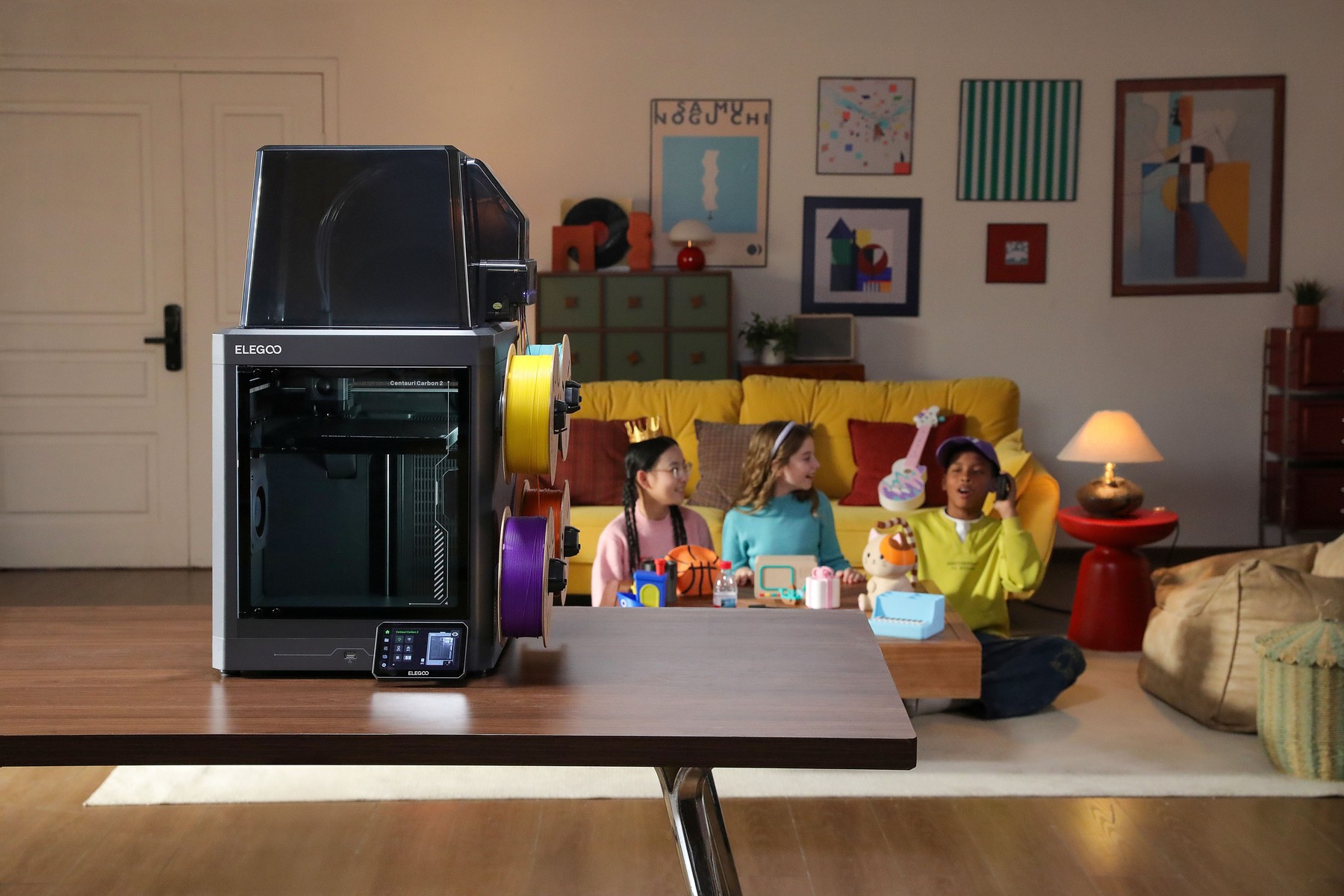
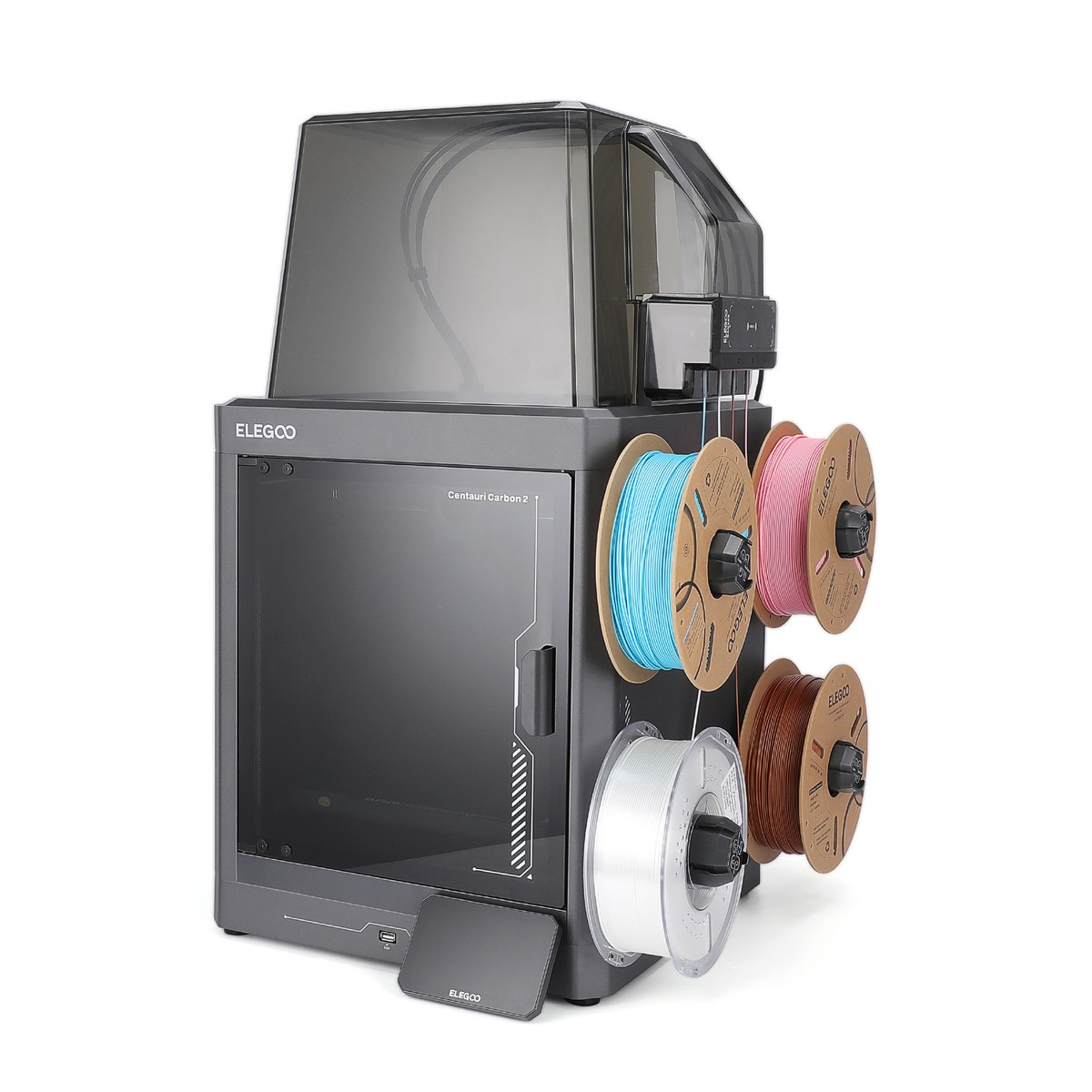
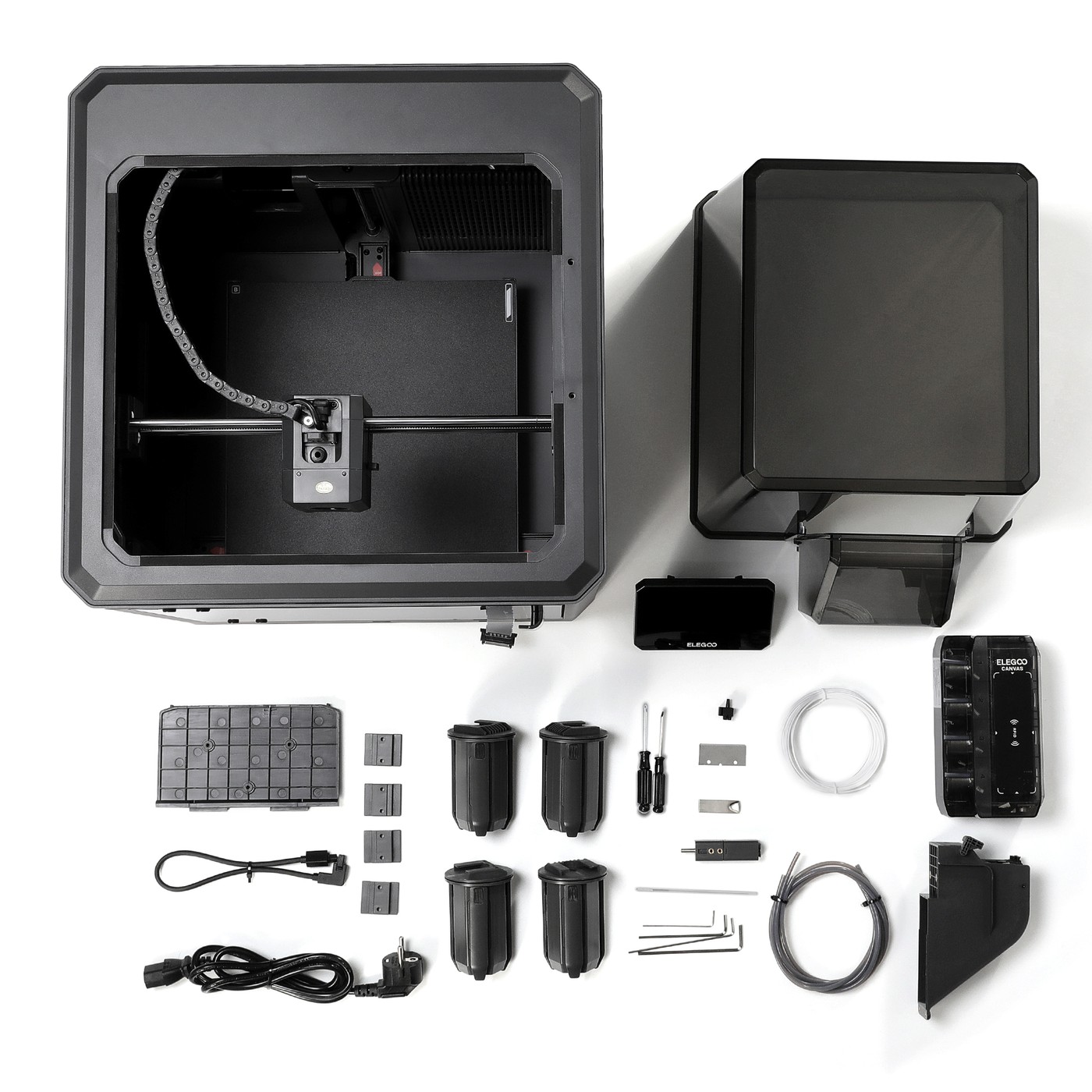
ELEGOO’s own news and store navigation lists the ELEGOO × emoji Centauri Carbon 2 Combo as a new release. Tom’s Hardware reported on June 5 that the special edition Centauri Carbon 2 Combo is priced at $489 and described it as a co-branded version of ELEGOO’s Centauri Carbon 2 Combo.
The branding may be the headline, but the underlying product category is more important: enclosed, consumer-accessible FDM printers with multicolor or multi-material ambitions are increasingly being positioned for classrooms, makerspaces, and small prototyping benches.
Why it matters
For a school lab or maker bench, a 3D printer is not a collectible. It is a workflow node. The practical value comes from reliable first layers, predictable material profiles, simple maintenance, safe enclosure behavior, understandable slicer settings, spare-part availability, and support when a nozzle clogs two days before a competition or demo.
A special-edition shell can be fun. It should not distract buyers from evaluating whether the printer will still be useful after the launch-week excitement fades.
Technical breakdown
Use the release as a checklist prompt rather than a reason to impulse-buy:
- Motion system: Look for repeatable dimensional accuracy, input shaping behavior, belt tension access, and how easy it is to diagnose ringing or layer shifts.
- Enclosure and thermals: Confirm whether the enclosure supports the materials you actually print, and whether electronics and filament paths stay within safe operating ranges.
- Filament handling: Multicolor systems add purge, waste, feed reliability, spool compatibility, and drying questions. Test flexible and brittle filaments separately.
- Slicer workflow: A good printer becomes frustrating if profiles are opaque, cloud-dependent, or hard to tune for classroom use.
- Maintenance: Nozzles, build plates, hotend parts, tubes, fans, and sensors should be easy to source and replace.
- Classroom readiness: Teachers need predictable setup, simple safety rules, and clear recovery steps after failed prints.
Maker and STEM impact
Multicolor desktop printing can be useful in STEM contexts when it supports labels, visual prototypes, robotics parts, teaching models, and presentation-ready designs. But the educational win is not “more colors.” It is faster feedback. If students can design, print, inspect, revise, and document a part in a single lab cycle, the printer is doing real engineering work.
That means buyers should run a small acceptance test: calibration cube, tolerance gauge, overhang test, functional hinge or bracket, and one multicolor print with measured purge time and waste. Record failures, not just successful photos.
Risks and unknowns
TVG has not tested this printer, so this is not a review or recommendation. The open questions are the ones that always matter for new printer packages: long-term reliability, firmware maturity, profile quality, parts availability, noise, support responsiveness, and whether the multicolor workflow stays dependable after dozens of prints.
Buyers should also avoid letting limited-edition styling create artificial urgency. A printer that cannot be maintained locally is a bad fit for a robotics team, even if the launch price looks attractive.
TVG Take
The Centauri Carbon 2 Combo special edition is a reminder that consumer 3D printing is now marketed like lifestyle hardware. Builders should respond like engineers: ignore the skin first, test the machine underneath, and only then decide whether it belongs in the lab.
What to watch next
For readers tracking the same engineering lane, these related TVG Report pieces add useful context:
- Spec Review: Excire Foto 2027 Needs a Local-AI Workflow Test, Not Just Search Hype
- Bambu Lab’s A2L Is a Large-Format Printer Checklist for Maker Labs
- Drone vs. Action Camera for Field Documentation: A Buyer Evaluation for Robotics and Maker Teams