Raspberry Pi has filled an important step in its learning path with Python Projects for Raspberry Pi, a new book aimed at users who already know the basics and want to build more capable hardware-and-code projects with Raspberry Pi computers and Pico microcontroller boards.
Why it matters
The Raspberry Pi ecosystem is no longer just an entry point for blinking LEDs and beginner Linux projects. It is now a practical STEM platform for sensors, displays, actuators, microcontrollers, small automation rigs, and edge-AI experiments. That creates a gap: learners can finish a beginner guide and still not know how to structure a more complete build.
Raspberry Pi says the new book is designed for the “What next?” moment after the basics. It positions the book between introductory material and open-ended engineering projects, which is exactly where many school teams, makers, and new hardware developers need more scaffolding.
Technical breakdown
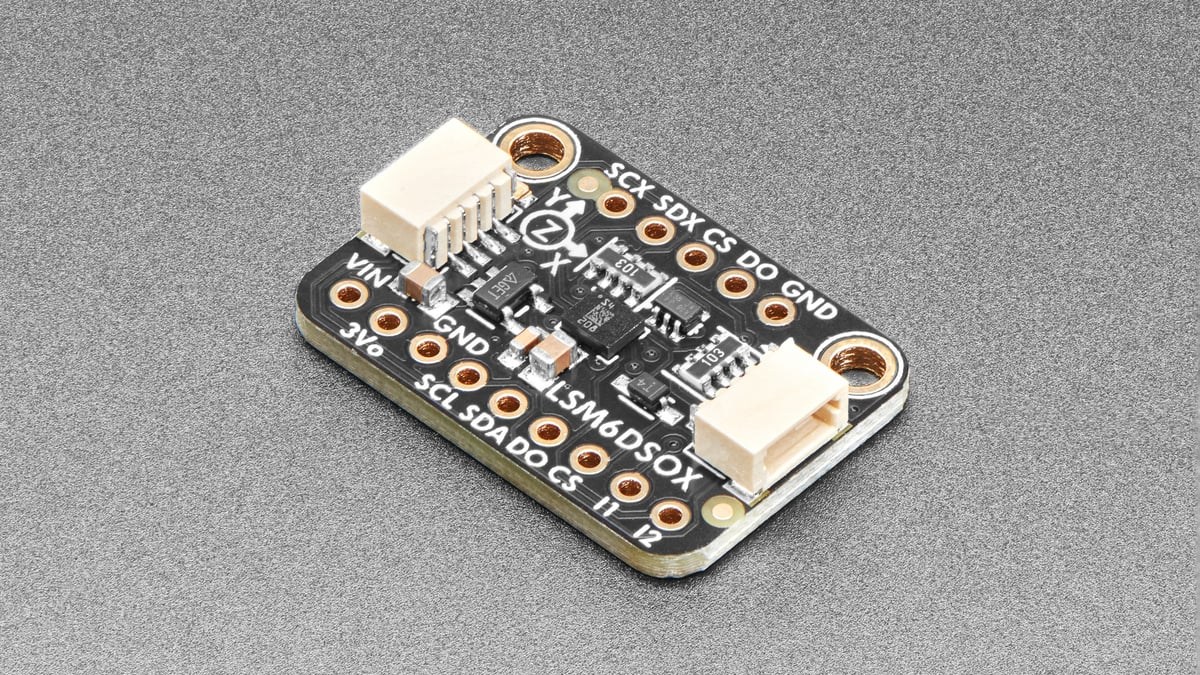
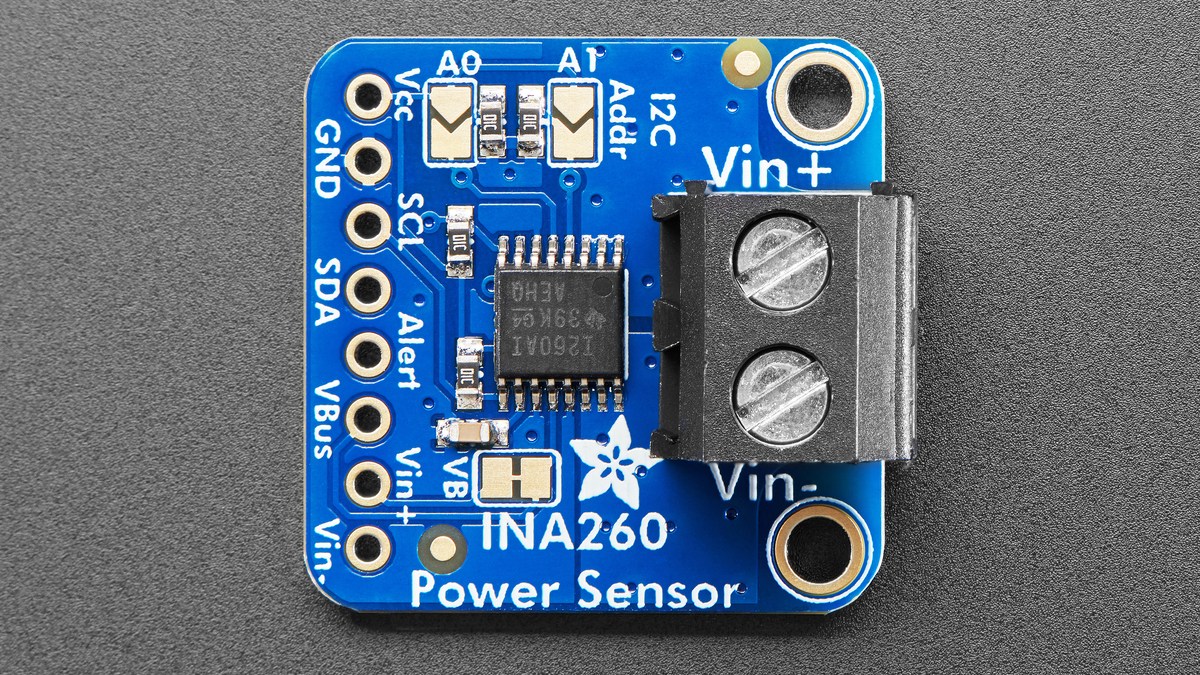
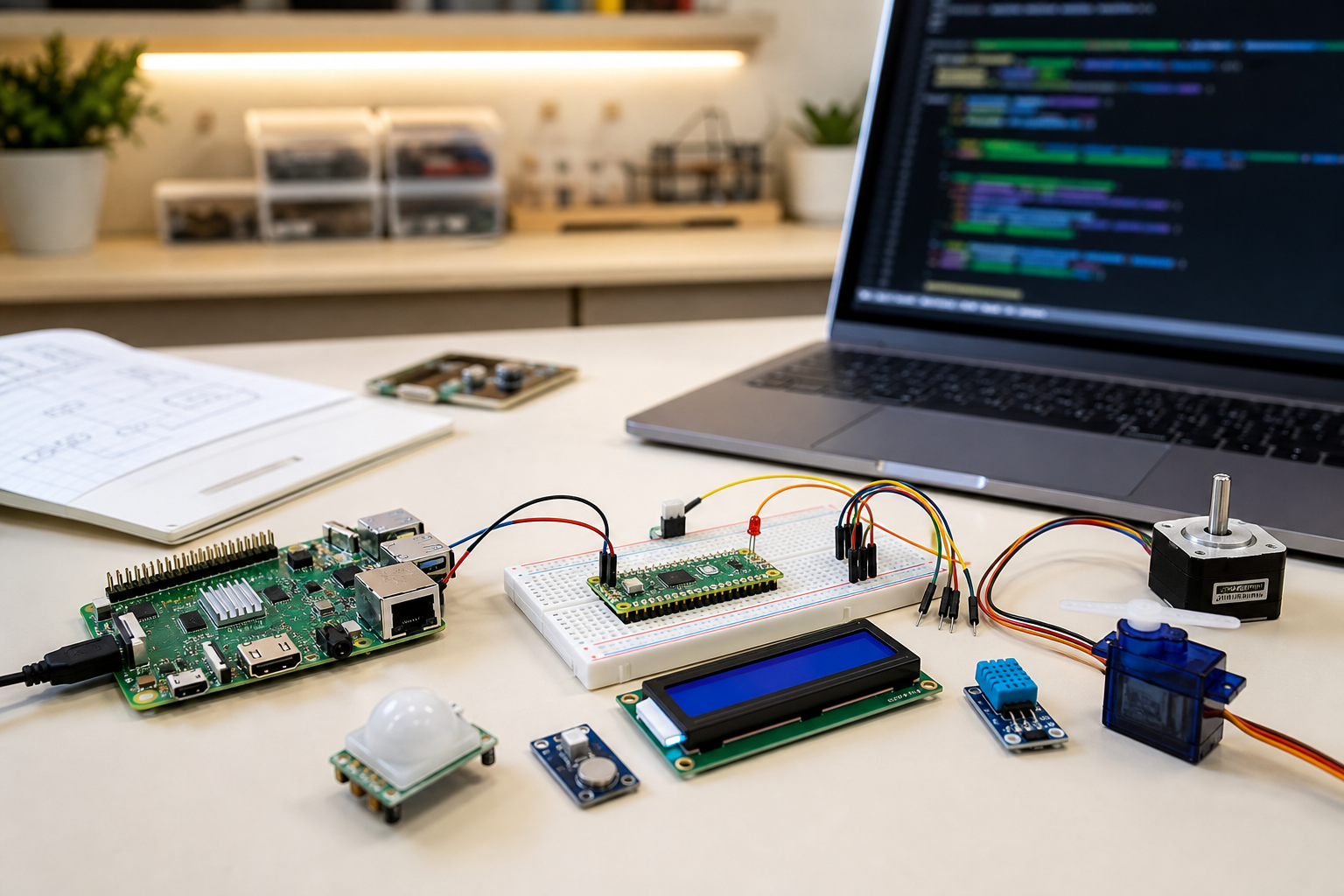
The official announcement says Python Projects for Raspberry Pi, written by Ben Everard, focuses on practical hands-on projects using more advanced capabilities of Raspberry Pi computers and microcontrollers. The listed areas include sensors, displays, actuators, and a deeper look at PIO, the Programmable I/O system on Raspberry Pi Pico-class boards.
That mix is useful because real projects cross boundaries. A robot, test jig, classroom instrument, or maker tool often needs Python application logic, microcontroller timing, sensor input, display output, and mechanical action. Teaching those pieces together is more valuable than treating software and electronics as separate tracks.
The announcement also points readers to Raspberry Pi’s existing beginner books: The Official Raspberry Pi Beginner’s Guide and Get started with MicroPython on Raspberry Pi Pico. The new title appears to be the next rung: less “what is a GPIO pin?” and more “how do I turn this into a working system?”
Builder and STEM impact
For STEM labs, this kind of resource can reduce the support burden on mentors. Teams often lose time not because the final idea is too hard, but because they lack intermediate examples for wiring, library choice, timing, debugging, and project organization.
For robotics teams, the Pico PIO angle is especially relevant. PIO can help with timing-sensitive interfaces, custom signal generation, and sensor-adjacent tasks that are awkward to handle from a higher-level loop. Even when teams do not use PIO directly in competition, understanding that layer improves their sense of where software timing can break hardware behavior.
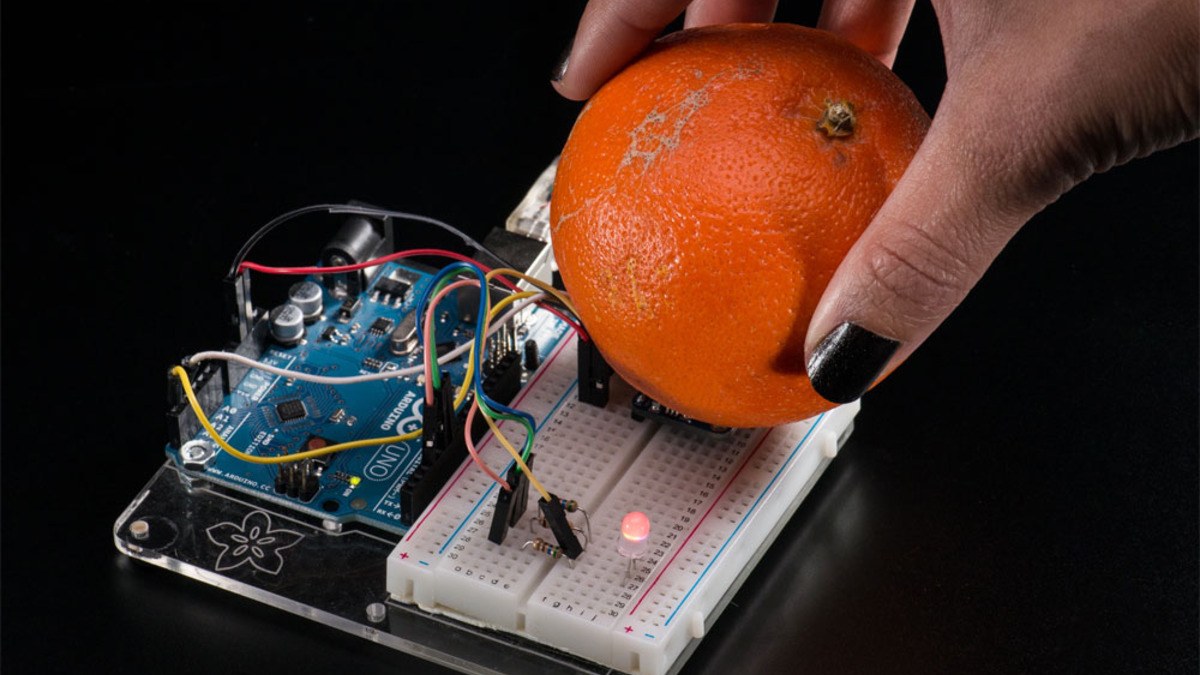
For makers, the lesson is to build a bench progression: start with one sensor, add output, add motion, add logging, then add fault handling. A strong Python project is not just code that runs once; it is a system that can be diagnosed when the wiring, power, timing, or environment changes.
Risks and unknowns
A book cannot replace hands-on debugging, and project-based learning can still become copy-and-paste learning if readers do not modify the examples. The best use of this kind of resource is to treat each build as a baseline, then change one constraint: a different sensor, another display, a different enclosure, a battery power budget, or a more realistic failure mode.
Availability, curriculum fit, and hardware cost will also matter for classrooms. A project book is most useful when schools can standardize kits, keep spares, and document known-good software images.
TVG Take
Python Projects for Raspberry Pi is not headline-grabbing hardware, but it is strategically important for the maker pipeline. Advanced robots and edge-AI builds depend on learners who can bridge Python, microcontrollers, sensors, and physical outputs without getting lost between beginner tutorials and professional documentation.
TVG’s advice for mentors is to use the book as a stepping-stone, not a script. Have students document what each project senses, decides, and actuates; then make them change one variable and explain what failed. That is where Raspberry Pi learning becomes engineering practice.