Arduino Core on Zephyr 1.0.0 is now available, and this release is more than a version-number milestone. Arduino’s September 3 announcement ties the core to Zephyr 4.4.1, expands the supported-board matrix to 12 entries, and adds camera work aimed at the Nicla Vision and GIGA Display Shield.
What changed at 1.0
The release notes identify Zephyr 4.4.1 and West 1.5 as the underlying toolchain versions. Arduino also lists 12 compatible board targets: Nicla Vision, Nano 33 BLE, Portenta H7, GIGA R1 WiFi, Portenta C33, Portenta X8, OPTA, Modulino Pixels, Modulino Thermo, Modulino Movement, Modulino Knob, and VENTUNO Q with Arduino App Lab 1.0.3 or later.
That list matters because “Arduino on Zephyr” is no longer one generic compatibility claim. It is a board-by-board support surface. A classroom, robotics team, or product prototype can check its exact target before assuming that a library or peripheral setup will transfer.
Camera support makes the release concrete
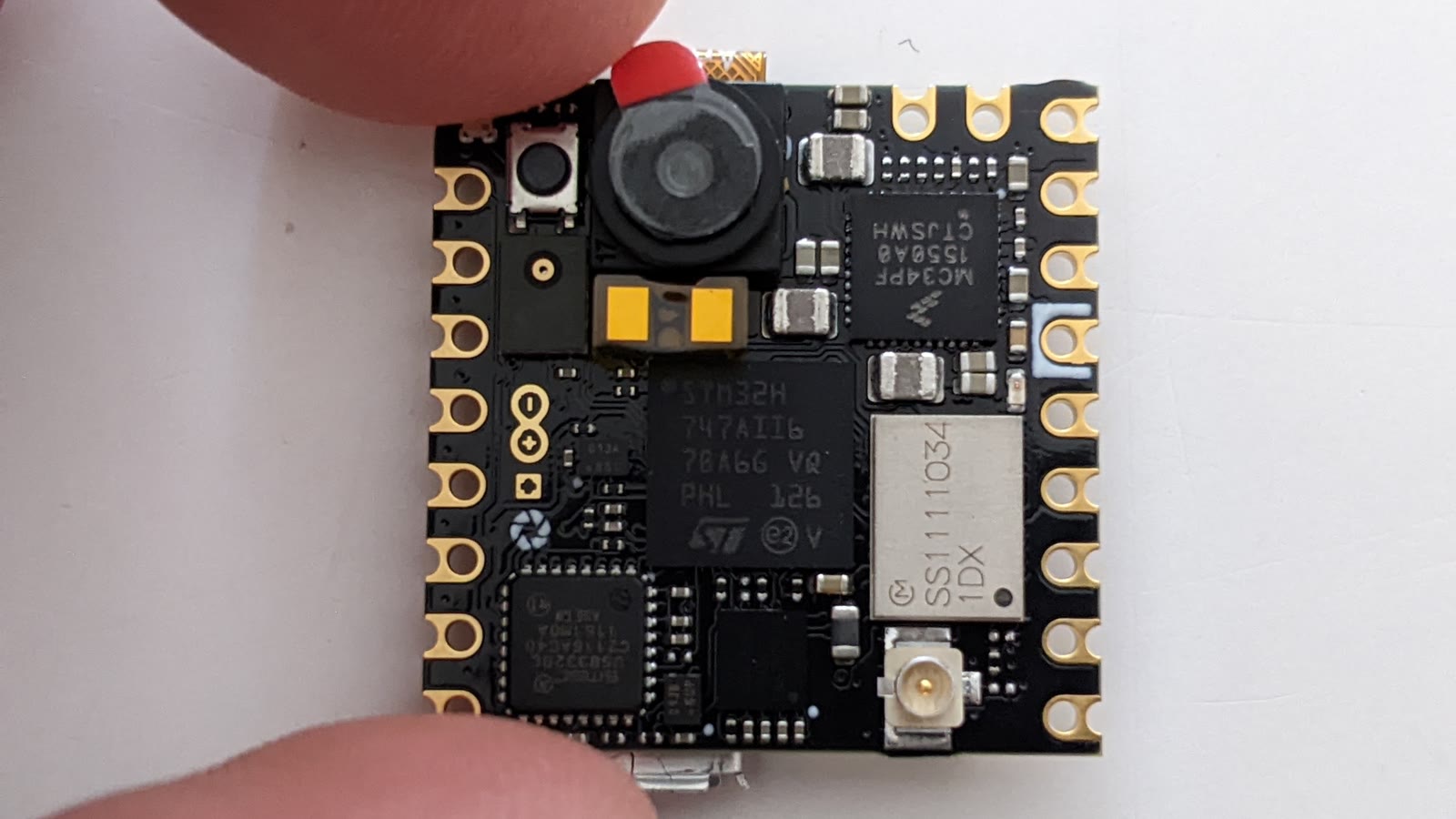
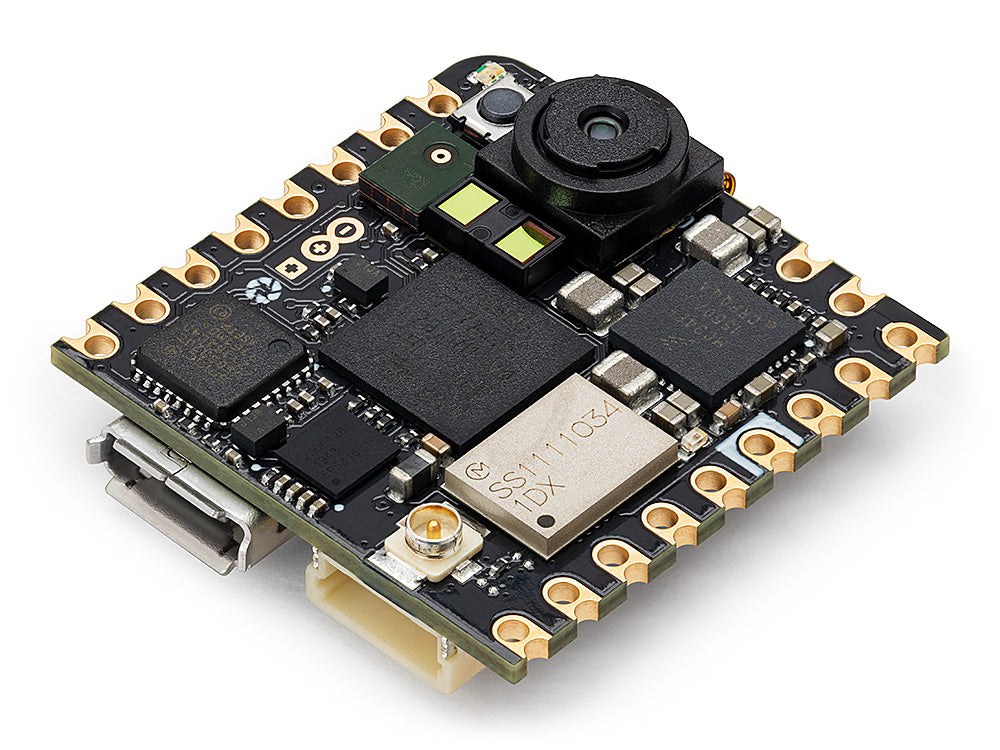
Arduino says 1.0.0 adds support for the OV7670 and HM01B0 camera devices on the Nicla Vision and for the OV5640 on the GIGA Display Shield. It also adds a Zephyr Camera wrapper intended to keep camera use within an Arduino-style API. Those are specific device-and-board pairings, not a promise that every Arduino camera module now works.
For builders, the useful question is whether the project’s exact sensor, board target, memory budget, and image path are covered. Camera capture can expose timing and buffer problems quickly. The new wrapper lowers the API barrier, but the release notes do not provide application-level frame-rate, latency, or inference benchmarks.
The workflow is becoming easier to reproduce
Arduino’s release notes also call out pre-built binary libraries and automatic board-tool installation. That can reduce two common sources of setup drift: locally rebuilt dependencies and manually assembled toolchains. West remains important underneath; Zephyr documents it as the command-line tool used to manage a workspace, repositories, builds, flashing, and debugging.
This is the practical dividing line from the earlier 0.90 stability milestone. Version 1.0 adds a named platform baseline, a documented board matrix, and camera-device support that teams can map to real hardware. It does not erase board-specific qualification work.
TVG Analysis
The strongest signal is not the 1.0 label alone. It is the combination of a pinned Zephyr release, explicit hardware targets, and packaged tooling. That gives educators and engineering teams a clearer configuration to record in a lab sheet or project manifest.
The main unknown is library depth beyond the features named in the release. Teams moving an existing sketch should still check board support, peripheral drivers, memory use, and timing behavior against the precise 1.0.0 environment. TVG will watch whether Arduino’s examples and third-party libraries converge on that same baseline.