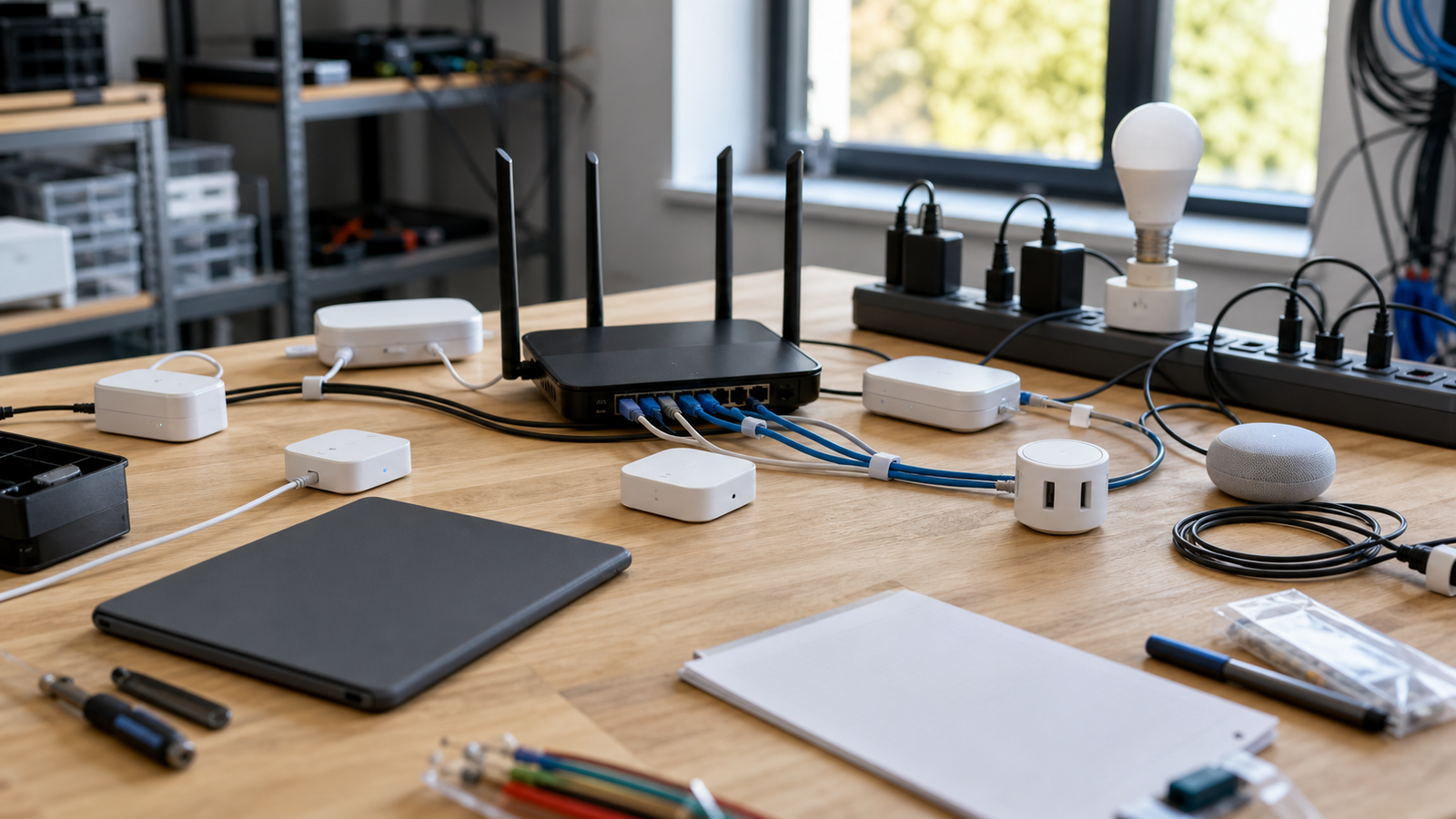
Matter 1.6 is useful for TVG readers because it makes smart-home labs a better place to test setup, interoperability, and multi-ecosystem control. Treat it as a low-cost distributed-systems lab, not just a convenience update.
Quick answer
- Use Matter labs for: onboarding, router changes, device naming, and multi-controller behavior.
- Test with real devices: sensors, cameras, hubs, and Thread/Wi-Fi boundaries expose the weak spots.
- Track failures: setup time, dropouts, ecosystem mismatch, and recovery after power/network changes.
What to test after a Matter update
- Commissioning path: document how many steps a new device needs before it is usable.
- Multi-ecosystem behavior: test whether device state stays consistent across controllers.
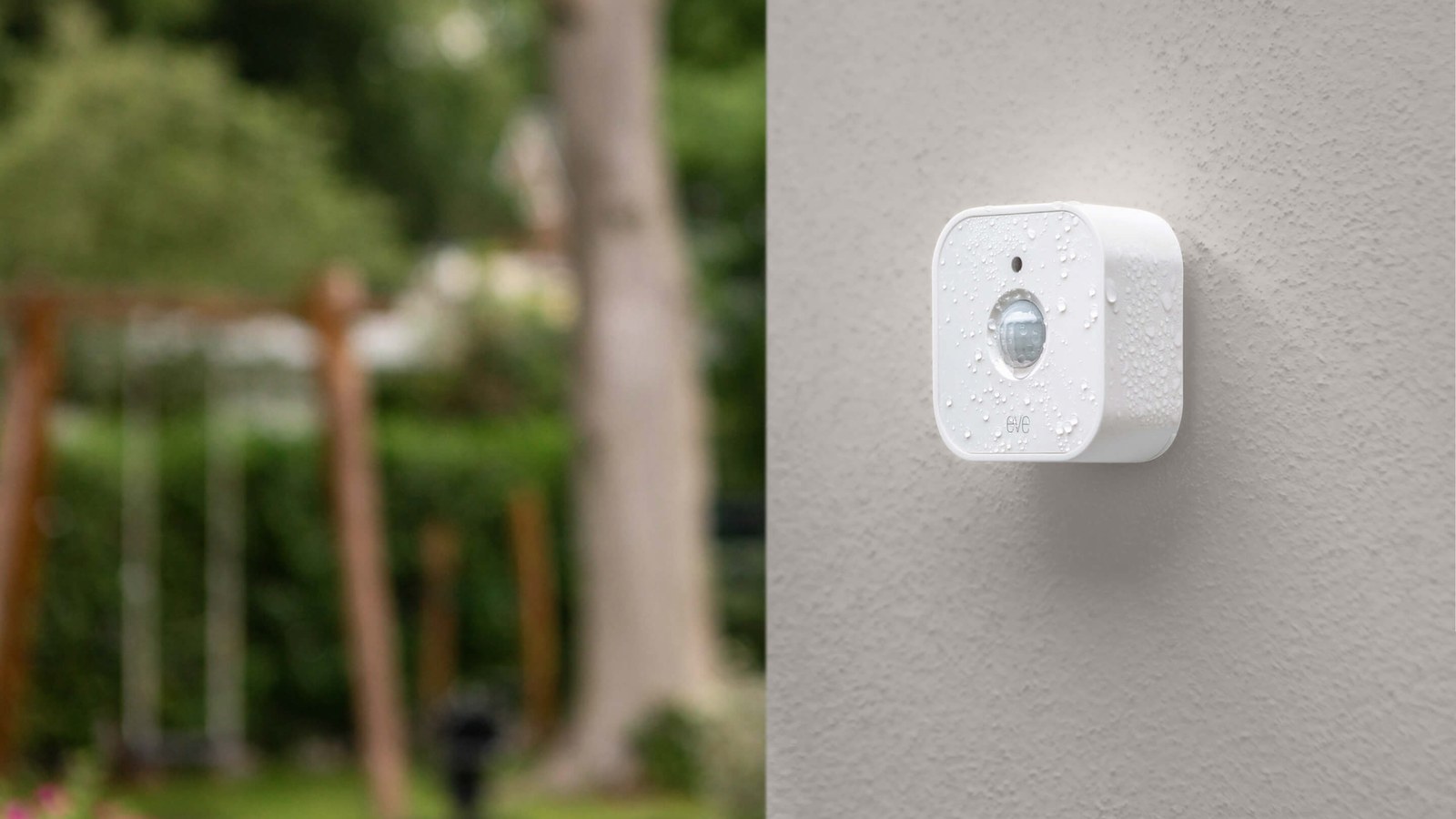
- Camera and sensor behavior: measure latency, recovery after sleep, and privacy indicators where applicable.
- Network changes: move access points, reboot border routers, and confirm recovery without factory resets.
- User handoff: test whether a second user can understand ownership and permissions.
Use it as a standards lab
Matter 1.6 should be treated as another chance to build a reproducible smart-home test bench. Record the controller, app version, device firmware, border-router location, Wi-Fi band, and Thread topology before changing anything. Then change one variable at a time. That discipline matters because smart-home failures are often blamed on “the app” when the root cause is radio placement, sleepy-device behavior, or a stale firmware path.
For TVG’s broadened lane, this is why smart-home coverage belongs next to robotics and maker hardware. The devices are small, affordable, and familiar, but the engineering issues are real: identity, security, network recovery, protocol support, privacy indicators, and user handoff.
The goal is not to prove Matter is perfect. The goal is to turn a consumer standard into a repeatable lab exercise about identity, network layout, firmware maturity, and failure recovery.
TVG Take
Matter’s value for makers is highest when it is treated as a protocol ecosystem, not a brand promise. Version 1.6 may smooth setup and multi-controller experiences, but the engineering work remains local: map the network, record firmware versions, test recovery, and keep notes when devices behave differently across ecosystems.
For instructors, the best assessment is repeatability. Can a second team add the same device, recover from the same router reboot, and explain why a sleepy sensor appears late? If not, the lab has taught app tapping rather than system understanding. Matter updates are useful only when they make those tests more transparent.
For home-lab readers, the same habit prevents unnecessary purchases. Before replacing hardware, record signal strength, firmware version, controller behavior, and bridge placement. Many smart-home reliability problems improve when the network is documented like any other engineering system.
Related TVG reading
- https://tvgreport.com/matter-thread-wifi-7-smart-home-maker-lab-reliability-guide/
- https://tvgreport.com/matter-thread-sensors-smart-home-lab-placement-guide/
A useful Matter lab should include at least one intentional failure exercise. Pull power from a border router, move a sensor behind a metal obstruction, reset a controller, and record what the user sees. That turns a smart-home setup into a distributed-systems lesson about recovery, observability, and ownership rather than a one-time pairing ritual.
The broadened TVG angle is practical: smart-home devices are now inexpensive networked embedded systems. They let readers test standards, firmware, radios, bridges, cameras, and user permissions without buying industrial equipment. The coverage stays engineering-first when the article measures reliability tradeoffs instead of lifestyle convenience.
For instructors, the best assessment is repeatability. Can a second team add the same device, recover from the same router reboot, and explain why a sleepy sensor appears late? If not, the lab has taught app tapping rather than system understanding. Matter updates are useful only when they make those tests more transparent.
For home-lab readers, the same habit prevents unnecessary purchases. Before replacing hardware, record signal strength, firmware version, controller behavior, and bridge placement. Many smart-home reliability problems improve when the network is documented like any other engineering system.
Related TVG reading
- https://tvgreport.com/matter-thread-wifi-7-smart-home-maker-lab-reliability-guide/
- https://tvgreport.com/matter-thread-sensors-smart-home-lab-placement-guide/