Robot camera problems often look like software failures until someone checks the enclosure. Condensation, shifted focus, cable strain, and poor service access can ruin vision data even when the camera and model are still running.
Quick answer
- Check moisture first: fog, water paths, and temperature swings can break vision before code does.
- Lock focus and cable strain: vibration and transport can move both.
- Plan service access: a sealed box that cannot be inspected will fail quietly.
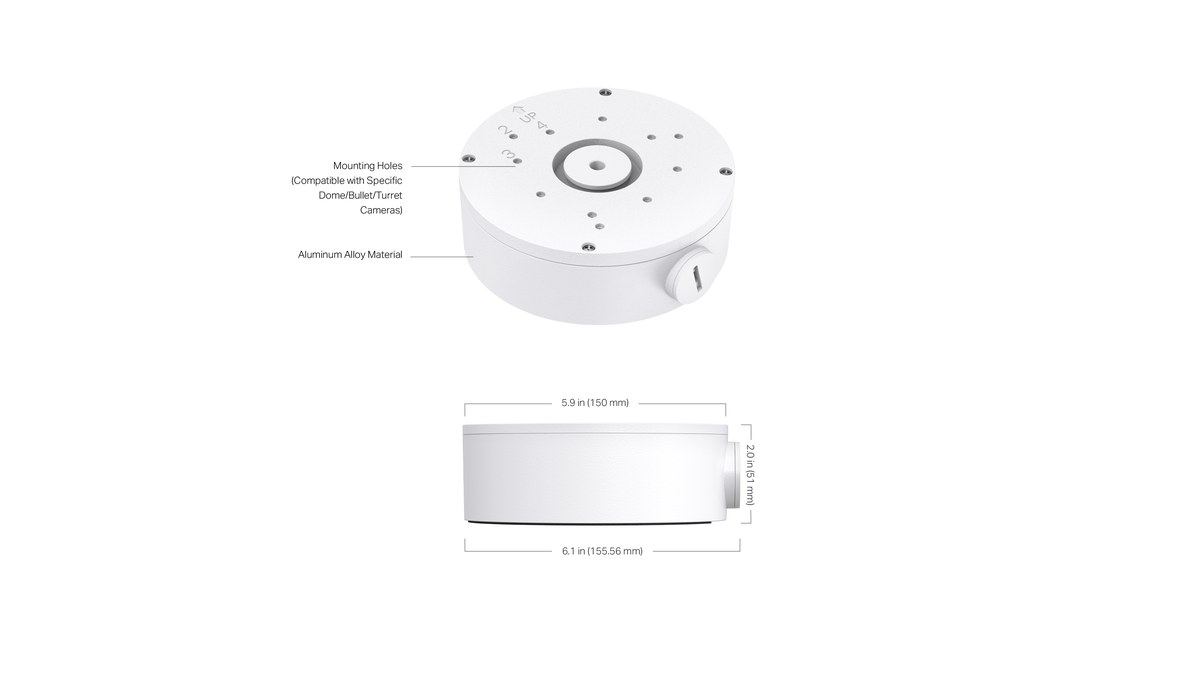
Condensation is a vision problem
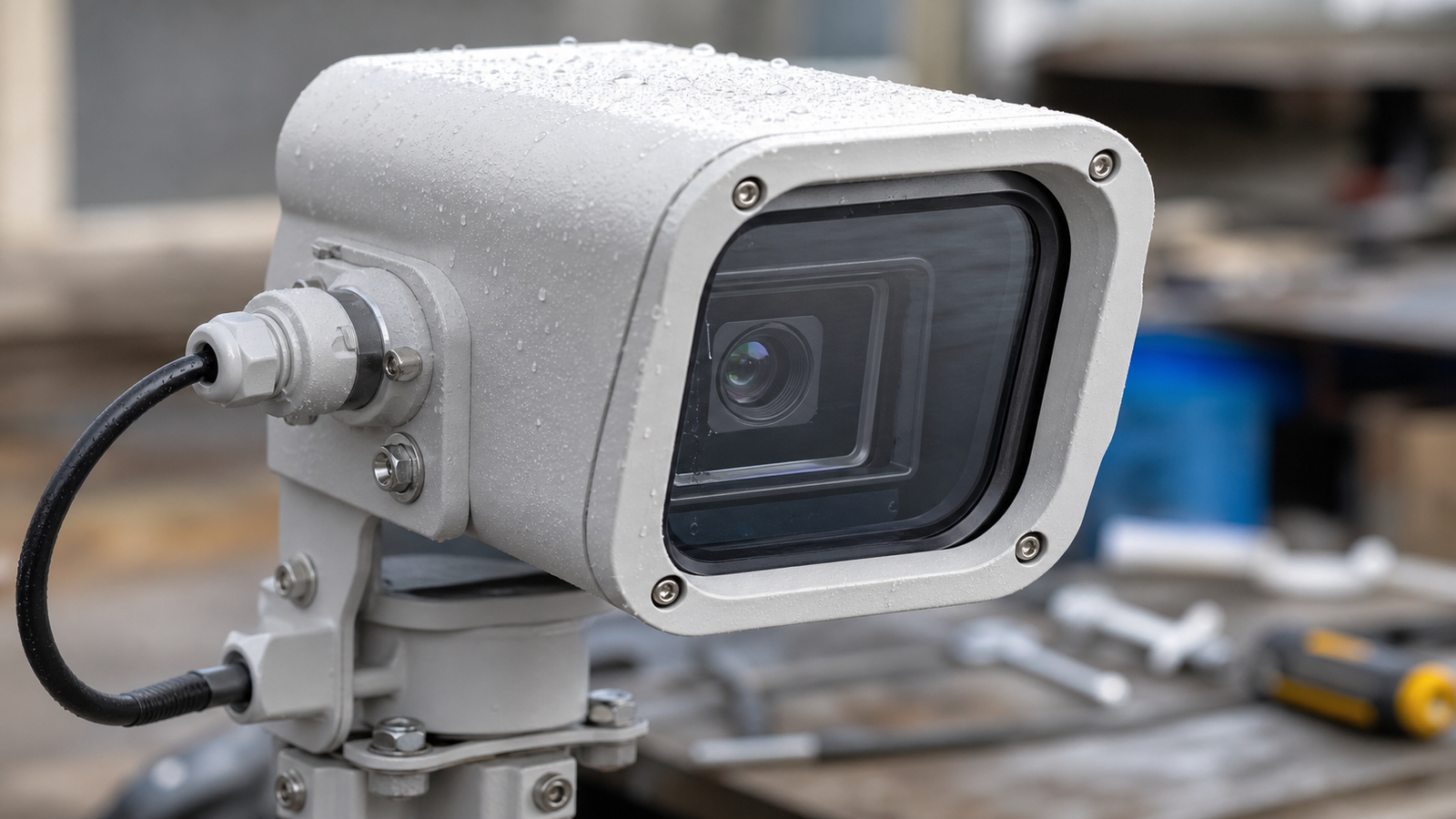
A sealed box can still fog when humid air is trapped inside and the temperature falls. Outdoor robots, greenhouse robots, warehouse doors, and mobile inspection rigs all see changing temperature and airflow. Desiccant, venting strategy, drain orientation, and service intervals matter because a slightly fogged window can break detection confidence before a human notices the image is degraded.
Focus and strain relief need physical marks
Robot teams should mark focus positions, lens ring locations, connector orientation, and cable-service loops. If a camera has to be removed for cleaning, the replacement position should be obvious. TVG’s prior robot-camera cable-labeling article covers the same principle: vision debugging gets easier when the physical layer is documented.
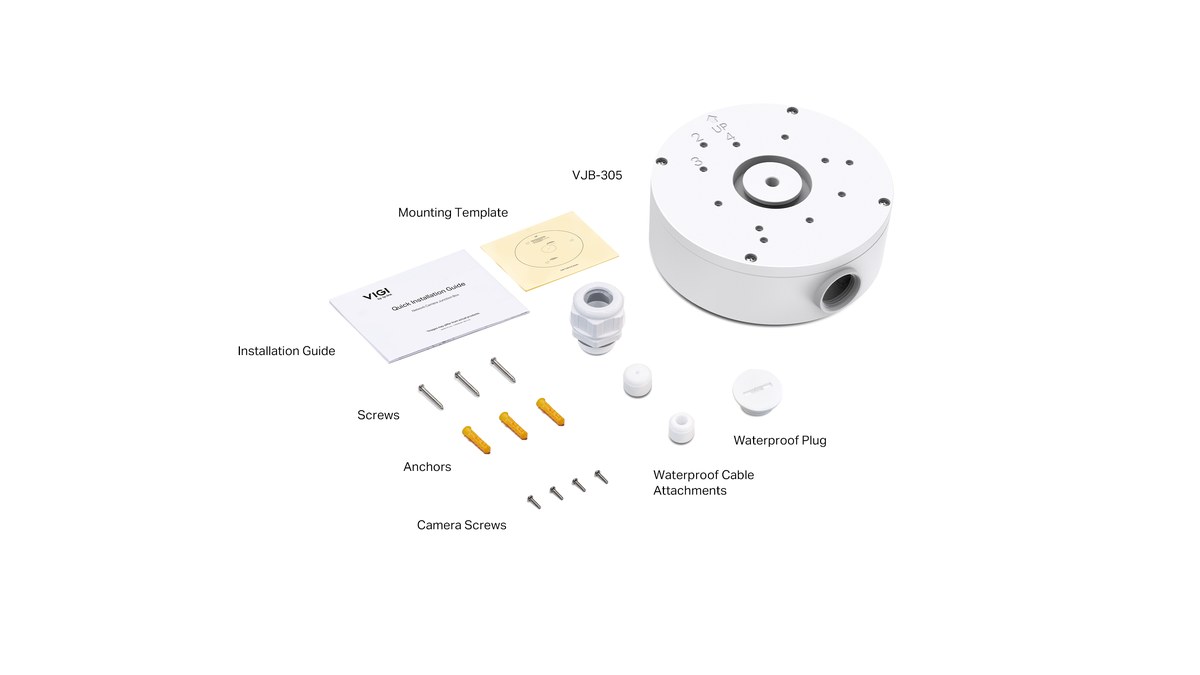
- Use a drip loop or sealed entry path where cables enter the enclosure.
- Avoid tight bends at the camera connector or PoE adapter.
- Check focus after vibration, transport, and lens-window cleaning.
- Photograph the final installation so a future repair can restore the same angle.
- Add a maintenance note for desiccant, gasket inspection, and window cleaning.
TVG Take
The lowest-cost robot camera improvement is often not a new model. It is a better enclosure checklist. If the team can keep water, strain, focus drift, and service confusion out of the system, the existing vision stack becomes easier to trust and easier to debug.
Finally, the enclosure should be reviewed with the same seriousness as a bracket or power supply. A camera that cannot be cleaned, focused, or resealed without disturbing the whole robot will eventually be skipped during maintenance. Good access panels and obvious cable paths are not aesthetic details; they are reliability features.
Related TVG reading
- https://tvgreport.com/outdoor-poe-camera-grounding-surge-robot-vision-guide/
- https://tvgreport.com/robot-camera-lens-cleaning-focus-checklist/
Turn the enclosure into a service item
A good field enclosure has a maintenance rhythm. Teams should write down when the window was cleaned, when desiccant was replaced, whether a gasket was disturbed, and whether focus was checked after transport. That record keeps future debugging from starting at the wrong layer. If the camera image is soft, fogged, or shifted, no amount of model tuning will restore confidence.
IP and NEMA ratings help describe environmental protection, but they do not replace installation judgment. Cable glands, drill holes, enclosure orientation, sunlight, vibration, and service access can reduce the protection that the rating implied. The TVG rule is simple: test the installed assembly, not only the catalog rating.
Teams should also keep a baseline image from every installed camera. A baseline frame taken in known lighting helps separate optics problems from model drift. If the new frame is hazier, darker, shifted, or vignetted compared with the baseline, the first repair step should be physical inspection, not retraining.
The support value is highest when the checklist is repeated after transport and weather changes. Outdoor PoE cameras, mobile robot masts, and temporary sports-tech rigs all move enough to loosen hardware. The enclosure plan should assume that someone will eventually service the camera in a hurry, with limited tools, and needs obvious marks for restoring the original setup.
Finally, the enclosure should be reviewed with the same seriousness as a bracket or power supply. A camera that cannot be cleaned, focused, or resealed without disturbing the whole robot will eventually be skipped during maintenance. Good access panels and obvious cable paths are not aesthetic details; they are reliability features.
Related TVG reading
- https://tvgreport.com/outdoor-poe-camera-grounding-surge-robot-vision-guide/
- https://tvgreport.com/robot-camera-lens-cleaning-focus-checklist/