NVIDIA has published a post-training workflow for turning its 4-billion-parameter Cosmos 3 Edge model into an on-device robot-manipulation policy. In the company’s tests, the resulting policy ran on a Jetson AGX Thor T5000 without a data-center GPU in the live control loop.
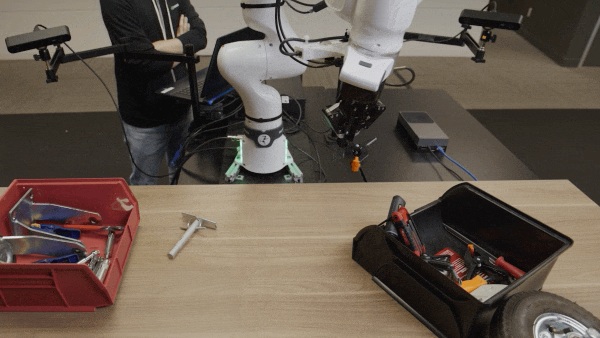
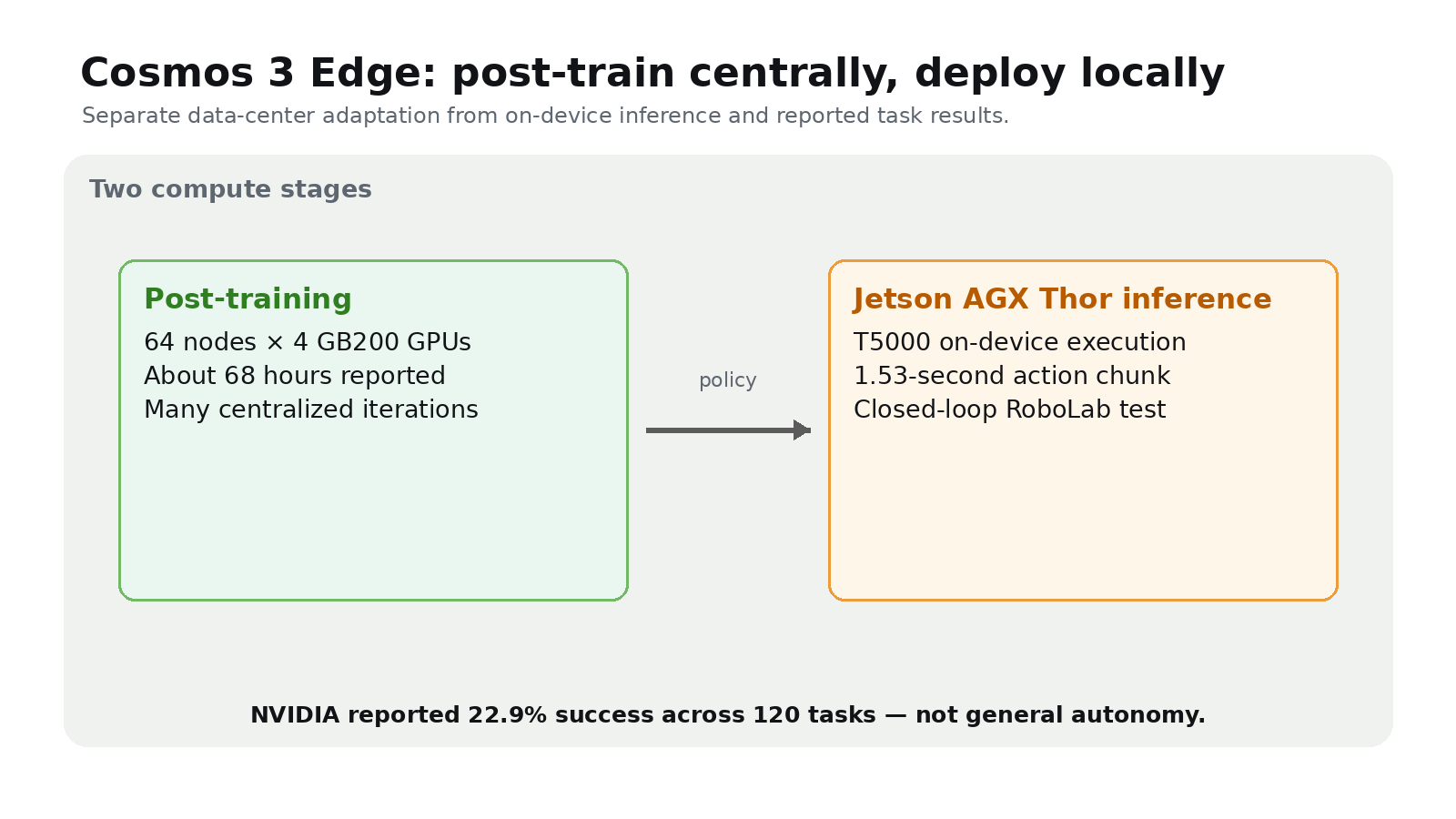
The August 19 technical post says NVIDIA post-trained Cosmos 3 Edge on its Cosmos3-DROID dataset. The company reported that the policy generated action chunks in about 1.53 seconds on the Jetson system and achieved a 22.9% success rate across 120 language-conditioned tasks in closed-loop RoboLab evaluation. Those results were reported by NVIDIA and have not been independently verified by TVG.
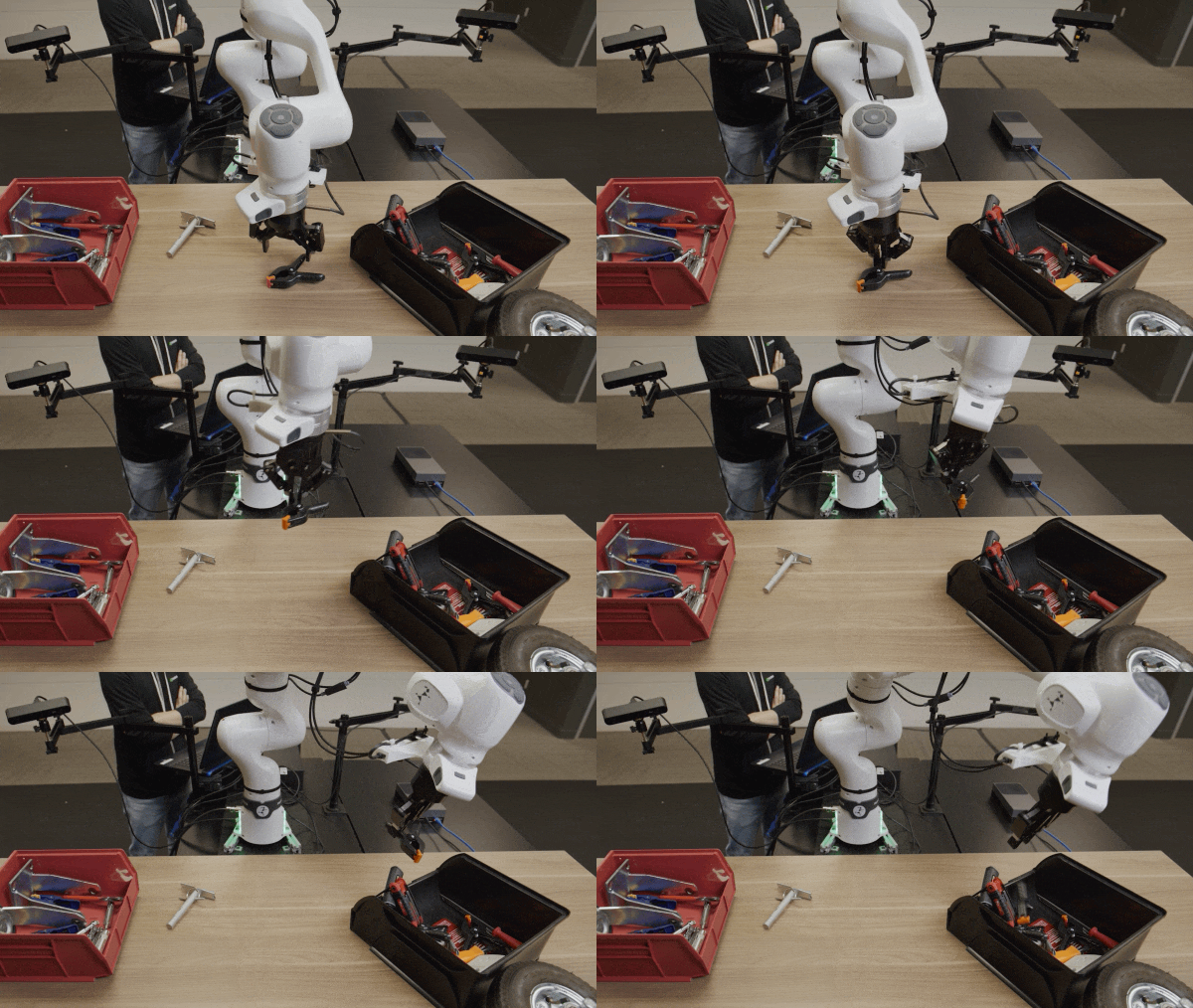
What NVIDIA released
The guide covers dataset and checkpoint preparation, distributed post-training, evaluation and deployment. NVIDIA also provides the Cosmos3-DROID dataset and a DROID-specialized Cosmos 3 Edge policy checkpoint through its repositories.
The deployment result does not mean that the complete workflow runs on an edge computer. NVIDIA says its validated post-training run used 64 nodes with four GB200 GPUs each for 60,000 iterations. The run took roughly 68 hours, or about 17,400 GB200-hours. Inference then ran on Jetson Thor.
Analysis
The useful distinction is between training and deployment. NVIDIA demonstrated that a post-trained 4B policy can execute on the robot-side Jetson platform, removing a remote GPU from the live control loop. The reported 22.9% task-success rate and the scale of the post-training run also show that this is a research and development workflow, not evidence of broadly reliable autonomous manipulation.
What remains unknown
NVIDIA has not established how the policy performs outside the reported RoboLab tasks, how it compares with alternative policies under identical conditions, or what end-to-end control latency users should expect on other Jetson configurations. Independent replication, failure-mode data, power consumption and total deployment cost remain open questions.