
BROOKLYN, NY — Pimmich is a maker-built answer to cloud-bound photo frames: a local-only, open-source smart display driven by a Raspberry Pi that keeps your images on your own hardware while still looking and feeling refined.
What It Does
- Fullscreen photo slideshow with images resized to your screen and EXIF orientation fixed
- Portrait photos presented with a tasteful blurred background to preserve aspect ratio
- Web-based setup on your local network: live preview, photo filters (Black & White, Sepia, Vignette), and simple admin authentication
- USB photo import with real-time progress
- Scheduled display on/off so the screen sleeps outside active hours
- Optional weather and tide info widgets
- All photos stored, processed, and displayed locally—works offline
Hardware
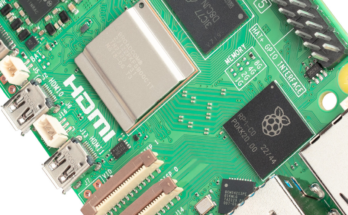
- Raspberry Pi (recommended: Pi 3, 4, or 5)
- MicroSD card (16 GB+)
- Any HDMI display + Pi power supply
- Optional: USB flash drive for imports; frame or 3D-printed enclosure
Software Stack
- Raspberry Pi OS 64-bit Bookworm Legacy
- Python 3 with Flask for the web interface
- Pygame for the fullscreen slideshow
- Pillow for image processing; Tailwind CSS for UI styling
How It Works
- Photos live on the Pi. A prep script fixes EXIF rotation, resizes to your display resolution, and adds blurred backgrounds for portrait shots.
- The slideshow runs in Pygame for stutter-free, fullscreen playback.
- From the web UI, you configure Wi‑Fi, tweak settings, import from USB, and preview the slideshow live.
- During quiet hours, the screen powers down automatically to save energy.
Why Makers Will Like It
- Local-first design respects privacy and removes cloud dependencies.
- Modular, extensible architecture encourages hacking—features like weather, tides, and advanced photo management have already landed.
- Clean polish (filters, scheduling, live preview) without locking you into someone else’s service.
The Editor’s Take: Pimmich nails a balance we don’t see often: a living-room-friendly finish with a workshop-friendly core. It’s a solid template for anyone who wants a dependable, offline display—whether for family photos, a studio mood board, or a rotating gallery—while keeping full control of the stack.
Build, Fork, Contribute
- Project site and docs: pimmich.ovh
- Community chat: Discord
- Source and write-up: Hackster project page
Credit and Source: Hackster.io