NVIDIA is continuing to frame physical AI as a software-workflow problem as much as a hardware problem.
In its robotics blog archive this month, NVIDIA highlighted work around “Agent Skills” for autonomous vehicles, robotics, and vision AI. The company’s broader 2026 robotics push has also included Jetson Thor edge computers, Isaac workflows, and open robot-learning integrations. The news peg is not one single robot. It is NVIDIA’s attempt to make robot behavior, simulation, and edge deployment easier to package into reusable pieces.
Why it matters
Robot teams do not usually fail because they lack an impressive demo video. They fail when perception, control, logging, safety checks, and deployment hardware are rebuilt differently for every task. A reusable skill layer is attractive because it promises a cleaner boundary between the task a robot is supposed to perform and the hardware-specific work needed to run it.
That boundary matters for autonomous vehicles, warehouse robots, inspection systems, and research humanoids. If a navigation, perception, or manipulation behavior can be described, tested, and moved through a predictable toolchain, small teams can spend less time rebuilding glue code and more time measuring whether the behavior survives messy conditions.
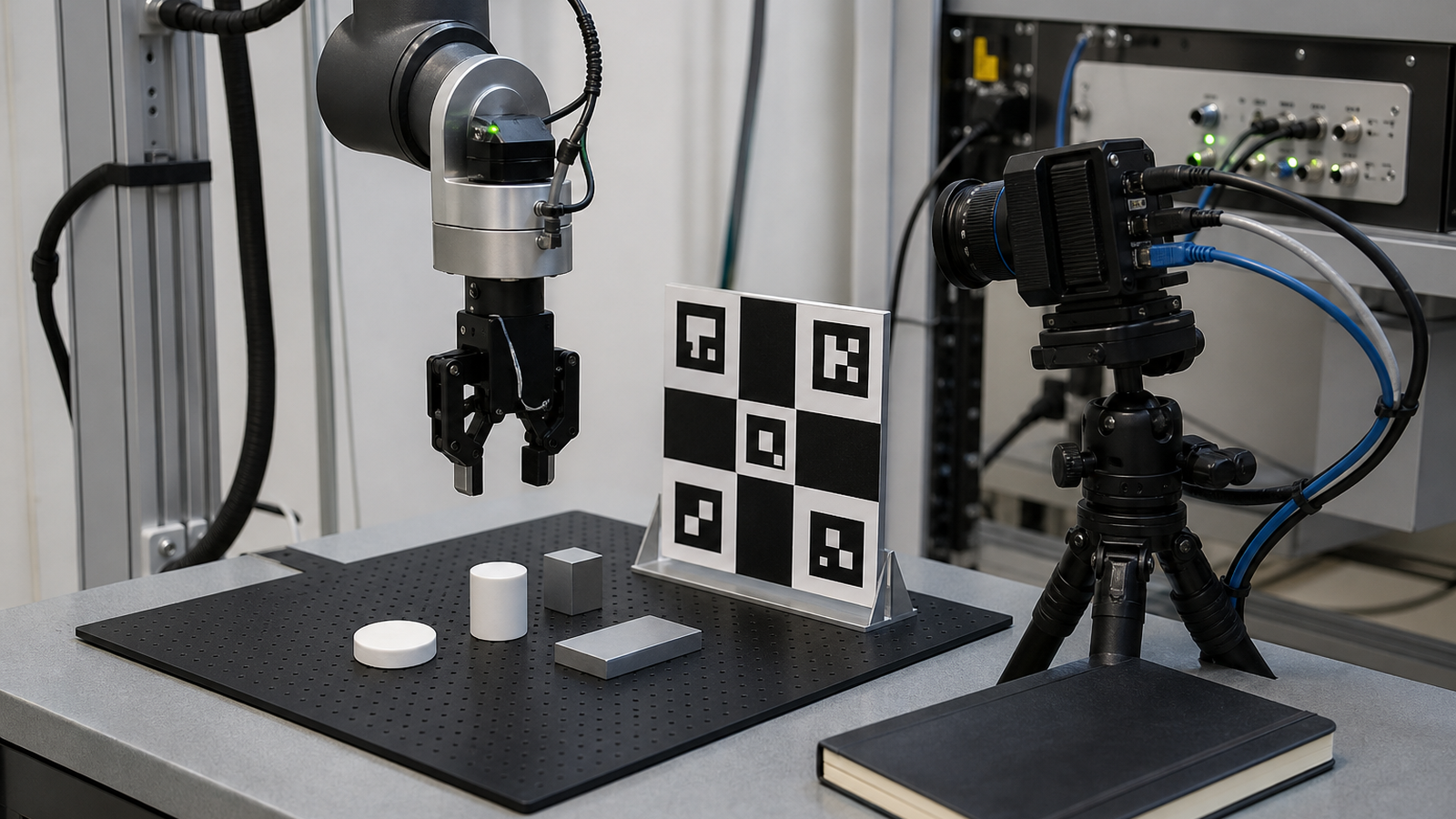
What NVIDIA is connecting
NVIDIA’s recent robotics messaging ties together three layers: simulation and model development, edge hardware, and runtime workflows. The Jetson Thor announcement, for example, positioned Blackwell-based modules for robotics, visual AI, and edge workloads. The newer Agent Skills language points at a higher layer: packaging behaviors that can be developed and evaluated more consistently.
For builders, that raises a practical question. Can a skill trained or validated in one environment be inspected well enough to trust in another? The answer depends on dataset quality, sensor calibration, compute headroom, safety constraints, and how honestly the workflow records edge cases.
STEM and smaller-lab impact
For universities, advanced STEM programs, and small robotics companies, reusable skills could make physical-AI research easier to teach and compare. Instead of every lab inventing its own task wrapper, a class could focus on what changed: camera placement, gripper geometry, lighting, object material, or the policy itself.
That only works if the workflow exposes failures. A skill that looks strong in a simulated scene but breaks when a cable blocks a camera, a cone moves, or a battery sags is not ready for field use.
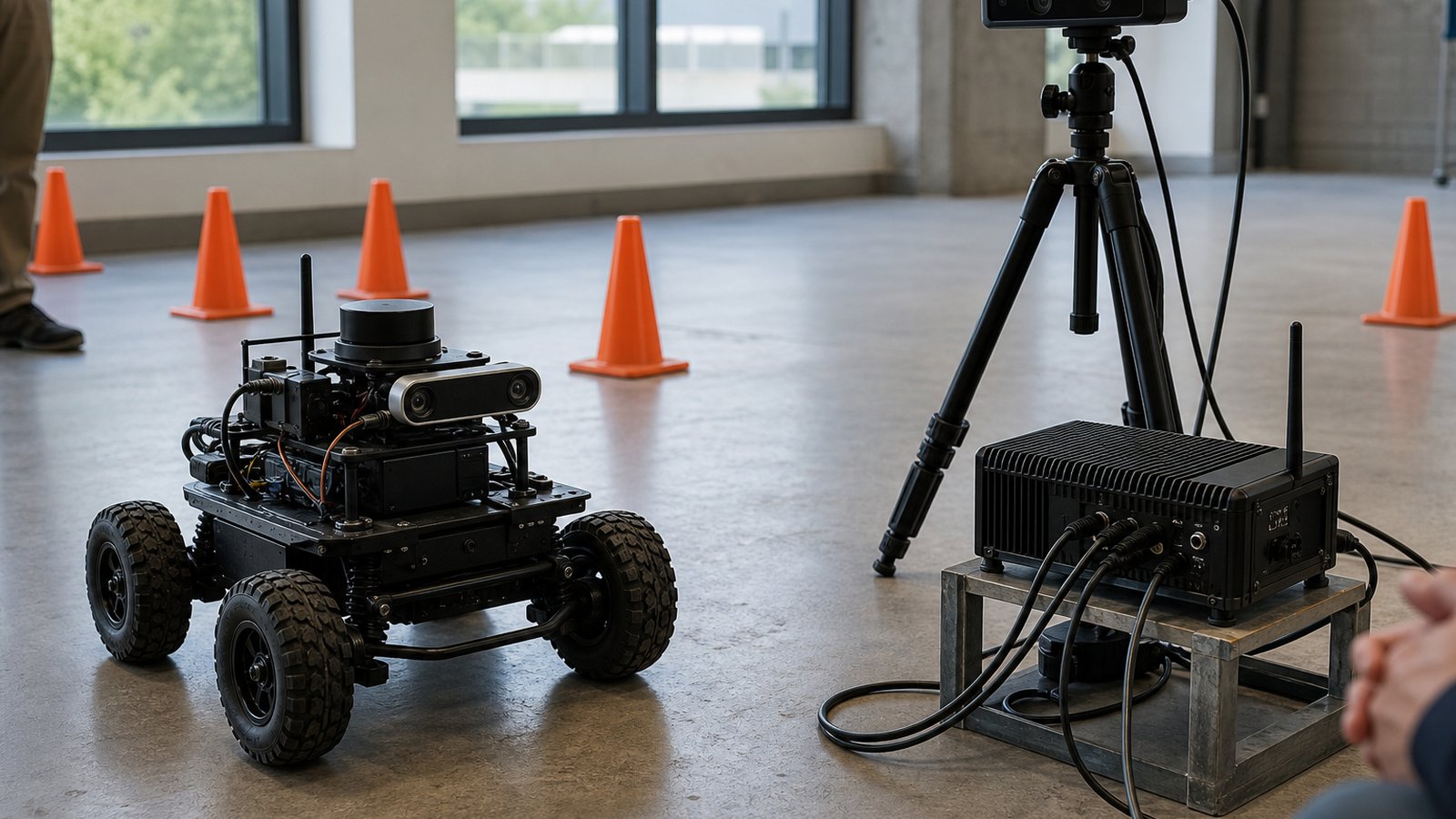
TVG Analysis
TVG’s read is that Agent Skills are important because they aim at repeatability. The robotics market has plenty of hardware announcements. What many teams need is a better way to define a behavior, test it, move it to edge hardware, and keep a record of why it failed.
The unknowns are still the real story: which skills transfer beyond controlled labs, what hardware they assume, how much compute is required, and how safety validation is handled. TVG will watch for independent examples that publish task definitions, test conditions, and failure cases — not just launch clips.
What teams should measure next
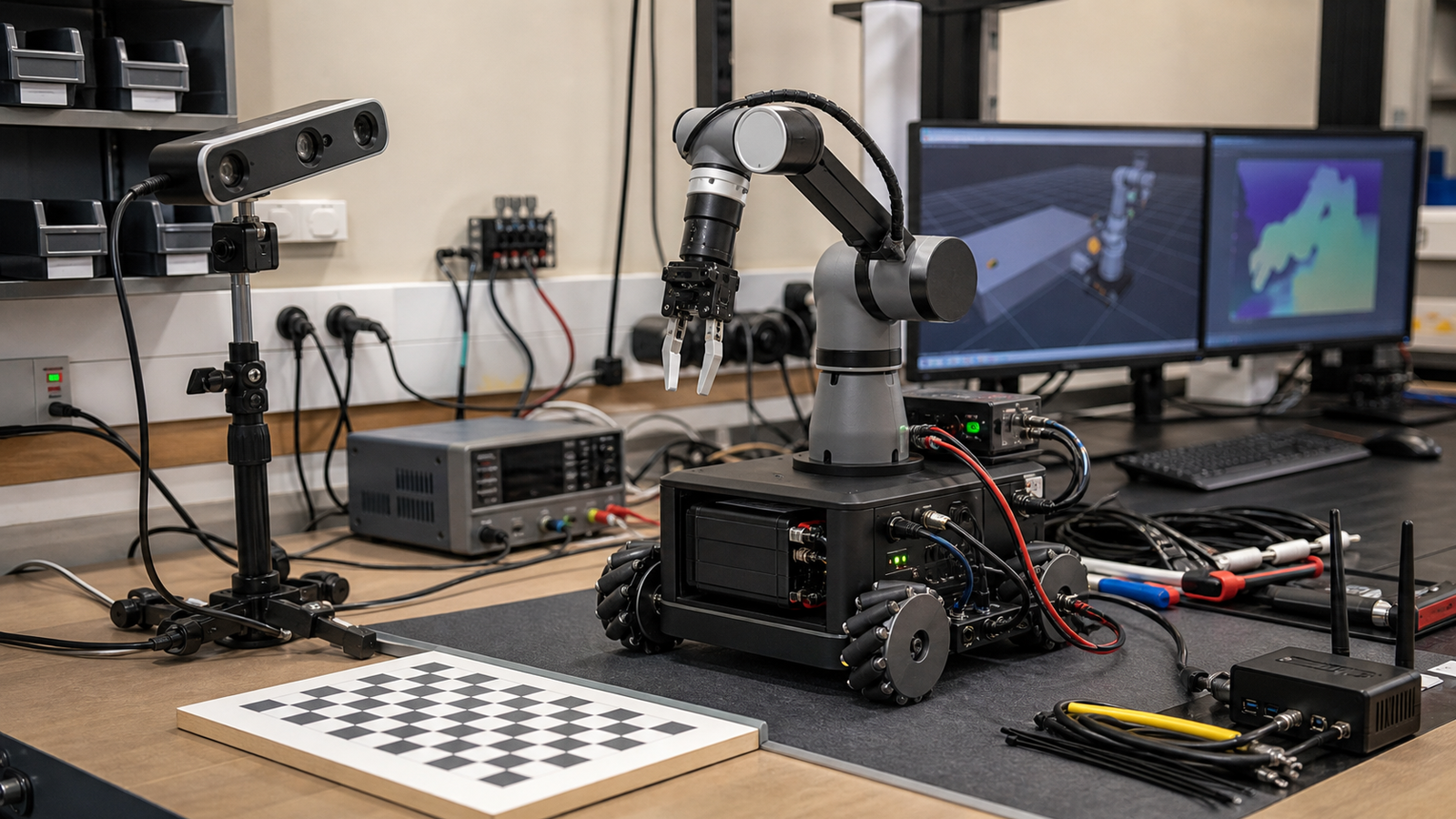
A reusable robot skill is only useful if the team can describe the conditions around it. That means logging sensor resolution, camera placement, frame rate, lighting, object dimensions, gripper pads, compute target, and the safety envelope. Without those details, a “skill” can become another black-box demo.
TVG would look for three signs of maturity: repeatable task definitions, published failure cases, and a clean path from simulation to the edge computer that will actually ride on the robot. If those are present, Agent Skills can become a useful building block. If they are missing, the language risks sounding more complete than the field result.
Related TVG reading
For readers building the same engineering context, these TVG Report pieces connect the current topic to practical hardware, field workflow, and maker-lab decisions:
- NVIDIA’s Cosmos 3 Edge Post-Training Guide Pushes Robot Control Closer to the Device
- Raspberry Pi AI Camera vs. OAK-D Lite: Which Vision Module Fits a Classroom Robot?
- NVIDIA and Hugging Face Put GR00T 1.7 and Isaac Teleop Into the Open Robot-Learning Pipeline