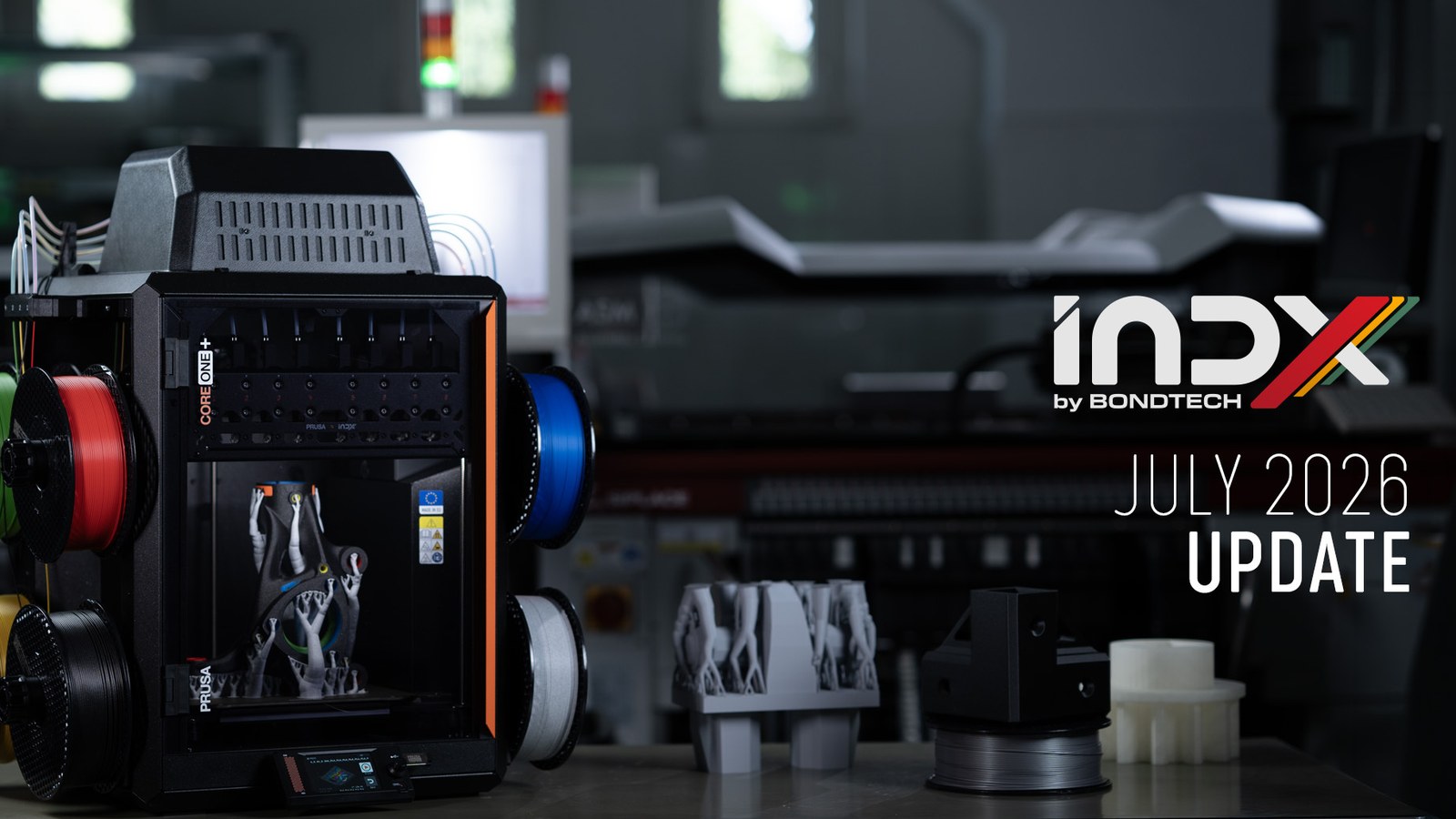
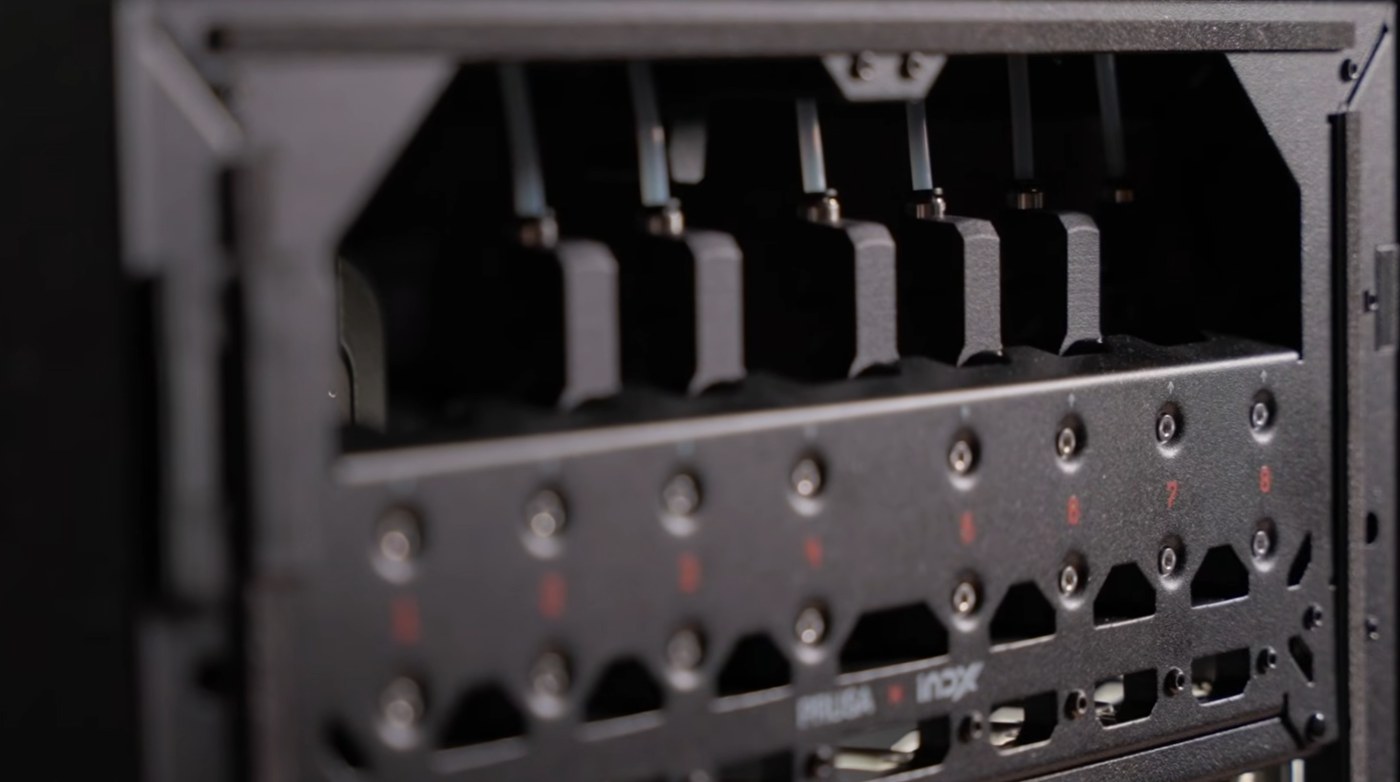
Prusa Research says the Bondtech INDX Founders Edition is now “out in the wild,” and that the next phase is shipping the standard INDX Conversion Kit for Original Prusa CORE One and CORE One+ machines.
In a July 2026 update, Prusa said the first standard kits are scheduled to leave its factory by the end of July, with the full first batch still targeted for completion by the end of August. The company also said the Founders Edition delay forced a timeline adjustment for the broader kit rollout.
For makers, schools, and small prototyping benches, the update matters less as a shipping notice and more as a reminder that toolchanging is a system-level reliability problem. The promise is simple: keep multiple tools ready so a printer can switch materials, colors, or nozzle sizes without treating every change as a manual intervention.
What changed in the July update
Prusa’s post describes INDX as moving from early Founders Edition units toward standard conversion-kit delivery. It also points to continued improvements since the original announcement, including component sourcing and practical upgrades from months of in-office printing.
That detail is important. A toolchanger is not just an extra carriage bolted to a printer. It depends on repeatable docking, clean tool pickup, nozzle-offset calibration, filament routing, firmware behavior, purge strategy, and recovery when one tool misses a handoff.
Why it matters
Multi-material printing can make a classroom or maker lab more capable, but it also multiplies the number of failure points. A single-tool printer asks whether the machine can move, heat, extrude, and cool. A toolchanger adds docking geometry, parking accuracy, inactive-tool ooze control, purge volume, and user understanding of which failures belong to the model versus the machine.
The INDX update is therefore a useful moment for buyers to look past the first successful demo print. The better question is how the system behaves after the twentieth tool change, after a filament spool is swapped, or after a print uses support material overnight.
Engineering checkpoints to watch
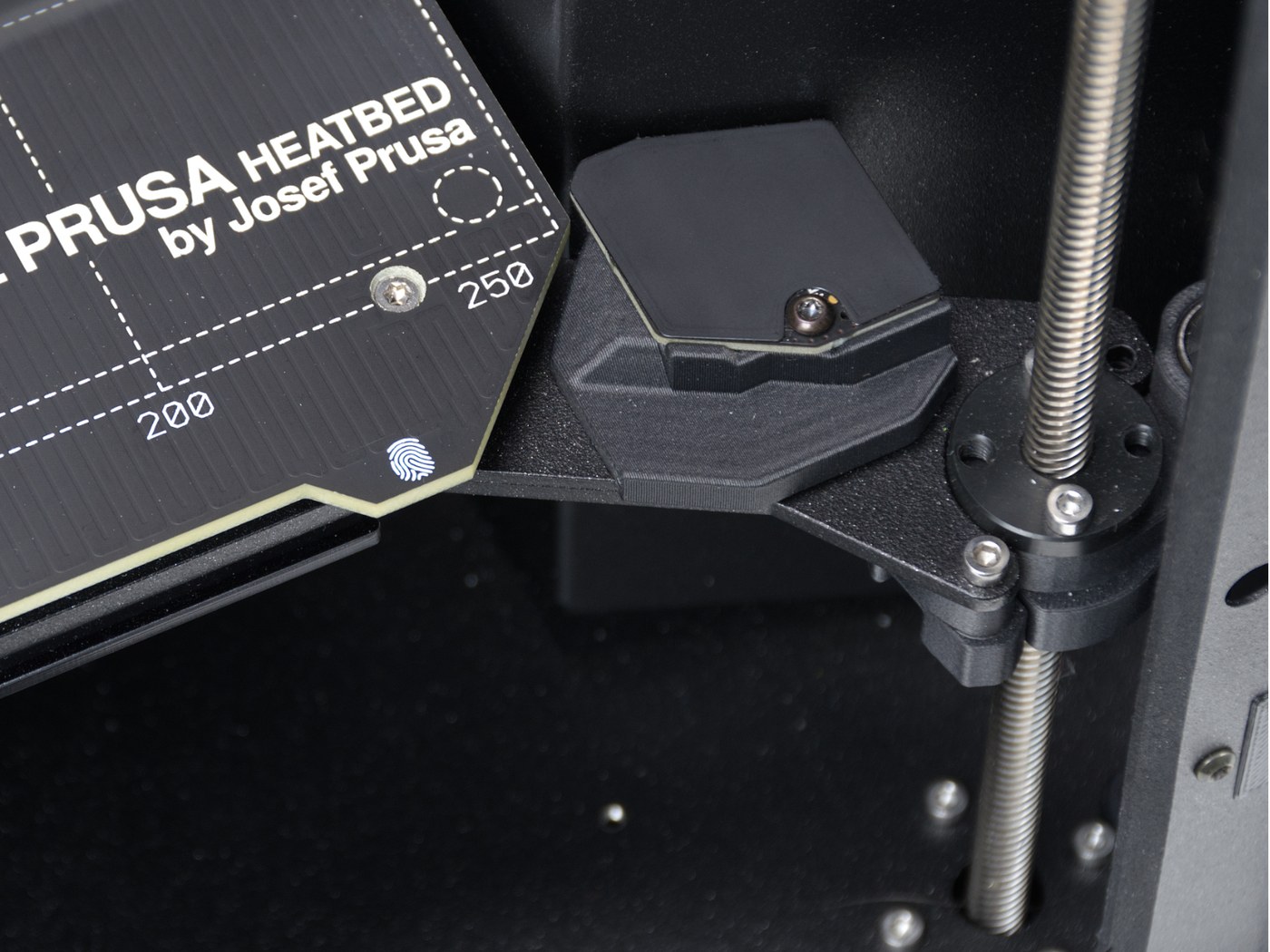
TVG would watch five practical signals as the standard kits reach more users. First, how often does the tool pickup require manual intervention? Second, how stable are nozzle offsets after transport, maintenance, or normal vibration? Third, how much purge material is needed for common two- and three-material prints? Fourth, how clearly does the slicer explain tool order, purge blocks, and failure recovery? Fifth, how easy is it for a school or shared lab to document a known-good setup for the next user?
None of those questions require a lab-grade review to start tracking. Makers can print small test coupons, record failed tool changes, measure waste mass, and keep a repeatable profile log before using the machine for a deadline project.
TVG Analysis
The strongest version of INDX is not a novelty color accessory. It is a path toward more automated fabrication workflows in small labs, where one machine can produce flexible parts, soluble supports, different nozzle-size features, or labeled prototypes without constant human babysitting.
The risk is that toolchanging can look solved in a launch video while remaining fragile in daily use. Prusa’s staged rollout gives the maker community a chance to judge the boring details: calibration drift, failed pickups, purge waste, slicer clarity, serviceability, and how well documentation catches up with real users.
Prusa has not yet published broad field-failure data for the standard conversion kits. TVG will watch early owner reports, official documentation updates, and whether INDX becomes a dependable tool for labs rather than only an impressive demo platform.