NVIDIA used its SIGGRAPH 2026 coverage to put graphics, neural rendering, simulation and physical AI in the same conversation. The company’s own post says NVIDIA research and engineering leaders outlined advances in neural rendering, world models and simulation during the conference, with Cosmos Lab leadership appearing in the keynote program.
For TVG readers, the news is not simply that graphics demos are becoming more realistic. The more important shift is that simulation is becoming part of the robotics development loop. When a robot needs to perceive, plan and act in a changing physical space, synthetic scenes and world-model work can help teams test more cases before hardware time becomes the bottleneck.
Why it matters
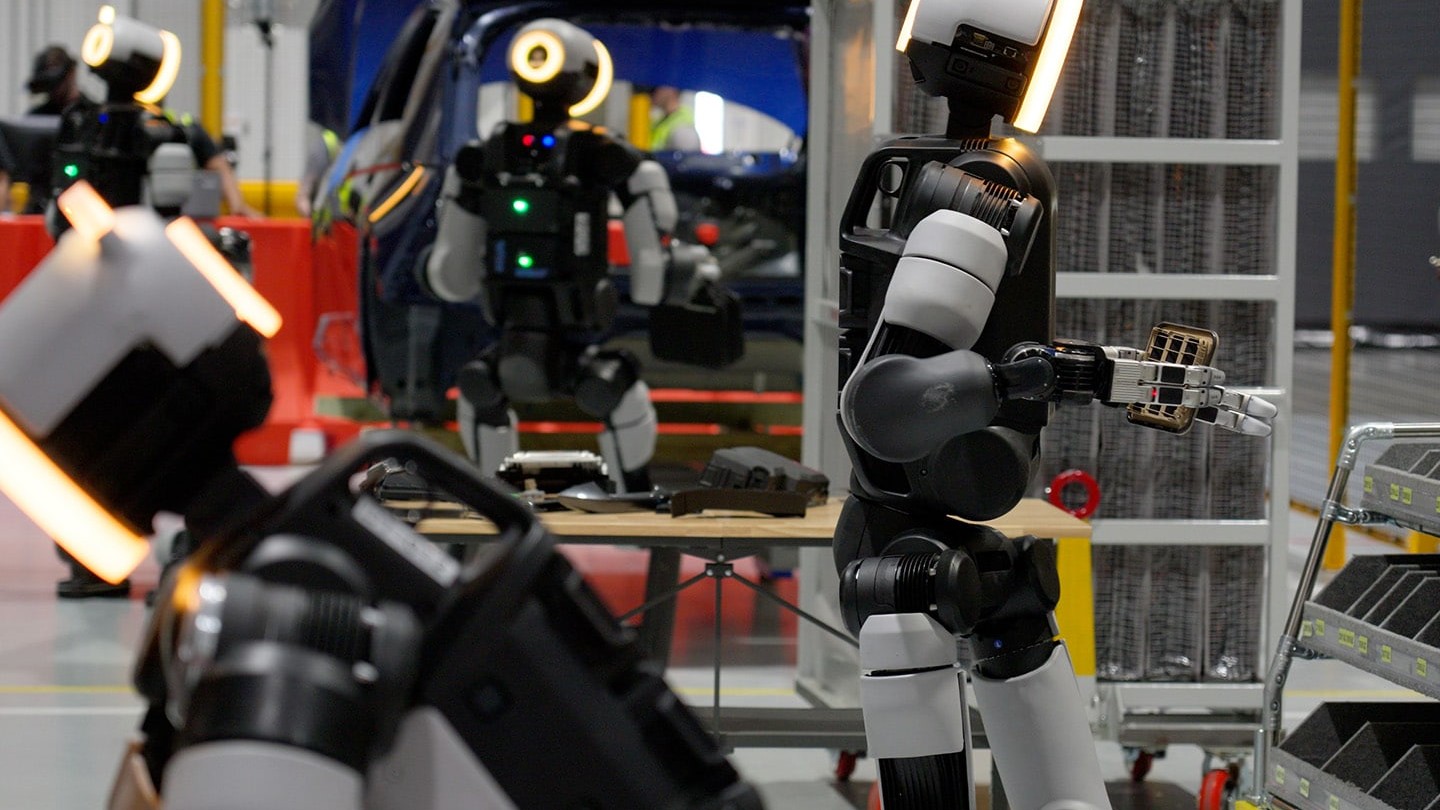
Robot labs, student teams and industrial integrators all face the same constraint: real-world testing is slow, expensive and sometimes unsafe. A simulated warehouse aisle, inspection route or manipulation task can be reset instantly. A physical robot cannot. Better simulation tools can widen the number of failures a team studies before it ships code to the machine.
That does not mean simulation is a substitute for field validation. It means the handoff between simulation and hardware is becoming a product-readiness question. A team has to know which sensor effects, lighting changes, contact forces, latency problems and edge cases are represented well enough to trust, and which still require physical testing.
Technical breakdown
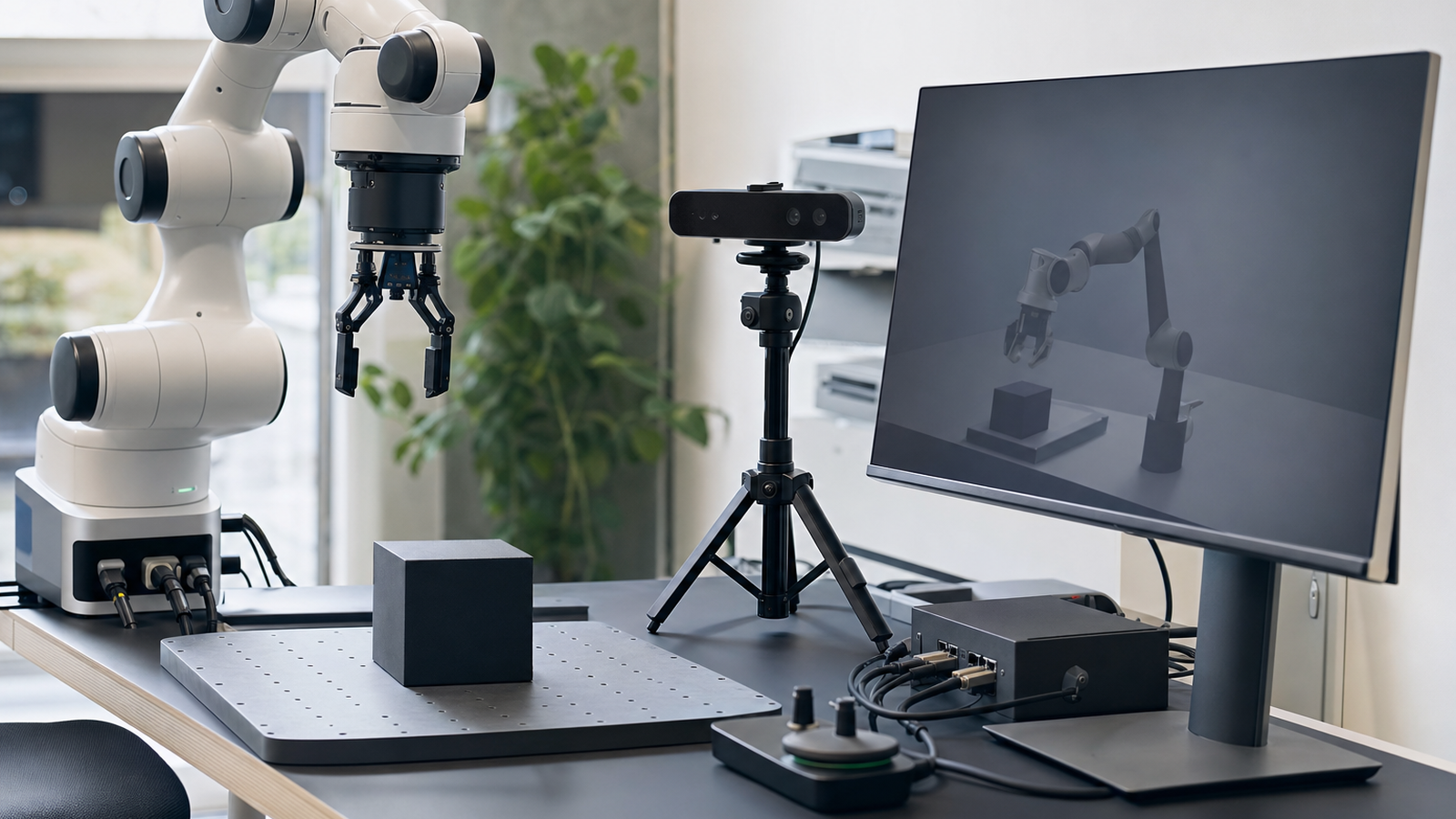
NVIDIA’s SIGGRAPH framing connects neural rendering, simulation and physical AI. In practical terms, those areas touch three parts of a robot workflow: scene generation, model training or evaluation, and deployment testing. A warehouse robot can benefit from varied lighting and obstacle cases. A manipulation system can benefit from repeated object-position trials. A vision pipeline can benefit from synthetic camera angles before a team tapes another camera mount to the chassis.
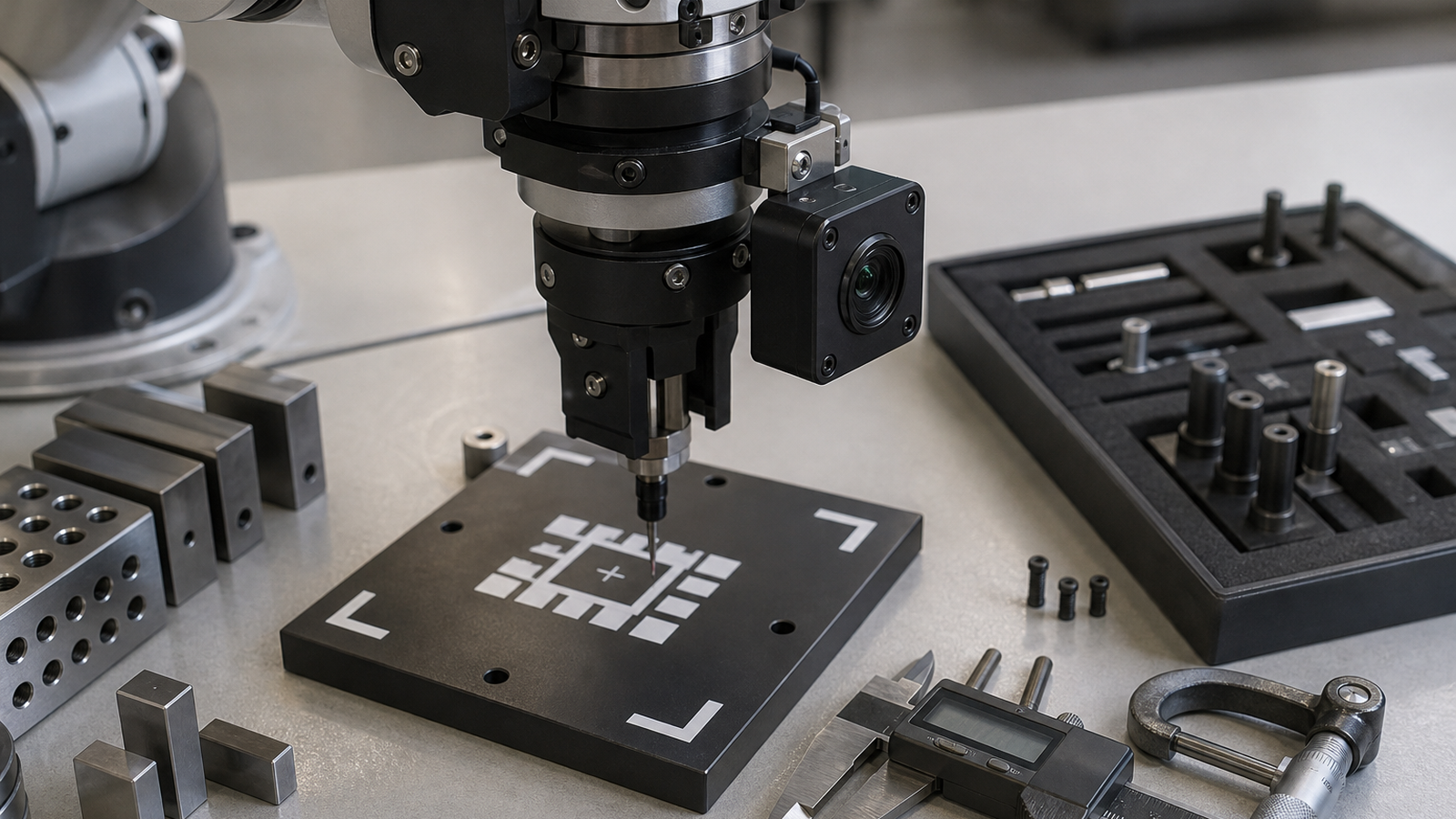
The weak point is calibration. Synthetic data and simulated environments are useful only when teams track the gap between the model world and the real bench. Camera intrinsics, lens distortion, rolling shutter, motion blur, depth noise, contact friction and timing jitter can all make a clean simulation too optimistic.
What smaller teams should watch
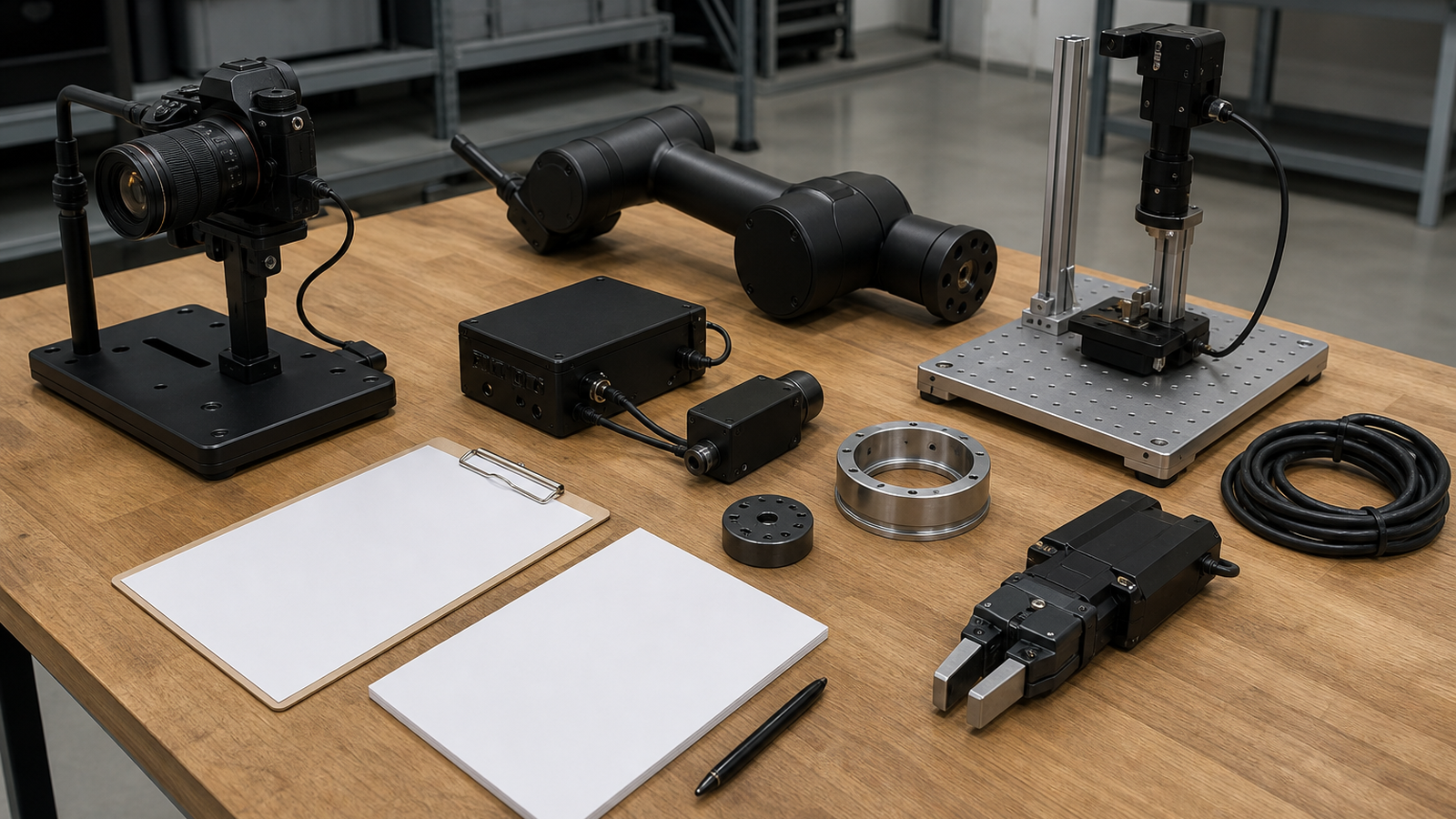
For a school lab or independent robotics shop, the useful signal will be the availability of workflows that can run without a large enterprise budget. That includes sample scenes, repeatable export paths, sensor-noise settings, robot middleware examples and clear documentation for moving a model from a simulated run to a bench test. A demo that requires a specialized workstation and a large team is interesting, but a repeatable workflow that helps students test lighting and obstacle cases is more valuable.
The other watch item is data ownership. Simulation work often depends on real robot logs, camera samples and environment models. Teams should decide what can be uploaded to a vendor tool, what must stay local and how long test data should be retained. That policy work sounds dull, but it becomes important when a robot is recording classrooms, factories or customer sites.
TVG Analysis
The most credible robotics use of these tools is not “train everything in simulation and trust it.” It is a staged workflow: use simulation to find candidate failures, use the bench to validate the dangerous or expensive cases, then use logs from the robot to improve the next simulated run. That loop is where graphics research becomes engineering practice.
What remains unknown from conference coverage is how quickly the newest tools become affordable and repeatable for smaller teams. TVG will watch for reference workflows, open examples and documentation that show sustained testing gains rather than only keynote-quality visuals.
Related TVG reading: NVIDIA Jetson Thor T3000 and T2000 for edge robotics.