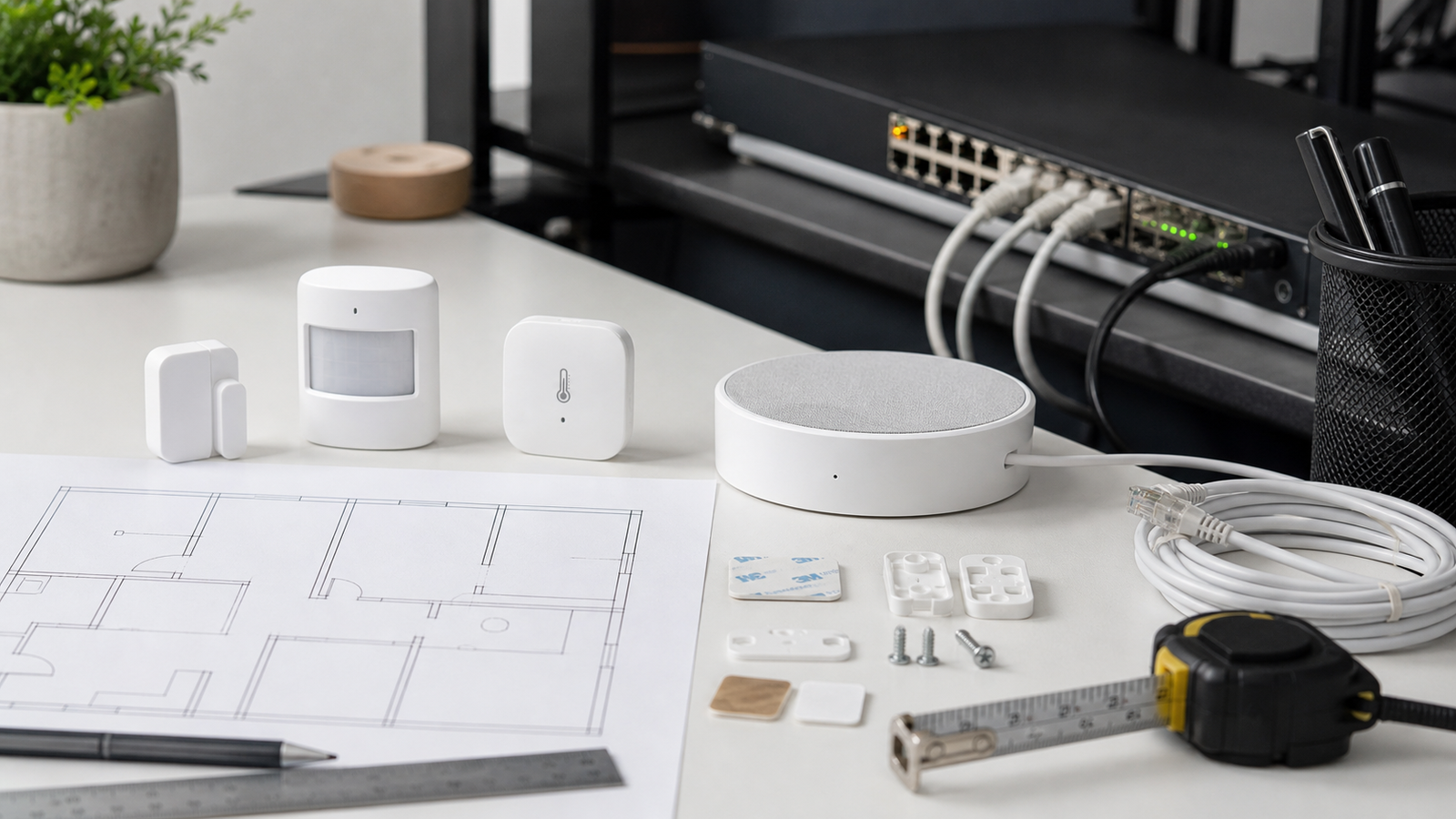
Matter can make smart-home devices easier to mix across ecosystems, but it does not make a poorly placed sensor good. A contact sensor still has to align. A motion sensor still has to see the right area. A Thread device still depends on a healthy mesh. A temperature sensor still gives bad results if it is mounted next to sunlight, HVAC airflow, or a heat-producing device.
The Connectivity Standards Alliance describes Matter as an industry-unifying standard for reliable, secure IoT connectivity. That is useful. For a home lab, the engineering work begins after pairing succeeds.
Quick answer
Place Matter and Thread sensors where the physical measurement is clean, the wireless path is stable, the battery can be reached, and the automation can be tested under normal failure conditions. Pairing is only the first gate.
Why placement still matters
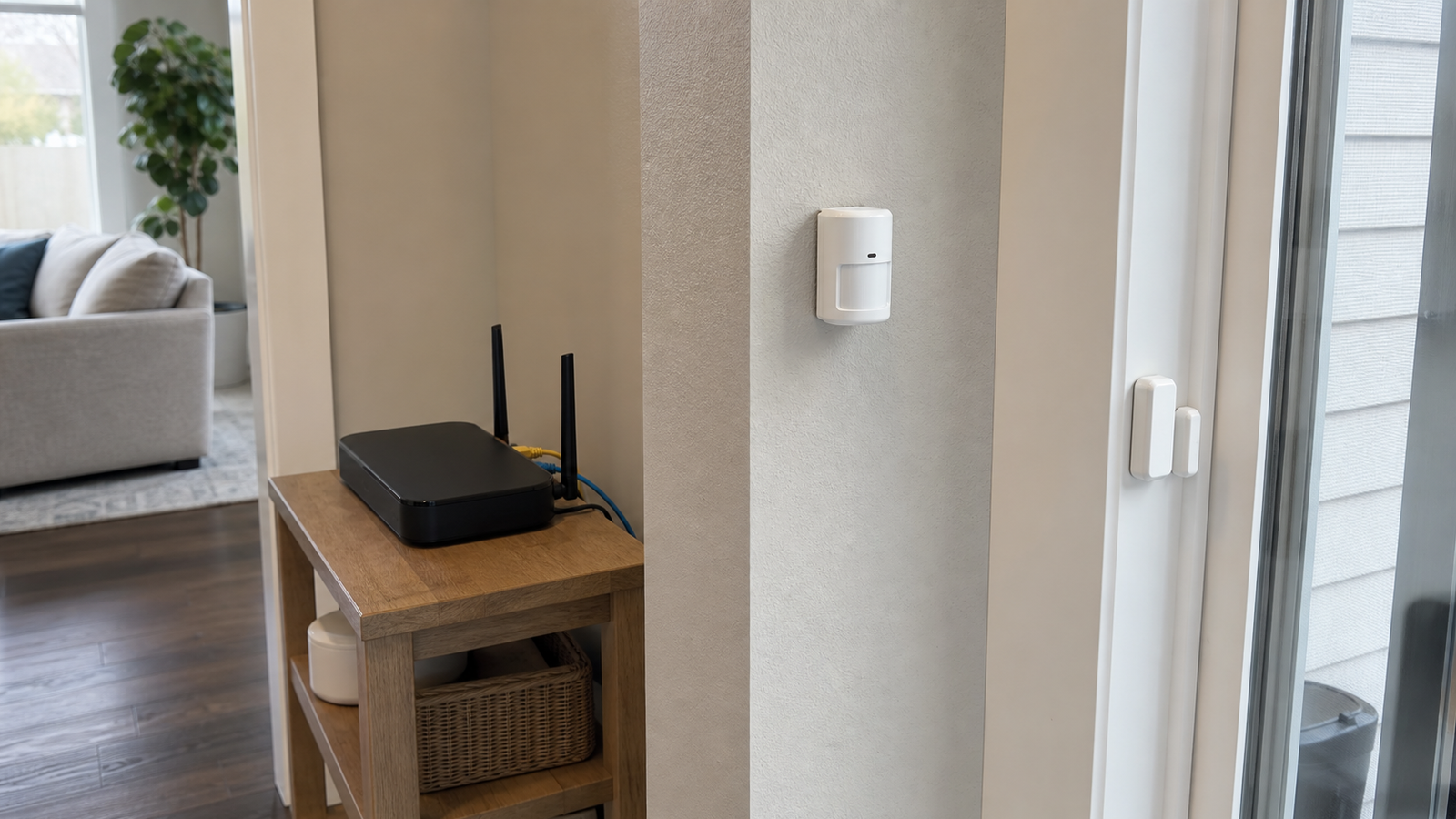
A smart-home automation is a chain: sensor, radio link, controller, rule, actuator, and user expectation. Matter can improve interoperability in that chain, and Thread can provide a low-power mesh option for many devices. Neither standard can fix a motion sensor hidden behind a curtain or a door contact sensor that shifts every time the frame swells.
That is why TVG treats smart-home work like a small systems lab. The setup should have a map, known device locations, a way to test triggers, and notes on what happens when batteries run low or the network changes.
Placement checklist
- Measure the thing you actually care about: temperature, motion, contact, occupancy, leak detection, or light level each has a different ideal location.
- Check the mesh path: Thread devices may need a nearby router-capable device or border router path, not only a successful first pairing.
- Avoid hostile surfaces: metal, thick masonry, appliances, and clutter can change radio behavior.
- Plan battery access: a perfect location that requires a ladder every month is not perfect.
- Test normal use: open the door normally, walk the hallway at night, run the HVAC, and verify the automation is still correct.
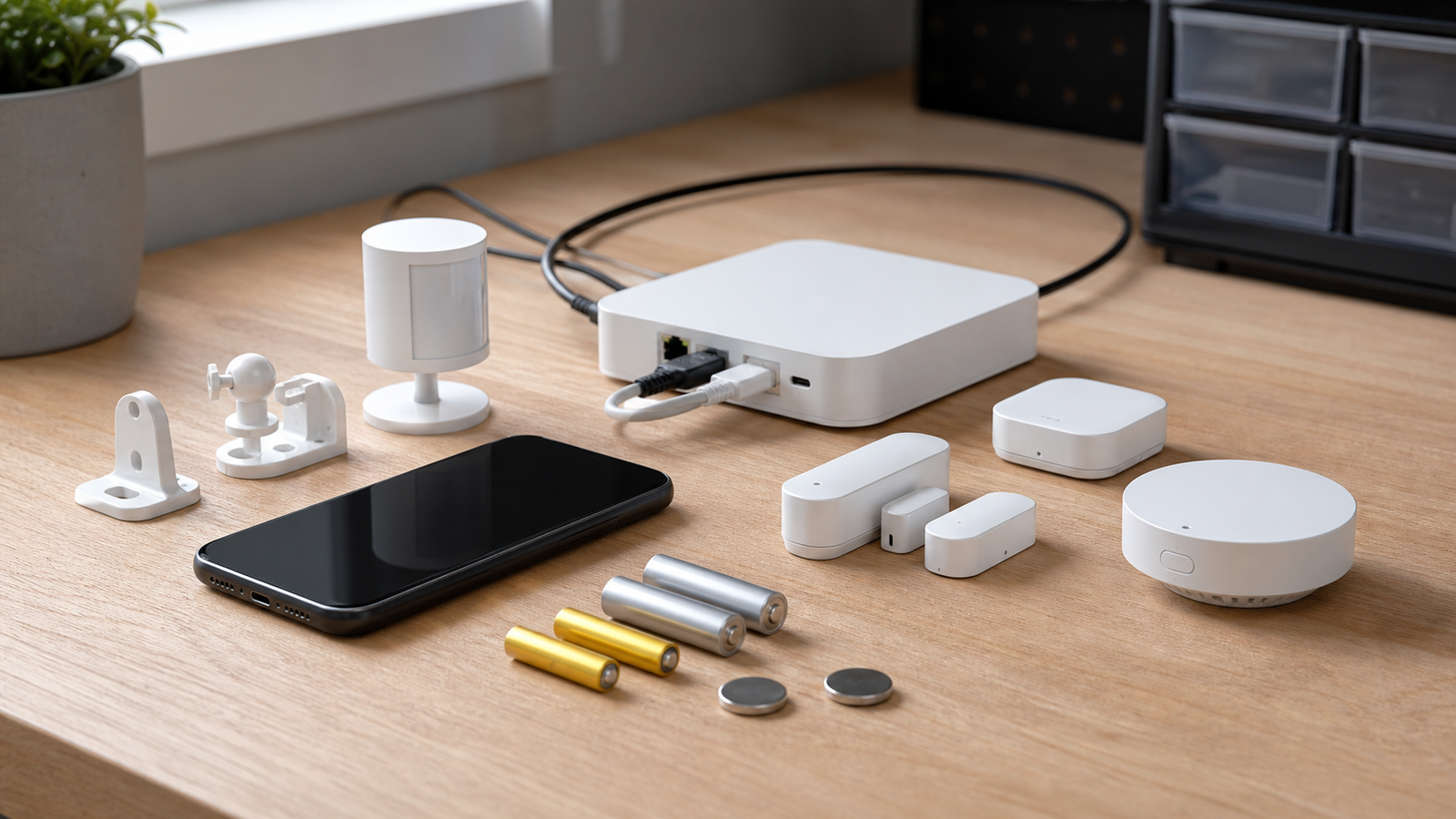
- Record the location: keep a home-lab note with device name, room, battery type, and automation dependency.
Common failure modes
The most common mistake is believing the app’s device list is the system diagram. It is not. A sensor can be online and still be measuring the wrong thing. Another mistake is moving a router, smart plug, or hub without retesting nearby devices. The network topology may have changed even if the app still looks calm.
For labs already using wired sensors, TVG’s PoE sensor reliability guide is a useful comparison point: wired power and data simplify some problems but add their own planning needs. Wireless Matter and Thread devices trade cable work for placement and mesh discipline.
TVG Take
Matter makes smart-home ecosystems less fragmented, not less physical. Treat every sensor as a measurement device with a mounting plan, power plan, network path, and test case. The best smart-home lab is not the one with the most devices; it is the one where automations remain explainable after the novelty wears off.