Editorial mode: News. FIRST has posted the BIOBUZZ game and season page for the 2026–2027 FIRST Tech Challenge season, giving teams an official landing page for the next cycle of middle-school and high-school robotics competition.
The page does not turn the season into a complete engineering brief yet. The full game details still depend on the normal kickoff flow, team updates and manuals. But the existence of the season page matters because it starts the clock for shops, classrooms and community teams that need their robots, control systems and documentation habits ready before design pressure starts.
FIRST describes FIRST Tech Challenge as a STEM robotics program for grades 7–12, with teams designing, building and programming robots for a season challenge. For TVG readers, the practical angle is not just the theme. It is the pre-season engineering work that makes a team resilient when the first build sprint arrives.
Why it matters
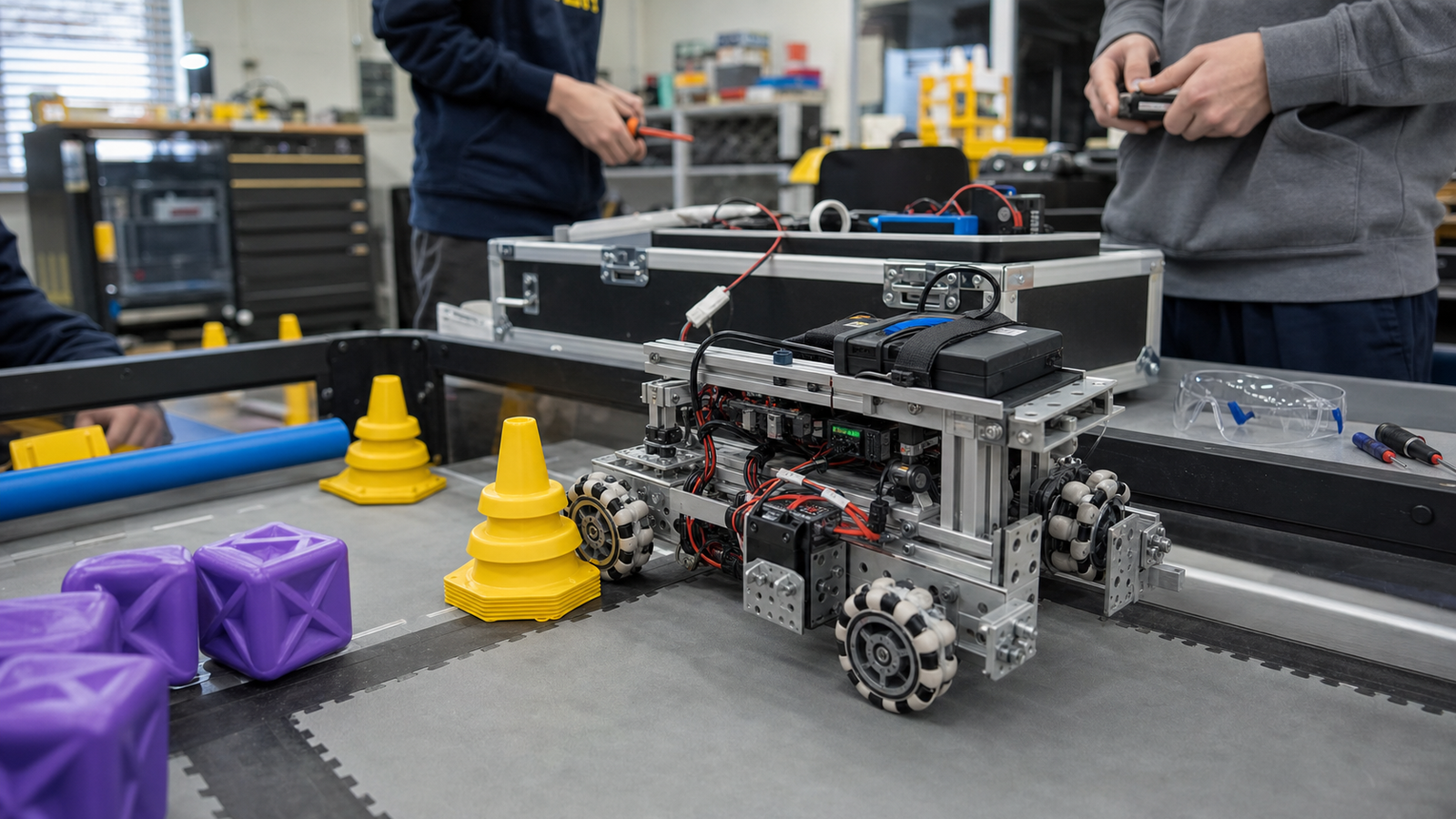
Teams often lose time during kickoff because the robot is not the only system that needs design. Batteries age. Connectors loosen. laptops and driver stations drift out of update discipline. Control hubs, motor leads, USB cables, phones, gamepads, chargers and field elements become a stack of small failure points that only looks simple from a distance.
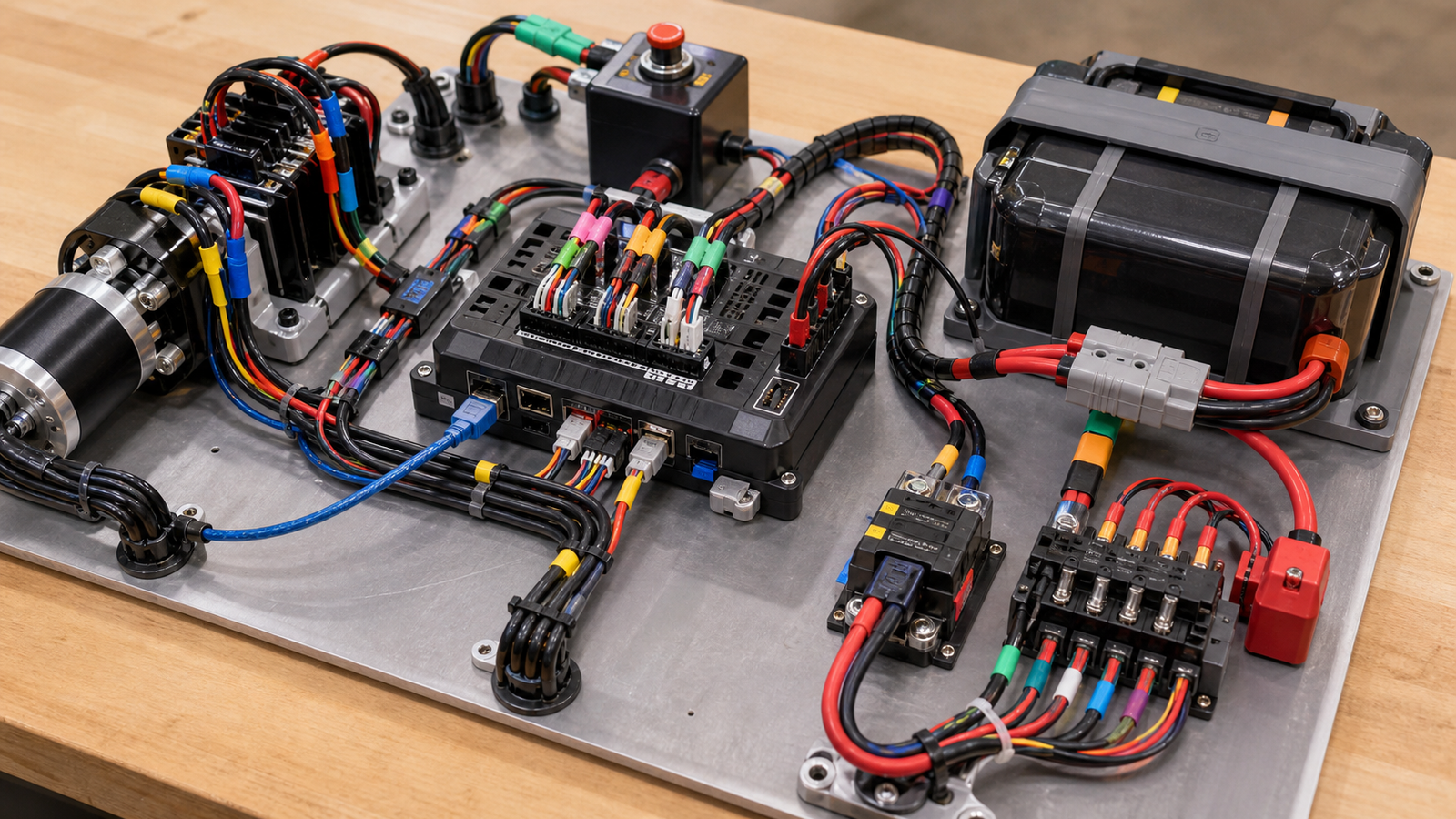
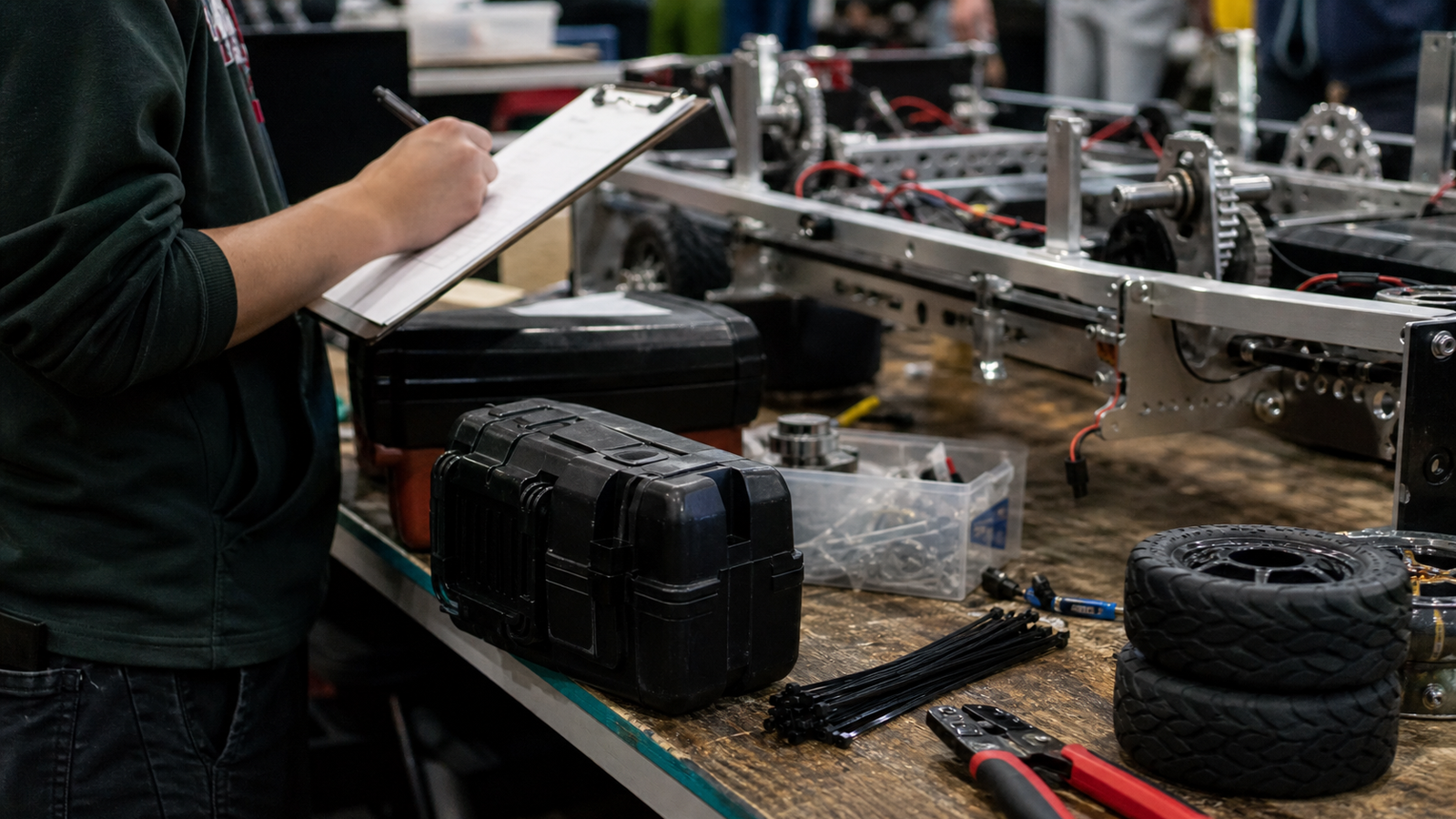
BIOBUZZ gives teams a reason to separate two jobs: wait for game-specific design rules, but start validating the reusable parts of the engineering workflow now. That includes cable strain relief, battery rotation, code repository hygiene, motor-controller inventory, spare fasteners, wheel condition, field transport cases and inspection documentation.
Engineering preparation before kickoff
A useful pre-season checklist should avoid guessing at unreleased game rules. Instead, teams can audit what is already knowable. Does every battery have a date, status and safe storage process? Are power switches mounted where inspectors and drivers can reach them? Are motor and servo cables retained well enough to survive practice hits? Are replacement USB cables short, known-good and separated from random charging cables?
The software side deserves the same discipline. Teams should confirm that their development machines can build a known working project, that students understand version control basics, and that the team can recover from a laptop or controller swap without losing the season’s code history. The goal is not to overbuild before the reveal. It is to remove avoidable friction from the first week.
For rookie teams, this is also a teaching opportunity. A battery box, a wiring board and a small practice chassis can teach current flow, connector retention, sensor mounting and fault isolation without requiring the final game manual. That kind of work makes the official kickoff more approachable because students see the robot as a system rather than a pile of parts.
TVG Analysis
The best use of the BIOBUZZ announcement is not prediction. It is preparation. Teams should resist designing mechanisms around rumors and instead harden the systems that appear every year: power, wiring, software recovery, driver practice, inspection readiness and student handoff.
What remains unknown is the game-specific challenge, scoring priorities and detailed robot constraints. TVG will watch for the official kickoff materials, team updates and control-system guidance that turn BIOBUZZ from a season page into a build plan.
Related TVG reading
For more engineering-first context, compare this piece with Review Preview: Petoi Bittle X Makes Legged Robotics Feel Teachable, Review Preview: SunFounder PiCar-X Makes Raspberry Pi Robotics Feel Review-Worthy, Portable LED Lighting for Robot Field Video: A Practical Guide for Teams.