Unbranded industrial robot arm calibration setup with checkerboard target, depth camera, safety fencing, and simulation workstation

Nvidia and ABB Robotics Bridge the Sim-to-Real Gap with AI

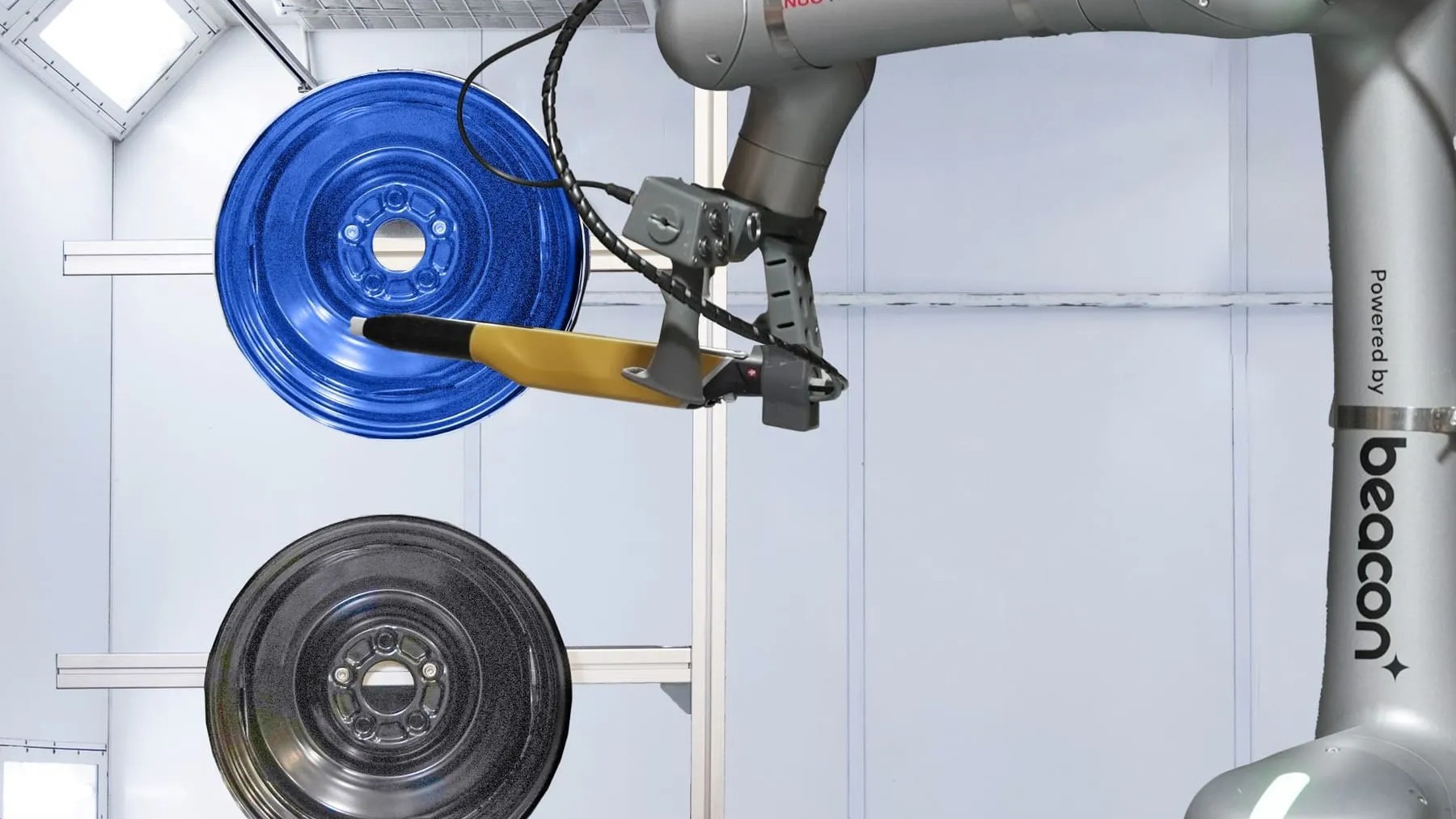
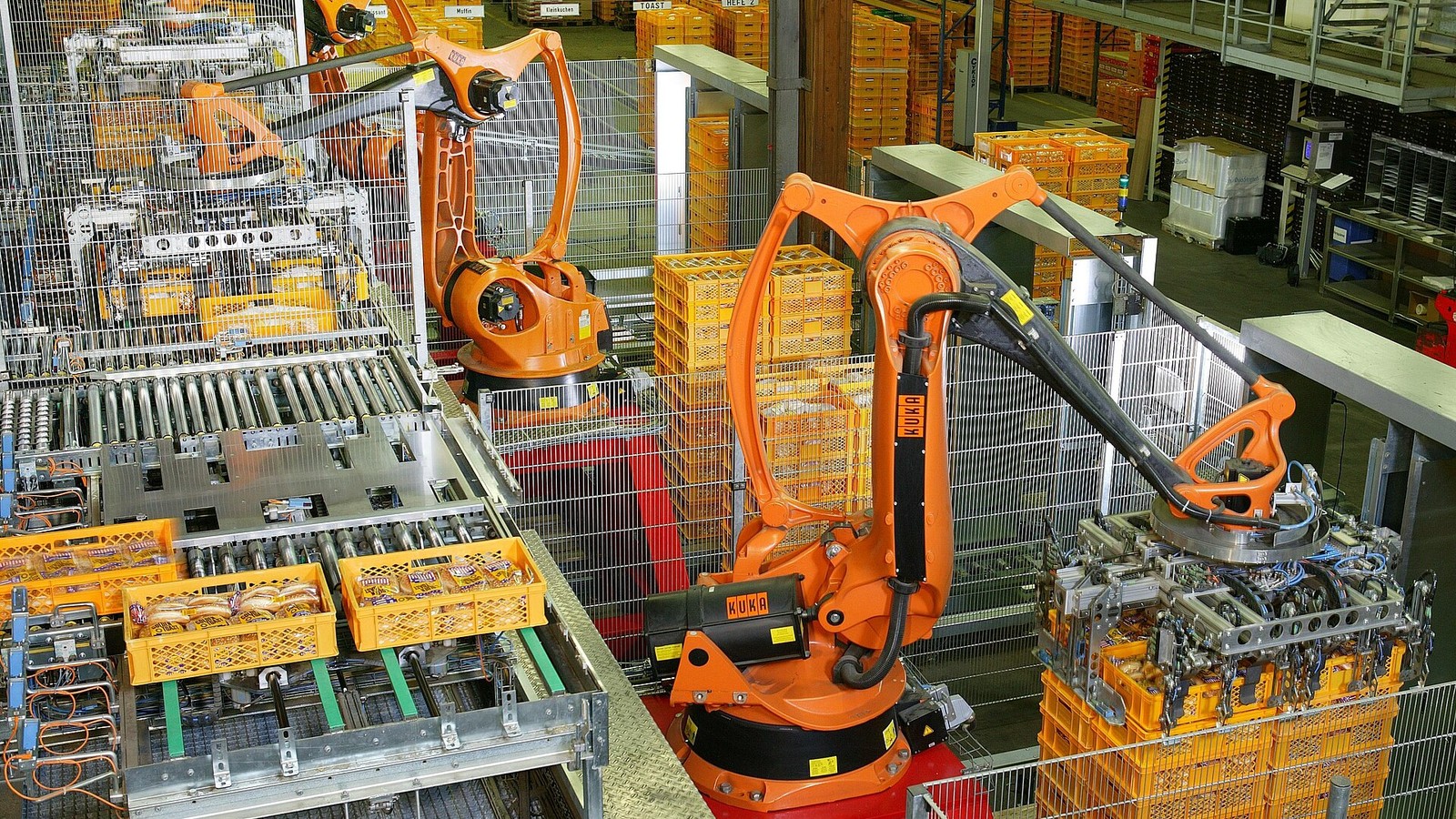
Nvidia and ABB Robotics have announced a joint platform combining Omniverse simulation with ABB’s RobotStudio engineering software, targeting a persistent challenge in industrial automation: getting robots to perform in the real world the way they do in digital environments. The integrated offering, RobotStudio HyperReality, is scheduled for release in the second half of 2026.

Nvidia and ABB Robotics Bridge the Sim-to-Real Gap with AI Read More
NHTSA probes Waymo after AV hits child near Santa Monica school

NHTSA probes Waymo after AV hits child near Santa Monica school

School-bus compliance troubles This incident follows separate scrutiny of Waymo’s behavior around school buses. In December, the company announced a voluntary software recall after its robotaxis illegally passed stopped school buses in multiple states. A televised incident in Atlanta in September preceded an NHTSA probe into school-bus stop compliance. Austin Independent School District reported 19 instances of “illegally and dangerously” passing stopped buses since the 2025–2026 school year and urged Waymo to suspend operations during loading and unloading windows. Operations, safety record, and prior recalls Waymo says its robotaxis surpassed 100 million autonomous miles in July 2025 and are adding about 2 million miles weekly. The service operates paid rides in Atlanta, Austin, Los Angeles, Phoenix, and San Francisco, with more than 10 million paid trips completed. In May 2025, Waymo recalled 1,212 vehicles to address collision risks with chains, gates, and other barriers, resolved via a November 2024 software update. The company plans to expand to additional U.S. cities including Nashville, Las Vegas, San Diego, Detroit, Washington, D.C., Miami, Dallas, Seattle, Houston, Orlando, San Antonio, Baltimore, Philadelphia, Pittsburgh, St. Louis, and Denver, and targets a 2026 London deployment after initiating testing in Tokyo. The Editor’s Take: For riders and nearby road users, expect AVs to drive even more conservatively around schools—slower approach speeds, wider buffers near occlusions, and more frequent full stops. For developers, the near-term work is clear: tighten school-zone geofencing, increase occlusion penalties in the planner, lower speed caps under partial visibility, and validate end-to-end perception-to-brake latency against child-pedestrian benchmarks; those changes will likely trade throughput for safety but should reduce impact velocity in worst-case scenarios.

NHTSA probes Waymo after AV hits child near Santa Monica school Read More
OpenClaw boom exposes agentic AI security blind spots

OpenClaw boom exposes agentic AI security blind spots

OpenClaw’s viral growth has validated agentic AI—and exposed how little traditional enterprise defenses can see when autonomous assistants run on unmanaged devices. Researchers are already finding leaked keys, chat logs, and open consoles, while Cisco and IBM warn the model requires production-grade controls now.

OpenClaw boom exposes agentic AI security blind spots Read More