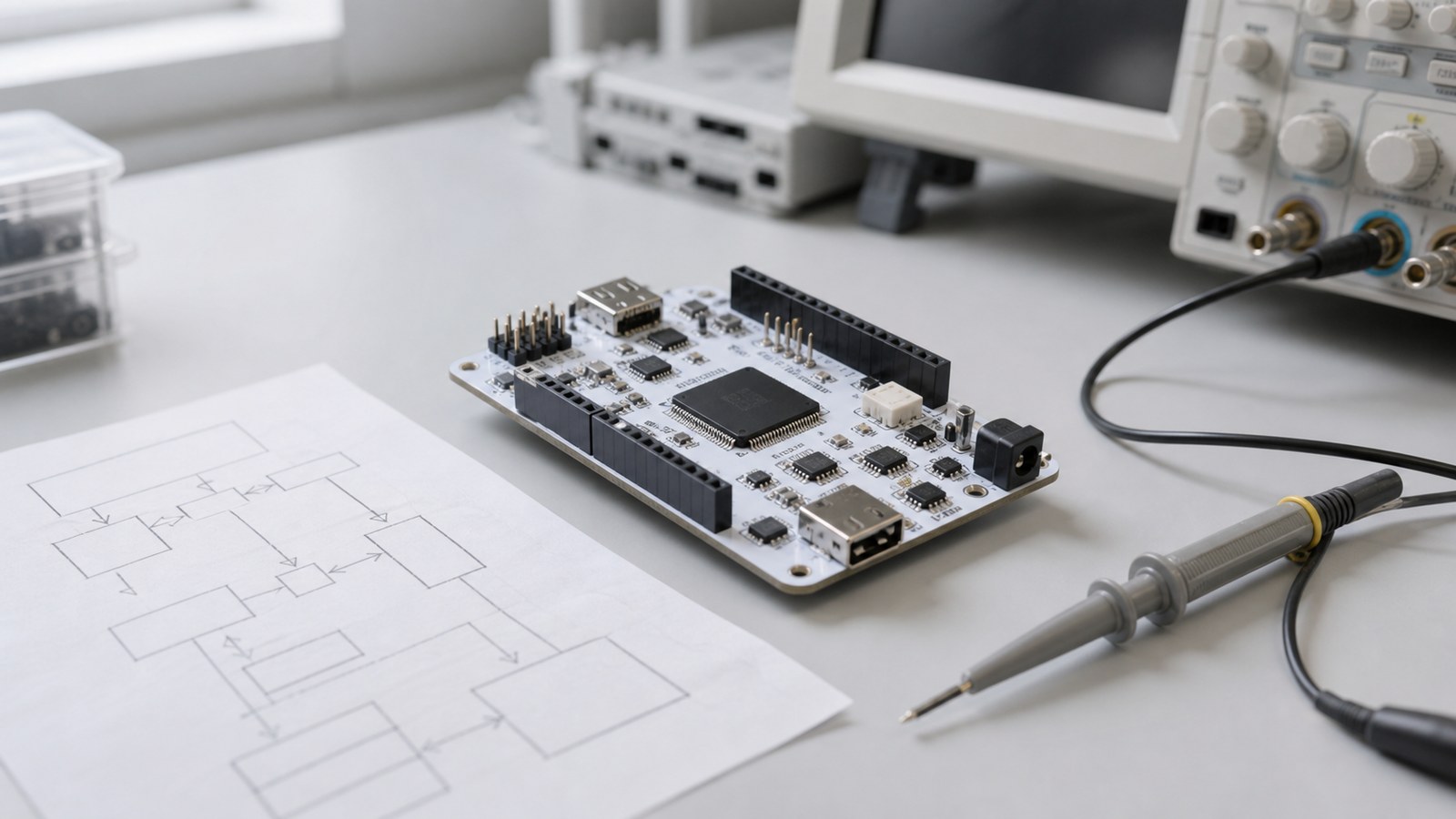
Arduino says version 0.56.0 of its Core on Zephyr is now available, a step that matters less because of a single headline feature and more because it keeps moving Arduino-style development toward a more formal embedded operating-system workflow.
The Arduino announcement describes the release as a sizable update on the path toward stability. The public page was blocked to TVG’s cron environment by Cloudflare during this run, but the search result and Arduino’s own blog listing identify the update as Core-Zephyr 0.56.0, published June 30, 2026, with optimized performance and expanded hardware capabilities. Zephyr’s own documentation describes the project as a scalable real-time operating system for connected, resource-constrained embedded devices.
For TVG readers, the useful signal is not “Arduino becomes enterprise.” It is that the boundary between quick prototyping and production-minded firmware keeps getting thinner.
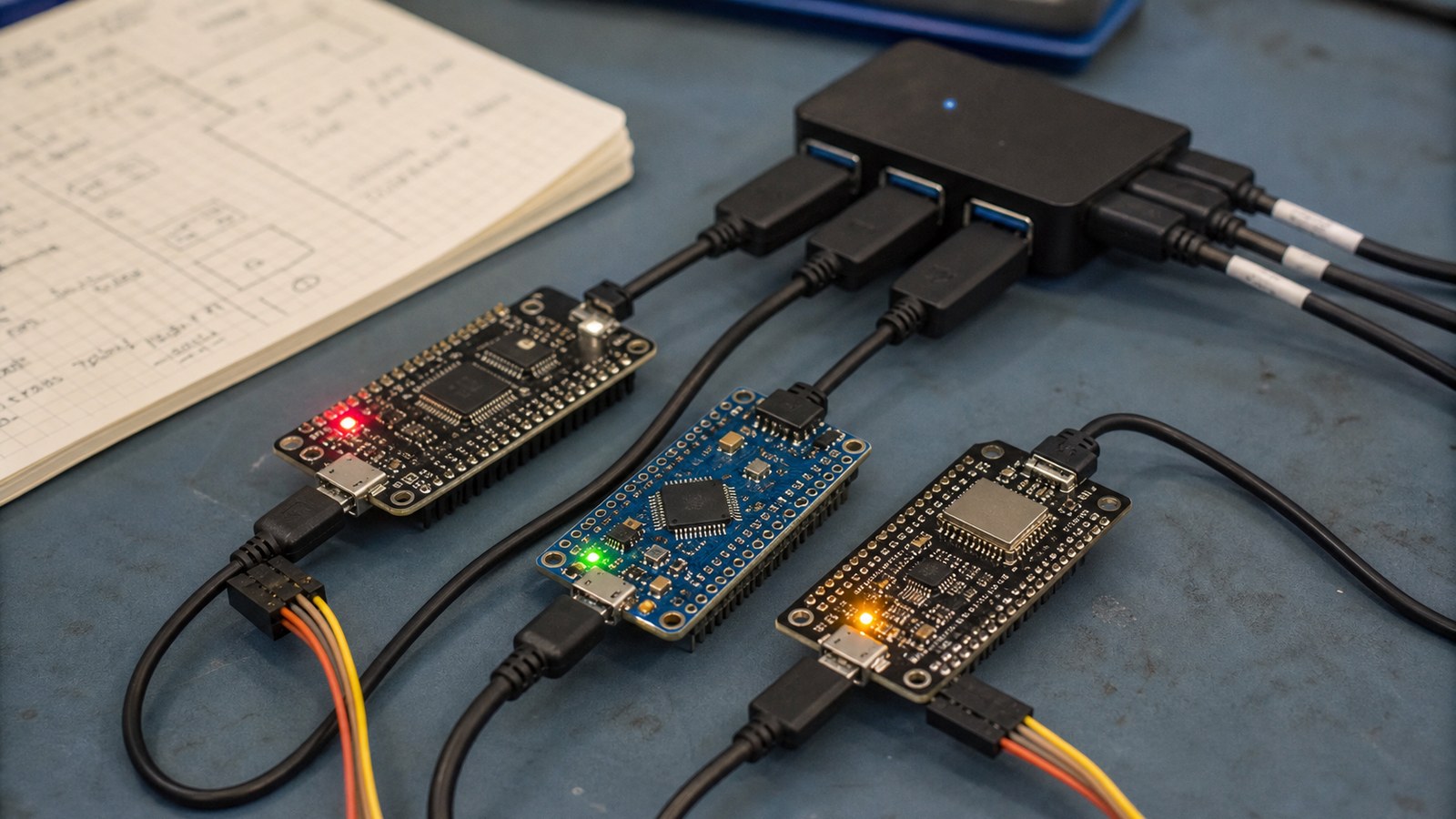
Why it matters
Traditional Arduino projects often start with a simple loop, a board package, and enough libraries to make the demo work. That remains valuable, especially in classrooms and maker labs. But robotics, machine-control, sensing, and edge-AI projects eventually run into timing, driver, portability, and power-state questions that are easier to handle when the software stack has an operating-system layer beneath it.
Zephyr is designed around that kind of embedded work: boards, device trees, drivers, scheduling, connectivity, and a build system that can scale beyond a single hand-wired prototype. Arduino’s Core on Zephyr effort is interesting because it can expose more builders to those concepts without asking every team to abandon the Arduino ecosystem on day one.
What changes for builders
The practical benefit is not that every student robot or lab sensor now needs an RTOS. Many do not. The better question is whether the project is starting to need repeatable board support, concurrency, more disciplined driver behavior, or a cleaner path from one microcontroller target to another.
That is where a Zephyr-backed Arduino core can help. A team can still reason in familiar Arduino terms while learning the shape of embedded systems engineering: hardware abstraction, board definitions, driver layers, and configuration management. Those habits matter when a one-off project becomes a fleet of sensors, a robotics subsystem, or a classroom kit that must survive repeated builds.
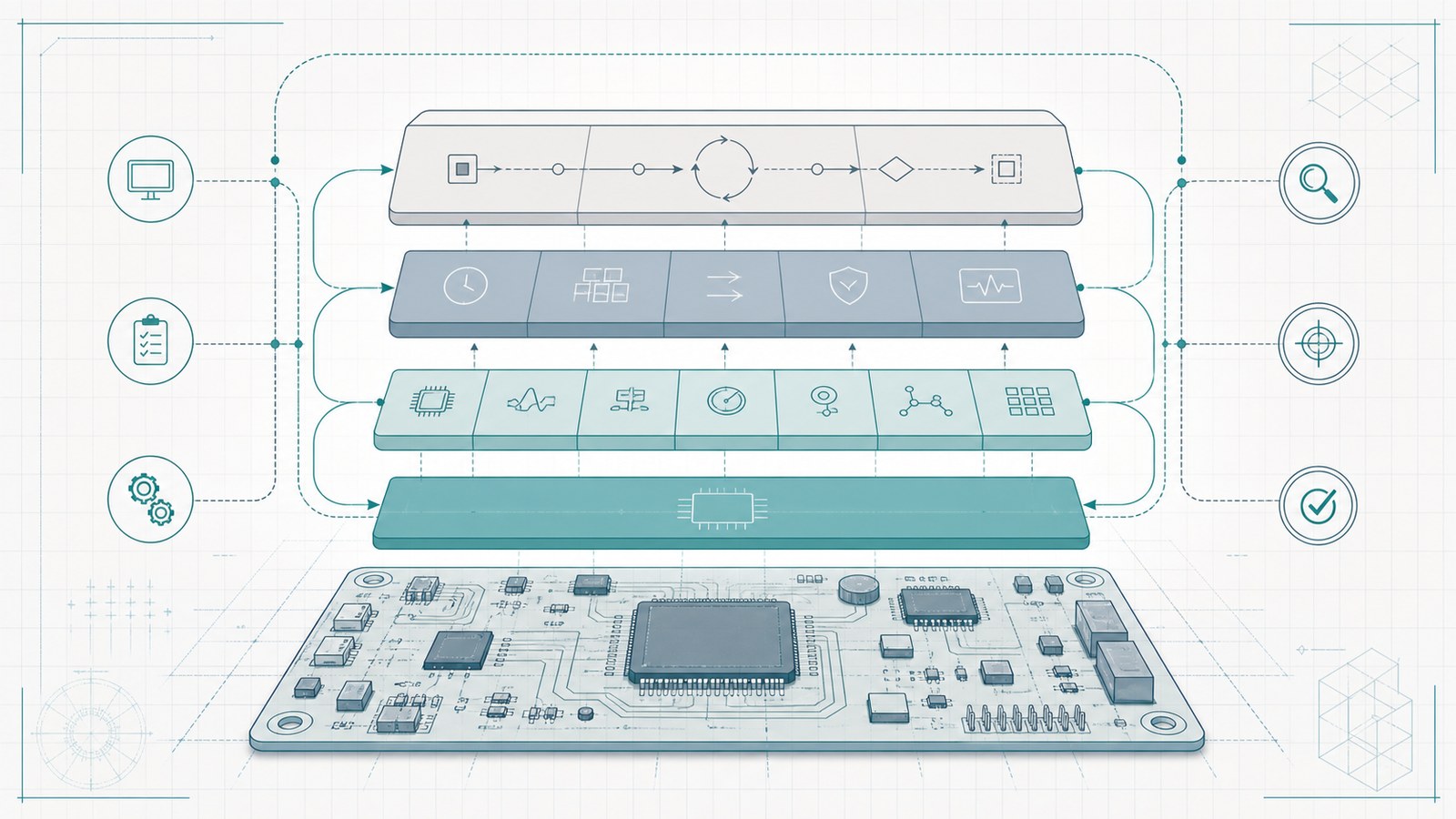
TVG Analysis
The risk is that “RTOS support” becomes a checkbox instead of a workflow. A serious maker lab should treat the update as an invitation to test: flash multiple boards, document which libraries work, measure boot behavior, check serial logging, verify sensor timing, and record failure modes before using the stack in a competition or field project.
TVG will watch for stable board coverage, library compatibility notes, and classroom-friendly examples. The most useful outcome would be a path where beginners can start simple, then grow into real embedded engineering without rewriting the whole project when timing and reliability become important.
How TVG would test the update
A practical lab test would be modest: choose two supported boards, one sensor, one communication path, and one timing-sensitive task. Build the same sketch, document compile warnings, check serial output, and confirm whether the behavior survives resets and cable swaps. That kind of small repeatable matrix tells a team more than a feature list.
For schools, the teaching opportunity is also clear. Students can compare a simple Arduino loop with a more structured embedded stack, then discuss what an RTOS adds and what complexity it introduces.