A slicer can accept a 300 mm/s travel or print-speed field while quietly commanding much less plastic-bearing motion. The missing constraint is maximum volumetric speed: the amount of molten polymer the hotend can deliver each second. Once requested flow exceeds that limit, the slicer must slow the extrusion move or the print will under-extrude.
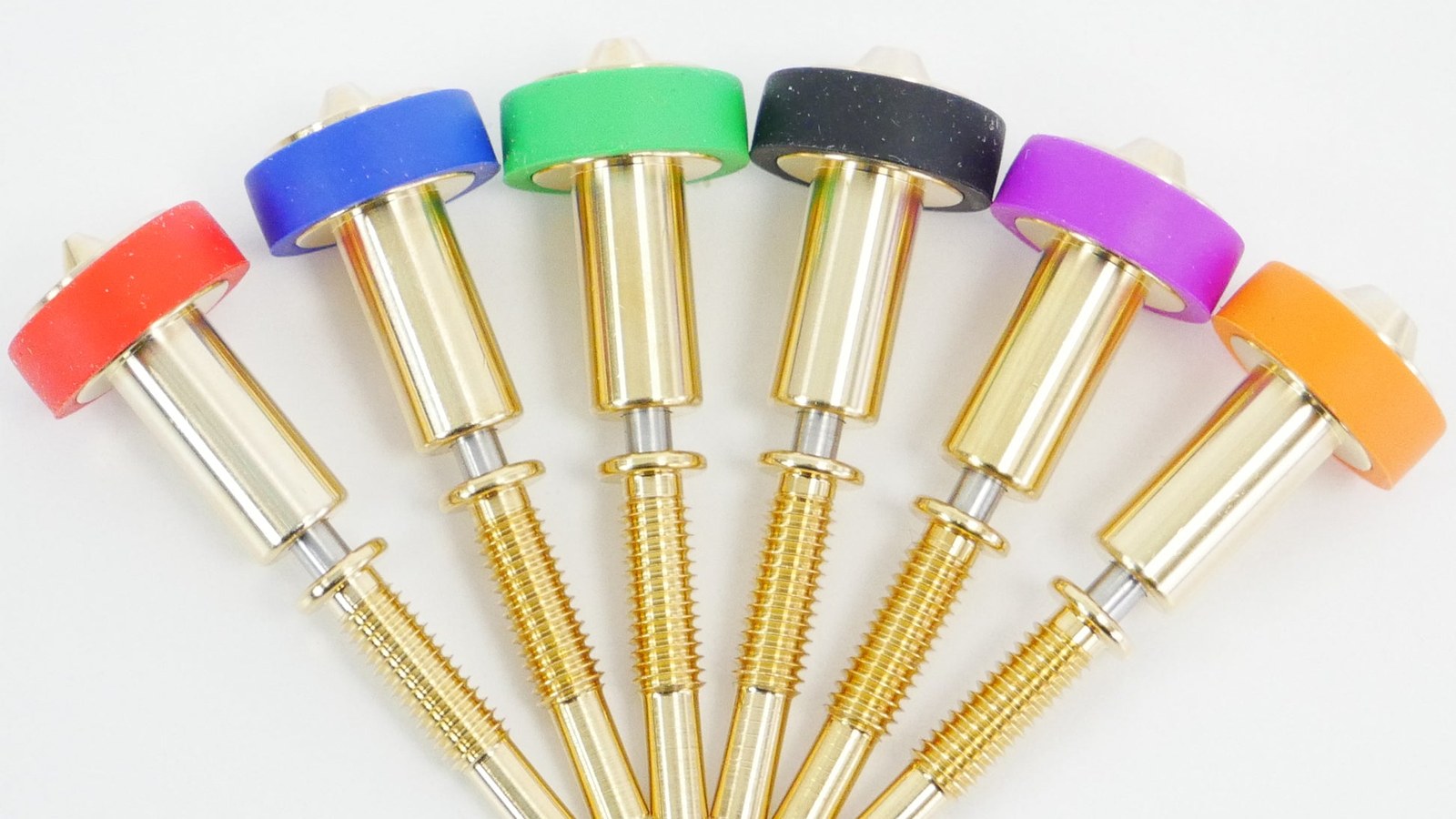
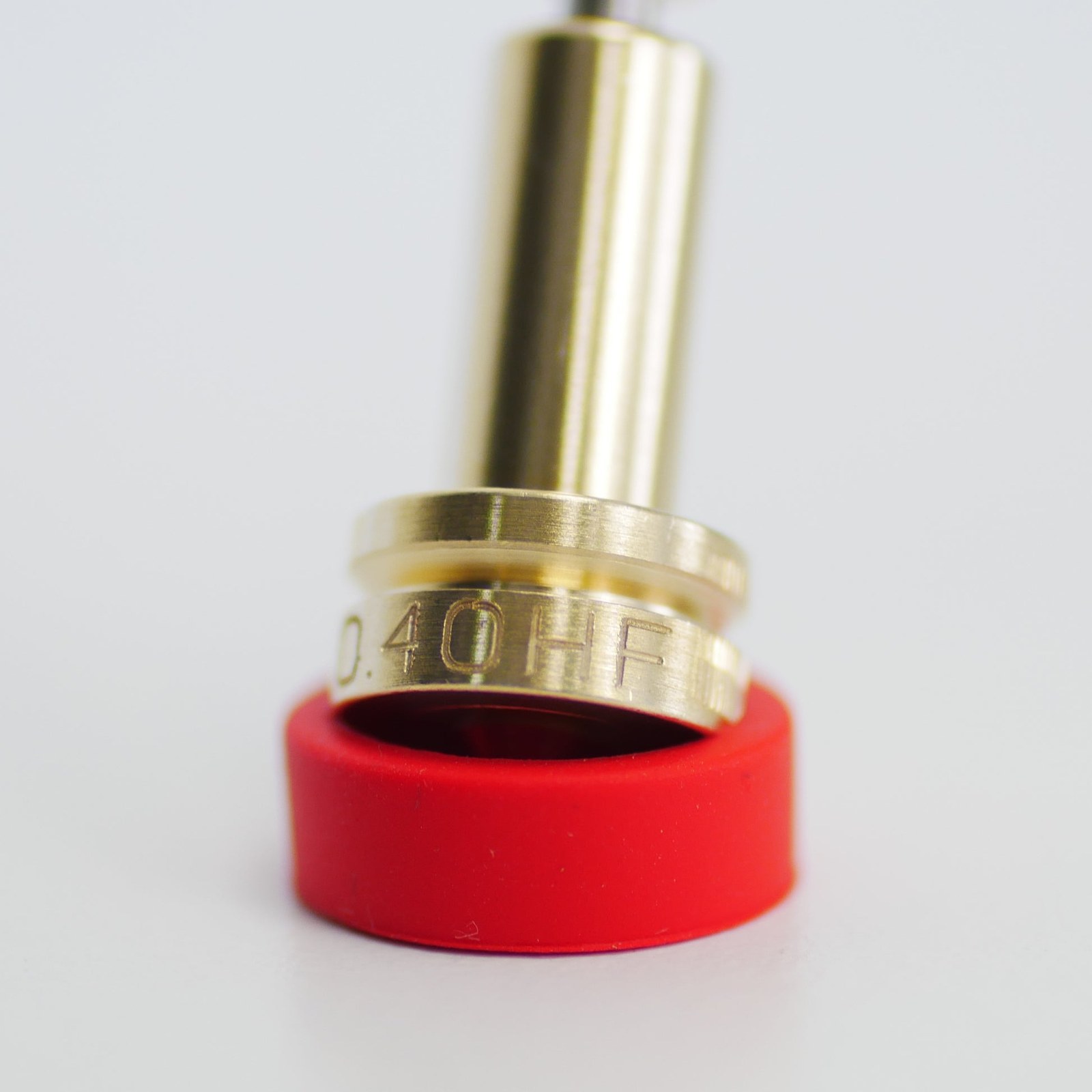
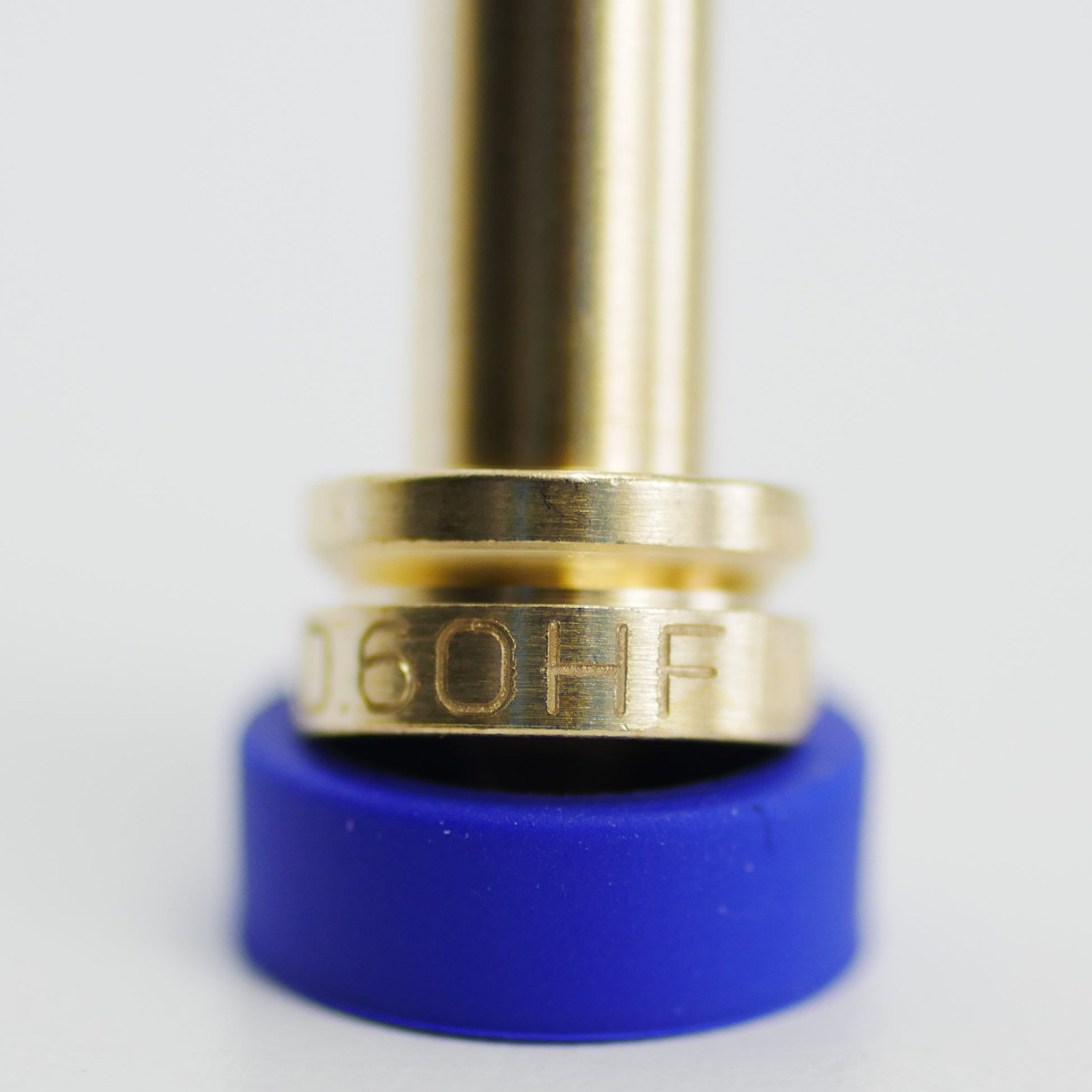
Featured image: E3D.
Volumetric flow has units of mm³/s. For a straight extrusion move, flow equals toolpath speed multiplied by the deposited bead’s cross-sectional area. That makes the speed ceiling:
maximum speed = maximum volumetric flow ÷ extrusion cross-section
Use the deposited bead, not the nozzle label
A quick estimate multiplies extrusion width by layer height. E3D warns that this rectangular approximation is less realistic than the “stadium” shape used by common slicers. For track width w and layer height h, the stadium model uses radius r = h/2, straight section a = w − h, and area:
A = πr² + 2ra
At 0.45 mm width and 0.20 mm layer height, the model gives about 0.0814 mm². A 15 mm³/s hotend limit therefore caps that move near 184 mm/s. The simpler width-times-height approximation gives 0.09 mm² and about 167 mm/s. Both are useful estimates, but they are not interchangeable when comparing profiles.
PrusaSlicer applies the most restrictive limit
Prusa’s documentation says each extrusion move is checked against feature speed, maximum volumetric speed, overhang and cooling limits, and layer-time slowdown. The lowest permitted speed wins. Maximum volumetric speed can be set in both Print Settings → Speed and Filament Settings → Advanced; PrusaSlicer uses the lower non-zero value.
A zero value does not mean zero flow. In this setting it disables that particular limit. If the print profile is set to 0 but the filament profile says 12 mm³/s, 12 remains active. If both are 0, there is no MVS cap.
The material is part of the limit
E3D notes that maximum flow depends on filament and temperature because melt viscosity changes. A hotend number measured with PLA at one temperature is not proof that PETG, ASA or a filled polymer will hold the same rate. Bambu Lab likewise describes high-flow failure as under-extrusion, weaker layer bonding and changes in surface gloss.
That makes MVS a material-profile value as much as a hardware value. If throughput falls gradually rather than at one repeatable rate, also rule out nozzle wear against a measured baseline. Use the manufacturer’s figure as a starting boundary, keep nozzle size, layer height, extrusion width, polymer and temperature attached to the number, and lower the profile when the print shows sustained flow starvation. Raising motion acceleration cannot solve a melt-throughput limit.