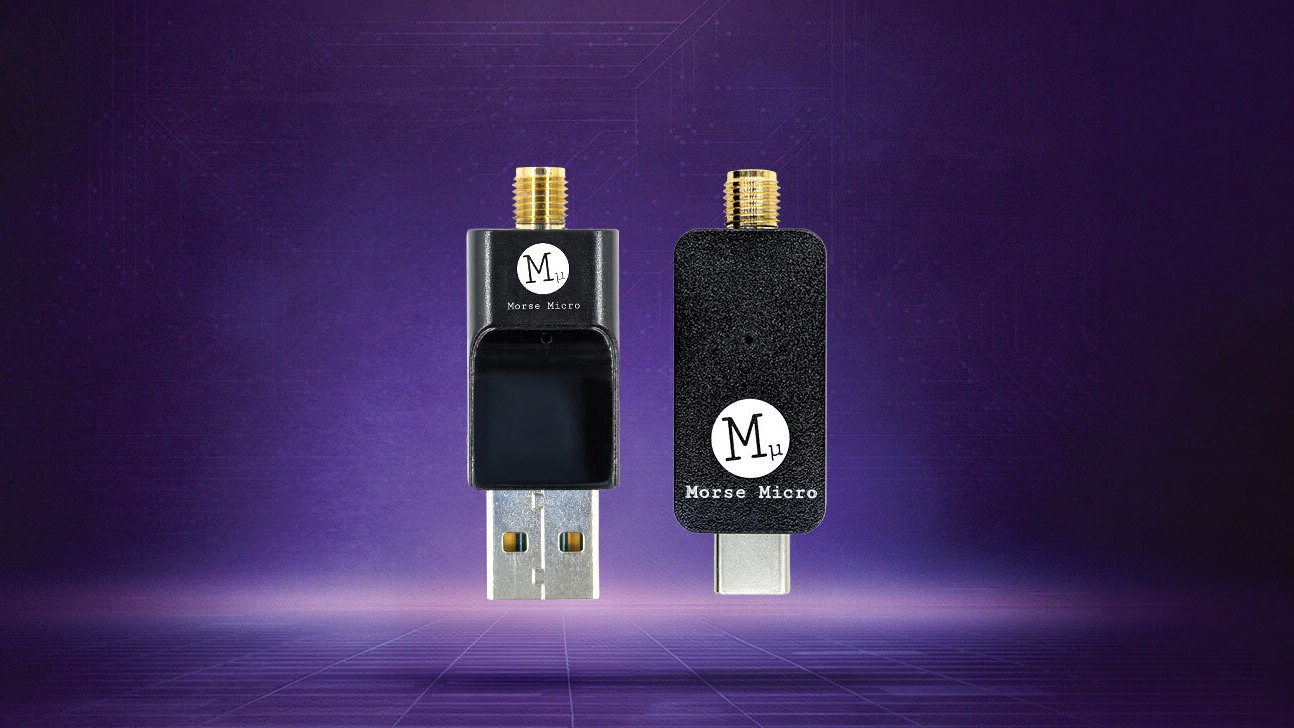
Morse Micro has released USB-A and USB-C adapters that put its MM8108 Wi-Fi HaLow radio on a standard USB 2.0 connection. The hardware gives a Windows laptop or PC a direct station interface to an existing HaLow network; it does not turn the computer into a self-contained long-range link without a compatible access point and antenna.
The company announced the adapters on September 9, 2026, describing them as a multi-platform route for computers, laptops and access points. Its current product page is more specific: it documents a downloadable Microsoft Windows driver, station configuration and connection to access points such as HaLowLink 1 or HaLowLink 2. That narrower product-page language is the useful starting point for deployment.
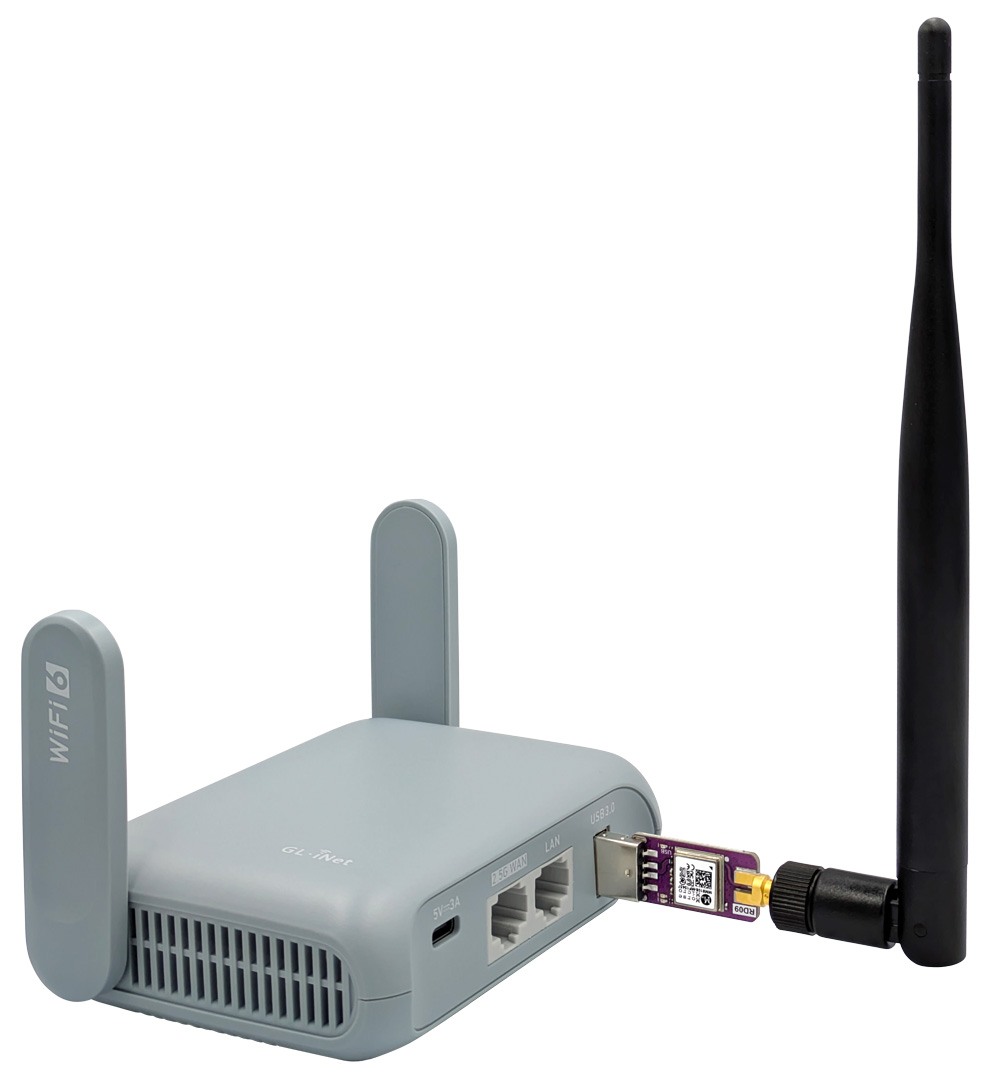
The USB stick is one side of the radio link
Both physical variants use the MM8108 chipset and expose the host connection through USB 2.0. Morse Micro rates transmit power at up to 26 dBm and uses an external antenna on an SMA connector. The adapter is therefore not the same thing as an ordinary dual-band Wi-Fi dongle: it joins an IEEE 802.11ah HaLow network operating below 1 GHz, while a HaLow access point provides the other side.
The product page lists support for the United States, Canada, Australia, the United Kingdom, Europe and Japan. Regional qualification matters because license-exempt sub-GHz channel plans differ. A buyer should match the adapter variant, antenna and access point to the intended country rather than treating the SMA connector as permission to attach any sub-GHz antenna.
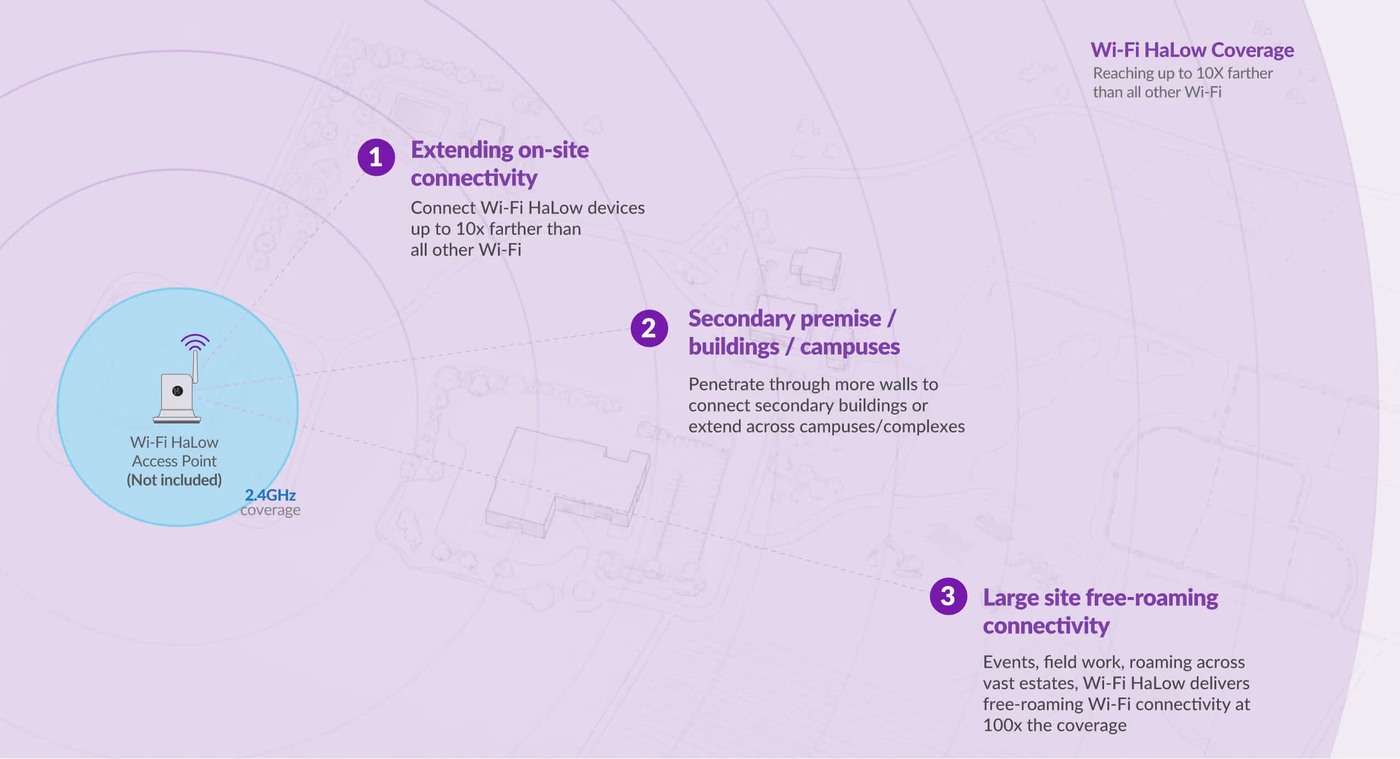
The reference design lowers integration work, not validation work
The adapters are based on the MM8108-RD09 reference design, which Morse Micro also used in the MM8108-EKH19 evaluation kit. That lineage gives device makers a known hardware starting point instead of requiring a fresh USB radio design. It does not remove the need to validate driver packaging, regulatory variant, antenna placement, link margin and the access-point firmware used in the finished system.
CNX Software’s independent launch report notes that Linux integration may involve Morse Micro’s driver and a kernel with S1G support, rather than the guided Windows path presented on the product page. Morse Micro’s press release speaks broadly about multiple platforms, but the public product page does not yet provide an equally explicit macOS or Linux installation promise. That is a compatibility question to settle before standardizing on the adapter.
TVG Analysis
The practical change is not that HaLow suddenly works everywhere. It is that a laptop can join a deployed HaLow network without an internal radio card or a custom host board. For field commissioning, that could make packet capture, device setup and coverage checks easier—provided the operator brings the correct regional adapter, external antenna, driver and HaLow access point.
What remains unclear is how the Windows, Linux and macOS support paths compare in release maturity, update cadence and installation friction. Those software details will determine whether this is mainly a developer adapter or a repeatable service tool.