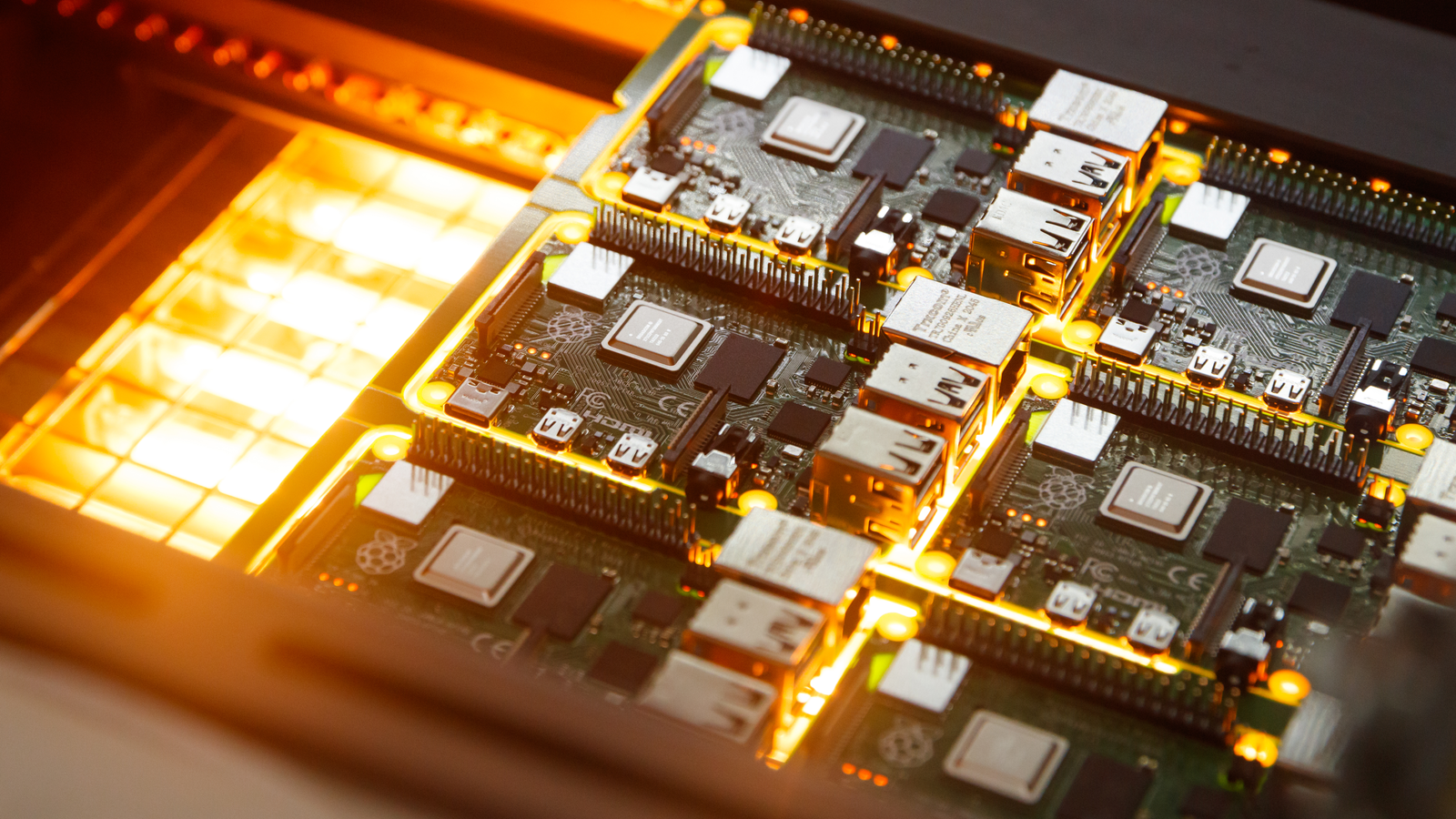
Raspberry Pi said on August 28 that it has worked with researchers at Columbia and Cornell to apply two academic carbon-accounting tools to the silicon used in products it actually ships. The effort is meant to replace a broad industry-average estimate with a model that better reflects a chip’s process, package, memory, and manufacturing path.
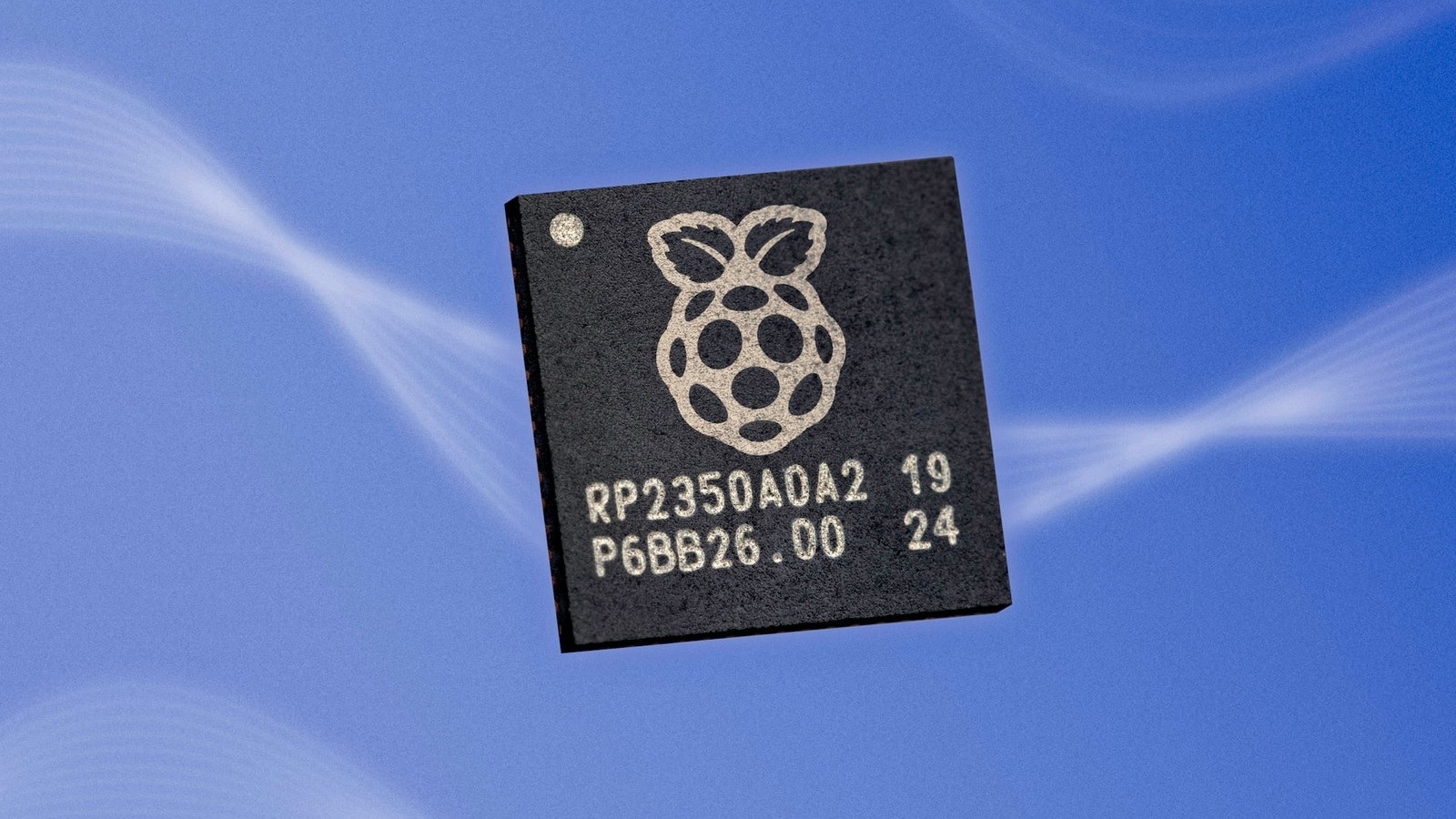
The company identified the tools as MicroGreen and ACT. Raspberry Pi’s account says the researchers matched the model to its silicon rather than treating every integrated circuit as an interchangeable line item in a life-cycle assessment. That matters because the embodied emissions attached to a chip can vary with die size, process node, yield, packaging, and fabrication energy.
What Raspberry Pi changed
Raspberry Pi has previously described a product-level method based on component weights, supplier information, and the ecoinvent life-cycle database. That approach is useful for building a complete bill of materials, but a generic database factor can flatten meaningful differences between two pieces of silicon.
The new work moves the estimate closer to the chip-design level. According to Raspberry Pi’s announcement, the collaboration worked through the specifics of the company’s silicon and connected those details to models developed by the research teams.
Why chip-specific estimates matter
For hardware teams, carbon accounting is often performed after architecture decisions are already fixed. A bill-of-materials spreadsheet may reveal that semiconductors carry a large share of embodied impact, yet it does not necessarily tell an engineer which design choice produced that result.
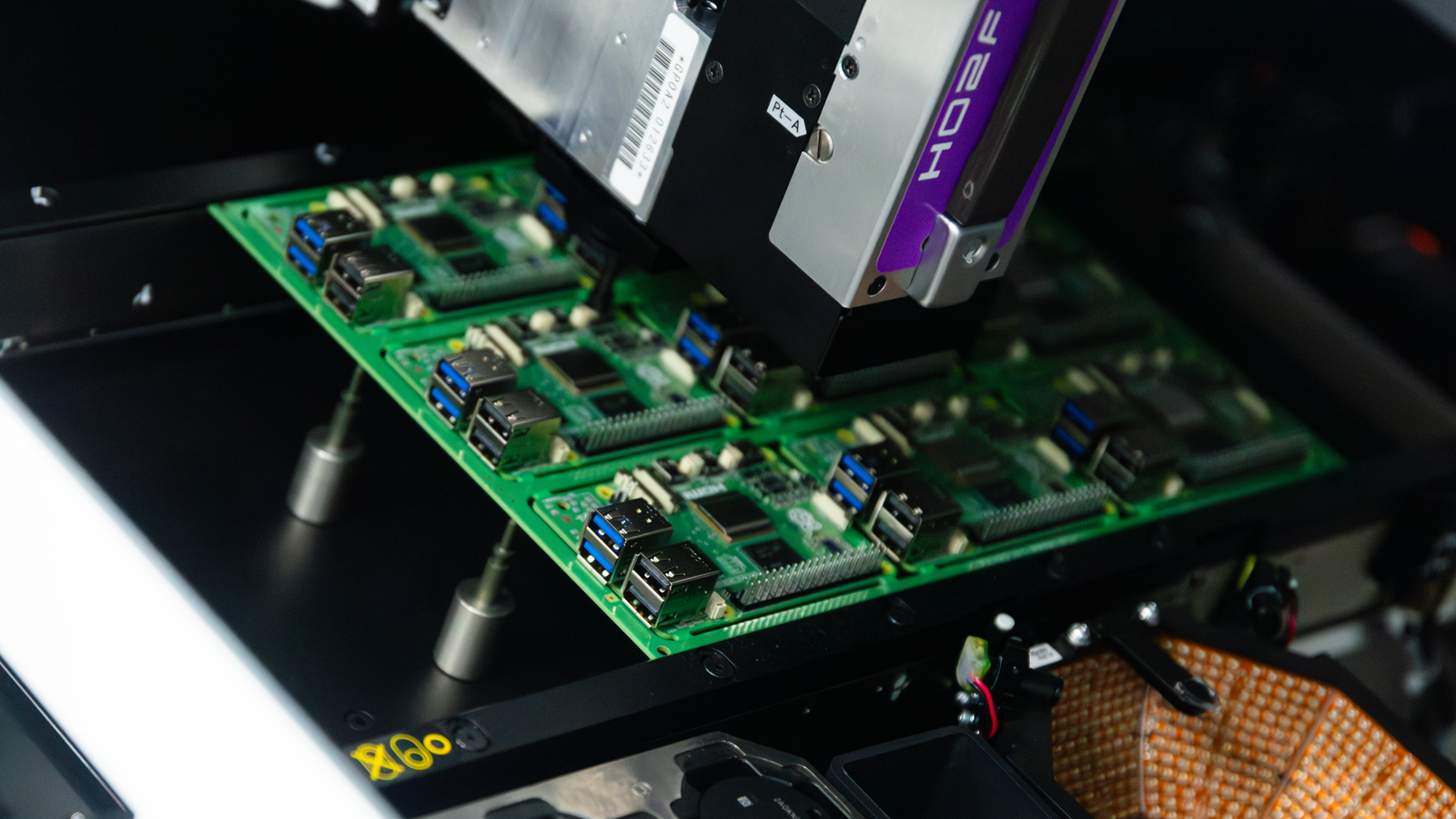
A model tied to process and package parameters could make the estimate more actionable. It can expose whether a larger die, additional memory, a different package, or a lower-yield manufacturing step is driving the total. That does not automatically identify the best design; performance, reliability, availability, and product lifetime still matter. It does give engineers a more precise question to ask.
Raspberry Pi’s broader sustainability material places embodied carbon alongside product use, manufacturing, and supply-chain work. The new modeling effort appears to strengthen one part of that accounting rather than replace the full product assessment.
What the announcement does not establish
The post does not publish a complete per-chip dataset, a comparison across Raspberry Pi products, or a verified reduction tied to a specific redesign. It is therefore better read as a measurement-method update than as proof that a particular board has become lower carbon.
There are also boundaries to watch. A model can be more detailed and still depend on assumptions about fab electricity, equipment utilization, process yield, allocation, and supplier data. Results are most useful when the boundary, data year, uncertainty, and version of the model are reported beside the headline number.
TVG Analysis
The engineering value is not the existence of another sustainability score. It is the possibility of bringing environmental data into the same trade study as compute, memory, thermals, cost, and service life. A coarse estimate can inform reporting; a parameterized estimate has a better chance of influencing design.
That distinction should interest maker-hardware and education teams too. Open hardware projects routinely compare processors by speed, I/O, software support, and price. Carbon data will become credible in those comparisons only when methods are transparent enough to reproduce and specific enough to explain why two designs differ.
Raspberry Pi has not yet said whether the resulting model inputs or product-level outputs will be published in a reusable form. The next evidence to watch is a worked product example with boundaries, uncertainty, and a clear account of how the estimate affected an engineering decision.
Related TVG coverage
For another current look at hardware architecture choices, see TVG’s Arduino Ventuno Q analysis.