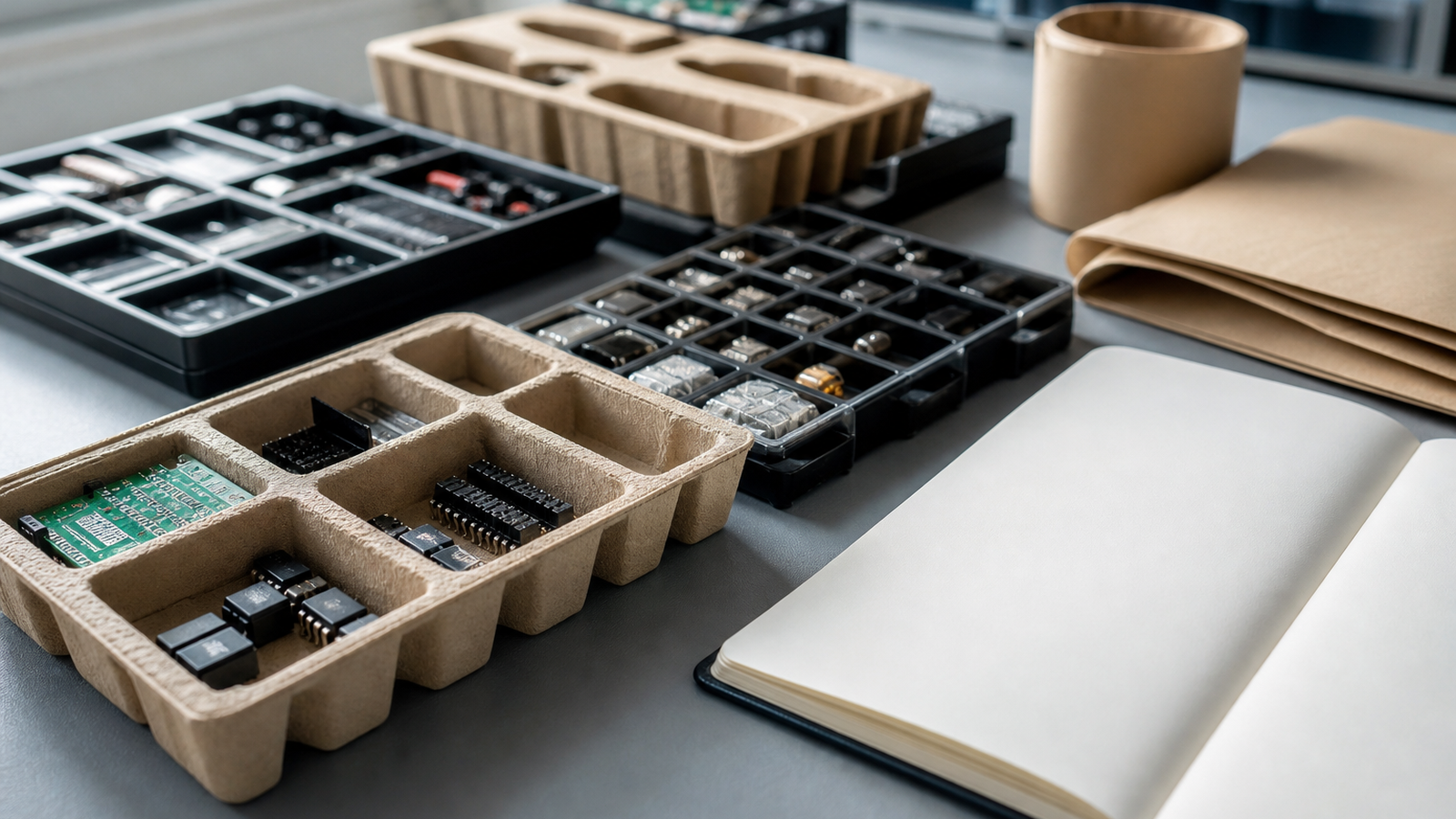
Raspberry Pi used a new company post to explain how it thinks about product carbon footprints, including the difficult parts that sit inside components, manufacturing, packaging, logistics, power use, and product lifetime. The post is not a new board launch, but it is a useful hardware story for anyone building maker, education, or small-lab systems around low-cost computers.
The company says the hard part is measuring what is inside the product, not only what happens in its own offices. That distinction matters because a board used in a classroom, robot, kiosk, or home-lab appliance carries supply-chain decisions long before it is powered on.
Why it matters
Maker hardware is often judged by price, availability, software support, GPIO access, and performance per watt. Raspberry Pi’s post adds another engineering variable: how much of a product’s impact is embedded in the board, enclosure, power supply, packaging, and expected lifetime.
For TVG readers, the practical point is not to turn every classroom bill of materials into a corporate sustainability report. It is to notice that hardware choices become system choices. A board that lasts through multiple projects, accepts standard power, avoids exotic accessories, and remains repairable or reusable can beat a cheaper setup that becomes e-waste after one semester.
What Raspberry Pi is emphasizing
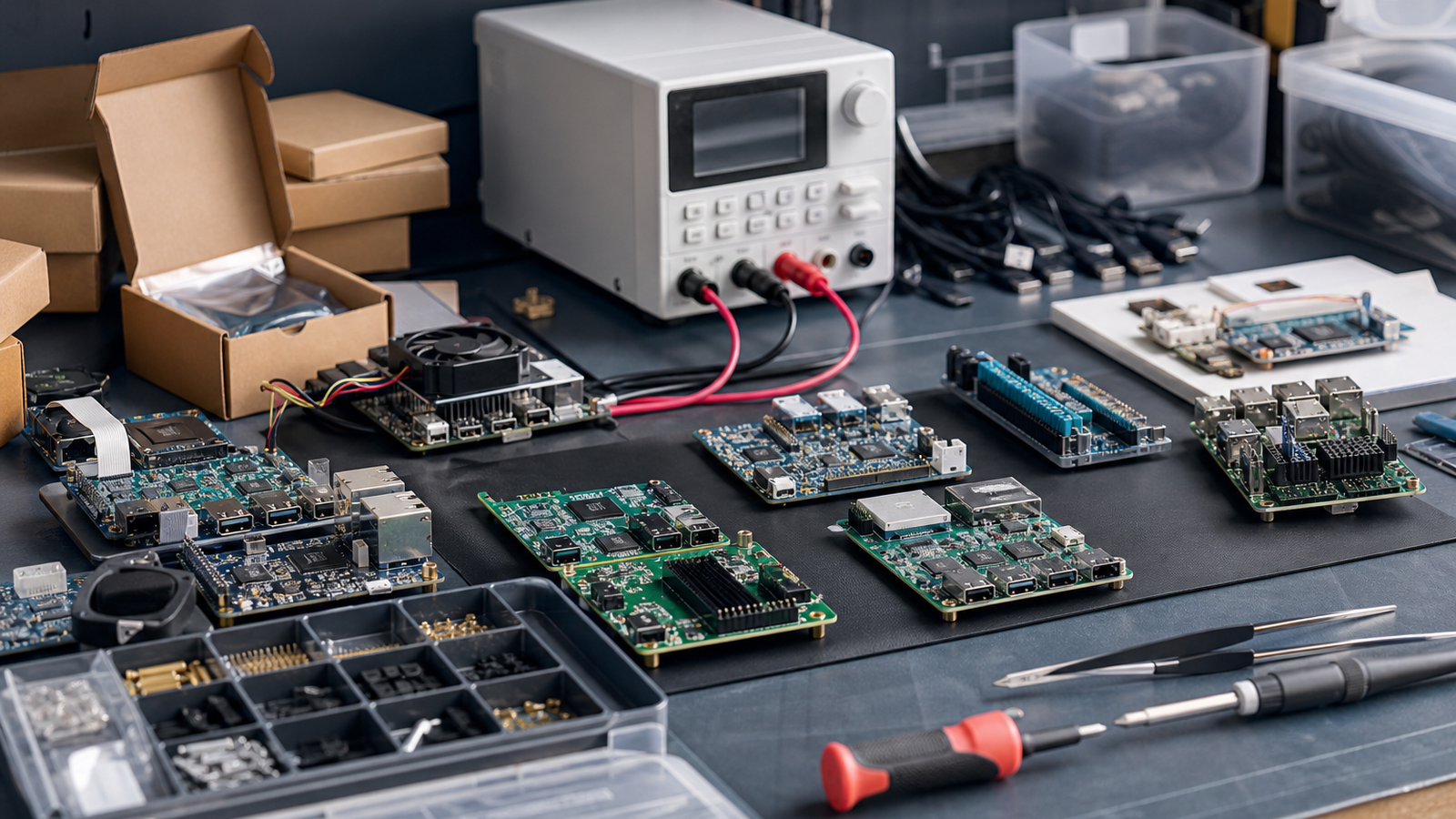
Raspberry Pi’s sustainability page and product information point to a hardware business built around compact computers, long-running education use, and relatively low power operation. The carbon-footprint discussion widens that lens. It asks where material choices, manufacturing data, logistics, idle power, and replacement cycles fit into the product story.
That is especially relevant for Raspberry Pi 5-class projects. A faster board may reduce waiting time in local development, AI experiments, media processing, or robotics control, but it also changes cooling, power-supply, and enclosure requirements. A credible footprint discussion has to include the whole operating setup, not only the board SKU.
TVG Analysis
The useful shift is treating sustainability as a design-review input instead of a marketing badge. A school robotics team can ask whether a controller will survive multiple seasons. A maker lab can standardize power supplies and cases so parts are reused. A local-AI appliance project can measure idle power and shutdown behavior before leaving a device running all year.
None of that requires pretending a hobby lab has the same data access as a manufacturer. It does require more discipline than buying the newest board whenever a project slows down.
What remains unknown
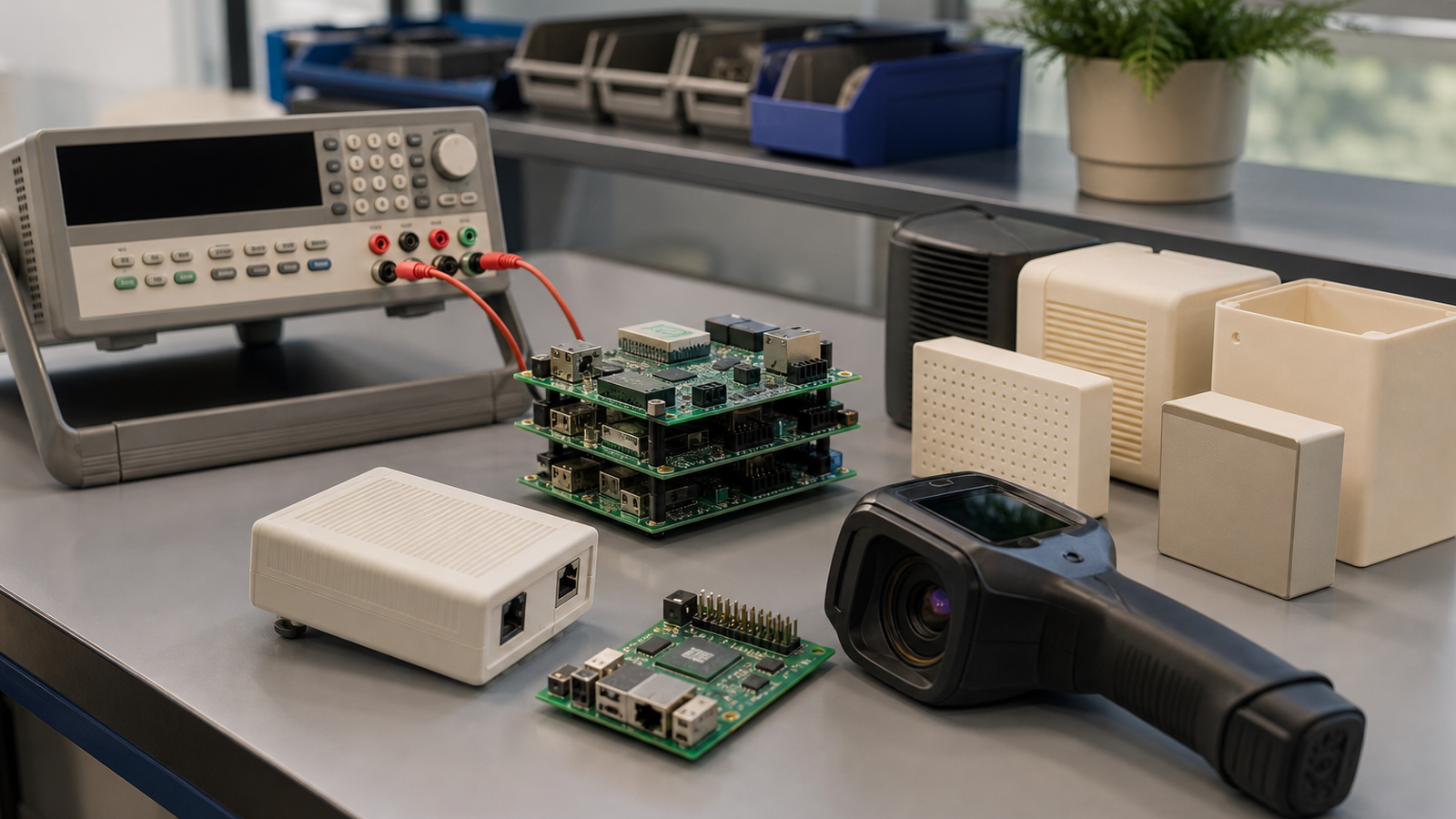
The open question is how much product-level data will become visible to smaller buyers over time. If more hardware companies publish comparable methods, maker labs could start evaluating controller choices by support window, accessory reuse, idle power, enclosure durability, and documentation quality alongside raw performance.
TVG will keep watching whether those measurements become practical purchasing signals for classrooms, repair benches, and small engineering teams.
How labs can use the signal
A practical classroom version of this work can be simple. Track how long boards stay in service, which accessories are reused, which power supplies are standardized, and which projects can be rebuilt instead of discarded. That record helps a lab buy fewer one-off parts and makes future grant requests more specific.
The same thinking applies to local-AI and vision projects. A Raspberry Pi kit that supports several semesters of camera, sensor, and edge-inference experiments has a different footprint story than a one-purpose gadget that is retired when the software image gets messy.