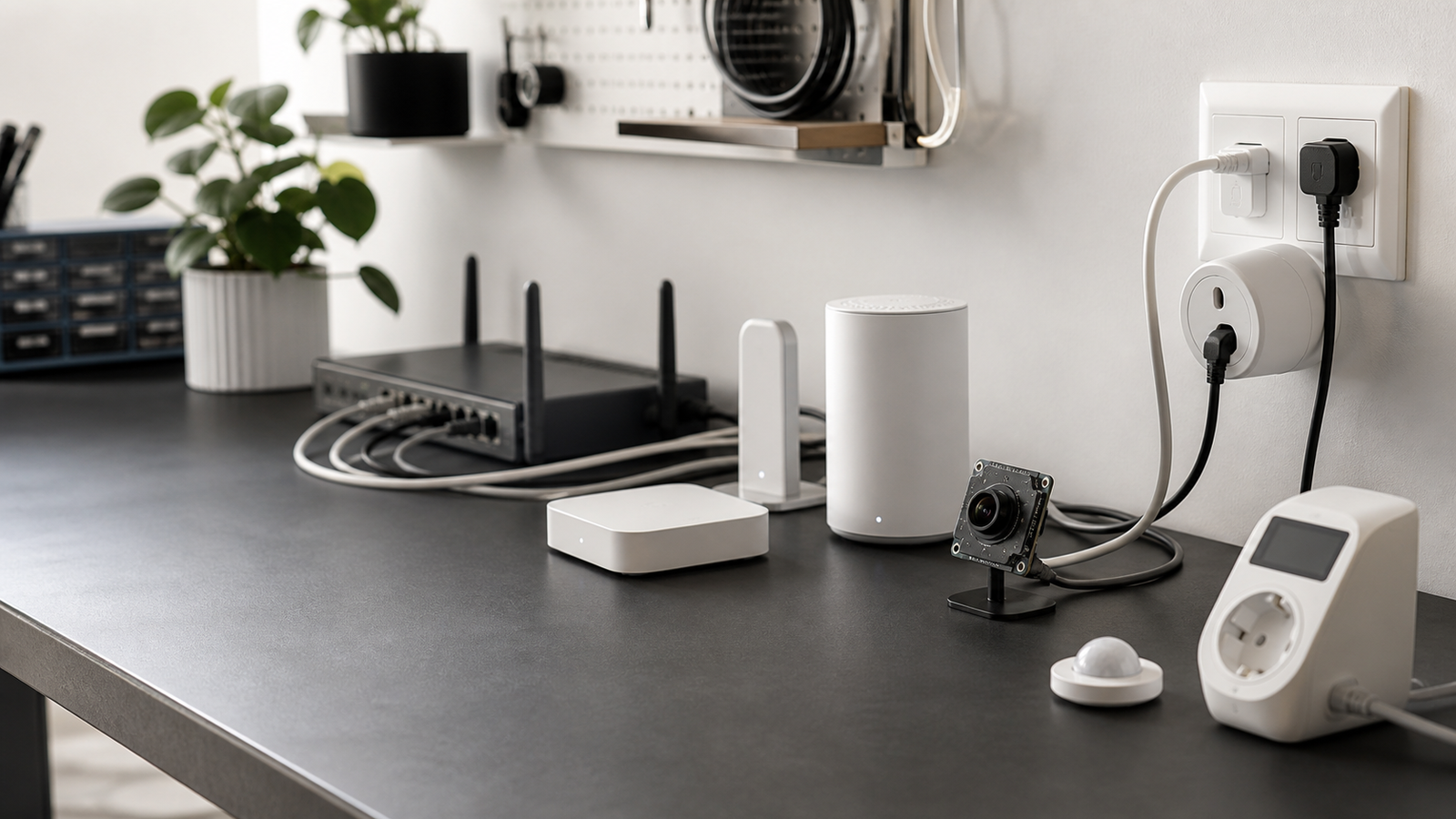
Matter 1.5 is a useful reminder that smart-home compatibility is not finished when a logo appears on a box. The Connectivity Standards Alliance says the release expands Matter with cameras, closures, soil sensors, and new energy-management capabilities, following earlier quality-focused updates in the 1.4 series.
For homeowners, makers, and home-lab builders, the engineering question is simple: can these device classes behave predictably across the hubs, phones, routers, Thread border routers, and automation rules already in the house?
This guide treats Matter 1.5 as a test-plan problem. It extends TVG’s home-lab reliability coverage, including Wi-Fi 7 MLO placement for robots and cameras and Wi-Fi 7 versus early Wi-Fi 8 reliability. The goal is not to predict every vendor implementation. It is to define the checks that prevent a smart-home lab from confusing certification support with real workflow reliability.
Quick answer
Test Matter 1.5 devices by separating five checks: commissioning, local control, network path, permission model, and recovery after power, hub, or internet failure. Cameras and energy devices add more stress than simple lights because they involve bandwidth, privacy, event timing, history, and cross-ecosystem behavior.
What Matter 1.5 changes
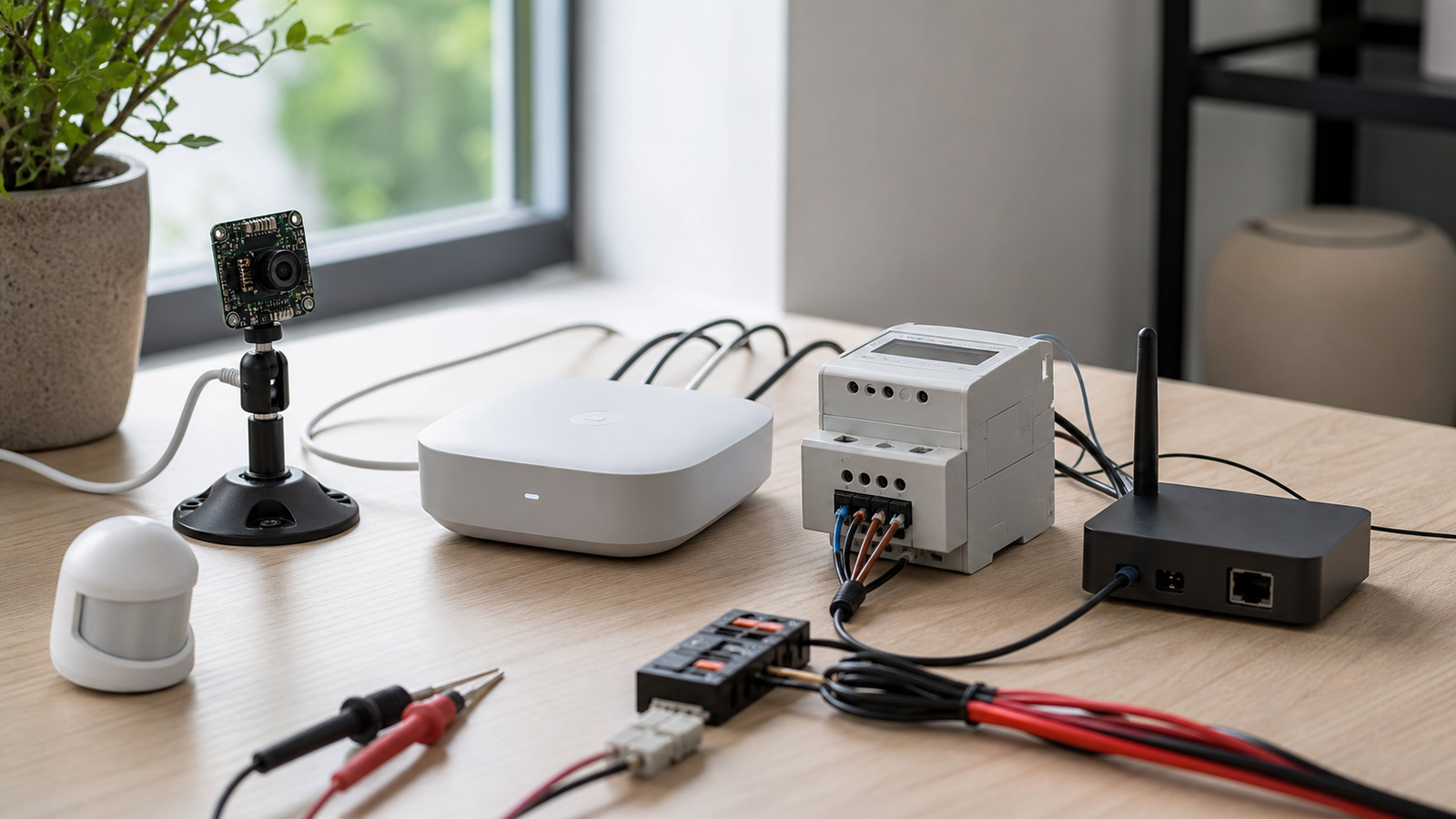
The CSA announcement says Matter 1.5 adds support for cameras, closures, soil sensors, and enhanced energy management. Cameras are the most obvious headline because video devices combine pairing, streaming, events, storage choices, privacy controls, and ecosystem permissions.
Closures matter for shades, blinds, gates, and similar moving devices. Soil sensors bring outdoor and gardening use cases closer to the standard. Energy features matter for households trying to coordinate appliances, battery systems, EV charging, solar, and utility-aware automation.
Matter’s core promise remains interoperability. But every new device class adds edge cases. A light bulb can be judged by on, off, brightness, color, and response time. A camera has to handle stream availability, motion events, access rights, network load, firmware behavior, and sometimes cloud dependency.
The home-lab test plan
Start with commissioning. Pair the device with the ecosystem or controller you actually use, then record the steps, app version, firmware version, network type, and whether a factory reset was needed. If setup only works after several undocumented retries, that is part of the result.
Next, test local control. Turn off the internet connection while keeping the local network running. Basic commands should not depend on a remote cloud path when the device class and ecosystem are supposed to support local operation. For cameras, note whether live view, event notifications, and stored clips behave differently.
Then test network path. Wi-Fi devices should be checked at the edge of coverage and after router reboot. Thread devices should be tested with at least one known border router and with battery devices placed where mesh quality is realistic, not idealized on a bench.
Permission testing is especially important for cameras. Check who can view the stream, whether guest accounts behave differently, and what happens when a phone, household member, or hub is removed. A camera that pairs cleanly but leaves unclear access rules is not a finished smart-home component.
Energy devices need timing discipline
Energy-management features can be useful only if timing, measurement, and automation rules are understandable. A home lab should log how often readings update, whether values are power or energy, how a device behaves after outage, and whether automation rules trigger on stale data.
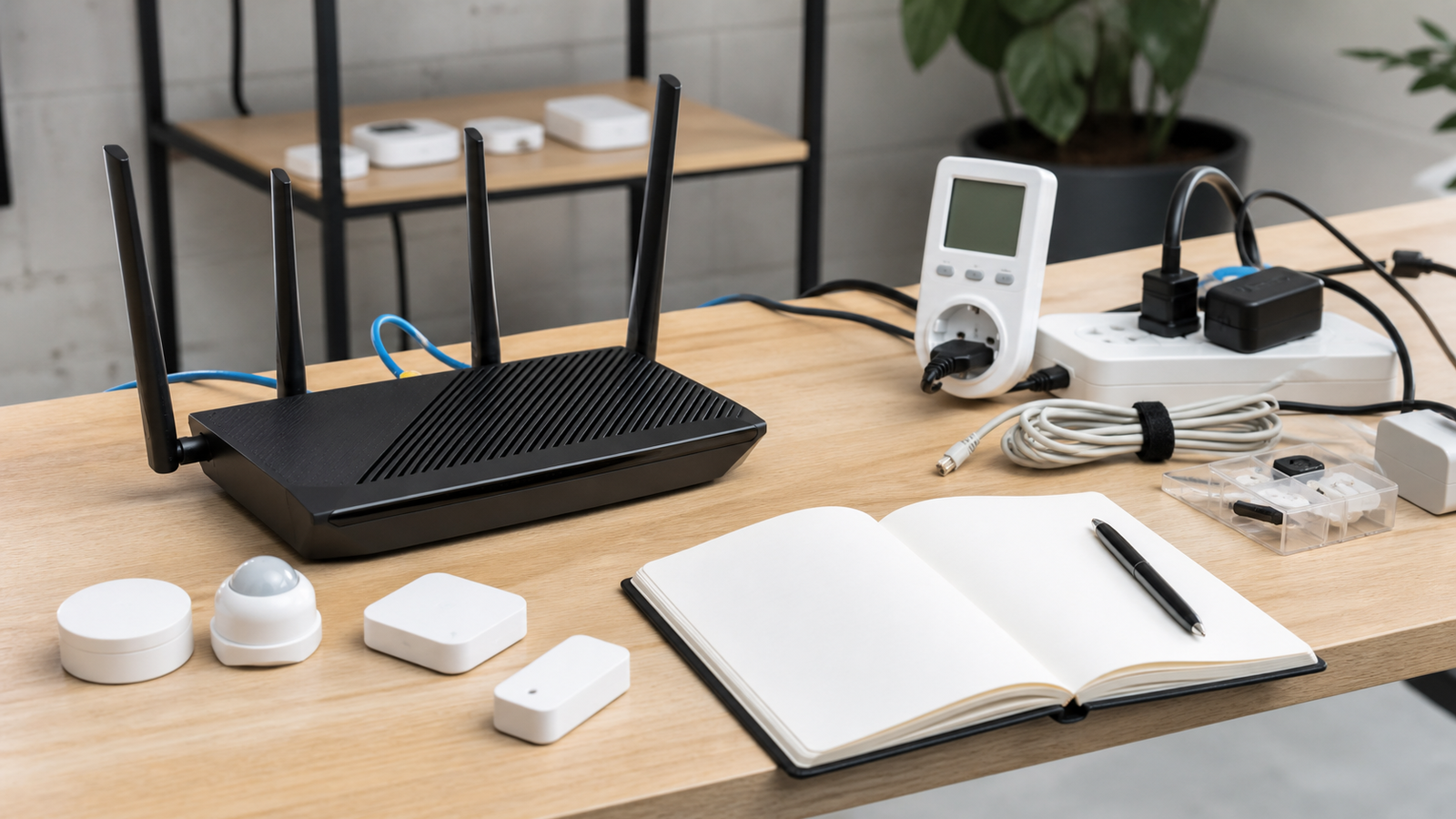
This is where makers can borrow habits from robotics testing. Record the environment. Keep a change log. Save firmware versions. Test one variable at a time. Do not declare the system reliable after one successful automation run.
What to watch before buying Matter 1.5 hardware
- Controller support: A device may support Matter before your preferred ecosystem exposes every feature.
- Transport: Check whether the device uses Wi-Fi, Ethernet, or Thread, and whether your network is ready.
- Firmware path: Verify how updates are delivered and whether release notes are public.
- Fallback behavior: Test power loss, hub reboot, router reboot, and internet outage.
- Privacy controls: Cameras need clear household access rules, not only a pairing QR code.
TVG Take
Matter 1.5 is a healthy expansion of the standard, but broader device coverage raises the bar for testing. Cameras and energy devices are not simple endpoints. They sit at the intersection of networking, privacy, timing, storage, and automation logic.
For a home lab, the best move is to treat the first Matter 1.5 devices as engineering samples in your own environment. Buy slowly, document behavior, and keep automations reversible until the device proves it can recover from the ordinary failures that happen in real homes.