MassRobotics says Analog Devices has renewed its role as a strategic sponsor, extending a relationship aimed at helping robotics startups work through the hardware problems that often block a prototype from becoming a deployable system.
The Boston robotics hub announced the renewal on August 4, describing Analog Devices and its Analog Garage group as a source of technical expertise, seed funding, and engineering resources for resident startups. MassRobotics says the relationship gives companies closer access to ADI sensing, signal-processing, communications, and power-management technologies.
That matters because many robotics failures do not begin with a dramatic software bug. They begin with noisy sensing, unstable power, thermal margins, timing errors, or a signal chain that works on a lab bench but becomes fragile when the robot moves into a warehouse, clinic, factory, or outdoor test field.
What MassRobotics announced
According to MassRobotics, ADI is returning as a cornerstone sponsor and will stay active across several robotics events this fall. The announcement lists the MassRobotics Robot Block Party, the MassRobotics Startup PitchFest at IROS 2026, and RoboBusiness as places where ADI will participate.
Joyce Sidopoulos, co-founder and chief of operations at MassRobotics, said in the announcement that developing hardware and advanced robotics is capital- and engineering-intensive. She framed ADI’s access and mentorship as an asset for startups trying to build commercial-ready physical systems.
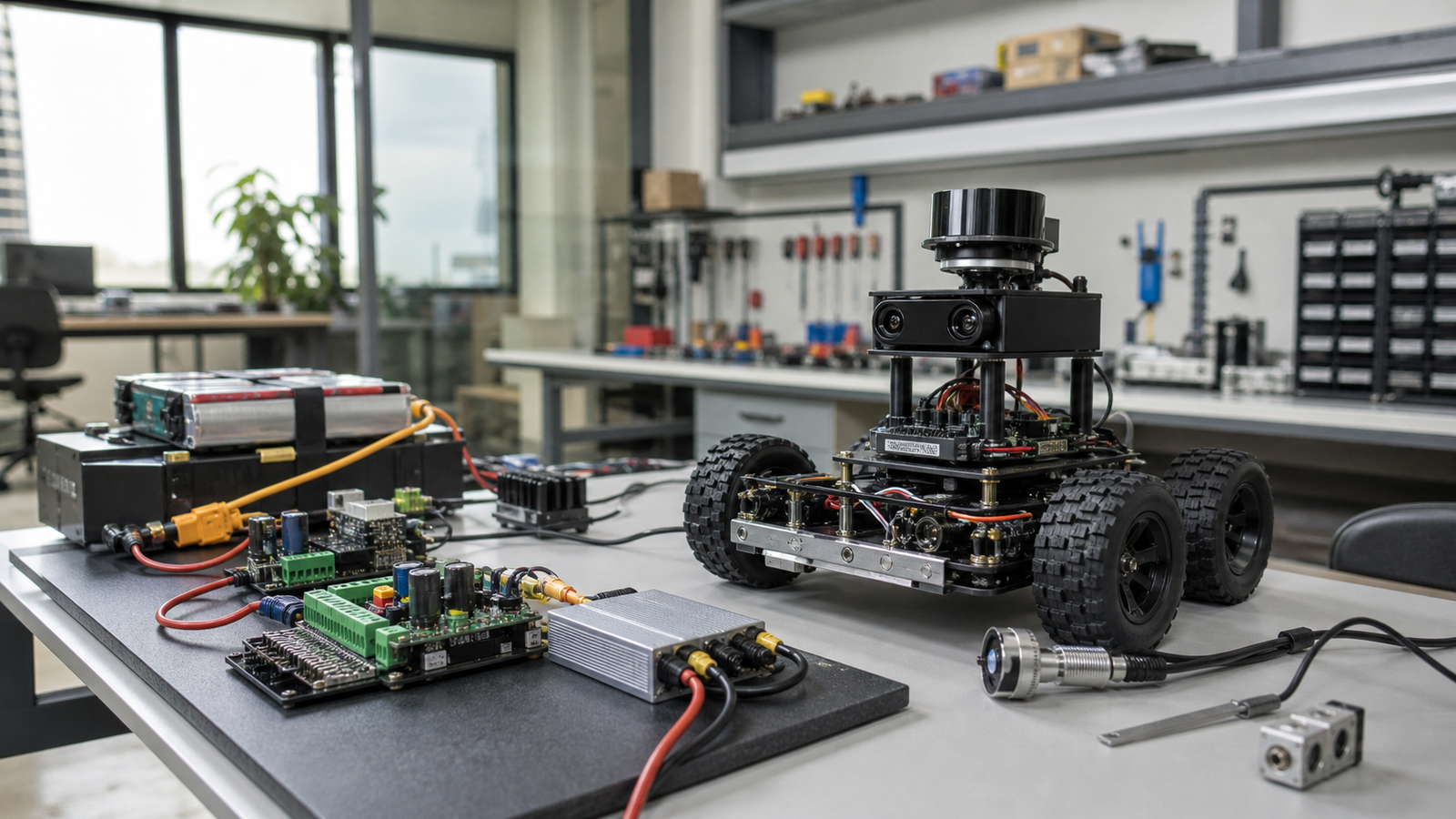
For TVG readers, the useful part is not the sponsorship label. It also connects with TVG’s recent coverage of robot evaluation moving closer to the training loop and autonomous trailer-loading deployments. It is the technical emphasis. Startups building robots need more than a cloud account and a model demo. They need parts of the stack that survive electrical noise, vibration, battery sag, motor current, and manufacturing variation.
Why sensor and power support is practical, not cosmetic
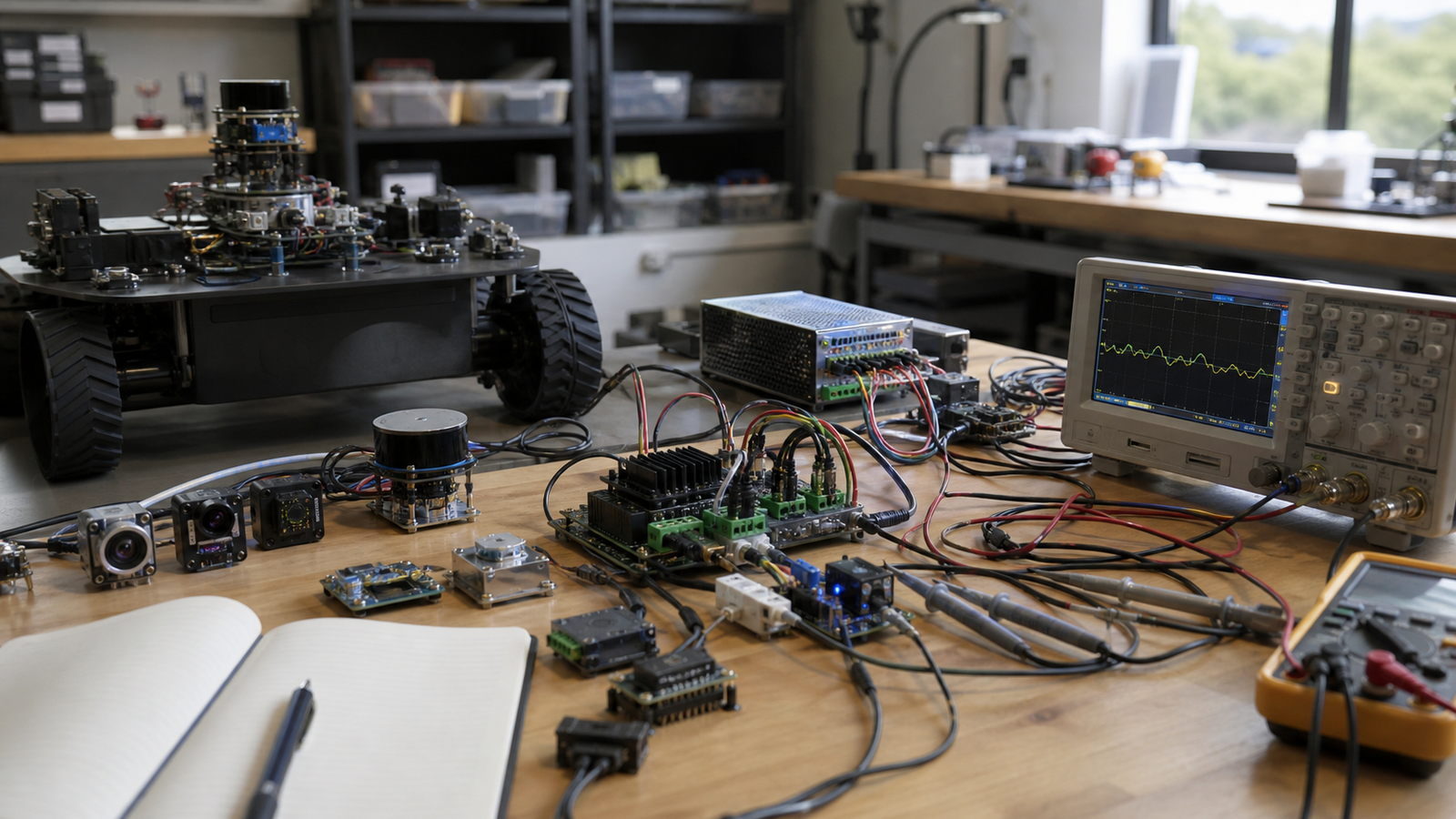
Robots are measurement machines before they are decision machines. A mobile robot may rely on inertial sensors, encoders, cameras, time-of-flight sensors, lidar, current sensing, temperature monitoring, and wireless links. Each one produces imperfect information. The integration work is deciding which signals are trustworthy, when they drift, and how the rest of the system should respond.
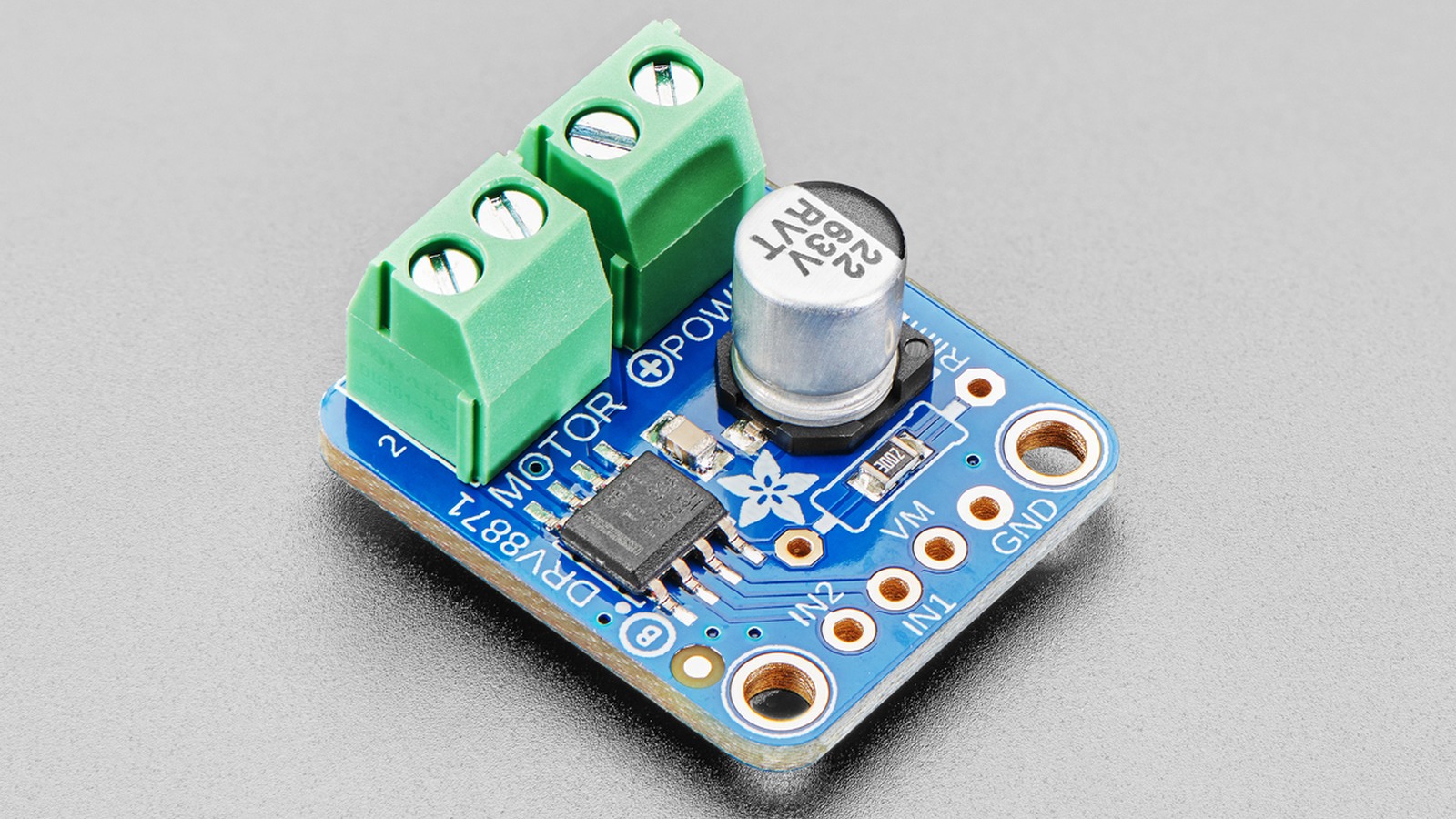
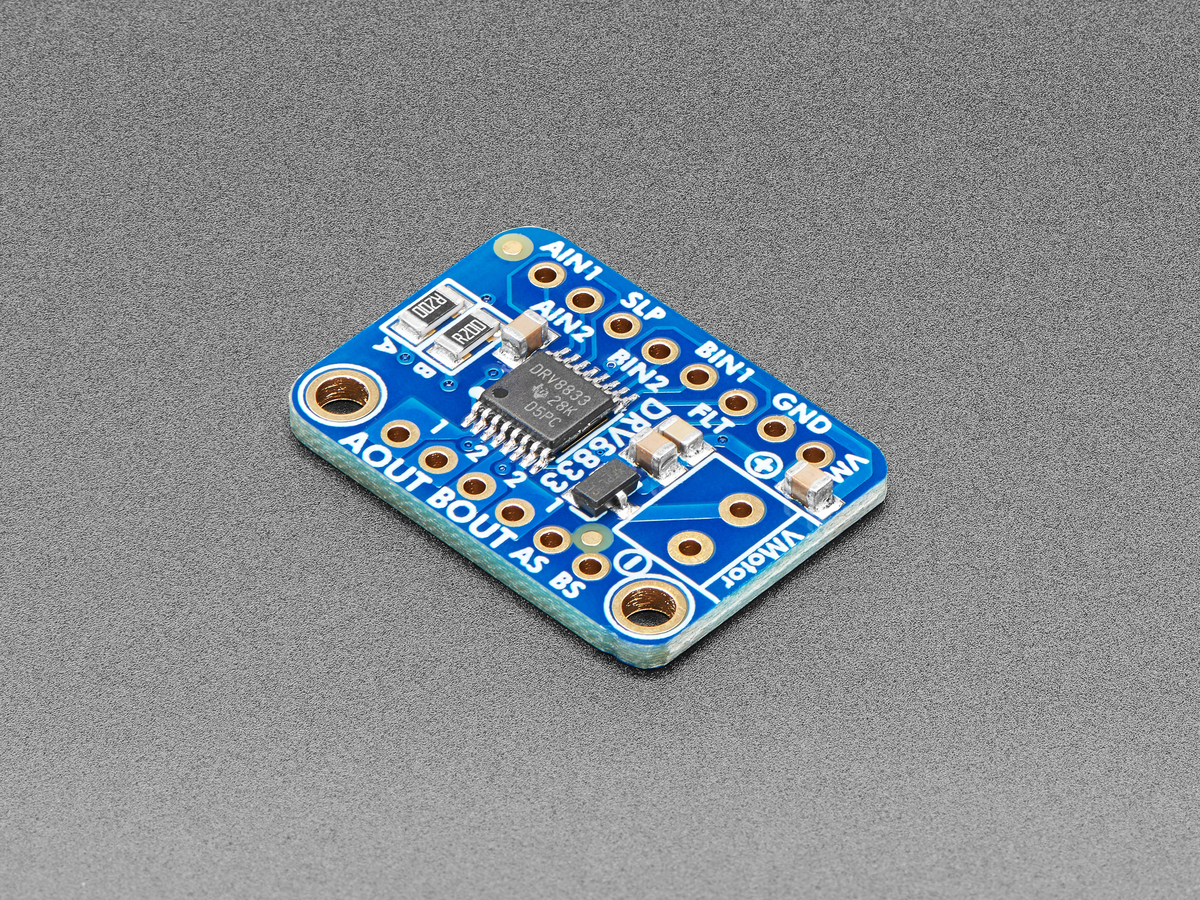
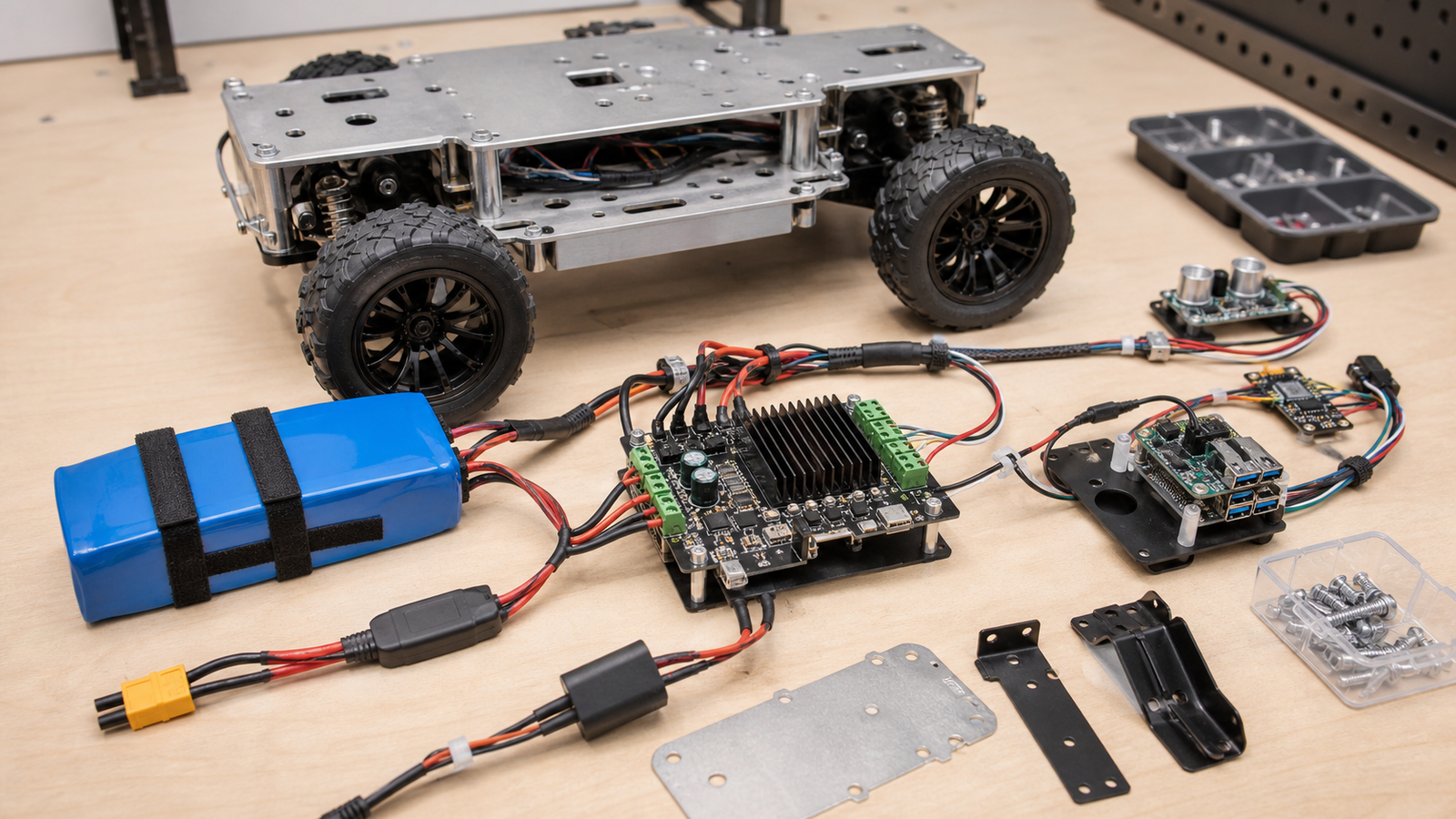
Power is just as important. A motor controller can pull current in bursts. A radio may lose range when the power rail droops. A camera or compute module may throttle when enclosure temperature rises. A battery connector that looks fine in CAD can become a failure point once a robot hits vibration, cable strain, or repeated charging cycles.
ADI’s public robotics material emphasizes areas such as sensing, motor control, connectivity, and power. Those are not glamorous compared with embodied AI demos, but they are exactly where many early systems become expensive to debug.
Startup impact
For startups, access to experienced analog, mixed-signal, and power engineers can shorten the path from prototype to pilot. It can also reduce the chance that a team discovers late in the process that the chosen sensor architecture cannot meet its latency, noise, cost, or power budget.
The partnership does not guarantee successful products. It also does not replace field validation, safety review, manufacturability work, or customer discovery. What it can do is put more expert review around the physical layer of robotics, where mistakes are often harder to patch after the fact.
TVG Analysis
The robotics startup market is crowded with software-first claims, but physical systems still have to earn reliability through hardware discipline. A sponsor relationship built around sensing, signal processing, and power management is worth watching because it points toward the less visible engineering work behind deployable robots.
For maker teams and STEM programs, the same lesson applies at a smaller scale. Before adding more autonomy features, check the measurement chain, power budget, connector strain relief, thermal behavior, and logs. A clean demo that cannot explain its own sensor and power assumptions is not ready for serious deployment.
What remains unknown is how many startups will convert this support into fielded systems and which technical patterns emerge from the program. TVG will watch for concrete examples where better sensing, power design, or signal-chain review changes the outcome of a robotics deployment.