Decision rule: Write the evidence requirement before choosing the camera. Specify the feature, scale, viewpoint, resolution and time sequence a reviewer must recover. Then select the lowest-burden system that can produce that record.
If the reviewer must look around
A 360 camera is useful for spatial context from a fixed station: room layout, work-zone relationships or a site walk where reframing later matters. Test whether required details survive lens resolution, stitch zones, motion and export. Keep original spherical files; a reframed video is a derivative, not a substitute.
If the subject is known
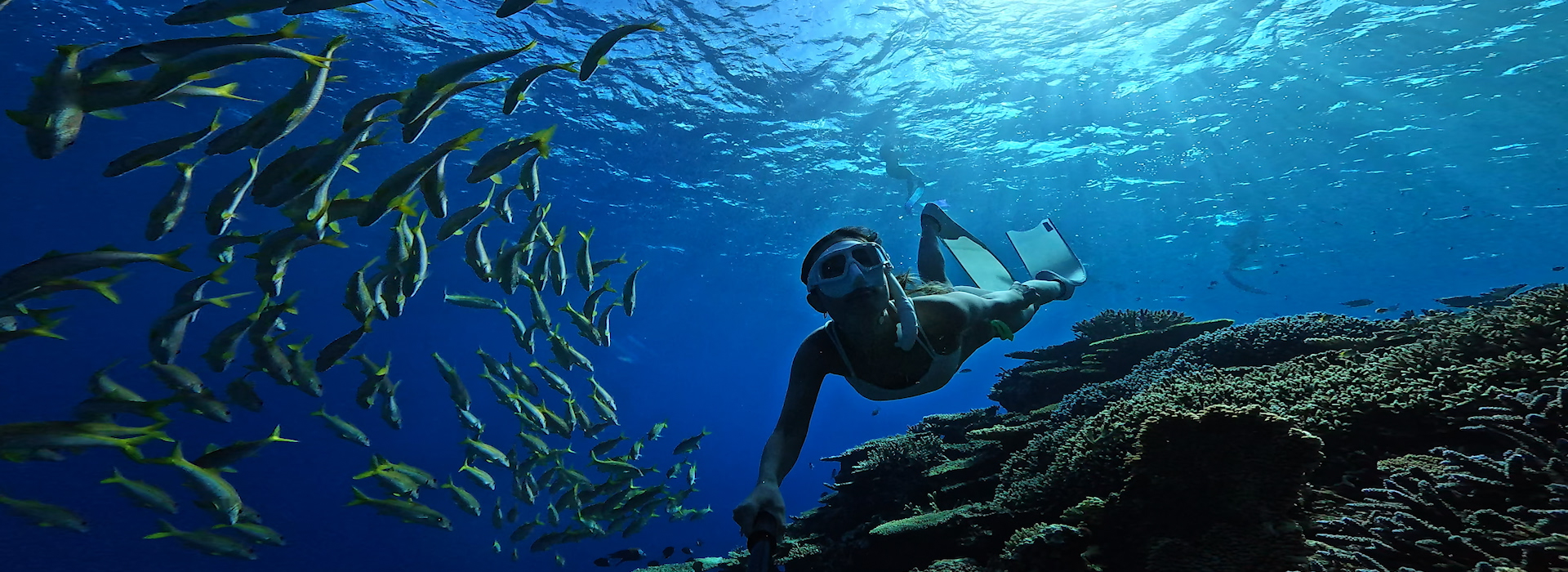
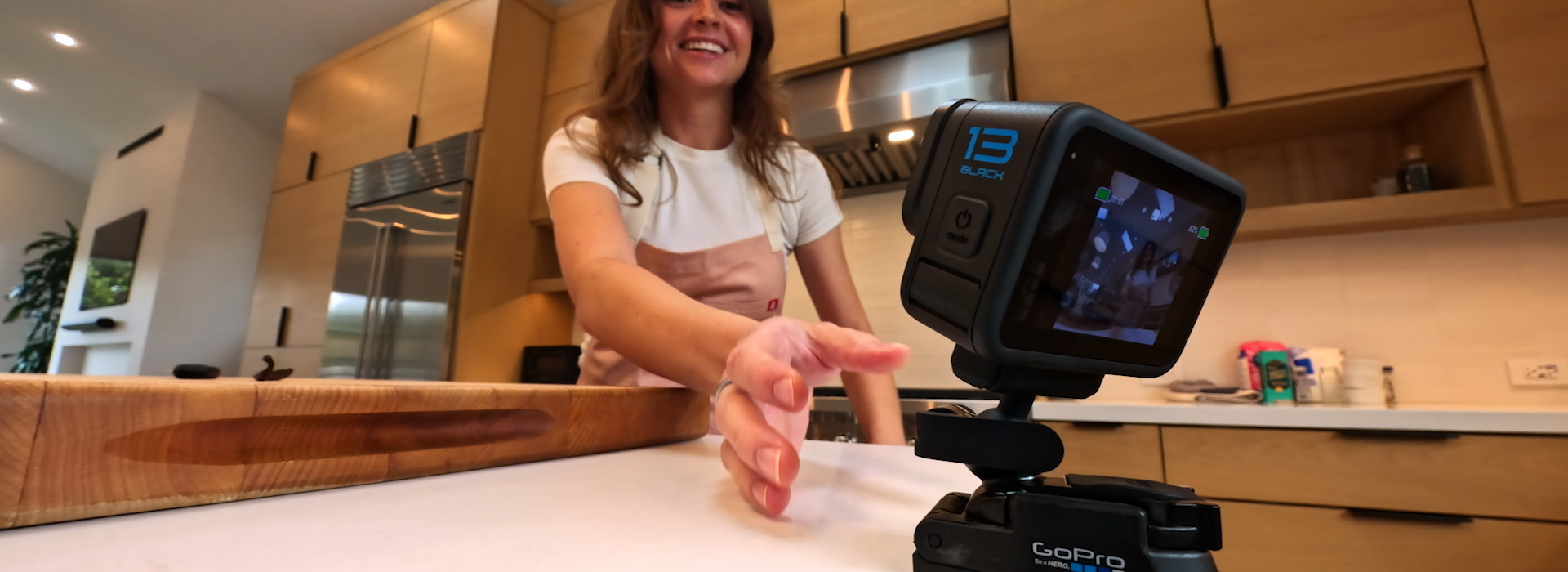
An action camera is usually the simpler path for a directed view, close process record, vehicle mount or first-person sequence. Establish framing with a checklist, include a scale or slate when dimensions matter, and test stabilization and shutter behavior under actual motion. A narrow, intentional shot can provide stronger evidence than a panoramic file with inadequate pixel density.
Repeat one reference shot at the same position, height, orientation and settings so changes between visits remain interpretable.
If only an aerial view answers the question
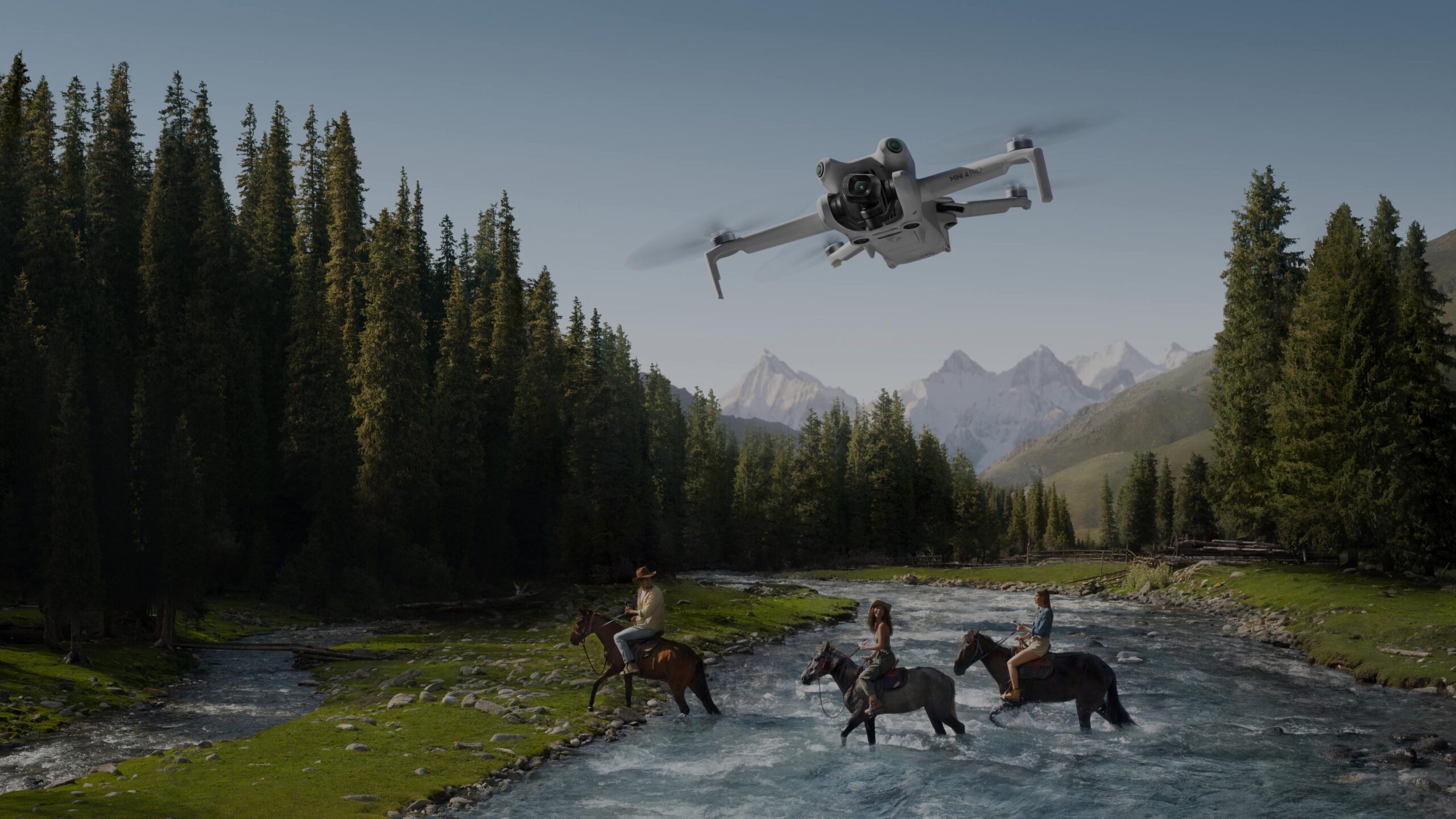
A drone adds position and access, but also a regulated aircraft operation. In the United States, non-recreational small-UAS work generally falls under FAA Part 107. The remote pilot must evaluate airspace, temporary restrictions, site constraints, visual-line-of-sight requirements and aircraft condition.
LAANC provides near-real-time airspace authorizations at participating airports for eligible operations; it is not blanket permission to fly. Remote ID requirements apply to drones that must be registered, subject to FAA exceptions and operating rules. Registration, authorization and Remote ID are separate checks. Property access, local restrictions and privacy obligations may still apply.
Run one evidence acceptance test
- Capture the hardest required view under expected light and motion.
- Export through the intended software and inspect at delivery resolution.
- Confirm timestamps, site/viewpoint notes and file naming.
- Copy through a known reader, generate checksums and open representative files.
- Keep two independent verified copies before reformatting media.
Choose 360 for navigable context, action for directed close evidence, and a drone only for a necessary aerial perspective with a compliant mission plan. The winning system is the one that preserves the requested fact and its provenance—not the one with the most dramatic viewpoint.