Sports wearables are usually sold as performance tools. For a STEM club, the better angle is measurement. A wrist sensor, shoe pod, timing gate, camera tracker, or heart-rate strap can become a practical lesson in signal quality, sampling, calibration, and the limits of dashboards.
That makes sports technology a good broadened lane for TVG Report. The topic is not lifestyle fitness. It is an engineering question: what does the sensor actually measure, where can the data go wrong, and how should students design a test before trusting the number?
Start with the measurement claim
Every sports sensor makes an implicit claim. It might estimate speed, steps, impact, jump height, heart rate, cadence, or position. Students should write that claim down in plain language before collecting data. Then they should ask what physical signal the device can actually see.
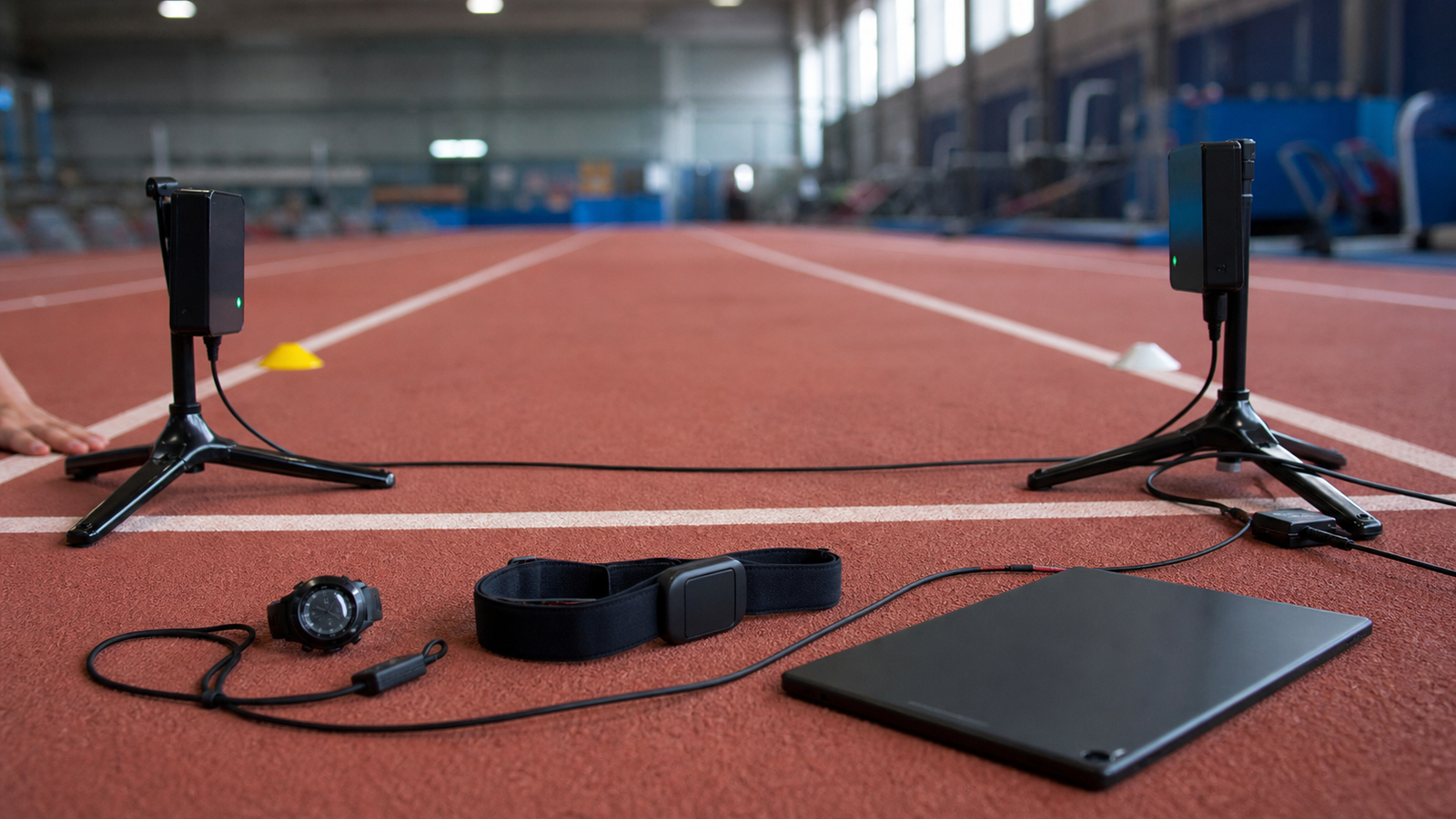
A wrist device has a different view of motion than a shoe sensor. A phone in a pocket has a different signal than a camera on a tripod. A timing gate may measure a clean start and finish, but it will miss body position between the gates. The dashboard may make all of those results look equally precise even when the measurement path is very different.
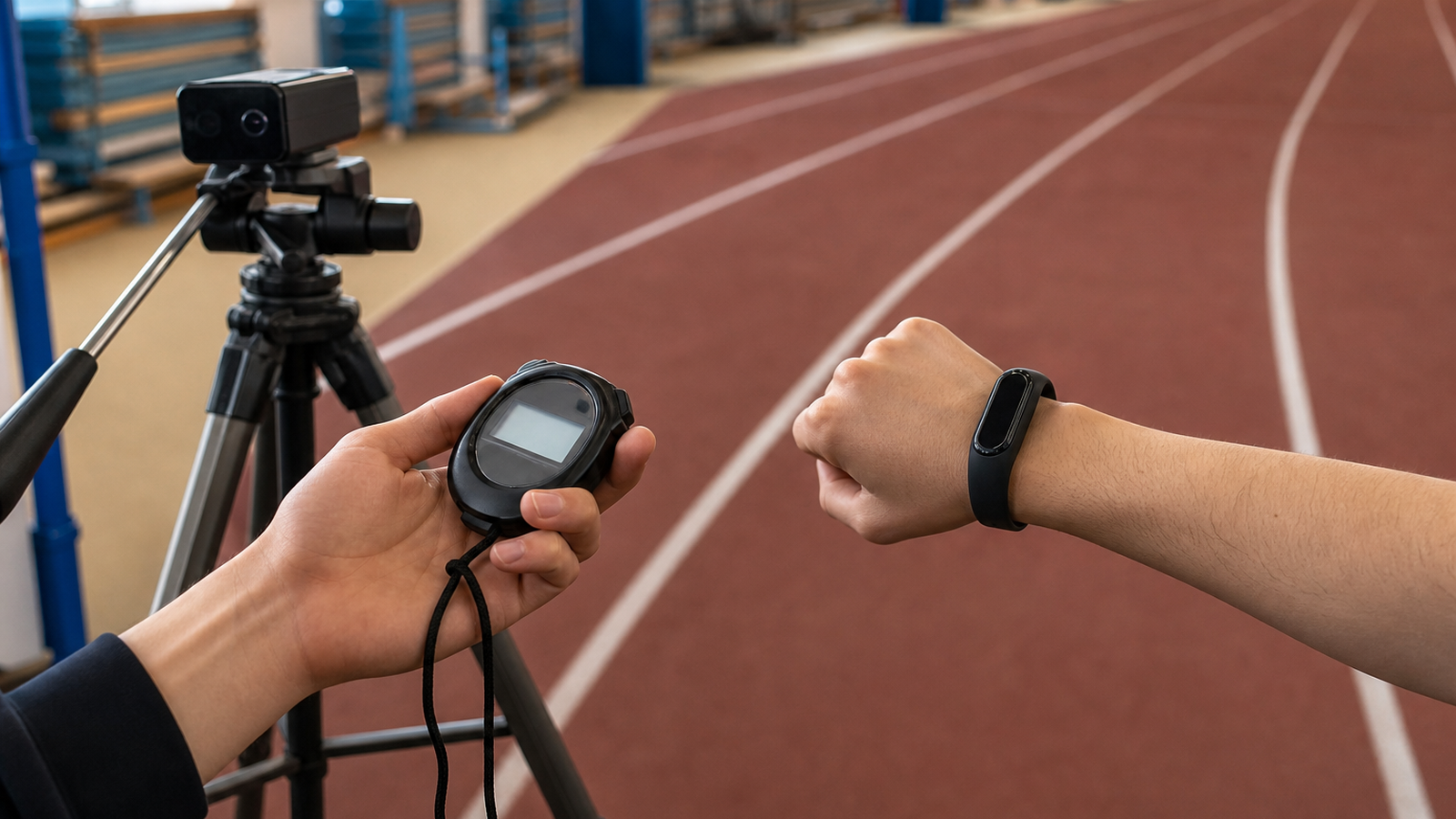
Build a simple test protocol
A useful STEM activity does not need expensive gear. Start with one repeated motion, one independent reference, and one table of results. For example, students can compare a wearable step count against video review, or compare sprint split times from a timing gate, phone video, and manual stopwatch.
The important part is repetition. One run is a demonstration. Ten runs can reveal drift, placement sensitivity, missed samples, and outliers. Students should record where the device was worn, battery level, firmware version if visible, surface conditions, lighting, and any obvious mistakes.
Data quality questions
- Does the result change when the sensor moves to a different body position?
- How many samples are lost when the athlete turns, stops, or accelerates?
- Does the device smooth the data before showing it?
- Can students export raw data, or only a final score?
- What is the privacy policy for athlete data?
- Can the test be repeated next week with the same setup?
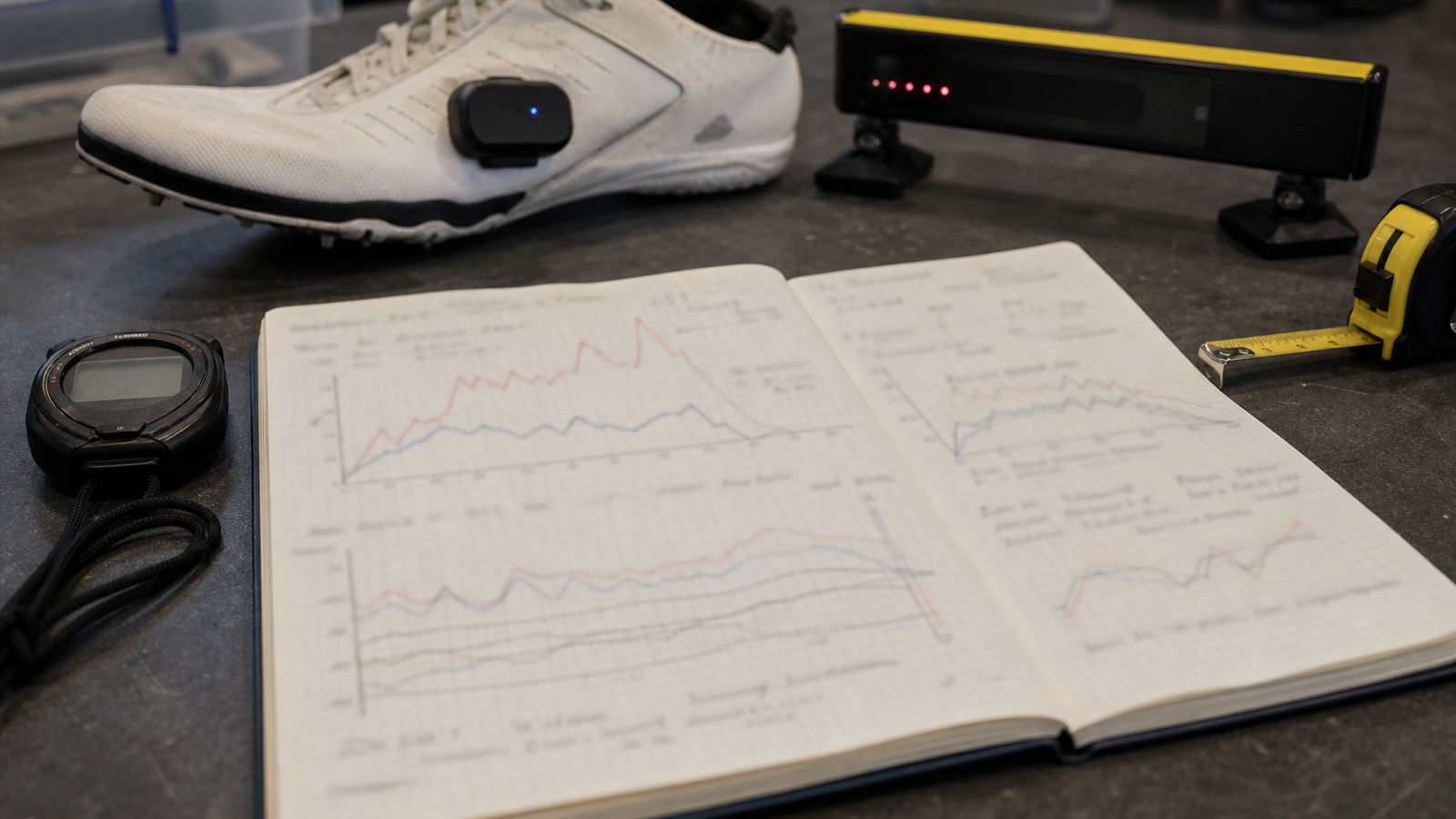
Connect it back to robotics
The same thinking applies to robots. Wheel encoders, IMUs, cameras, lidar, current sensors, and limit switches all produce data that can be misread. A sports wearable project gives students a human-scale way to practice the discipline they need in robotics: define the signal, test the failure cases, and avoid treating a polished dashboard as proof.
TVG previously covered sports timing gates as a STEM engineering project. Wearables extend that idea by adding placement, calibration, and privacy questions.
TVG Take
The best sports-tech STEM project is not a leaderboard. It is a measurement lab. If students can explain why two sensors disagree, what they changed in the setup, and which result they trust more, they are learning the same habits that make robotics data useful.
Privacy belongs in the project brief
Sports data can describe real people, not only machines. A school or club project should avoid collecting unnecessary personal information, should explain who can see the data, and should delete test records when they are no longer needed. Students can still learn the engineering lesson without turning every activity into a permanent athlete profile.
That privacy discussion is part of technical literacy. Engineers decide what to measure, what to store, and how much precision is needed. A STEM project that includes those choices is more realistic than one that treats data collection as harmless by default.
A good classroom deliverable
Instead of asking students for a single winning number, ask for a short test report: the sensor used, the reference method, the setup photo, the number of trials, the biggest mismatch, and one change they would make next time. That format rewards evidence and iteration, not just performance.