
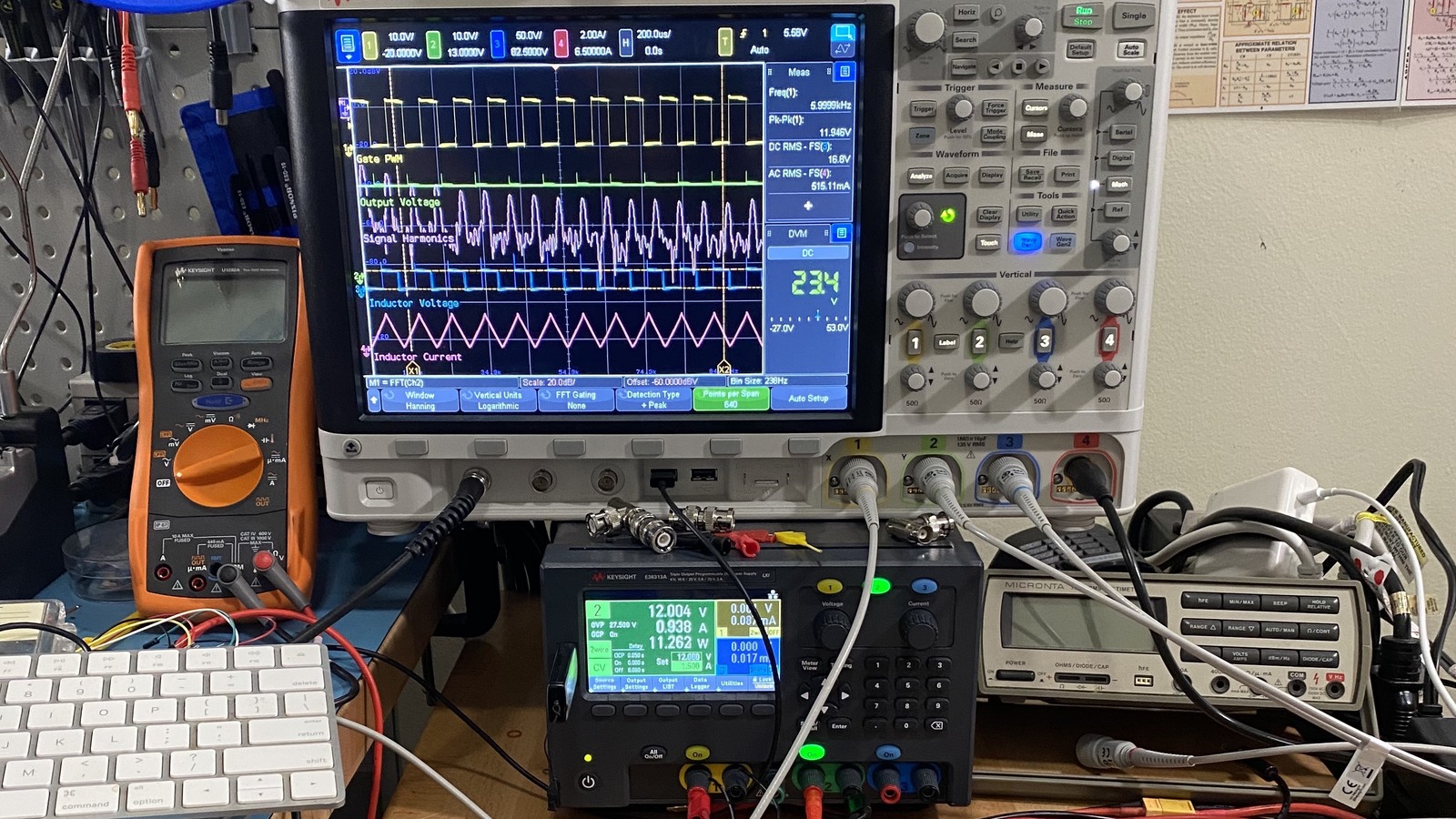
A microcontroller that reboots when Wi-Fi transmits, a motor starts or LEDs switch is not automatically suffering a firmware crash. Preserve the reset reason, trigger an oscilloscope from the load event, and measure VDD at the MCU power pins. A brownout diagnosis becomes credible only when the reset and a rail excursion line up in time.
Preserve the reset evidence first
Capture the earliest boot output before initialization overwrites status registers. On ESP32, ESP-IDF says the brownout detector is enabled by default and can print “Brownout detector was triggered” before resetting the chip. A fast collapse may truncate that message, so missing text does not prove that the supply stayed valid.
Log four items together: reset reason, minimum rail voltage, the event that changed load and the exact probe point. Watchdog, software, external-reset and brownout causes can produce the same visible reboot. They need different fixes.
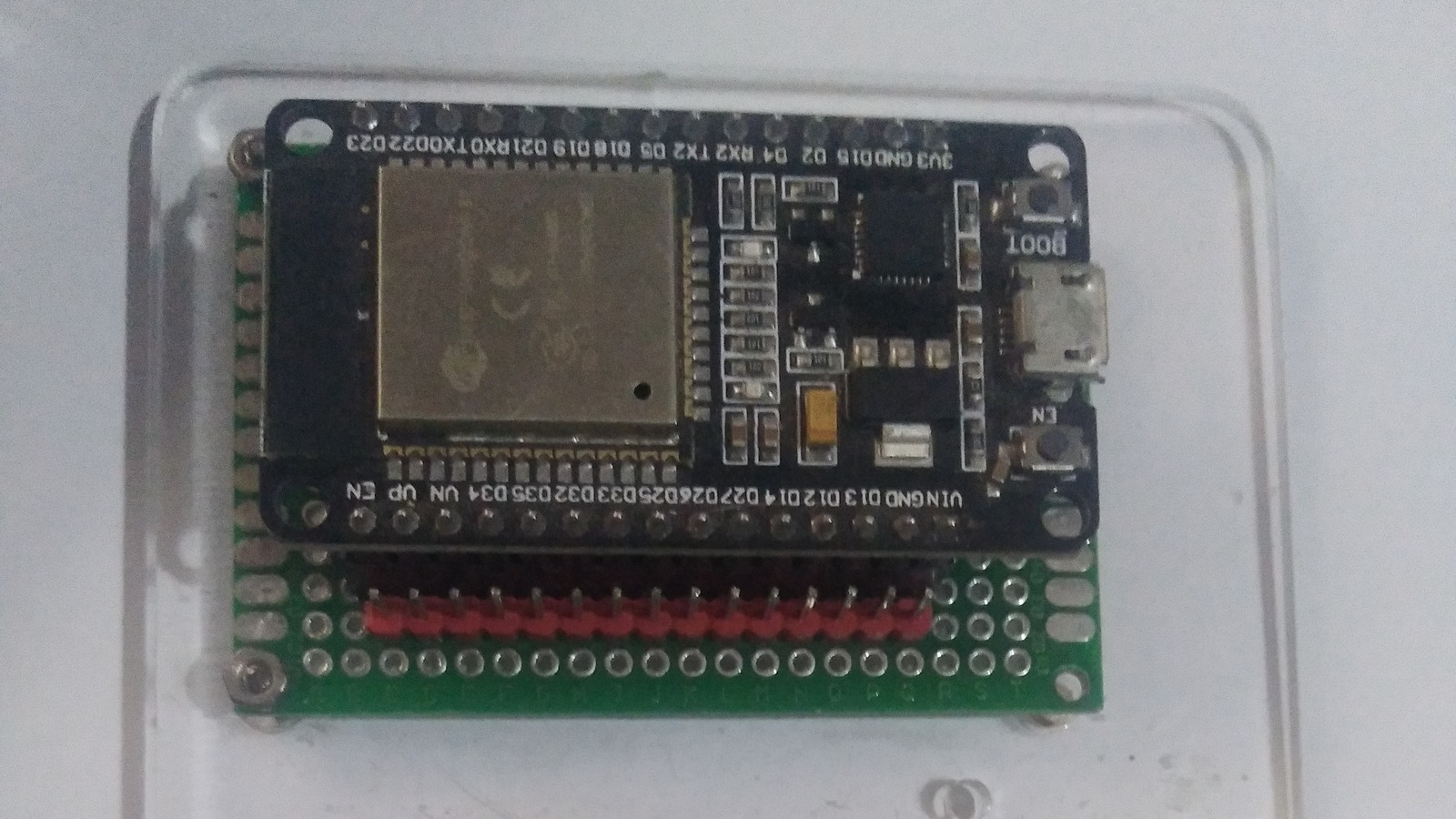
Trigger on the load, probe at the device
Connect the probe ground with the shortest practical return and measure directly across the MCU’s supply and ground pins or their nearest decoupling capacitor. A long ground lead can add ringing that is not present on the rail. A multimeter may report a steady average while a sub-millisecond dip crosses the brownout threshold.
Use the load event as the trigger: a radio-enable GPIO, motor-driver enable, LED-frame sync or current-step signal. Capture enough pre-trigger time to see the original rail. Repeat at the regulator output, connector and source. The first point where the droop becomes large separates a source problem from connector, cable, regulator or board-distribution loss.
Record the oscilloscope probe attenuation, bandwidth limit, coupling mode and measured baseline so repeat captures are comparable. If a differential or isolated measurement is required, use equipment rated for the common-mode voltage involved. For ordinary low-voltage MCU rails, a short ground spring at the decoupling capacitor usually gives a more faithful result than a long clip lead.
Read the power path as a chain
- Source or cable: bench-supply current limiting, USB cable resistance and undersized connectors can lower the regulator input.
- Regulator: inadequate peak current, dropout headroom, poor transient response or an unstable output-capacitor combination can pull the local rail down.
- Distribution: long narrow traces, shared motor returns and weak ground paths convert load current into voltage error at the MCU.
- Local load: radio, display, sensor heater or actuator events may coincide even when each average-current estimate looks acceptable.
Decoupling is local energy, not a universal cure
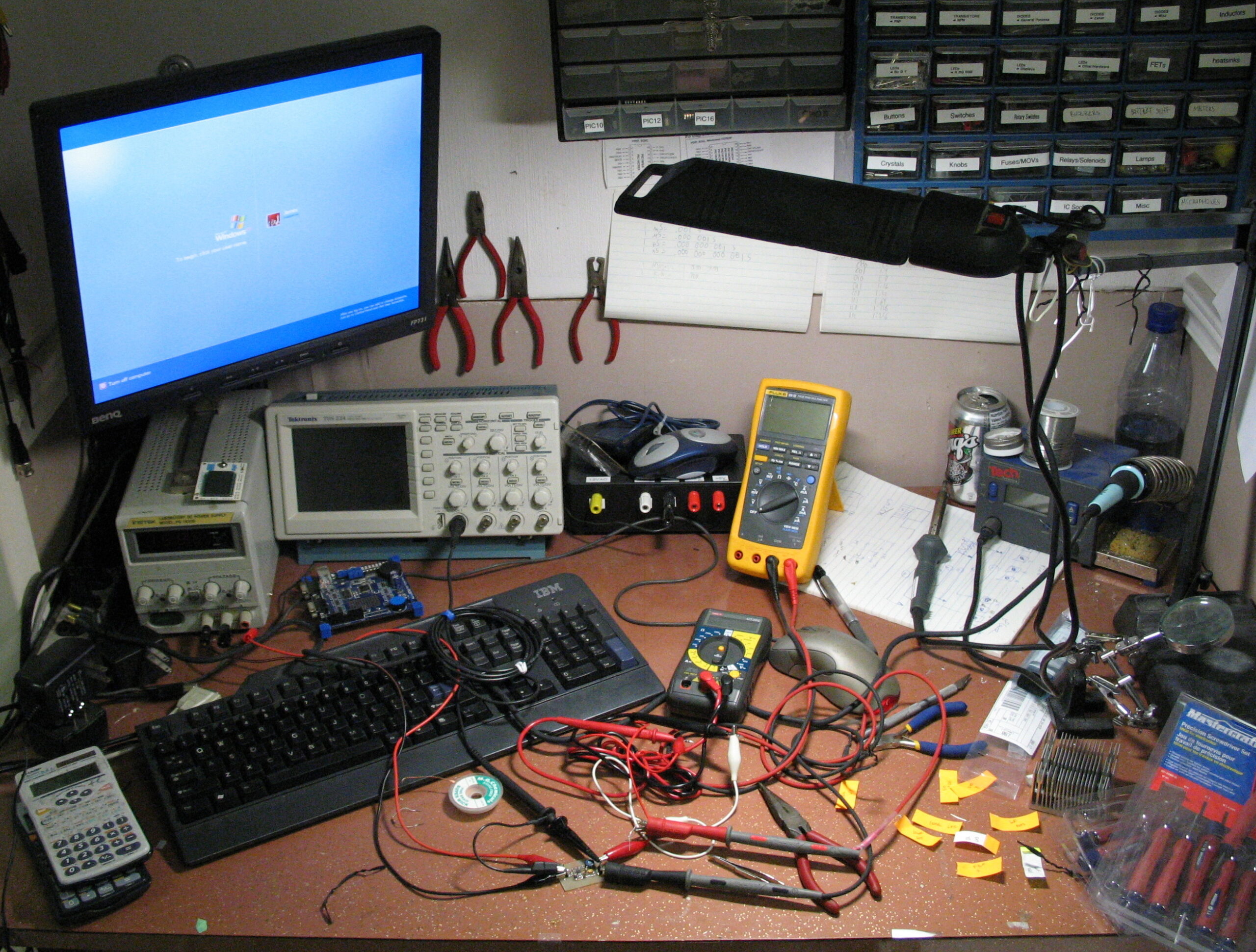
TI’s MSPM0C hardware guide recommends 10 µF plus 100 nF low-ESR ceramic capacitors at DVCC, within a few millimeters of the pins. The values are device-family guidance, not a drop-in prescription for every board. The small capacitor addresses faster current edges; the larger local part supports slower demand while the regulator and interconnect respond.
The first-order capacitor relation is ΔV = IΔt/C. An ideal 470 µF capacitor supplying a 300 mA step for 2 ms would lose about 1.28 V. Real droop also includes capacitor ESR, regulator response and path resistance. That example explains why adding a visually large capacitor can still fail—and why excessive capacitance can create startup or regulator-stability problems.
Close the fault with the same capture
After changing one variable, repeat the original event with the same probe location, bandwidth setting and trigger. A successful repair keeps the measured minimum above the applicable operating and brownout limits with margin, preserves a valid ramp at startup, and eliminates the correlated reset across repeated cycles.
Do not disable brownout detection to make the reboot disappear. TI describes BOR as the monitor that verifies external VDD remains high enough for correct internal operation; Microchip describes the same protective role for AVR devices. Removing the warning does not restore valid voltage to logic, flash or peripherals.

When I tested the system with a lower voltage supply, the recovery time varied by nearly a full second.